The best toys for school are those that combine enjoyment, learning value, and accessibility for every student — including those with special needs. This guide walks through the key categories, selection criteria, and common pitfalls so you can equip your classroom wisely without blowing your budget.
Choosing the best toys for school is trickier than it sounds. Budget constraints, wildly different student levels, allergies, school policies, and special needs all compete for your attention. And yet, a handful of well-chosen toys can turn an ordinary classroom into a space where children genuinely learn — with joy and without exclusion.
At Robiii, we have spent years working alongside elementary schools, special education teachers, and learning specialists across Canada. This guide distills that field experience: which categories to prioritize, how to match tools to student profiles (ADHD, autism, anxiety, dyslexia), and where to find quality materials at a fair price — including bulk orders for entire schools.
Why educational toys belong in the classroom
For a long time, the word "toy" was almost taboo in formal education. Yet research in developmental psychology increasingly supports what experienced teachers already knew: play can be a powerful vehicle for learning, especially for children aged 4 to 12.
What the research says
A 2022 meta-analysis from the University of Cambridge's PEDAL centre (Skene et al., Child Development) found that guided play — play with light adult support — produced greater gains than direct instruction on some early math skills, such as shape knowledge, in children aged 1 to 8. In other words, well-used educational toys are not a luxury — they are a serious teaching tool.
Sensory regulation: the gateway to learning
For students living with ADHD, autism or anxiety, the challenge is not learning itself — it is reaching the optimal arousal state needed to learn. An understimulated brain seeks sensation (the student fidgets, gets up, talks); an overstimulated brain shuts down (the student freezes, cries, dissociates). Sensory toys act precisely on that dial, helping students self-regulate without disrupting the rest of the class.
Good to know: in Canadian schools, sensory regulation tools can be recommended as part of a student's individualized education plan (IEP). Consult your school's occupational therapist or resource teacher to match tools to individual profiles.
The 5 essential categories of classroom toys
Here are the major families of toys worth knowing — and gradually integrating into your classroom:
1. Math manipulatives
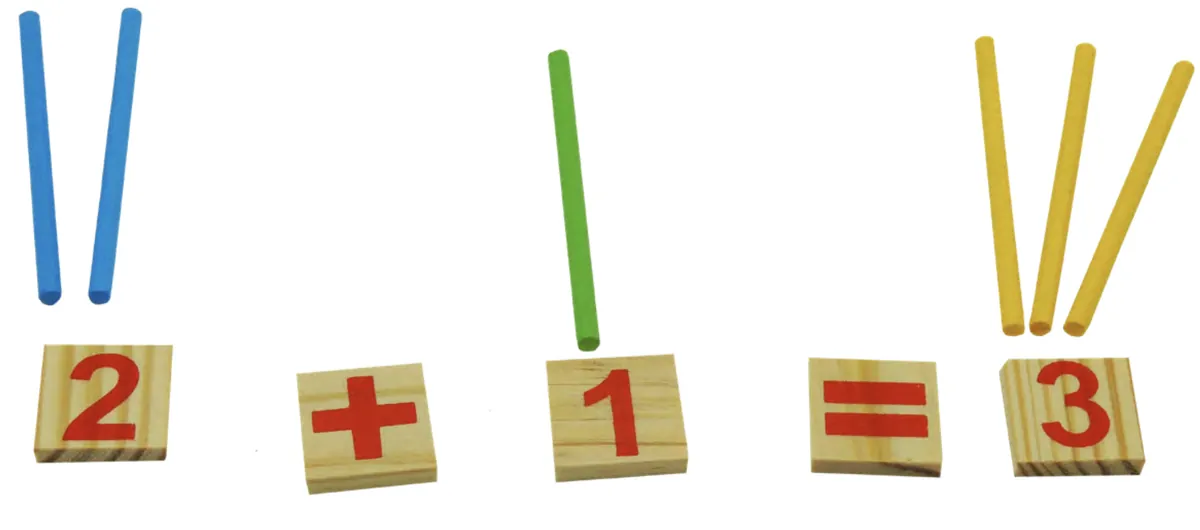
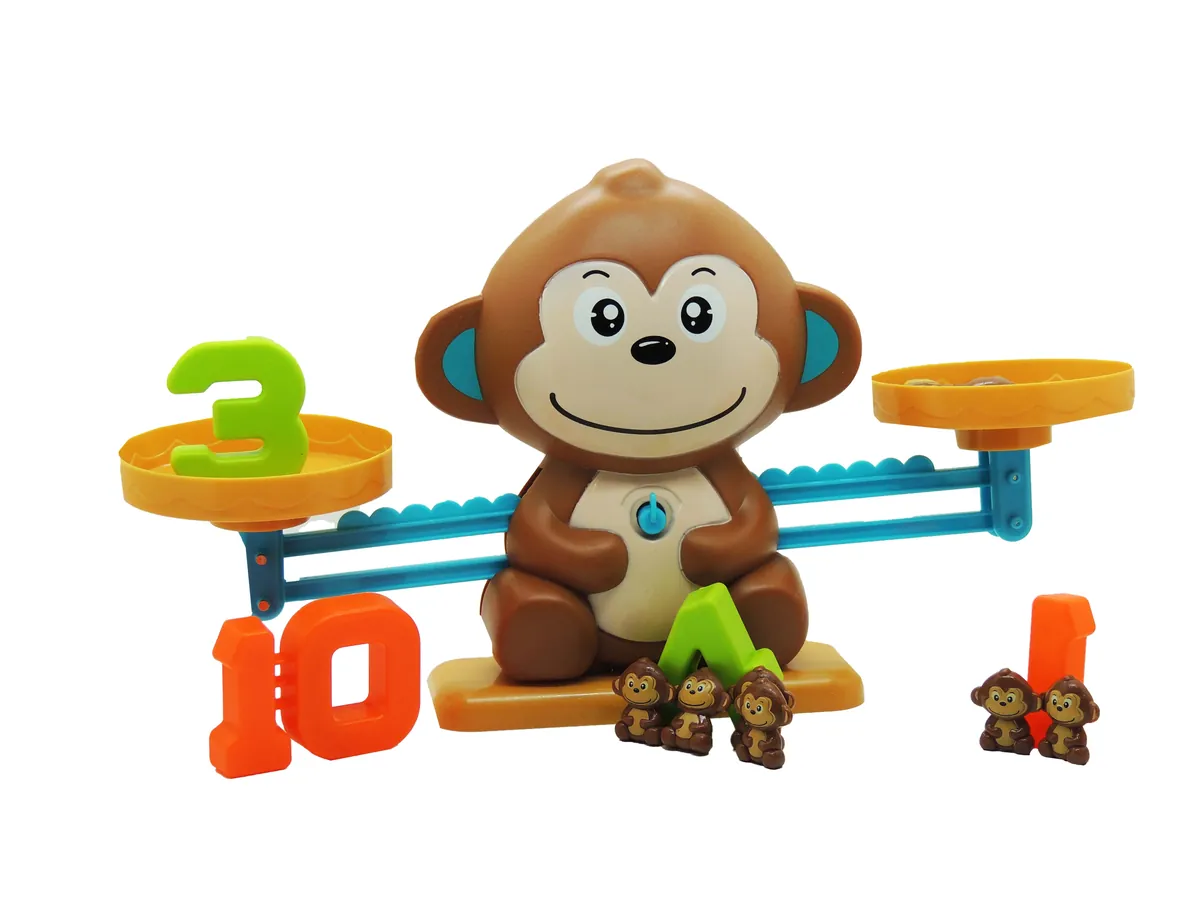
Base-ten blocks, counting chips, teaching balances, and Cuisenaire rods make abstract math concepts concrete and hands-on. A 2013 meta-analysis of 55 studies (Carbonneau et al., Journal of Educational Psychology) found small-to-moderate gains when math is taught with concrete manipulatives rather than abstract symbols alone. For a deeper dive, read our article on toys for teaching math concepts.
2. Literacy and reading-support tools
Colored reading rulers, text pointers, and translucent highlighters are invaluable allies for students with dyslexia or reading difficulties. Our article on reading aids for dyslexia covers the best options in detail.
3. Sensory tools and fidgets
Therapy putty, stress balls, silent fidgets, and movement tubes help restless students channel their energy through their hands rather than their feet or mouth — without disturbing classmates. The golden rule: a classroom fidget must be silent, discreet, and non-distracting. Our article on the best fidget toys will help you narrow down your selection.
4. Logic and problem-solving games
Puzzles, sequencing games, and building challenges develop computational thinking, patience and perseverance. These cross-curricular skills benefit every student, regardless of their learning profile.
5. Cooperative and communication games
Games where everyone wins together — rather than competing against each other — build empathy, turn-taking and conflict-resolution skills. For autistic or anxious students, the structured framework of a cooperative game offers a safe context to practice social skills. Our article on toys and social skills development goes deeper on this topic.
The best toys for school by age group
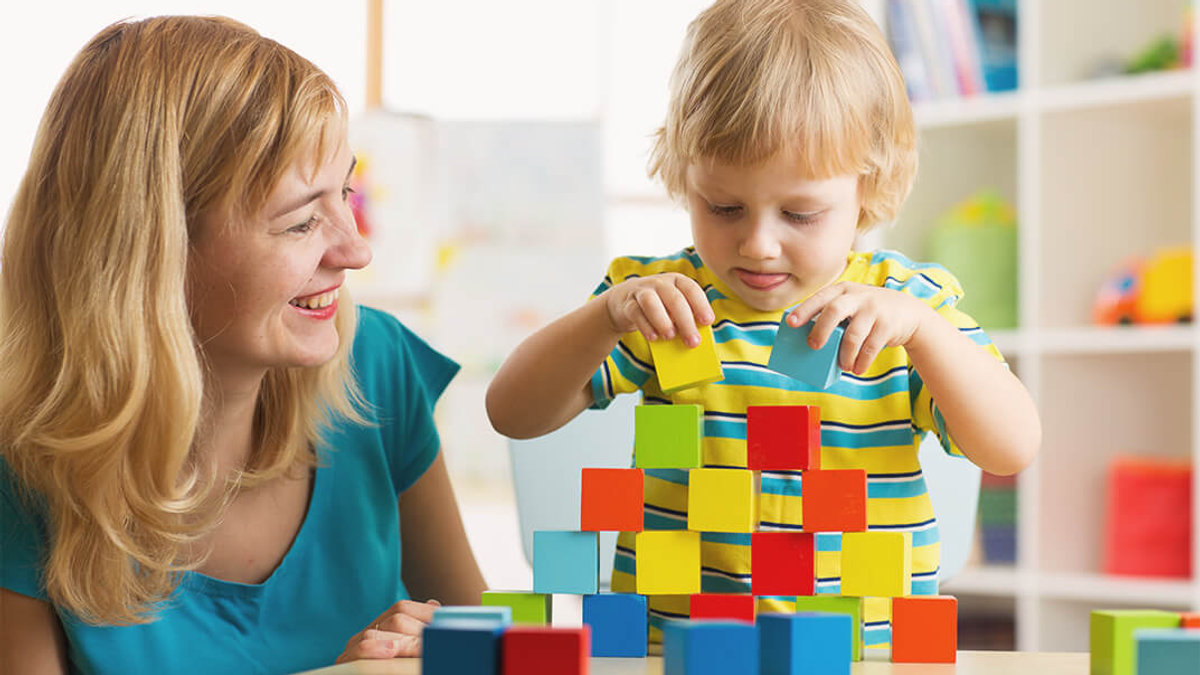
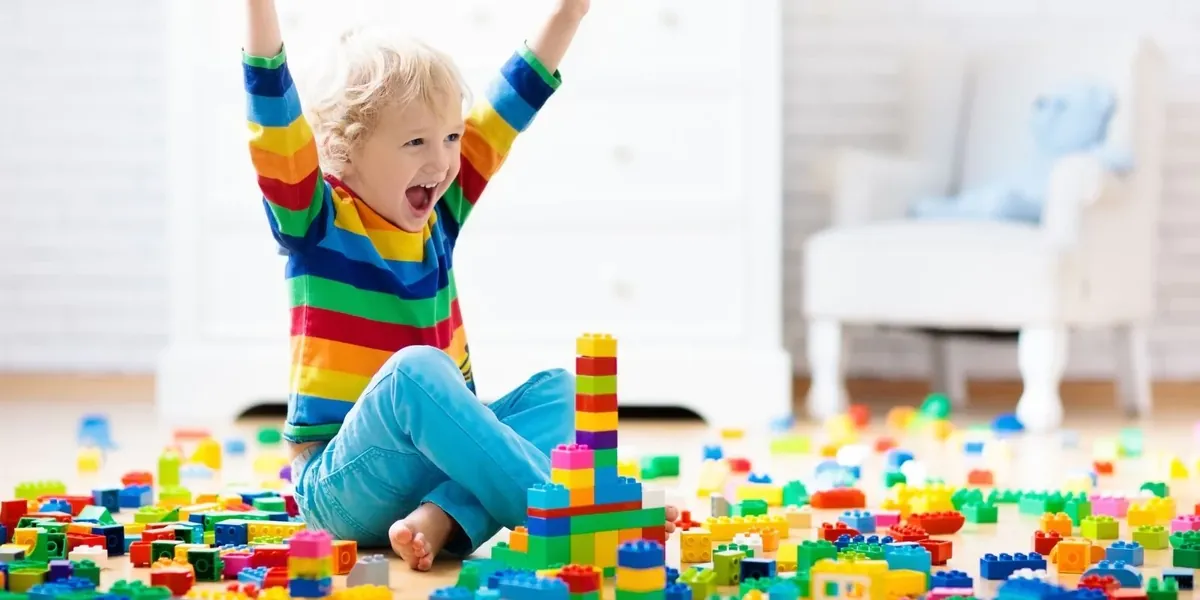
- Preschool: building blocks and puzzles (fine motor skills, hand-eye coordination, problem-solving), dolls and action figures (imaginative play, social skills) and art supplies such as crayons, markers and paint (creativity, self-expression).
- Elementary school: science kits (scientific concepts), board games (social skills, teamwork, problem-solving) and building sets such as LEGO (creativity, coordination).
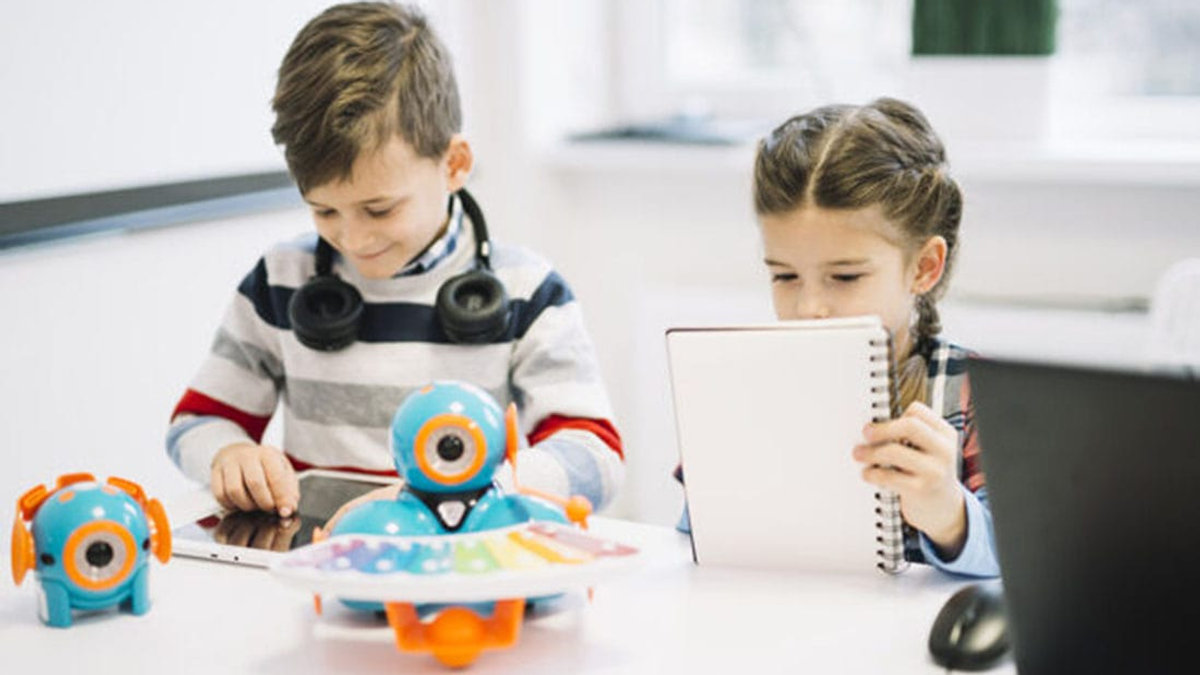
- Middle school: robotics kits (technology and engineering), coding games (programming logic) and sports equipment such as a basketball or soccer ball (physical activity, teamwork).
Selection criteria: how to choose the best toys for school
Not all toys are created equal in a classroom context. Here is a simple framework for evaluating a purchase:
| Criterion | What to check | Why it matters |
|---|---|---|
| Safety | Meets Canada's Toys Regulations (ASTM F963 / EN 71 test reports a plus), BPA- and phthalate-free | Legal requirement + student health |
| Durability | Resistant materials, washable or sanitizable | Total cost over several years |
| Inclusivity | Usable by students with different profiles | Avoids singling out one student |
| Discretion | Silent, visually neutral (especially for fidgets) | Does not distract the rest of the class |
| Curriculum value | Tied to a program objective | Justifies the purchase to administration |
A good school toy goes unnoticed: it fades into the daily routine of the classroom and lets learning take center stage. — The Robiii team
Toys adapted to students with special needs
In Quebec, about one student in five (22% in 2021–2022) is identified as having a disability or an adjustment or learning difficulty (OPHQ); in Ontario, about 16% of elementary and 28% of secondary students receive special-education support (People for Education). Equipping the classroom for them is not a favour — it is what inclusive education requires so every student can access the curriculum.
For students with ADHD
- Discreet fidgets (silicone rings, putty, velcro balls) to channel motor energy
- Visual timers (giant sand timers) to make time tangible and reduce transition anxiety
- Task-chunking tools: magnetic task boards, visual schedules, color-coded cues
For autistic students or those hypersensitive to noise
- Noise-cancelling earmuffs to filter excessive auditory stimulation
- Proprioceptive toys (pressure rollers, posture cushions) to ground the body
- Predictable manipulation activities: simple puzzles, putty, sensory tubes
For anxious students
- Textured stress balls or squeeze toys
- Fidget spinner rings worn discreetly on a finger
- Guided breathing activities integrated into play (pinwheels, mini bubble kits)
Field tip: rather than pulling out a sensory tool only for one diagnosed student, weave it into the whole class routine (e.g. "thinking putty" during a read-aloud). This normalizes the tool and reduces the stigma for the student who needs it most.
The classroom sensory box: how to build one
A classroom sensory box is a bin or pouch accessible in the classroom, stocked with a curated set of regulation tools that students can use independently or at the teacher's prompting. It is a popular universal support in inclusive classrooms.
A well-built classroom sensory box should include at least:
- 2–3 types of silent fidgets (ring, putty, ball)
- 1 visual timer (5- or 10-minute sand timer)
- 1 posture cushion or sensory wedge for chairs
- 1 pair of noise-cancelling earmuffs
- A few breathing tools (pinwheel, mini bubble kit)
- 1–2 pressure tools (elastic band for chair legs)
See our full article on the classroom sensory box for a detailed list and implementation tips. Schools looking to stock up in volume can check our wholesale educational school supplies guide for institutional pricing options.
Common mistakes to avoid when buying classroom toys
Even with the best intentions, some purchases end up forgotten in a drawer. Here are the most common pitfalls:
- Buying noisy toys without thinking about the impact on the class: spinning tops, musical gadgets or clicking fidgets can distract the entire group.
- Overlooking durability: in a school setting, a toy passes through many hands. Prioritize materials that are resistant and easy to clean (silicone, ABS, treated wood).
- Ignoring allergies: some putties or slimes contain latex or sensitizing dyes. Always check the ingredients before introducing a moldable material into the classroom.
- Skipping a clear usage protocol: a fidget introduced without ground rules quickly becomes a distraction. Set the "usage agreement" with the student from day one.
- Not involving the student in the choice: letting the child try and pick their own sensory tool greatly increases buy-in.
Warning: be cautious with slimes and putties sold without safety certification. Some cheap imported products contain borax at concentrations that are dangerous for children. Always choose products that meet Canadian safety requirements.
Budget and sourcing: buying smart for your school
Classroom materials budgets vary widely across school boards and educational projects. Here are some benchmarks to help you spend wisely:
Setting a budget by category
A balanced allocation might look like this: 40% for academic manipulatives (math, literacy), 35% for sensory and regulation tools, 25% for logic and cooperative games. This split covers curricular needs while leaving room for social-emotional interventions that benefit all learners.
Buying in bulk to cut costs
Volume purchasing can cut the unit cost substantially. Robiii offers wholesale pricing for schools, school boards, childcare centres, and specialty retailers. A school ordering for several classrooms can save significantly compared to retail prices. Visit our shop or reach out for a group quote through the Wholesale section.
Think in terms of lifespan, not just sticker price
A quality silicone fidget at $8 that lasts three years costs less than a $2 novelty item replaced every month. For sensory tools, durability and ease of cleaning — a major hygiene consideration in any classroom — are worth a premium every time.
For a broader look at institutional procurement, our article on wholesale learning aids and teaching toys offers a complete perspective. And if you want to understand how educational toys fit into a larger pedagogical philosophy, our article on the Montessori approach to play-based learning is a great starting point.