Sensory toys work directly on a child's nervous system by delivering controlled tactile, visual, auditory or proprioceptive input. For many children, the result is less anxiety, better self-regulation and sharper focus — whether or not the child carries a diagnosis of ADHD, autism or anxiety.
Does your child constantly squirm in their chair, chew the collar of their shirt, or completely fall apart at the slightest change in routine? Before looking for a complicated explanation, ask yourself a simple question: is their brain receiving the right sensory input it needs to stay balanced? That is exactly what sensory toys are designed to provide — and the benefits they deliver go well beyond simple entertainment.
At Robiii, a Quebec-based wholesaler specializing in educational, sensory and anti-stress toys, we work daily with parents, teachers and therapists who witness these effects firsthand. In this article, we break down what the benefits of sensory toys really are, how they act on the nervous system, who benefits most, and how to build them into everyday life in a way that actually sticks.
What exactly is a sensory toy?
A sensory toy is any object deliberately designed to stimulate one or more of the child's sensory systems in a beneficial way. Unlike conventional toys that target imagination or rule-based play, sensory toys first aim at neurological regulation — helping the brain process ambient sensory information and find an optimal state of balance: neither over-stimulated nor under-aroused.
The sensory systems involved
We all know the classic five senses, but neuroscience identifies seven systems that play a role in regulation:
- Tactile — the skin perceives textures, pressure and temperature.
- Vestibular — the inner ear manages balance and movement.
- Proprioceptive — muscles and joints tell the brain where the body is in space.
- Auditory — sounds, from a gentle whisper to soothing white noise.
- Visual — colors, slow movement and soft light.
- Olfactory — certain scents directly influence the brain's amygdala.
- Oral / gustatory — chewing can be calming for some children.
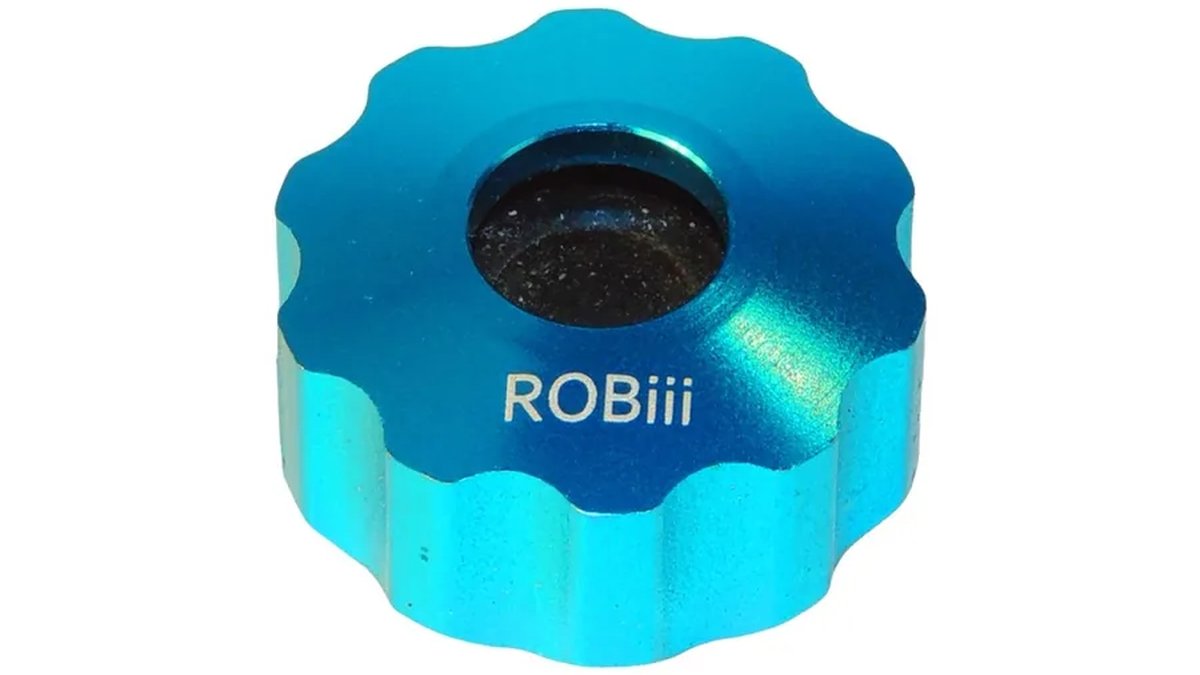
A good sensory toy targets one or several of these at once. The Rolliii, for example, combines touch and motion at the fingertips. Therapy putty engages both tactile and hand-proprioceptive channels. Noise-cancelling earmuffs act on the auditory channel to filter excessive stimulation.

The benefits of sensory toys: what research says
The benefits of sensory toys draw on decades of work in pediatric occupational therapy and developmental psychology — although research on specific toys is still limited, and occupational therapy based on sensory integration has the strongest evidence, mainly for autistic children (for example, a 2014 randomized trial). Here are the benefits most often observed.
Reduced anxiety and stress
Proprioceptive input — squeezing, pressing, kneading — is widely used by occupational therapists to help children calm down, and many children find it soothing when they feel tense. In other words, playing with something to squeeze is not an indulgence — it can be a genuine coping tool.
Improved focus and attention
Counterintuitively, keeping the hands busy frees attention. When a child quietly manipulates a sensory toy under their desk, the need for stimulation is met in a discreet way, which can make it easier to stay with the lesson. This is the founding principle of fidget toys. Research on fidgets in class is still limited and mixed, so it is worth trying one and observing the effect.
Fine motor skill development
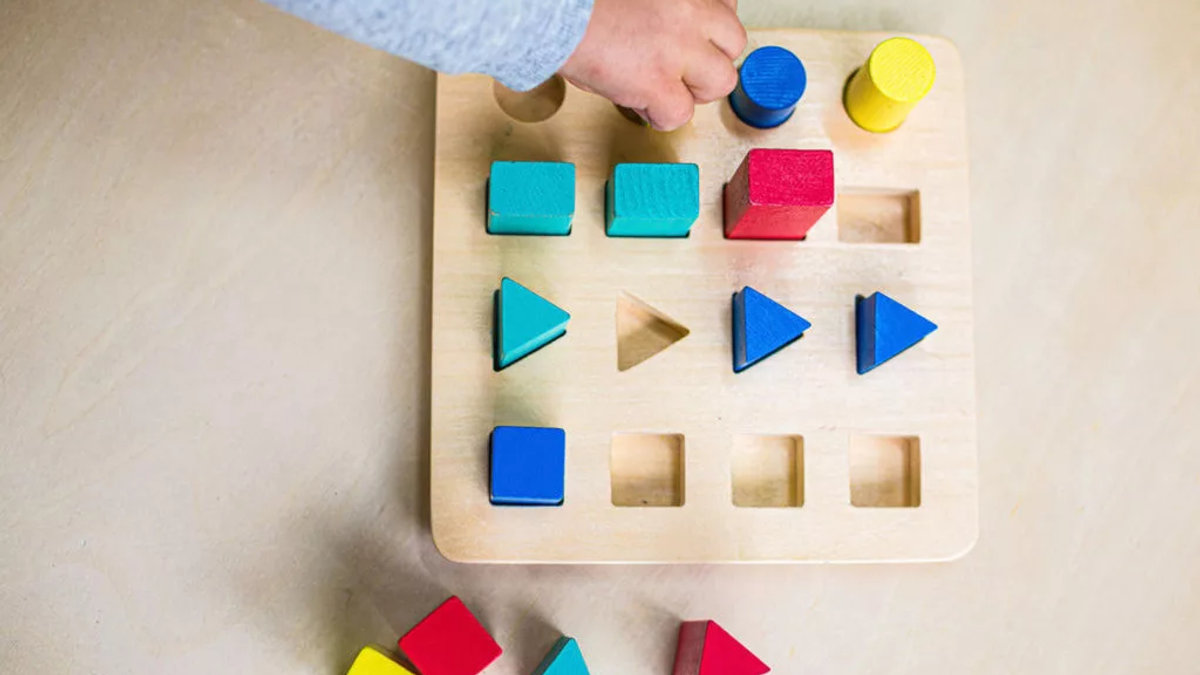
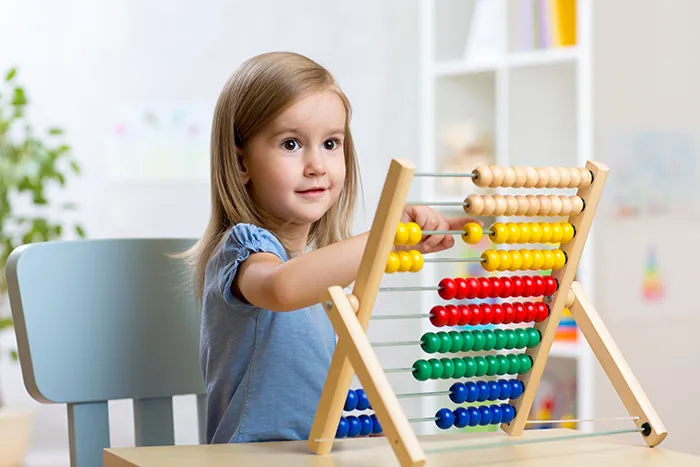
Handling varied textures, pressing, stretching, rolling — these actions all strengthen the small muscles of the hands and fingers. For children who struggle with writing, cutting or buttons, a regular sensory play program is gentle, enjoyable functional rehabilitation built into daily life.
Support for emotional self-regulation
Self-regulation — the ability to manage one's own internal states — develops gradually and requires a well-calibrated nervous system. Sensory toys give the child an external regulation tool they can reach for independently: when frustration rises, they grab their toy instead of bolting from their seat or exploding. With consistent practice, this reflex becomes internalized and the child develops better regulation even without the toy.
Social skills and inclusion
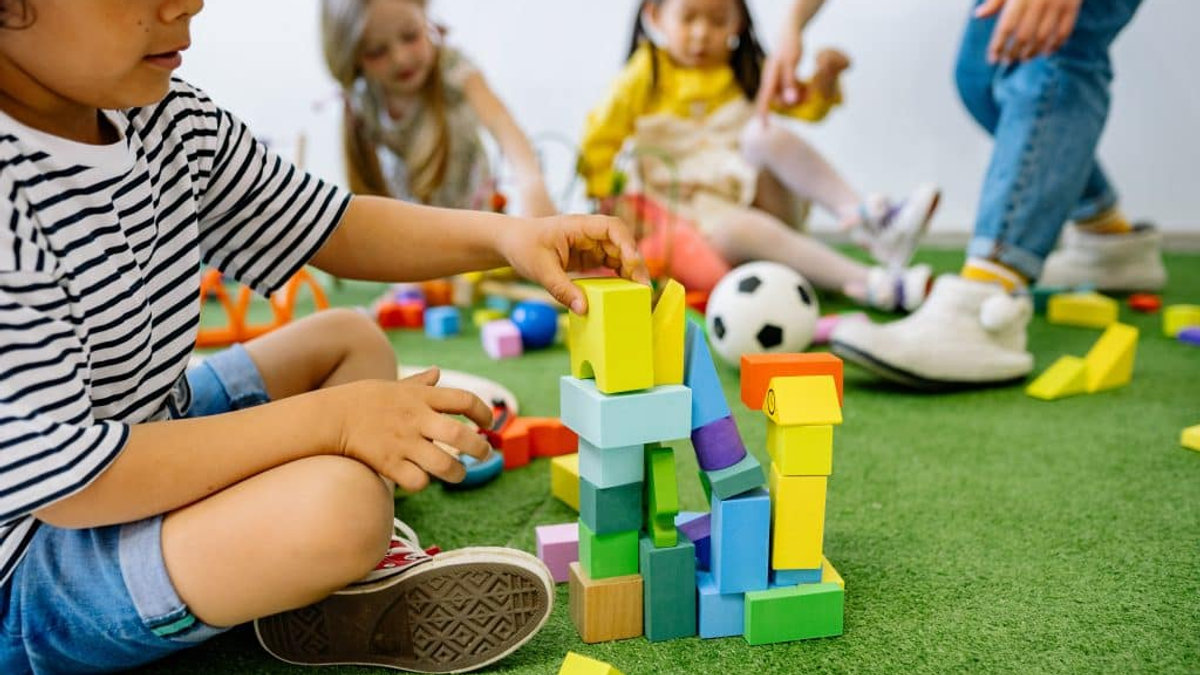
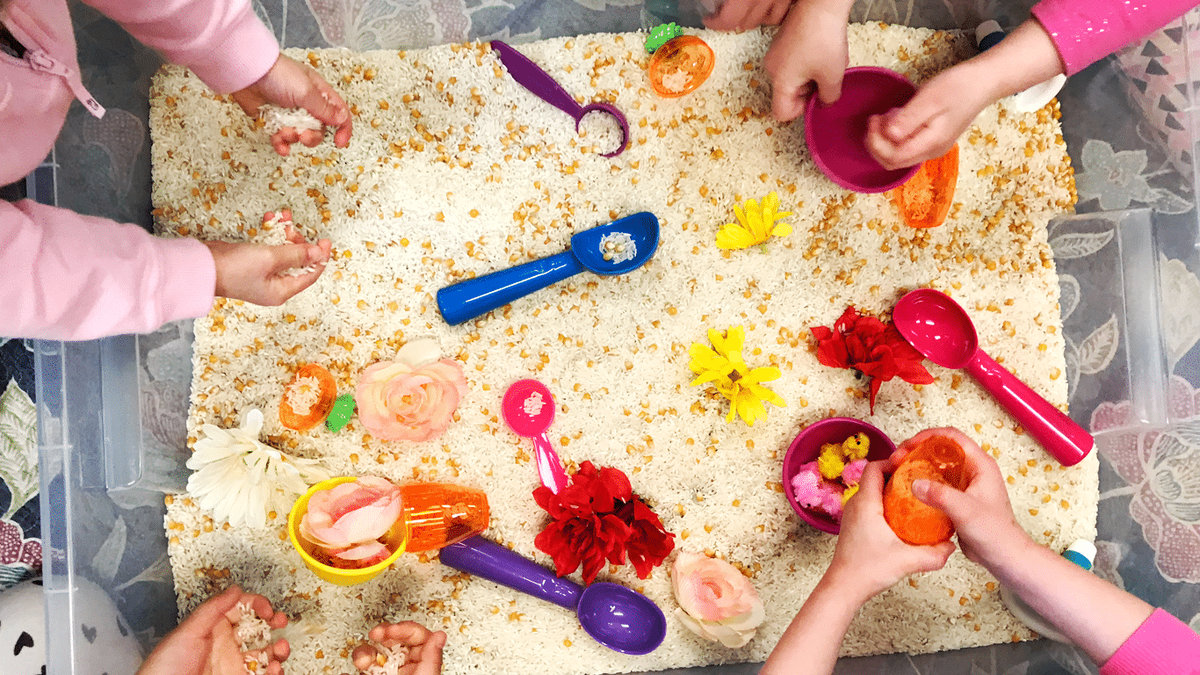
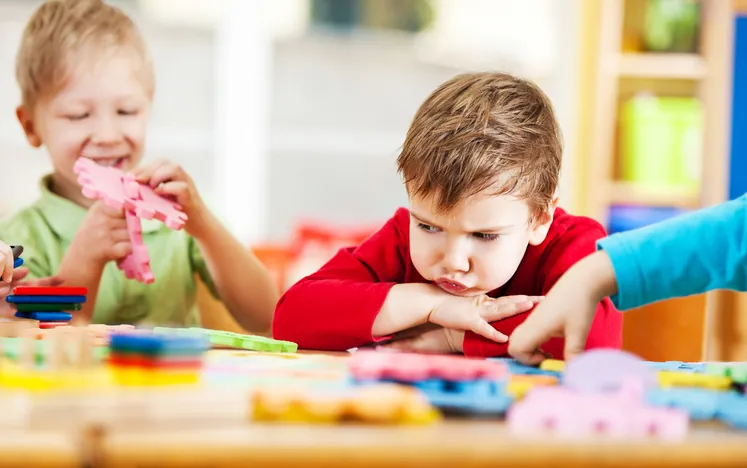
Sensory play is often shared play. Exploring a sensory bin together, taking turns with a fidget or describing what a texture feels like builds communication, sharing and cooperation. Because it adapts easily to different abilities, sensory play also creates a sense of belonging for children of all profiles — and the small successes along the way boost their self-confidence.
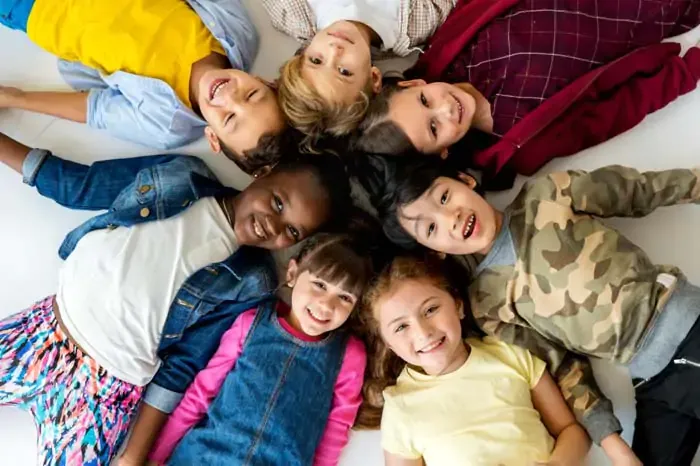
"You can think of sensations as 'food for the brain'; they provide the energy and knowledge needed to direct the body and mind." — Dr. A. Jean Ayres, Sensory Integration and the Child (1979)
Who benefits most from sensory toys?
All children gain something from sensory play, but certain profiles see especially pronounced results.
Children with ADHD
The ADHD brain is constantly seeking novelty and stimulation. A discreet sensory toy at the desk acts as a "pressure valve" that lets the rest of attention lock onto the lesson. Strategies for teachers and parents often recommend integrating sensory tools into the classroom environment, as long as they are chosen carefully and used as tools.
Autistic children
Many children on the autism spectrum experience hyper- or hyposensitivity to certain inputs. Well-chosen sensory toys can:
- Deliver predictable, controlled stimulation that calms sensory overload.
- Fill a stimulation deficit when the environment is too sparse.
- Offer alternatives when a self-stimulatory behavior (stim) is unsafe or very disruptive — without trying to suppress stimming altogether.
Anxious or sensory-sensitive children
Childhood anxiety often shows up as body tension: clenched fists, tight jaw, knotted stomach. A sensory toy gives the body a physical outlet for that tension. For children hypersensitive to noise, wearing noise-cancelling earmuffs in the classroom reduces auditory overload and makes concentration far more achievable.
Children with dyslexia
The link may seem less obvious, but dyslexic children often carry a very high cognitive load during reading. Some find that a discreet sensory toy in the non-dominant hand helps them stay settled during long reading tasks — something to try, although it has not been studied specifically.
Keep in mind: sensory toys are complements, not replacements for professional support. If your child has significant sensory needs, consult an occupational therapist who can build a personalized sensory diet and recommend the right tools.
A map of sensory toy types
The sensory toy market is wide. Here is a breakdown by primary stimulation type to help you navigate it:
| Type | Primary stimulation | Examples | Best for |
|---|---|---|---|
| Squeezing / kneading toys | Proprioceptive + tactile | Therapy putty, stress balls | ADHD, anxiety, fine motor skills |
| Chew toys | Oral / proprioceptive | Extra-tough chewable tool | Autism, ADHD, oral hypersensitivity |
| Rolling / vibrating toys | Proprioceptive + vestibular | Massage rollers and balls | Special needs, autism |
| Discreet fidgets | Tactile + proprioceptive | Fidget pad, Rolliii, spinner ring, cube | ADHD, anxiety, classroom |
| Sensory filters | Auditory / visual | Noise-cancelling earmuffs, tinted glasses | Hypersensitivity, autism |
| Visual toys | Visual + vestibular | Sand Timers, bubble tubes, light-up tops | Anxiety, regulation |
Other families worth knowing: auditory toys (musical instruments, rattles, sound tubes), scented toys that engage the sense of smell, kinetic sand and putty, which combine tactile and visual stimulation, and — for babies and toddlers — safe, edible sensory play under close supervision.
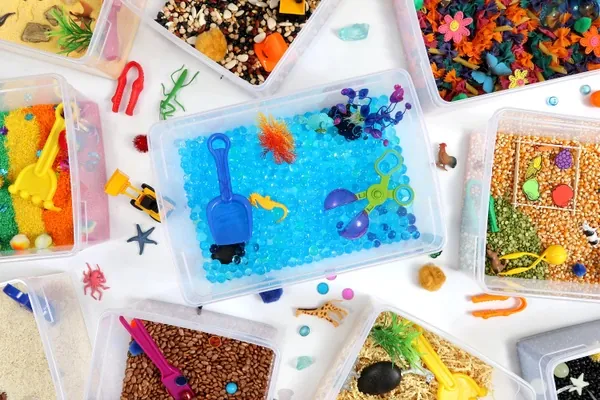
Tip: spend a few days observing your child before buying anything. What kinds of stimulation do they seek out on their own? That is your best compass for picking the right toy.
Sensory toys in the classroom: what actually works
Bringing sensory toys into school settings is one of the most debated — and most productive — conversations in special education today. Here is what field experience and research consistently show.
The classroom sensory box
Many school teams have adopted a classroom sensory box: a low-key bin holding a variety of sensory tools that students can access freely or on request. Teachers who use one often report fewer disruptive behaviors and stronger participation.
Ground rules for classroom use
- Choose quiet toys so neighboring students are not distracted (avoid spring-loaded clickers).
- Frame toys as tools, not rewards — any student who needs one should be able to access one without stigma.
- Set a clear use area or a simple rule ("on the desk, not in the air").
- Observe and adapt: if a toy creates more distraction than it resolves, try a different one.
- Involve the child in choosing their tool — autonomy strengthens buy-in and effectiveness.
What teachers report
Teachers who have integrated sensory toys into their classrooms often tell us they see calmer transitions and better focus in some students with ADHD or anxiety — and many want to expand their toolkit. It is not a passing trend, even if every student responds differently.
Building sensory toys into the daily routine
Consistency is the key. A sensory toy pulled out once a week produces little effect. Built into the routine, it becomes a powerful anchor for the nervous system.
At home: creating a sensory routine
Here is a simple daily sensory routine that can genuinely transform a day for an anxious or ADHD child:
- Morning (5 min before school) — a squeezing toy or putty to activate the proprioceptive system and prime the brain for learning.
- After school (10 min) — free sensory play to decompress and release the tension built up during the day.
- During homework — a discreet fidget in the non-dominant hand to sustain attention.
- Before bed (10 min) — a calming sensory activity (weighted blanket, sensory bath, gentle massage) to support sleep onset.
Building a sensory diet
The concept of a sensory diet, developed by therapist Patricia Wilbarger, involves scheduling sensory activities at regular intervals throughout the day — much like scheduling meals. This regularity keeps the nervous system in an optimal state and heads off meltdowns before they start. An occupational therapist can help you build one that fits your child's specific profile.
For retailers and educators
If you run a toy store, school or service centre, knowing which sensory toys to recommend is a genuine competitive advantage. Robiii offers wholesale orders with delivery across Canada. Our team can help you build a coherent sensory offering for your customers or students.
Safety note: always check that a sensory toy is age-appropriate and contains no small parts for children under 3. Look for compliance with Canadian requirements (Health Canada's Toys Regulations); ASTM F963 or EN 71 test reports are a useful extra.
How to choose the right sensory toy
With so many options on the market, here are the criteria that separate a genuinely useful sensory toy from a gadget that ends up at the bottom of a drawer.
Key selection criteria
- Target the right sensory system — a child who constantly rocks needs vestibular input, not tactile.
- Durability and safety — materials must be non-toxic, BPA-free and built to withstand daily heavy use.
- Appropriate discretion for the context — a perfect home toy may be too noisy or conspicuous for a classroom.
- Resistance level — for putty or squeeze balls, resistance should match the child's strength and age.
- Intrinsic sensory appeal — if the child is not naturally drawn to the toy, they will not use it. Let them try it first.
To go deeper, our article on sensory toys and cognitive skills explores the link between sensory stimulation and brain development. And if your child is on the autism spectrum, see our guide to choosing toys for children with special needs.