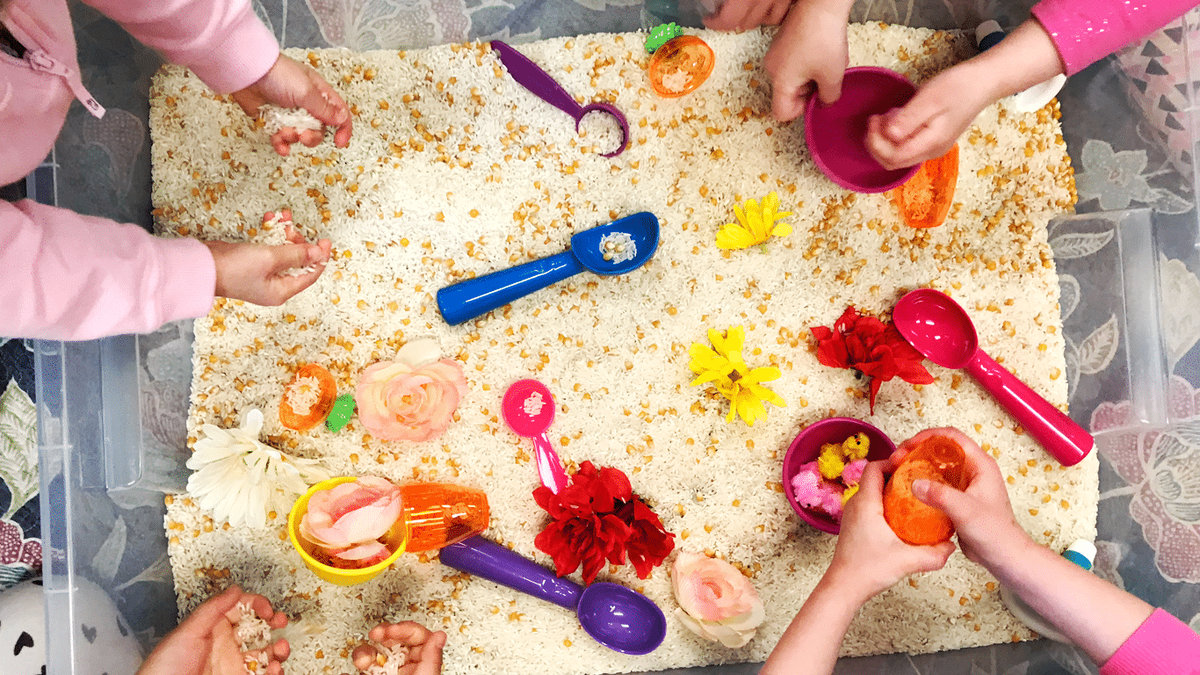
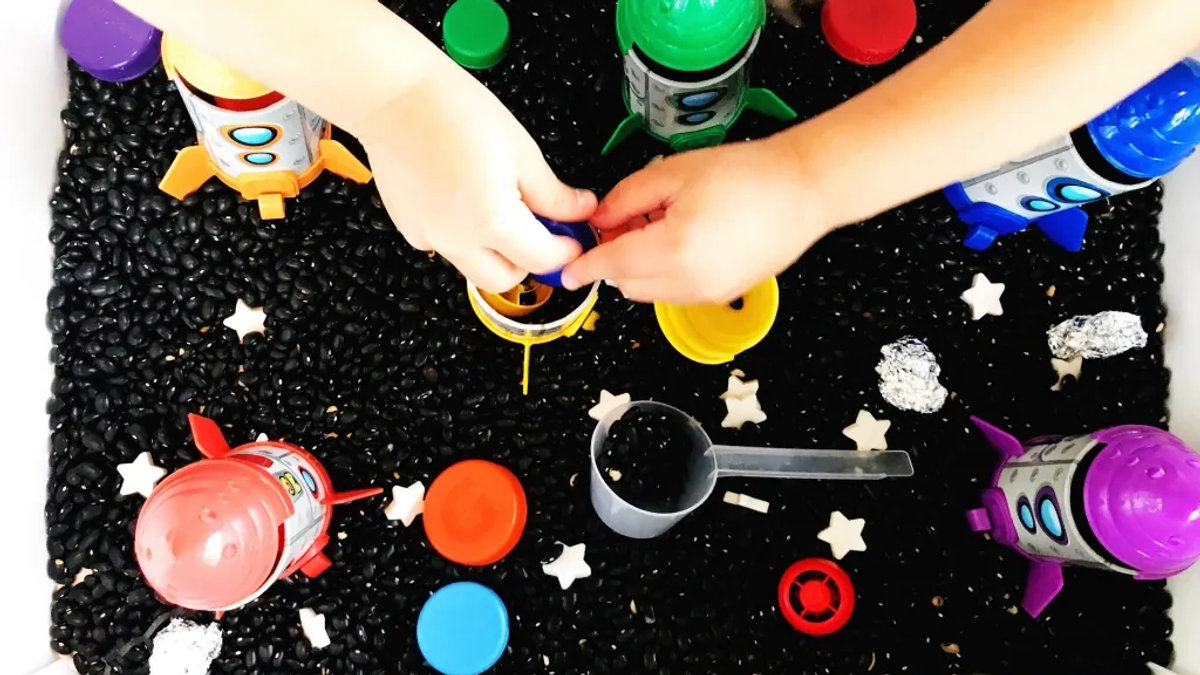
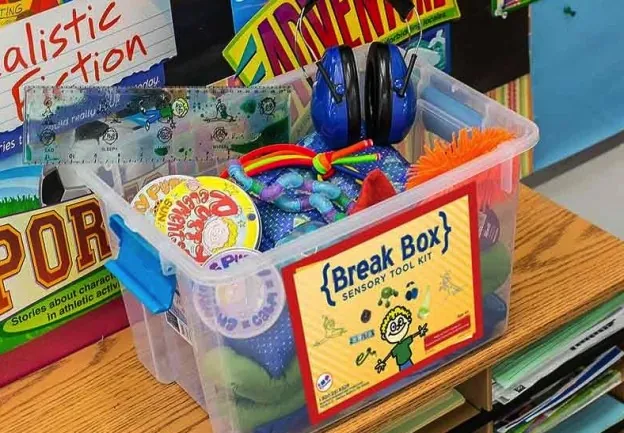
A classroom sensory box is a bin of sensory tools — fidgets, stress balls, therapy putty, noise-cancelling earmuffs — that students can reach for freely to self-regulate without leaving their seat. It benefits everyone, but it is especially transformative for children with ADHD, ASD or anxiety.
In a class of 25 students, there are almost always a few who squirm in their chairs, fiddle with their pencils, stand up for no apparent reason or stare at the wall during explanations. This is not defiance or disinterest — it is a nervous system searching for balance. For these students, learning is a double challenge: understanding the content while simultaneously managing sensory overload or under-stimulation.
That is where the sensory box comes in. A simple, affordable and unobtrusive tool, it gives the whole class access to a small collection of objects that help each student find their equilibrium. Many teachers who try it end up keeping the box on the corner of the desk for good.
What is a classroom sensory box?
A classroom sensory box — sometimes called a "sensory toolkit" or "portable calm corner" — is a container (plastic tub, lidded bin, fabric basket) holding a curated selection of sensory tools chosen for their discretion and versatility. Unlike the "sensory room" found in some specialized schools, the box lives directly in the regular classroom, accessible to every student at any time.
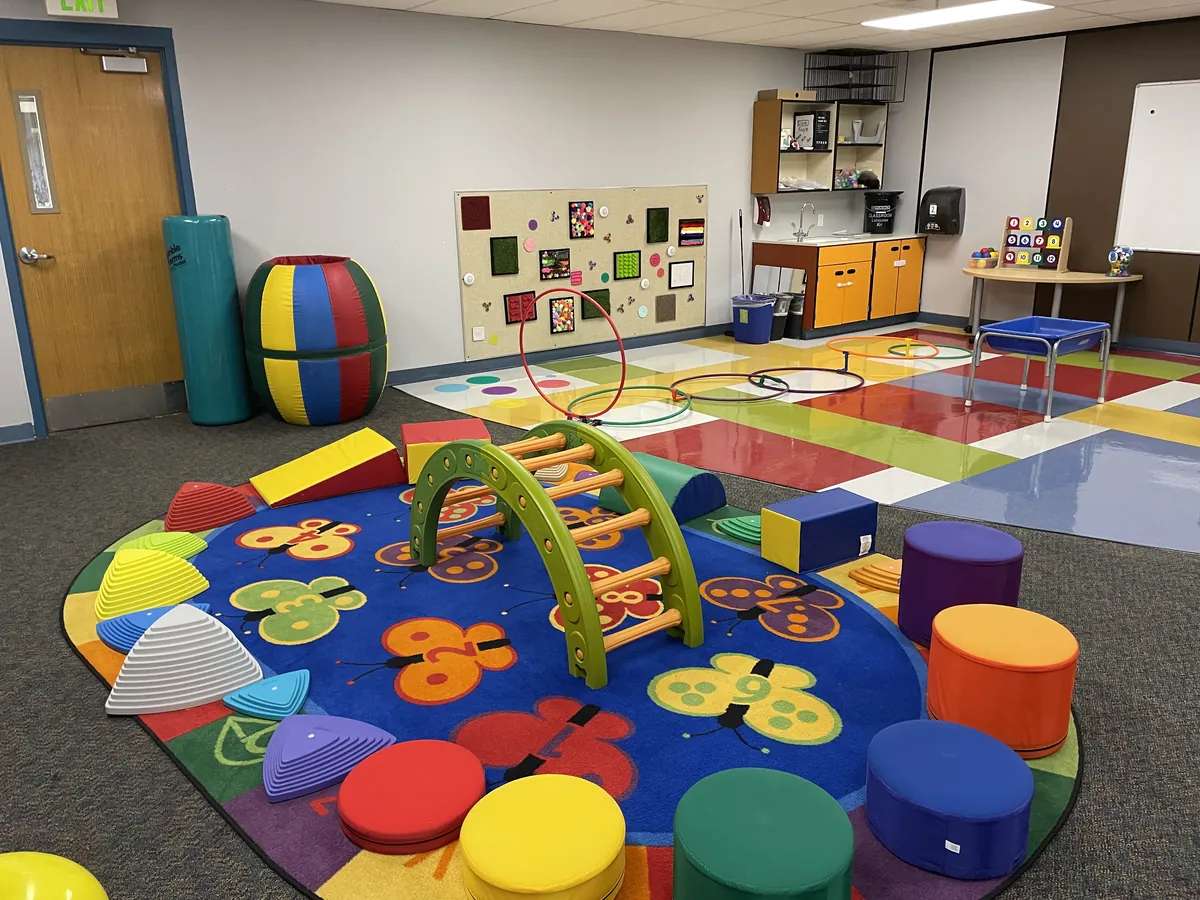
It is not reserved for special-education settings: many standard elementary and secondary classrooms now have one. The core idea is normalization: when every student can reach for it, no one is stigmatized for "going to get their tool."
What you typically find inside
- Assorted fidgets — spinners, fidget cubes, rubber rings, coils, chair resistance bands.
- Stress balls and therapy putty — for squeezing or kneading during moments of tension.
- Chewable tools (chewelry) — for students with a strong oral proprioceptive need.
- Noise-cancelling earmuffs — to filter auditory stimuli during independent work periods.
- Wobble cushions or balance discs — for students who need gentle movement without standing up.
- Mini sand timers — for visual time management during tasks.
Who benefits from a sensory box?
The short answer: almost everyone, to varying degrees. Sensory toys are widely used on the idea that light tactile stimulation can help the nervous system settle into a comfortable level of alertness — the zone where learning is possible — although research on this approach is still developing.
Students with ADHD
For a child with attention-deficit/hyperactivity disorder, the brain needs background stimulation to stay alert and focused. Handling an object in one hand addresses this need without pulling attention away — in fact, some studies suggest that movement can help children with ADHD on working-memory tasks (Sarver et al., 2015), although not every fidget helps. ADHD classroom strategies often include sensory tools among classroom accommodations.
Autistic or hypersensitive students
An autistic child may be overwhelmed by the sounds, lights or textures of a school environment. The sensory box offers outlets: earmuffs filter the sonic environment, squeeze tools absorb tension, fidgets provide calming proprioceptive input. Combined with a sensory diet designed with an occupational therapist, the sensory box becomes a frontline resource.
Anxious or overwhelmed students
Even without a diagnosis, school anxiety is widespread — especially during exams or schedule changes. Having a soft object to manipulate or a ball to squeeze can be enough to dial down the stress response and keep a student in the task rather than freezing up or asking to leave the room.
Research note: a 2015 University of Central Florida study found that boys with ADHD did better on working-memory tasks at the moments they moved more, while typically developing children did not benefit (Sarver et al.). Movement is not a magic fix, though: another classroom study linked fidget spinners to poorer attention (Graziano et al., 2018).
How to build an effective sensory box
Putting together a good sensory box requires neither a large budget nor clinical expertise. Here are the concrete steps to get started on the right foot.
Step 1 — choose the container
Go with something closed but accessible: a storage bin with a lid, a semi-transparent tub or a basket with a flap. Partial transparency lets students see what is available without rummaging through everything.
Step 2 — select the tools
Aim for variety over quantity. A good starting rule: one tool per type of stimulation (tactile, proprioceptive, auditory, visual). For a class of 25 to 30 students, plan for 4 to 6 copies of each type to avoid conflicts.
Step 3 — establish clear rules
- One tool at a time per student.
- The tool stays at the student's desk — it does not travel around the room.
- Tools are taken without disturbing neighbours.
- At the end of class, tools go back clean into the box.
- If a tool makes noise, it is not permitted during direct instruction.
Step 4 — introduce the box to the class
Spend 10 minutes presenting each tool: how it is used, why it helps and who can access it. Normalize the use of tools by saying clearly: "These objects are here to help everyone focus better. Some of you will need them more than others, and that is perfectly fine."
Tip: involve students in choosing the tools. Ask them what they would like in the box. This sense of ownership boosts rule compliance and care for the materials.
Which tools belong in the sensory box?
Here is a reference table to help you build a well-rounded box:
| Tool type | Examples | Target need | Best-fit profile |
|---|---|---|---|
| Hand fidget | Fidget cube, coil, rubber ring | Hand proprioception | ADHD, anxiety |
| Chair band | Resistance band on chair legs | Discreet leg movement | ADHD, hyperactivity |
| Putty or firm slime | Therapy putty in various resistances | Compression, fine motor, calming | ADHD, ASD, anxiety |
| Chewable tool | Chewelry, chewable pendant | Oral proprioception | ASD, ADHD |
| Hearing protection | Lightweight noise-cancelling earmuffs | Auditory stimulus filtering | ASD, hypersensitivity |
| Visual tool | Mini sand timer, calm bottle | Time cue, anxiety reduction | ASD, anxiety |
Addressing common concerns
The idea of bringing a sensory box into a regular classroom sometimes meets resistance. Here are the most frequent objections — and how to answer them with confidence.
"It will distract other students"
This is the most common worry, and it is legitimate. The answer: it all depends on tool selection and rules. A fidget cube handled silently at a desk is invisible to neighbours. However, a falling spinner or a noisy toy does create a problem. The golden rule: no tool should produce sound or movement visible beyond one hand.
"Students will want to play, not work"
In practice, the novelty effect wears off within one to two weeks. After that, students use the tools functionally — to help themselves, not to play. Those who do not need them put them down on their own.
"It is too much management for the teacher"
A well-organized box with clear rules reduces workload rather than increasing it. Many teachers report that interruptions decrease after introducing the box — fewer students getting up, fewer disruptive behaviours, fewer bids for attention. Over time, it is a net gain.
The sensory box does not solve everything, but it removes one layer of friction. Students who have found their tool are simply… more present. — The Robiii team
Integrating the sensory box into classroom routine
The sensory box works best when it fits naturally into how the class operates, rather than being treated as an exceptional measure. Here is how to build that integration.
Anchor the box to predictable moments
Mention the box at the start of periods requiring sustained concentration — "You can grab a tool if you need one" — then let students manage themselves. This consistency normalizes the tool and reduces the stigma attached to using it.
Coordinate with other support staff
If a student has an individualized education plan or occupational therapy follow-up, connect with the team to find out which tools are already recommended in their sensory diet. There is often a useful overlap with the contents of the classroom box.
Refresh and adapt throughout the year
After a few weeks, evaluate: which tools get the most use? Which ones sit at the bottom of the box? Involve students in this reflection. A box that evolves stays relevant and engaging throughout the school year.
Tie the box to your lesson themes
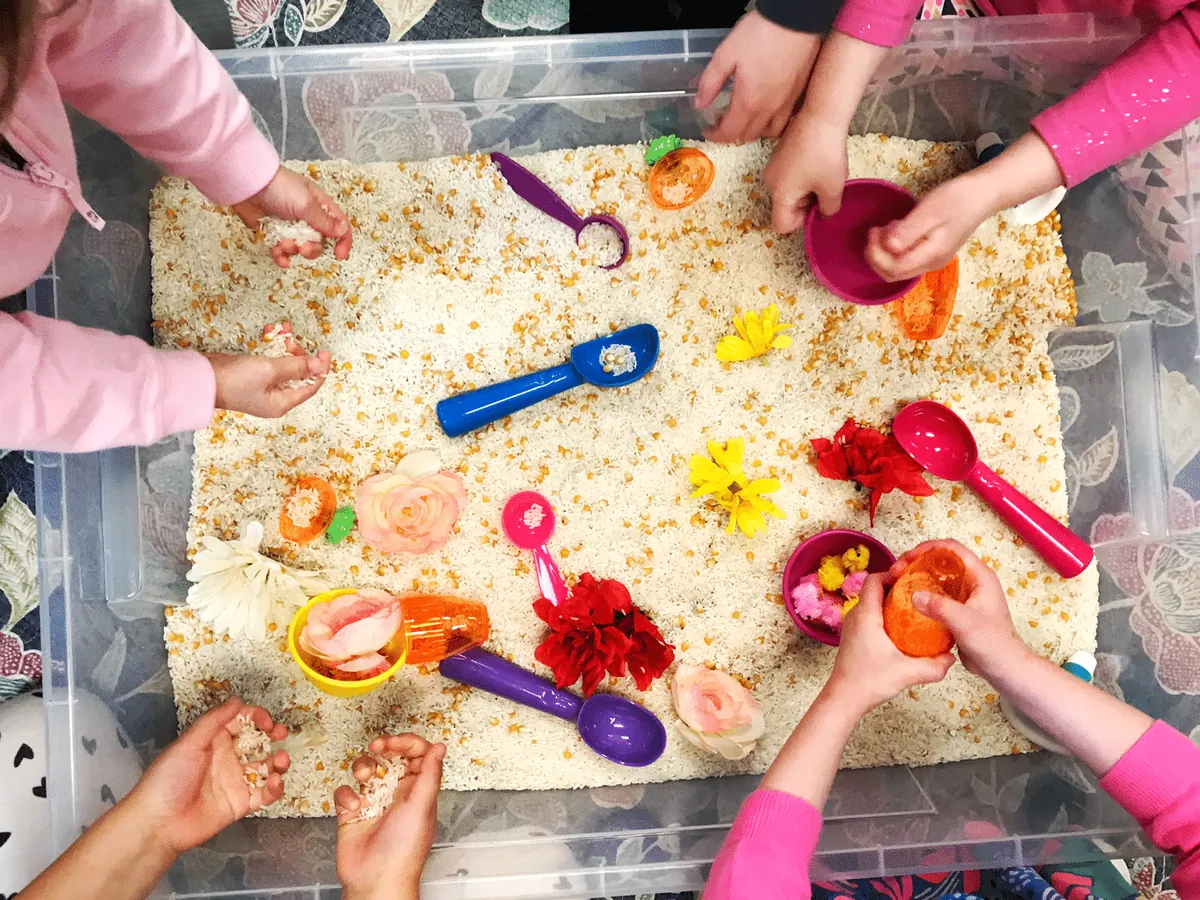
The sensory box can also become a teaching tool. For a unit on the beach, add sand, seashells and a recording of ocean waves; for a science unit, textured rocks or seeds to sort. Kinesthetic and tactile learners retain information better when they can handle it, and open-ended materials such as coloured sand or modelling clay let every student mould, shape and experiment — creativity and problem-solving included. Older students benefit too, especially as a calming tool during exam periods.
For schools that want to equip several classrooms at once, bulk purchasing of educational tools significantly reduces the unit cost compared to retail.
Budget and sourcing
A good sensory box does not require a specialized-school budget. With smart planning, a classroom can be equipped for a reasonable amount that stretches over several years, since most tools last a long time.
Estimating the budget
Here is a realistic estimate for a first box serving a class of 25 to 30 students:
- 6 assorted hand fidgets: approximately $12 to $18
- 4 chair bands: approximately $8 to $12
- 4 units of therapy putty: approximately $16 to $24
- 3 to 4 noise-cancelling earmuffs: approximately $30 to $50
- 3 chewable tools: approximately $12 to $18
- 2 mini sand timers: approximately $6 to $10
- Box or container: $5 to $15
Estimated total: $90 to $150 for a complete first kit. In subsequent years, you only replace worn or lost items.
Buying wholesale
If your school wants to equip several classrooms at once, buying wholesale from a specialized supplier like Robiii significantly lowers the cost per unit. Feel free to contact us for institutional orders — we offer preferential rates for schools and school boards.
Good news: some school boards in Quebec and Ontario have dedicated budgets for inclusive education materials. Check with your administration whether funding is available — the sensory box often qualifies for this type of grant.