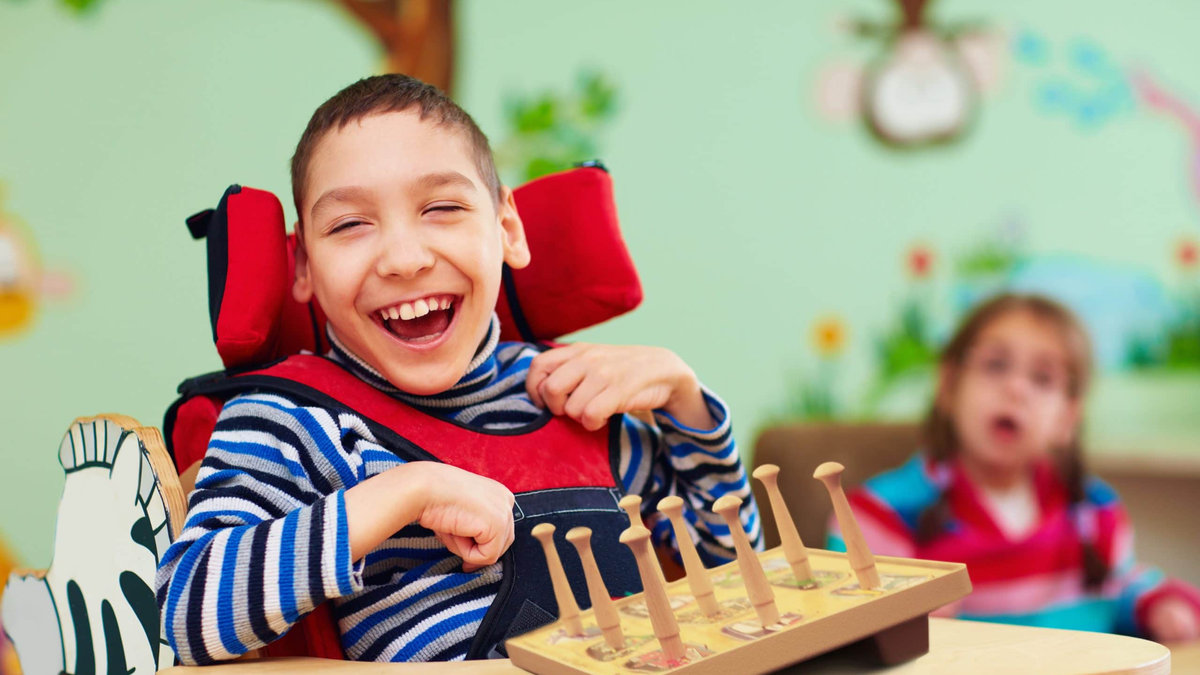
Toys for children with special needs are not therapeutic gadgets reserved for clinics — they are everyday tools that help autistic, ADHD, anxious or dyslexic children self-regulate, focus and learn. The right toy, at the right moment, can turn a hard day into a successful one.
Every child is different — that is a reality parents and educators live with every day. But when a child has a neurodevelopmental condition such as ADHD, autism, anxiety or dyslexia, finding the right tools to support their development can feel daunting. Adapted toys play a central role in that support: they offer space for regulation, targeted stimulation and genuine enjoyment, with no pressure to perform.
At Robiii, we have spent years working with parents, teachers and therapists to offer toys for children with special needs that address real, everyday challenges. This guide will help you understand the different types of toys available, identify your child's needs and make confident choices — whether for home, the classroom or a therapy setting.
Understanding your child's sensory and cognitive needs
Before choosing a toy, it is essential to understand what need it is meant to address. Children with special needs can have very different sensory profiles: some are hypersensitive (they react strongly to sounds, lights or textures), while others are hyposensitive (they actively seek intense stimulation to feel their body).
The sensory profile: an essential starting point
An occupational therapist or sensory integration specialist can establish your child's sensory profile — but even without a formal assessment, daily observation reveals a great deal. Does your child:
- Bite, chew or suck on objects? → oral sensory need
- Rock, spin or climb constantly? → vestibular and proprioceptive need
- Avoid touch or, on the contrary, seek deep pressure? → specific tactile profile
- Cover their ears around ordinary sounds? → auditory hypersensitivity
- Struggle to stay seated, squirm or constantly fiddle with an object? → movement and proprioceptive stimulation need
These observations point directly to the type of toy to prioritize. A child who chews everything needs a safe chewable tool, not a fidget cube. A child whose hands always need to move during schoolwork will find a pencil fidget like the Rolliii far more useful than a building set.
Cognitive and emotional needs
Beyond sensory needs, children with special needs may have specific difficulties related to attention, emotional regulation or working memory. An ADHD child who cannot focus in class needs a tool that quietly keeps their hands busy — not a noisy toy that distracts their classmates. An anxious child who melts down at any change in routine needs calming, predictable objects.
Good to know: there is no one-size-fits-all toy for "children with special needs." Two autistic children may have completely opposite sensory profiles. Always observe the child with the toy before deciding whether it is right for them — or not.
Toys for autistic children: predictable, reassuring stimulation
About 1 in 50 Canadian children and youth aged 1 to 17 has been diagnosed with autism, according to the Public Health Agency of Canada (2019 data). Autistic children often need predictability, repetition and controlled sensory input. Play should be a safe zone, not a zone of surprise.
What tends to work well
- Simple cause-and-effect toys: press = light or sound. Predictability reassures and motivates repetition, which is a natural learning mode for many autistic children.
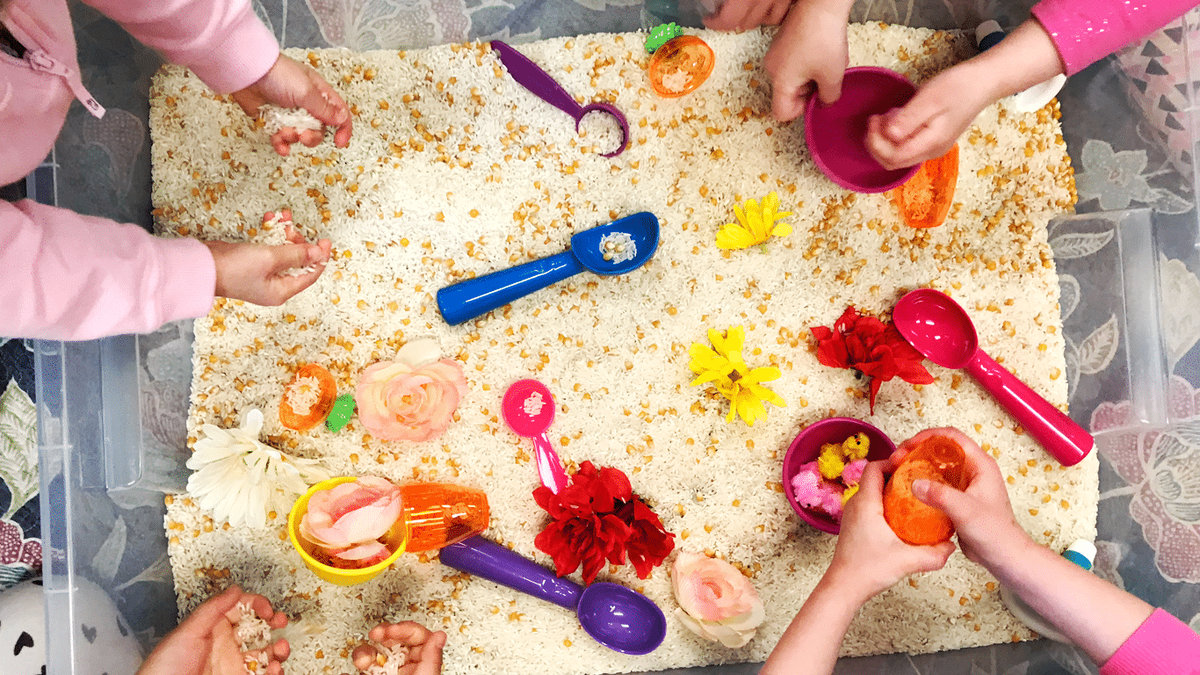
- Tactile stimulation objects: textured balls, putty, slime, kinetic sand. These materials provide intense, repetitive proprioceptive input without visual or auditory overload.
- Spinning toys: tops, rollers, propellers. Many autistic children are fascinated by circular movement — this is a legitimate self-regulation behaviour, not a problem to fix.
- Chewable tools: made from food-grade silicone, they meet the oral sensory need safely and protect clothing and hands.
What to approach with caution
Toys with intense flashing lights, loud or unpredictable sounds, or games with complex rules can trigger sensory overload. Always introduce a new toy in a calm environment and give the child time to explore it at their own pace.
The toy does not teach the autistic child how to play "correctly" — it gives them a space to explore, feel and communicate in their own way. — The Robiii team
Fidget toys and focus tools for ADHD
Attention-deficit/hyperactivity disorder (ADHD) affects an estimated 5 to 9% of children (CADDAC). These children have brains that constantly seek novelty and stimulation — not a flaw, but a neurological difference that can be channelled with the right tools.
How fidgets work
A fidget toy keeps the hands busy with a simple, repetitive activity, which can help some children stay with the primary task. The idea draws on research showing that movement and attention are linked in ADHD: in a 2016 study in Child Neuropsychology (Hartanto et al.), children with ADHD performed better on an attention task on the trials where they moved more intensely — something not seen in children without ADHD. Fidget toys themselves have been studied less, with mixed results.
The fidgets best suited to a school setting are:
- The fidget cube: six faces, six different actions (click, slide, spin, roll). Discreet in a closed hand.
- The fidget or spinner ring: worn on a finger, invisible under the desk, ideal for older children and teens.
- Therapy putty: stretch it, roll it, resist it — hand proprioception that eases the need to move without any visual distraction for a neighbour.
- Textured stress ball: simple, effective, keeps fingers moving without creating a visual distraction across the table.
Tip: before introducing a fidget in the classroom, discuss it with the teacher. A clear rule ("the ball stays under the desk and makes no noise") increases buy-in from the whole class and reduces conflict between students.
For a deeper dive, read our article on how fidget toys help people with ADHD focus and our curated list of the best fidget toys.
Calming toys for anxiety and emotional regulation
Childhood anxiety is often underestimated, yet it is one of the most common mental health conditions in children: in the U.S., about 1 in 10 children aged 3 to 17 has a current anxiety diagnosis (CDC). Some children with special needs — particularly those with ASD or ADHD — experience significant comorbid anxiety. Toys can play a leading role in emotional regulation.
Compression and weighted toys
Many children find deep pressure calming (research on weighted products for children is still mixed). Squeeze balls, weighted blankets and weighted stuffed animals allow children to self-soothe when emotions run high.
Visual and mindfulness toys
Calm-down bottles (containers filled with water and glitter), coloured sand timers and bubble tubes capture visual attention and encourage slow, steady breathing. These objects are popular in calm-down corners at school or at home.
| Toy type | Need addressed | Best suited for |
|---|---|---|
| Therapy putty | Hand proprioception | ADHD, anxiety, autism |
| Textured ball | Tactile input + compression | Autism, tactile hypersensitivity |
| Chewable tool | Oral sensory need | Autism, anxiety, ages 0–12 |
| Fidget cube / ring | Discreet motor fidgeting | ADHD, anxiety |
| Giant sand timer | Visual time management | ADHD, autism, age 3+ |
| Rolliii (pencil fidget) | Moving the hands without leaving the task | ADHD, anxiety, autism |
| Noise-cancelling earmuffs | Hearing protection | Auditory hypersensitivity, autism |
Learning aids for dyslexia and academic challenges
Estimates of dyslexia range from about 5–10% to 15–20% of students, depending on the definition (Dyslexia Canada). It is not only about reading — it also affects working memory, organization and phonological awareness. Adapted educational toys and tools can make a genuine difference in the school experience of these children.
Reading and visual tracking tools
Coloured reading rulers help the child follow lines without losing their place. Some children also find the tint more comfortable, although color itself has not been shown to improve reading in dyslexia. Highlighters in different colours, textured magnetic letters and phonological awareness games (rhymes, syllables) are excellent companions to these tools.
Hands-on games to anchor learning
Alongside explicit phonics instruction, many dyslexic children benefit from multisensory, hands-on activities. Wooden alphabets with different textures (sandpaper letters, raised surfaces), syllable cubes and sound-matching games allow grapheme-phoneme correspondences to be anchored in a sensory and memorable way.
Important reminder: learning aids do not replace speech-language therapy. They complement it. If you suspect dyslexia, a professional assessment remains the priority. These tools are everyday allies, not a treatment.
How to choose the right toy: practical criteria
Faced with a crowded market, here is a straightforward method for choosing the right toys for children with special needs:
1. Start from the need, not the toy
First identify the behaviour or difficulty you want to support: emotional regulation, concentration, sensory stimulation, motor development. Then look for a toy that meets that specific need — not the most popular item on social media.
2. Check safety
- In Canada, toys must meet Health Canada's Toys Regulations (guide); ASTM F963 (U.S.) or EN 71 / CE (Europe) test reports are useful supporting evidence.
- For children who chew, make sure the material is food-grade silicone, BPA-free and phthalate-free.
- Check for the absence of small detachable parts if the child is under 3 or puts objects in their mouth.
3. Test before investing
When possible, let the child explore the toy during free play before you buy it. Clinics, schools and some toy libraries offer loan programs that let you validate fit before purchase.
4. Observe and adjust
A toy that works at age 4 may no longer be appropriate at age 7. Needs evolve with development. Revisit your child's sensory toolkit regularly and remove what no longer serves them, so they are not distracted by irrelevant objects.
5. Leave room for play that is just for fun
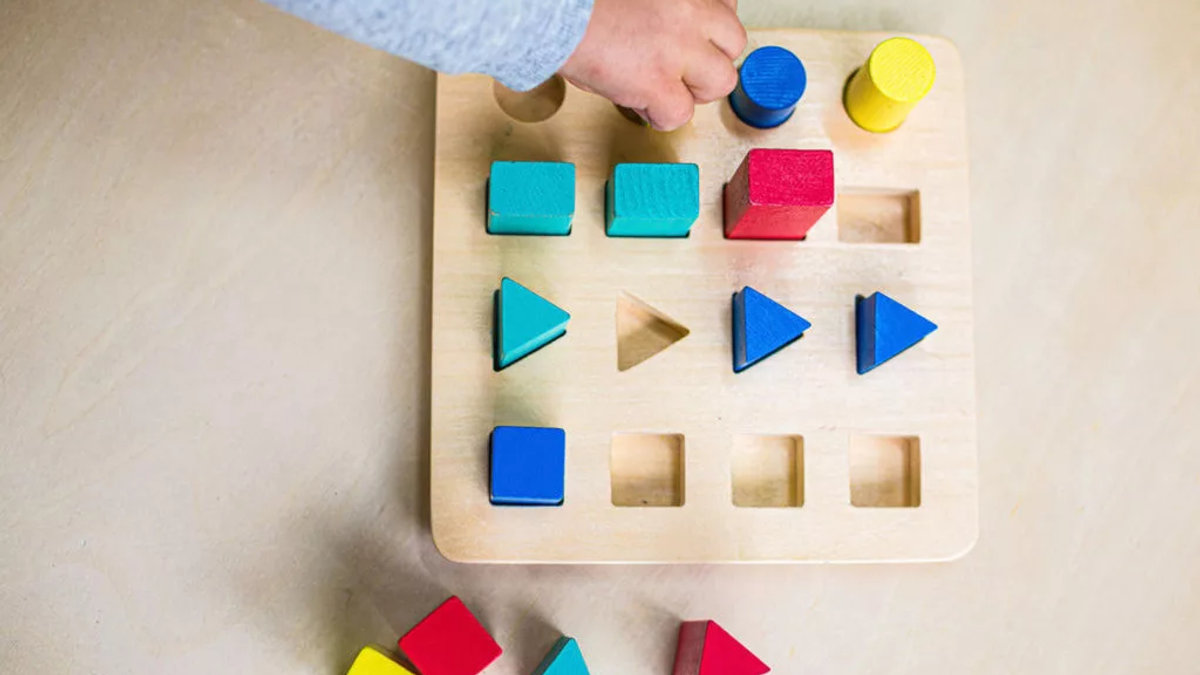
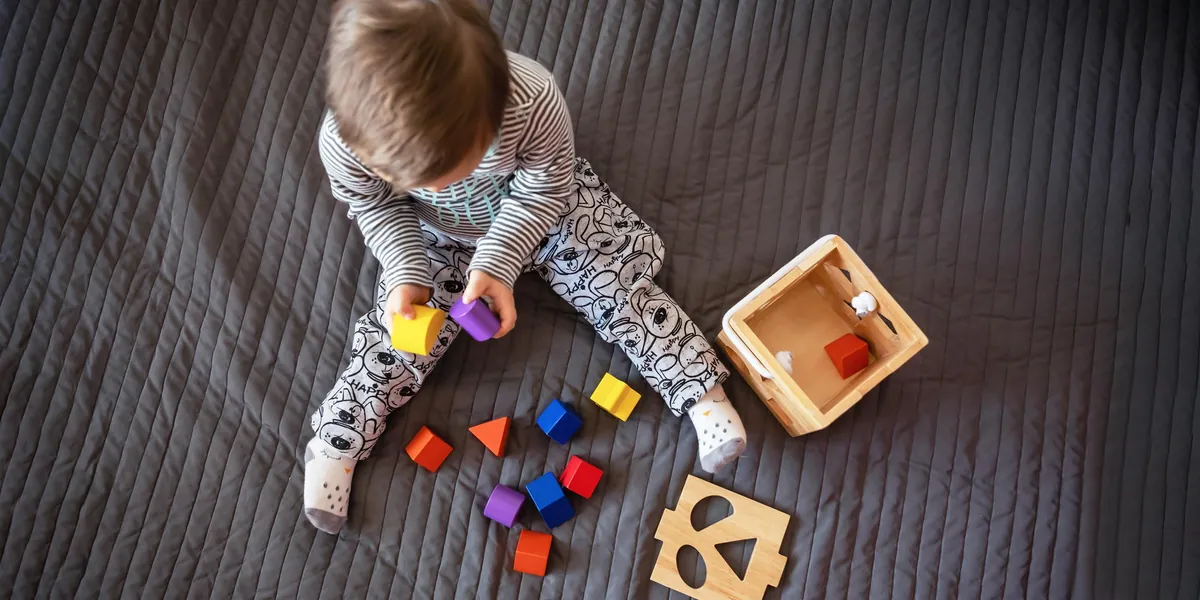
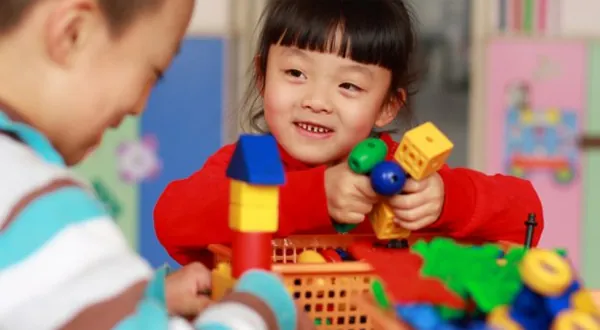
Not every toy needs a therapeutic goal. Classic toys still earn their place: building blocks and puzzles for hand-eye coordination and problem-solving, musical toys for creative self-expression, dolls and stuffed animals for comfort and imaginative play, board games for practising social skills with others, and playhouses for inventing stories and characters. Playtime should also be a time to relax and simply have fun.
For a broad overview of wholesale educational options for schools, see our guide to learning aids and teaching toys. And for a structured approach to daily sensory regulation, our article on creating a sensory diet for your child gives you a practical framework to implement today.
The role of family and school in making toys work
An adapted toy only delivers results when it is embedded in a consistent context. Collaboration between parents and teachers is often the key to its success.
At home: building a routine around the toy
Introducing the toy at specific moments in the day — before homework, after school, at bedtime — gives it a stable function and place. The child knows it is accessible, which reduces anticipatory anxiety. A sensory box at home, reachable but stored in a fixed spot, is an excellent starting point.
In the classroom: communication and fairness
When a student uses a fidget or a sensory tool in class, classmates often ask questions. The teacher can use this as an opportunity to discuss neurodiversity, equity and different needs — without ever identifying the student in question. Classrooms that normalize these tools often see a calmer atmosphere, because several undiagnosed students also benefit from access to these resources.
When we adapt the environment to the child rather than demanding the child adapt to the environment, everyone wins — the student who needs it, and their classmates who benefit from a calmer, more inclusive classroom. — The Robiii team
For school-specific strategies, our article on ADHD strategies for teachers and parents offers concrete, evidence-based approaches. And for families raising an autistic child, the article on parenting a child with autism provides practical guidance for daily life.