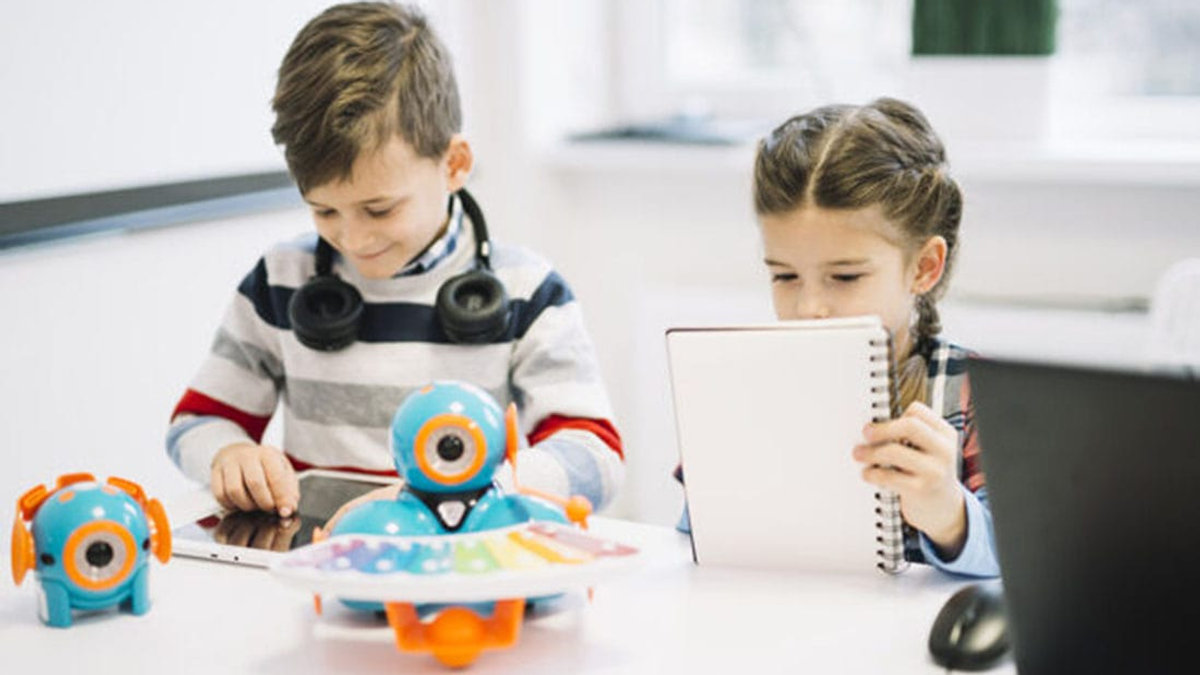
Educational toys in the classroom are not gimmicks — they are recognized pedagogical tools that turn abstract lessons into hands-on experiences. They sharpen focus, reduce anxiety and foster cooperation, benefiting every student, especially those who learn differently.
We have all seen it: a student staring out the window, another drumming on the desk, a third who cannot seem to start the assignment. These behaviors rarely signal laziness or defiance. More often, they signal a mismatch between how the lesson is taught and how the child learns best. That is where educational toys in the classroom make a quiet, powerful difference.
From kindergarten to high school, weaving purposeful toys and hands-on materials into daily routines improves not just motivation but measurable outcomes. Research on hands-on learning points the same way: children often understand best what they have first handled. Here is how to put that insight to work in your classroom.
Why educational toys belong in the classroom
Resistance to play in school settings is understandable — teachers worry about noise, distraction and loss of control. But the evidence points the other way. Research reviews — including a 2022 University of Cambridge meta-analysis described below — find that well-designed play-based learning supports academic skills rather than getting in their way.
The reason is neurological. When a child manipulates an object, multiple brain regions activate simultaneously — motor, sensory and cognitive areas working in concert. That multisensory activation builds stronger, more lasting connections. A student who handles geometric shapes grasps spatial reasoning long before they can define it in writing.
Active versus passive learning
Traditional instruction relies on one-way transmission: the teacher explains, the student listens. Active learning — made possible through games and manipulatives — reverses that logic. Students experiment, make mistakes and adjust. That trial-and-error cycle is the natural engine of cognitive development, as both Jean Piaget and Lev Vygotsky described over a century ago. Their frameworks remain the backbone of modern play-based pedagogy.
Students with special needs benefit even more
For a neurotypical learner, play speeds up learning. For a student with ADHD, autism or anxiety, it can be the prerequisite for learning at all. A discreet fidget lets a hyperactive child channel energy without disrupting the class; a sensory manipulative helps an autistic student stay grounded in the present moment. Our guide to sensory boxes in the classroom covers this in depth.
The main categories of educational toys for the classroom
Not every toy marketed as "educational" is equally useful in a school setting. Here are the most effective families of classroom tools, organized by primary objective:
| Category | Examples | Skills targeted |
|---|---|---|
| Math manipulatives | Unifix cubes, monkey balance, fraction tiles | Number sense, operations, spatial reasoning |
| Language tools | Magnetic letters, sound cards, rhyme games | Reading, phonological awareness, spelling |
| Sensory toys | Fidgets, putty, sand timer, sensory box | Self-regulation, focus, calming |
| Cooperative games | Collaborative puzzles, structured role-play | Communication, empathy, problem-solving |
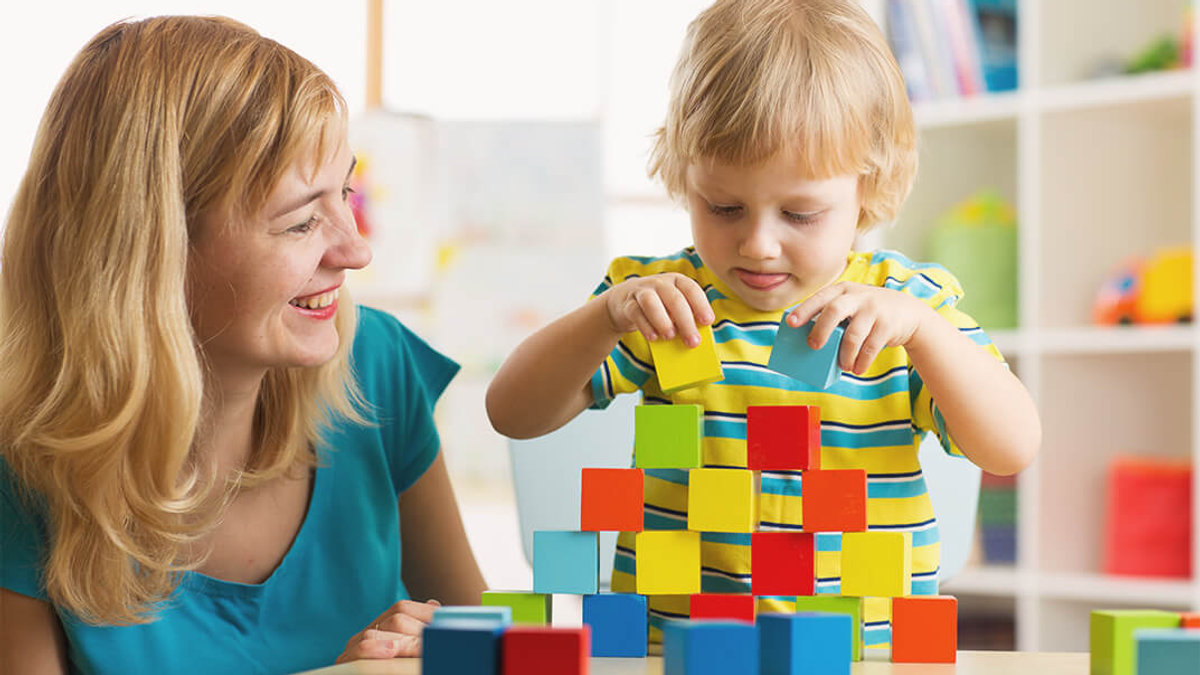
| Logic games | Tangrams, building blocks, strategy games | Reasoning, spatial thinking, creativity |
Good to know: many tools serve multiple purposes at once. A monkey balance teaches math and builds fine motor skills and trains patience. That versatility is what makes it a smart purchase for classrooms working with a limited budget.
The concrete benefits for students and teachers
Beyond theory, what do educational toys actually change day to day? Here are the effects teachers most often look for when they bring them in.
Sharper focus
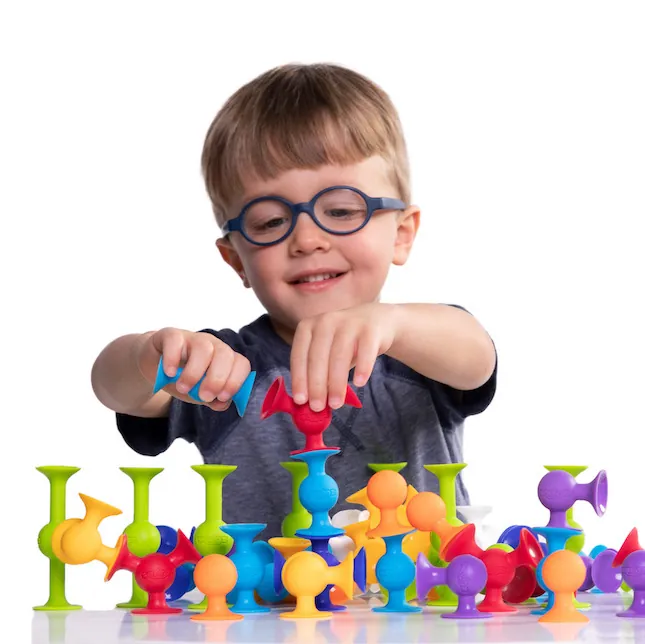
Fidget tools — textured rings, stress cubes, fidget pads — let restless students keep their hands busy without mentally leaving the lesson. Some studies suggest that movement can help children with ADHD perform better on attention and memory tasks, although results vary with the tool used. Our article on how fidget toys help the ADHD brain focus unpacks the science behind this.
Greater motivation
Play triggers dopamine — the brain's reward and pleasure neurotransmitter. When a child associates learning with enjoyment, they develop a positive disposition toward school that compounds over time. Boredom, by contrast, breeds avoidance, and avoidance breeds gaps that become harder to close each year.
Better stress management
Anxious or sensory-sensitive students benefit enormously from soft manipulatives and tactile activities. For many of them, squeezing a pliable object or spinning a fidget ring is a simple way to settle down. That physiological shift creates the conditions for learning — because a brain under chronic stress cannot retain new information effectively.
Natural inclusion
When an entire class uses varied tools — fidgets, manipulatives, cooperative games — the student who needs them for medical reasons is no longer singled out. The educational toy becomes the norm, not the exception. This is one of the strongest arguments for systemic adoption rather than individual accommodation.
Play is not a break from learning — it is its most effective mode. — The Robiii team
How to integrate educational toys into your classroom routine
The key is not to flood the room with toys but to embed them intentionally in existing structures. Here is a practical, progressive approach.
Step 1: start with transition moments
Transitions — after recess, between subjects, on arrival in the morning — are the most difficult moments for students who struggle with self-regulation. Offering fidgets or a sensory tray during these windows gives every child a tool to recenter before formal work resumes. No instruction needed: the materials do the work.
Step 2: embed manipulatives in lessons
For math, replace abstract drills with concrete activities: count with cubes, weigh with a balance, measure with real rulers. For literacy, use magnetic letters or syllable cards. The material does not replace the lesson — it makes it accessible to students who are not yet ready to grasp it in the abstract.
Step 3: create a calm or sensory corner
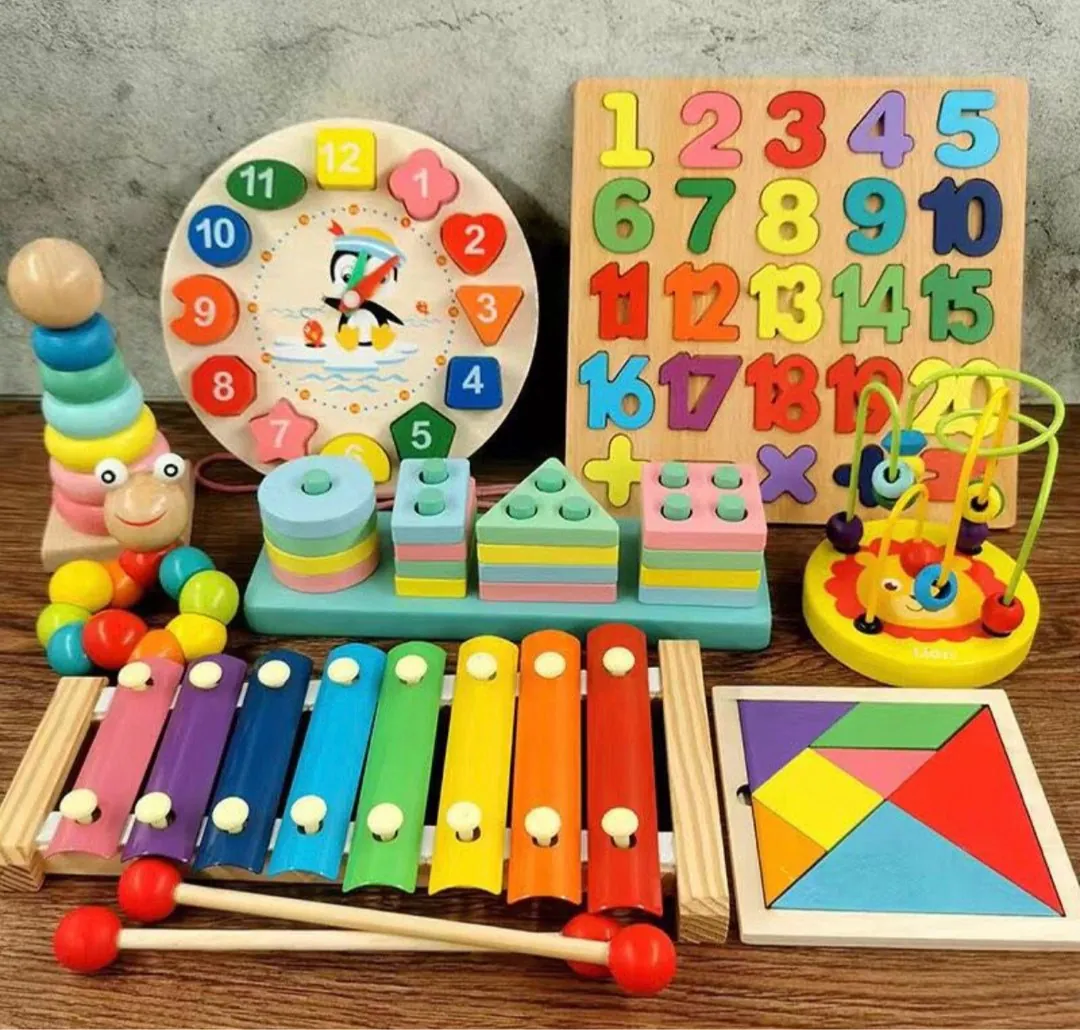
A corner of the classroom equipped with a sensory box, a floor cushion and a few calming toys gives overwhelmed students a sanctioned place to self-regulate before returning to the group. Framed positively — not as a punishment but as a tool — it teaches students to recognize their own needs and respond to them independently.
- Choose 3 to 5 tools suited to your student group: fidgets, math manipulatives, a cooperative game.
- Set clear rules upfront: when, how and why each tool is used.
- Model their use yourself — demonstrate during whole-class instruction.
- Observe and adjust: some students will respond better to one type of tool than another.
- Involve students in choosing tools — that sense of agency increases buy-in and responsibility.
- Set up learning stations: group tools by subject in labeled bins so students can explore them independently, at their own pace.
- Debrief after each activity: take a few minutes for students to share what they noticed and discovered — reflection turns play into lasting understanding.
Educational toys by school level
Needs evolve with age. A toy that is perfect for kindergarten will feel babyish — and be ineffective — by Grade 5. Here is how to match tools to developmental stages.
Kindergarten and Grade 1 (ages 3–6)
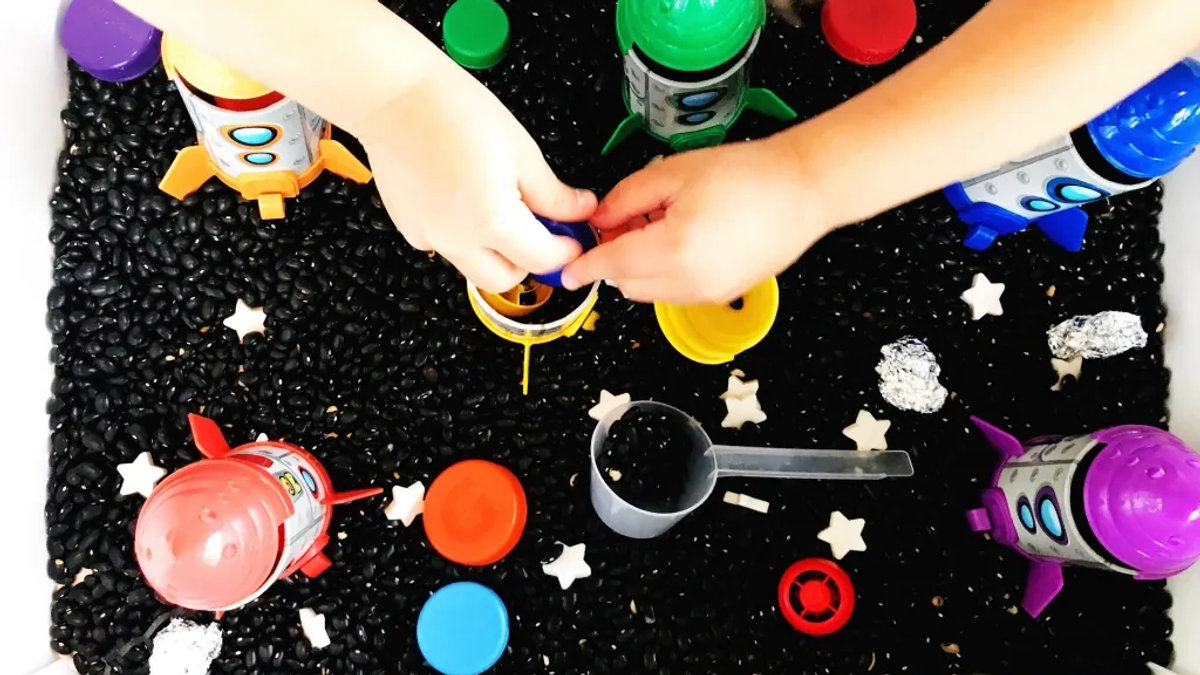
At this age, symbolic and sensory play dominates. Building blocks, sensory bins (sand, water, dried beans), large-piece puzzles and matching games are the pillars of a well-equipped early childhood classroom. The emphasis is on alternating guided and free exploration — children this age learn most when they drive the inquiry.
Elementary school (ages 6–12)
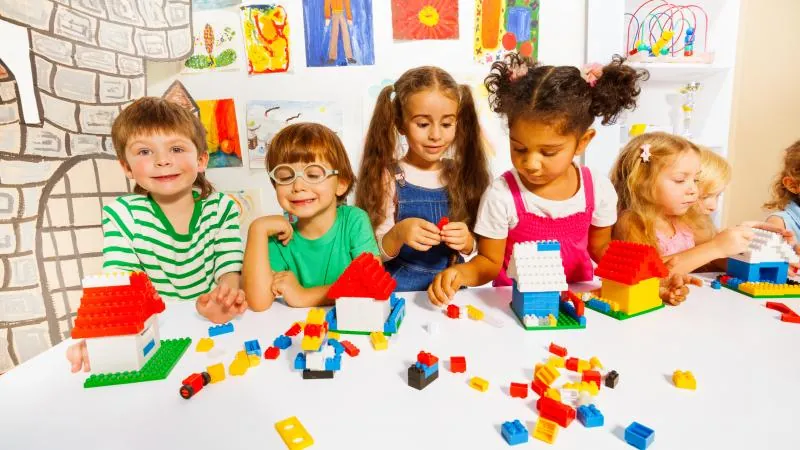
Math manipulatives (Unifix cubes, Cuisenaire rods, tangrams), phonics games and early strategy games come into play. Discreet fidgets become valuable for students who struggle to stay seated. Cooperative games build social skills and teamwork — cross-curricular competencies that pay dividends well beyond the classroom.
Secondary school (ages 12–17)
Teenagers benefit from simulation games, structured debates and discreet sensory tools (fidget rings, therapy putty). Logic puzzles and complex strategy games sharpen critical thinking and long-range planning. The key at this level is framing: the tool must feel useful and age-appropriate, not infantilizing. Calling a fidget an "attention aid" rather than a toy makes a real difference in adolescent buy-in.
Pro tip: with older students, name tools by their function rather than their look. "Focus tool" lands better than "toy" in a secondary classroom — a small vocabulary shift that makes a big difference in adoption.
How to choose and purchase quality teaching materials
Not everything labeled "educational" lives up to the name. Before buying, evaluate these criteria:
- Safety: check compliance with Health Canada's Toys Regulations and recognized standards (ASTM F963, CE). Avoid small parts for kindergarten classrooms.
- Durability: in a classroom, a toy passes through dozens of hands. Choose robust materials — solid wood, thick ABS plastic, food-grade silicone for chew tools.
- Versatility: favor tools that serve multiple subjects or multiple grade levels. A versatile investment pays for itself quickly.
- Accessibility: ensure the toy works for students with limited mobility or fine motor challenges.
- Pedagogical relevance: the tool should support a clear, identifiable learning goal — not just keep kids occupied.
For schools looking to equip multiple classrooms affordably, wholesale purchasing is the practical answer. Our complete guide to learning aids and teaching toys in bulk compares the options available to Canadian educators and school boards.
What research says about educational toys in the classroom
The research on this topic keeps growing. Here are some key reference points:
- A 2022 University of Cambridge meta-analysis found that guided play — play with a learning goal and light adult support — had a greater positive effect than direct instruction on some early maths skills, shape knowledge and task switching (Skene et al., Child Development).
- In a classic study of 70 preschoolers, cooperative games increased cooperative behaviour and reduced aggression — and the effect carried over into free play (Bay-Hinitz et al., 1994).
- Quebec's preschool program (Programme-cycle de l'éducation préscolaire), in place in all schools since fall 2021, makes play the first orientation of learning in 4- and 5-year-old kindergarten (Government of Quebec).
- A 2013 meta-analysis of 55 studies in the Journal of Educational Psychology found small-to-moderate gains when math is taught with concrete manipulatives rather than abstract symbols alone, with results depending on how the materials are used (Carbonneau, Marley & Selig).
These findings confirm what many educators sense intuitively: when students engage actively, they learn more and behave better. The best toys for school are not the most expensive or the most technological — they are the ones that invite action and reflection at the same time.
For a deeper look at the evidence base behind play in schools, our article on the success of toys in the classroom synthesizes the key research findings for educators who want a solid rationale to bring to administrators or parents.