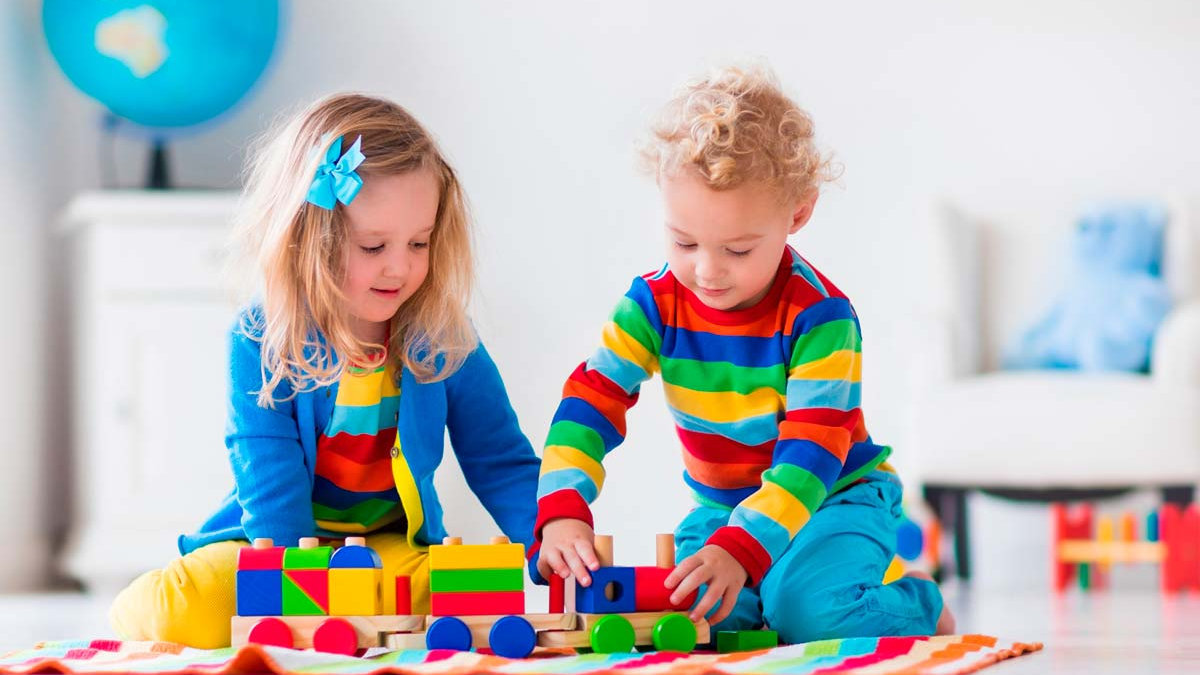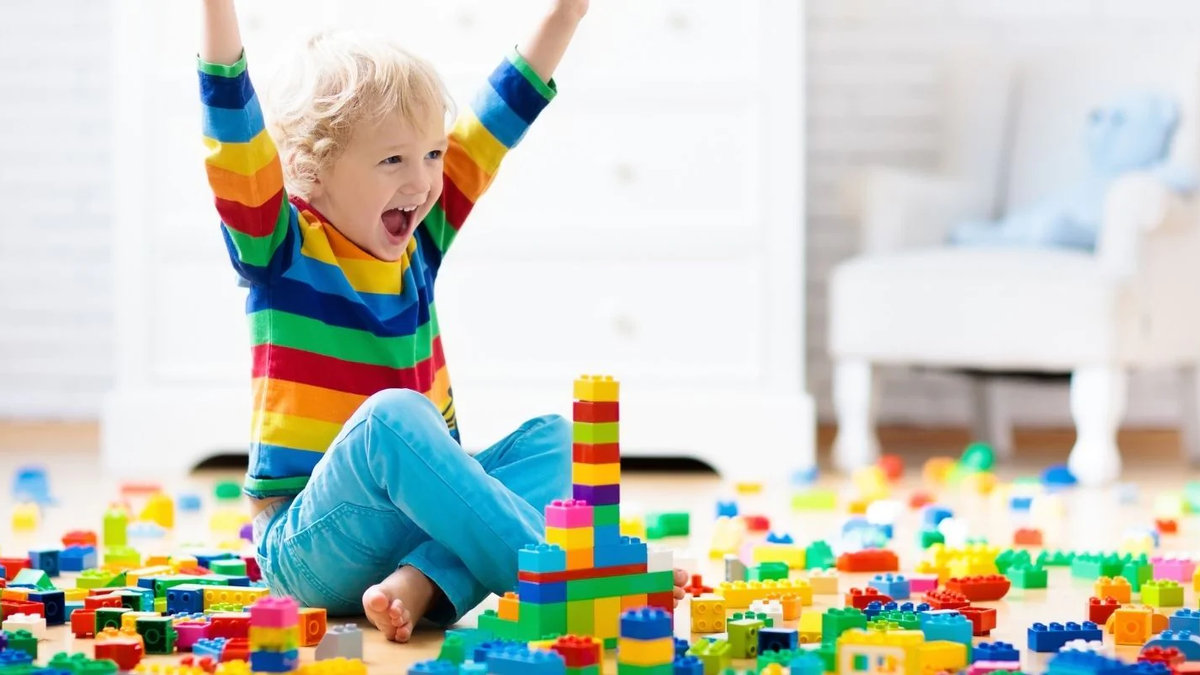
The best educational toys blend fun and learning: they build motor skills, logic, language or emotional regulation without the child ever feeling like they are "working." Our list of 15 must-haves covers every age and every profile — including children with ADHD, autism spectrum disorder or anxiety.
Picking an educational toy is not about buying a disguised workbook. A great educational toy has to be appealing first — the child has to want to come back to it, over and over, without being asked. That is the only condition under which play becomes a genuine engine of learning: curiosity sustains attention, attention feeds understanding, and understanding builds confidence.
At Robiii, we have worked with parents, teachers and therapists for years. We have put together our pick of the 15 best educational toys, organized by skill type, with practical advice on how to use each one. Whether your child is neurotypical, has ADHD, is autistic, or simply loves a good challenge, there is something on this list for them.
What makes a great educational toy?
Before diving in, it helps to spell out what separates a genuinely excellent educational toy from a gimmick that ends up in the donation bin. Here are the five criteria we apply consistently at Robiii:
- Sustained independent play: does the child return to it on their own, without a reminder? If so, that is a very good sign.
- A clear, measurable skill target: fine motor control, language, logic, emotional regulation — the toy should have a purpose.
- Adaptability: can it grow with the child, or work at multiple difficulty levels?
- Material safety: BPA-free, phthalate-free, compliant with Health Canada's Toys Regulations (many products are also tested to ASTM F963).
- Accessibility for diverse needs: does it also work for children with ADHD, autism or anxiety?
Good to know: an educational toy does not need to be expensive to be effective. Developmental psychologists generally agree that educational value comes from the richness of the interaction, not the price tag or the technology inside.
Toys for fine motor skills
Fine motor control — the precise coordination of small hand movements — underpins writing, drawing and everyday independence (buttons, shoelaces, cutlery). It develops most rapidly between ages 2 and 7, though some children, particularly those with ADHD or ASD, benefit from extended support well beyond that window.
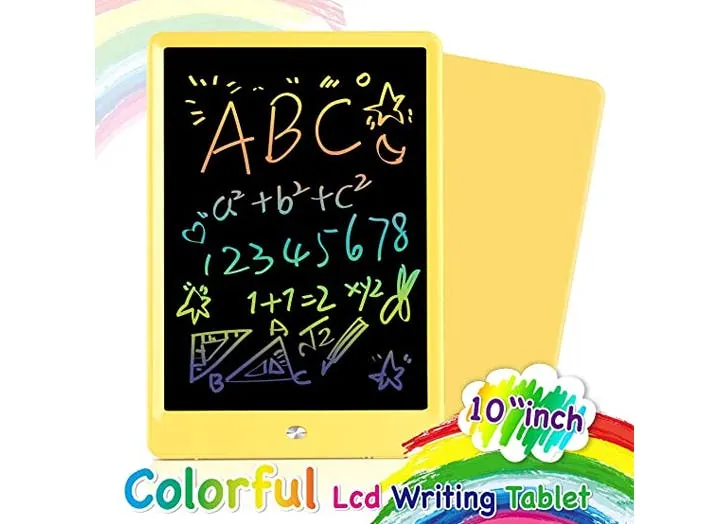
Popular pick — Orsen 10-inch LCD writing tablet (ages 2 to 10): a pressure-sensitive colour doodle board that draws bold, mess-free lines of varying thickness — perfect for practising letters or simply drawing.
1. Therapy putty
Therapeutic moulding putty comes in different resistance levels — from extra-soft to extra-firm — to match the child's age and hand strength. Squeezing, stretching, pinching, rolling: every movement engages the intrinsic muscles of the hand. On top of strengthening pencil grip, many children find putty calming, which makes it a good fit for those who struggle to settle. See our complete therapy putty guide to pick the right resistance.
2. Bead threading sets
Threading beads onto a lace or wire demands remarkable visual-motor precision. For toddlers (ages 2–3), go with large wooden beads on stiff laces; for ages 5 and up, smaller beads on flexible wire. As a bonus, the activity sparks creativity and introduces early sequencing and pattern concepts.
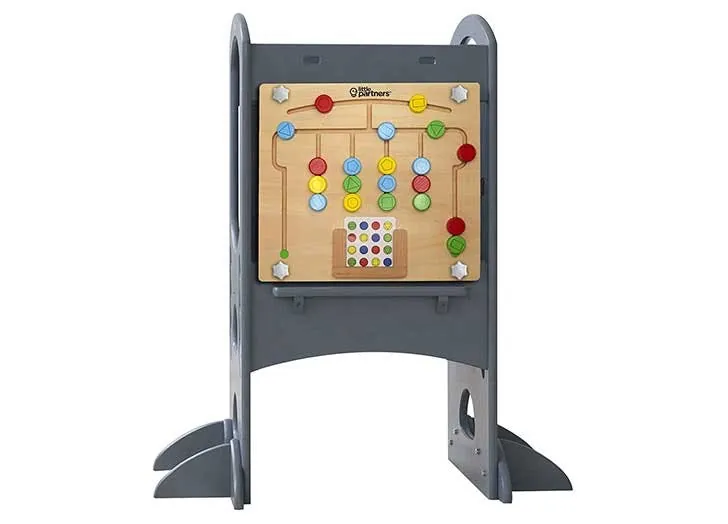
Popular pick — Little Partners Learning Tower and Learning Board (18 months+): the wooden tower lets toddlers join in safely at counter height, and the attached activity board with 20 sequence cards works on colour and shape recognition and hand-eye coordination. Non-toxic finish.
3. Magnetic building tiles
Magnetic tiles (squares, triangles, pentagons) develop fine motor skills, spatial thinking and geometry fundamentals all at once. Children start by building towers, then houses, then increasingly complex shapes. The instant reward — the pieces snap together like magic — keeps motivation high session after session.
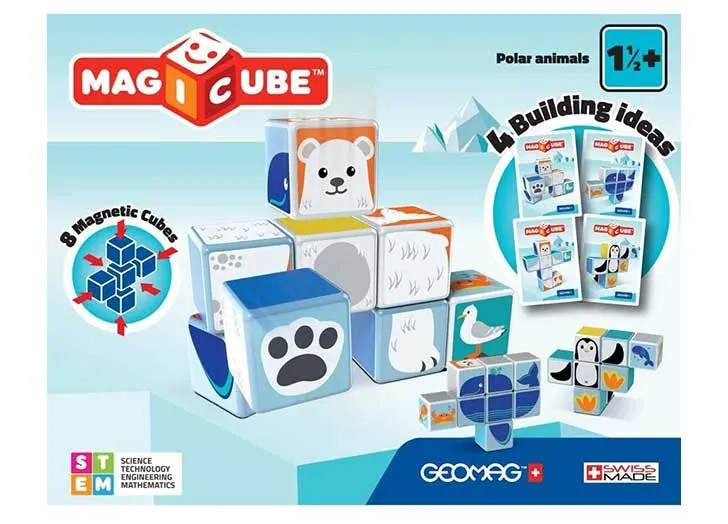
Popular pick — Geomag Magicube Polar Animals (18 months+): eight magnetic cubes and task cards with building ideas. Because the cubes snap together, toddlers can stack without the frustration of towers that won't stay put — an early taste of engineering.
Toys for logic and mathematics
Contrary to common belief, the foundations of mathematical thinking form well before school — and play can be a powerful driver. In a well-known study, preschoolers from low-income families who played a simple numbered board game for about an hour in total improved on several number skills, and the gains were still there nine weeks later (Ramani & Siegler, 2008).
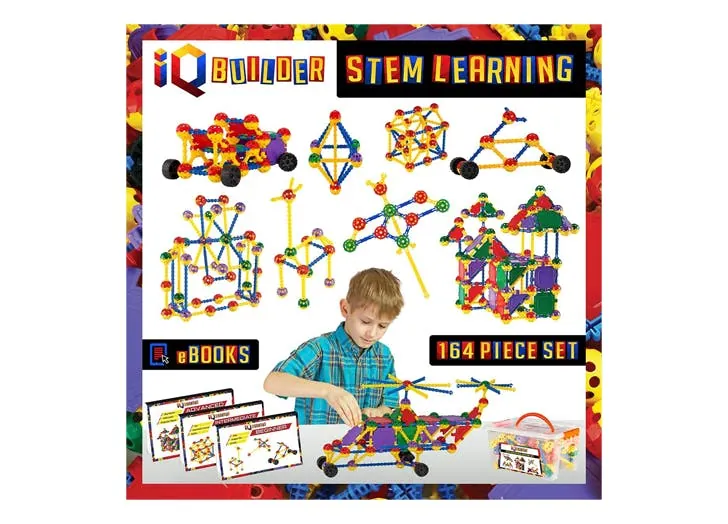
Popular pick — IQ Builder STEM construction set (ages 3 to 10): bendable rods and connectors that small hands can join easily, plus e-books full of engineering ideas. It trains creativity, problem-solving and fine motor skills at the same time.
4. The Monkey Balance
This monkey-shaped balance lets children weigh number pieces and little monkeys against each other. The child grasps the concept of equality (3 + 2 = 5), inequality and comparison in a fully hands-on way, long before writing a single digit. In the classroom it is a standout tool for teaching addition. Check our Monkey Balance instructions to get the most out of it.
5. Progressive puzzles
A well-chosen puzzle builds perseverance, problem-solving and shape recognition. Start with 24-piece puzzles for ages 3–4, move to 100 pieces around ages 6–7, and reach for 500 pieces at age 10 and up. The golden rule: the challenge should be within reach — difficult but not discouraging.
Popular pick — Melissa & Doug Solar System Floor Puzzle (48 pieces, ages 3 to 6): sturdy cardboard pieces and a great visual for a first astronomy lesson. Jigsaw puzzles work memory and visual reasoning at the same time.
6. Math card games
Fraction comparisons, mental arithmetic sprints, logic sequences — a well-designed educational card game can turn the dinner table into a relaxed learning zone. Games like "24" or math-based Rummy variants can help build calculation fluency with regular play.
Tip: for children who resist math, always start with the game and never name the educational goal out loud. When a child is absorbed and happy, learning happens most naturally.
Toys for language and reading
Language develops through social interaction, storytelling and pretend play. But certain educational toys can accelerate that process remarkably — especially for children with dyslexia or language delays.
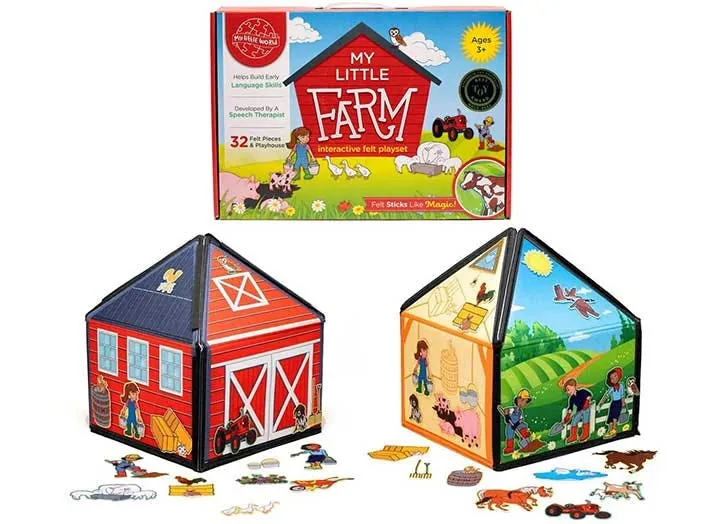
Popular pick — My Little Farm SmartFelt playset (ages 3+): created by a speech-language pathologist, this reversible 3D felt farm comes with 32 matching felt pieces chosen to teach numbers, colours, shapes, sizes and key early vocabulary.
7. Magnetic letters
A magnetic board with foam or plastic letters is one of the best educational investments you can make. Children handle the letters, name them, combine them and build their first words. The tactile dimension reinforces shape memory — which is especially valuable for children with dyslexia. Read our article on reading aids for dyslexic children for more tools.
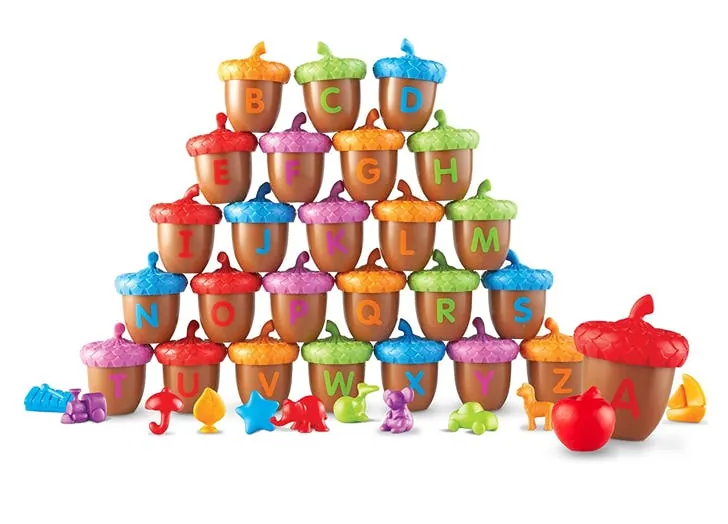
Popular pick — Learning Resources Alphabet Acorns (ages 2 to 5): each acorn has a removable cap hiding a small figure, so children learn letters, sounds and words through tactile and visual play — on their own or with a parent.
8. Rhyming matching games
Phonological awareness — the ability to hear and manipulate the sounds of language — is one of the strongest early predictors of reading success. Simple rhyme games (matching cards, sound memory) build this skill playfully from ages 3–4, well before formal reading instruction begins.
9. Interactive books and vocabulary puzzles
Touch-and-feel books, lift-the-flap books and sound books enrich vocabulary and world knowledge naturally. Pair them with vocabulary puzzles (animals, everyday objects) to consolidate what the child has learned. The image–word–sound association is especially powerful for visual and kinesthetic learners.
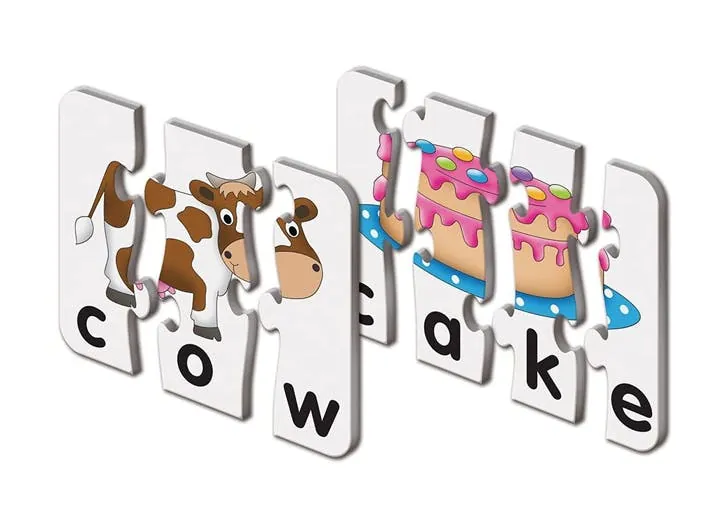
Popular pick — The Learning Journey Match It! spelling puzzles (ages 2 to 5): self-correcting three- and four-piece word puzzles with large, easy-to-handle pieces and bold pictures that build early literacy and confidence.
Sensory toys and emotional regulation
The ability to manage emotions — emotional self-regulation — develops gradually between ages 2 and 10. For children with ADHD, autism or anxiety, this process is often rockier and calls for active support. Sensory toys play a key role: they offer a safe outlet for agitation and can help children return to a calm baseline.
10. Discreet fidgets
A well-chosen fidget — a spinning ring, a stress cube, an elastic band under the desk — lets a restless child maintain attention in class without disrupting others. Some research suggests that movement can help children with ADHD stay on task (Sarver et al., 2015), although results vary with the tool and the child. Browse our selection of the best fidget toys for the right fit.
11. The Rolliii — our pencil fidget
The Rolliii is Robiii's pencil fidget: a small metal ring that slides onto a pencil and spins silently between the fingers. It keeps the hands busy without pulling them away from the task, which makes it a discreet self-regulation tool for homework, reading or class. Anxious children can also reach for it when stress peaks. Learn more about the Rolliii and its benefits.
12. Modelling clay and kinetic sand
Squishing, sculpting, flattening — these activities are deeply regulating. Proprioception (the sense of where one's body is in space) is engaged by the resistance of the material, helping sensory-seeking children "land" in their bodies. Kinetic sand has an added advantage: its slow, even flow is almost hypnotic, and many children find it soothing.
| Toy | Primary skill | Recommended age | Who benefits most |
|---|---|---|---|
| Therapy putty | Fine motor, regulation | 3 yrs + | All, ADHD, ASD |
| Bead threading | Fine motor, focus | 2 yrs + | All |
| Magnetic tiles | Logic, spatial, creativity | 3 yrs + | All |
| Monkey Balance | Math, logic | 3 yrs + | All, dyscalculia |
| Progressive puzzles | Logic, perseverance | 3–12 yrs | All |
| Math card games | Arithmetic, strategy | 6 yrs + | All |
| Magnetic letters | Reading, writing | 2 yrs + | All, dyslexia |
| Rhyming games | Phonological awareness | 3 yrs + | All, dyslexia |
| Interactive books | Language, vocabulary | 0 yrs + | All |
| Discreet fidgets | Focus, regulation | 5 yrs + | ADHD, anxiety |
| Rolliii | Focus, regulation | School age + | ADHD, ASD, anxiety |
| Clay / kinetic sand | Regulation, motor | 2 yrs + | All, ASD, anxiety |
| Cooperative board games | Social skills | 4 yrs + | All, ASD |
| Simple science kits | Curiosity, logic | 5 yrs + | All |
| Children's musical instruments | Creativity, rhythm | 0 yrs + | All |
Toys for social skills and creativity
Learning is not only cognitive. Knowing how to cooperate, negotiate, express ideas and handle frustration are equally crucial skills — and they are acquired primarily through shared play.
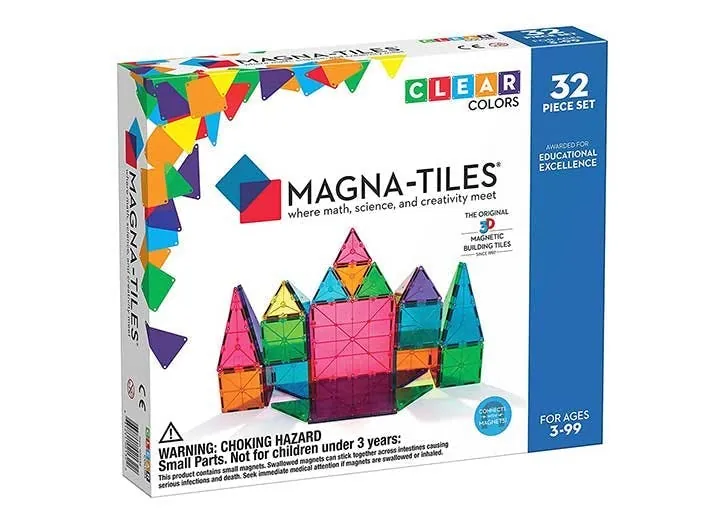
Popular pick — Magna-Tiles Clear Colors 32-piece set (ages 3 to 99): a long-time favourite with parents. Children can build together or on their own, which makes these magnetic tiles a great toy for both creativity and cooperation.
13. Cooperative board games
In a cooperative game, all players win or lose together. This completely changes the dynamic: the goal is no longer to beat the other players, but to solve a shared problem. For children who struggle with losing — often those with ADHD or anxiety — cooperative games are a fantastic gateway into group play. Titles like Hoot Owl Hoot! (ages 4+) or Pandemic Junior (ages 7+) are solid starting points.
14. Simple science kits
Baking-soda volcanoes, crystal-growing kits, basic circuit boards — accessible science experiments develop curiosity, methodical thinking and the ability to form hypotheses. A child who says "I think..." and then watches their hypothesis confirmed or overturned is experiencing one of the richest learning moments there is. Choose kits with safe ingredients and clear instructions.
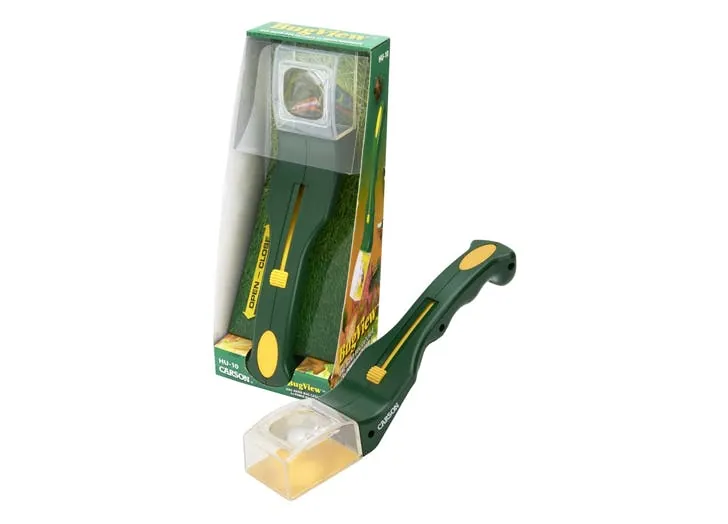
Popular pick — Carson BugView quick-release bug catcher (ages 2 to 10): a humane catch-and-release tool with a shatter-proof 5x magnifying lens and a thumb-operated slide — nature study that builds curiosity and compassion.
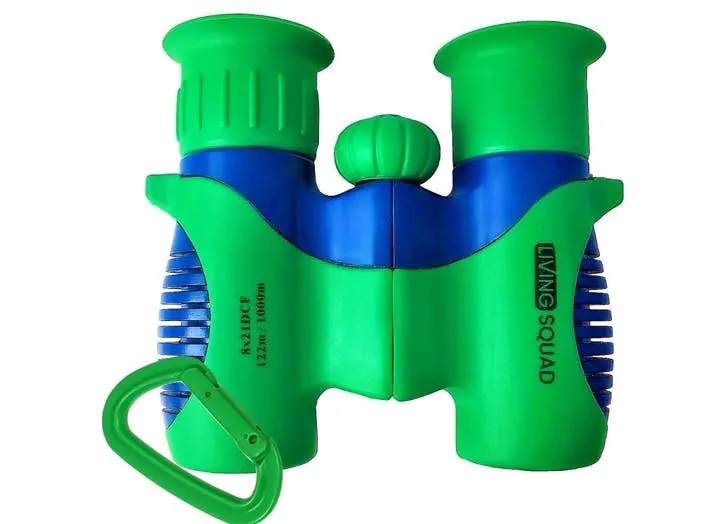
Popular pick — Living Squad binoculars for kids (ages 2 to 10): 8x21 magnification and quality optics for bird-watching and close-up nature study, sold with a cleaning cloth, carabiner, neck and hand straps and a bird e-guide.
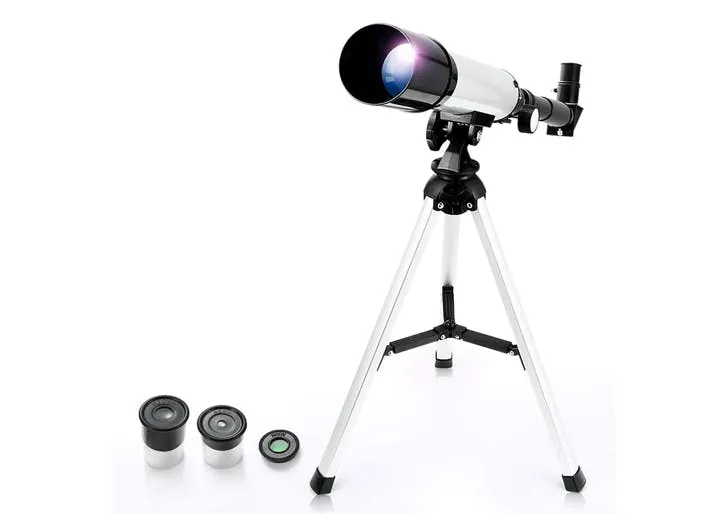
Popular pick — Merkmak telescope for kids (ages 2 to 10): removable eyepieces with different magnifications and a lightweight tripod sized for a child, for exploring the sky from the living-room window or the backyard.
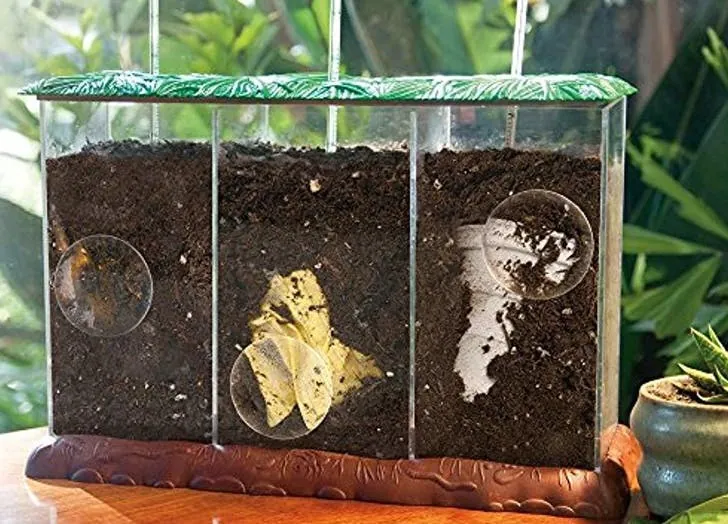
Popular pick — Educational Insights Now You See It, Now You Don't compost bin (ages 2 to 10): three clear compartments with magnified spots let children watch decomposition in real time and compare results — a true hands-on science lesson.
15. Children's musical instruments
Maracas, xylophones, tambourines, ukuleles — music builds rhythm, coordination and emotional expression. A large 2020 meta-analysis found that music lessons do not reliably boost general cognitive or academic skills (Sala & Gobet), so choose music for its own sake rather than as a shortcut to better grades. And above all: it is joyful, immediate and accessible to every child.
The best educational toy is the one the child reaches for without being told — and that leaves them just a little bit better each time they play. — Antoine Robillard, founder of Robiii
How to choose the right toy by age
Choosing an educational toy always has to account for the child's developmental stage. Here is a quick reference by age group:
- 0–18 months — Sensory stimulation: colourful mobiles, textured rattles, cloth books. The goal is to engage all five senses and lay the first neural connections.
- 18 months–3 years — Motor exploration: building blocks, modelling clay, shape sorters. Gross and fine motor development takes over from pure sensory stimulation.
- 3–5 years — Pretend play and language: dress-up sets, play kitchens, storybooks, magnetic letters. The child begins to represent the world mentally and to tell stories.
- 5–7 years — Logic and rules: puzzles, simple board games, drawing and writing materials. Logical thinking and rule comprehension consolidate during this window.
- 7–10 years — Strategy and creativity: strategy games, science kits, musical instruments, Lego Technic. The child can now plan several moves ahead and invest in longer-term projects.
- 10–12 years — Abstraction and specialization: advanced logic games, playful coding, autonomous art projects. The child develops their own interests and loves to specialize.
For a deeper dive into the selection process, read our complete guide to choosing the right educational toy and our roundup of the best toys for child development.
Note: age labels on toy packaging are primarily safety guidelines (choking hazard risk). A highly engaged 4-year-old may explore toys rated for age 6, and vice versa. Trust what you observe in the child.
Educational toys for children with special needs
Children with ADHD, ASD, anxiety or dyslexia often need toys tailored to their sensory and cognitive profile. The good news: many high-quality educational toys benefit all children, not just those with identified needs.
For children with ADHD
Look for toys that deliver immediate reward and a high level of stimulation: fidgets, fast-paced games, activities that involve movement. Avoid games that require prolonged sustained attention with no breaks. A classroom sensory box is an excellent way to build regular pause moments into the school day.
For autistic children
Toys with predictable, repeating mechanics (shape sorters, puzzles, stacking sets), soothing textures and visually structured activities tend to land well. Introduce new toys gradually, in a familiar setting, to avoid sensory overload and give the child time to warm up to novelty.
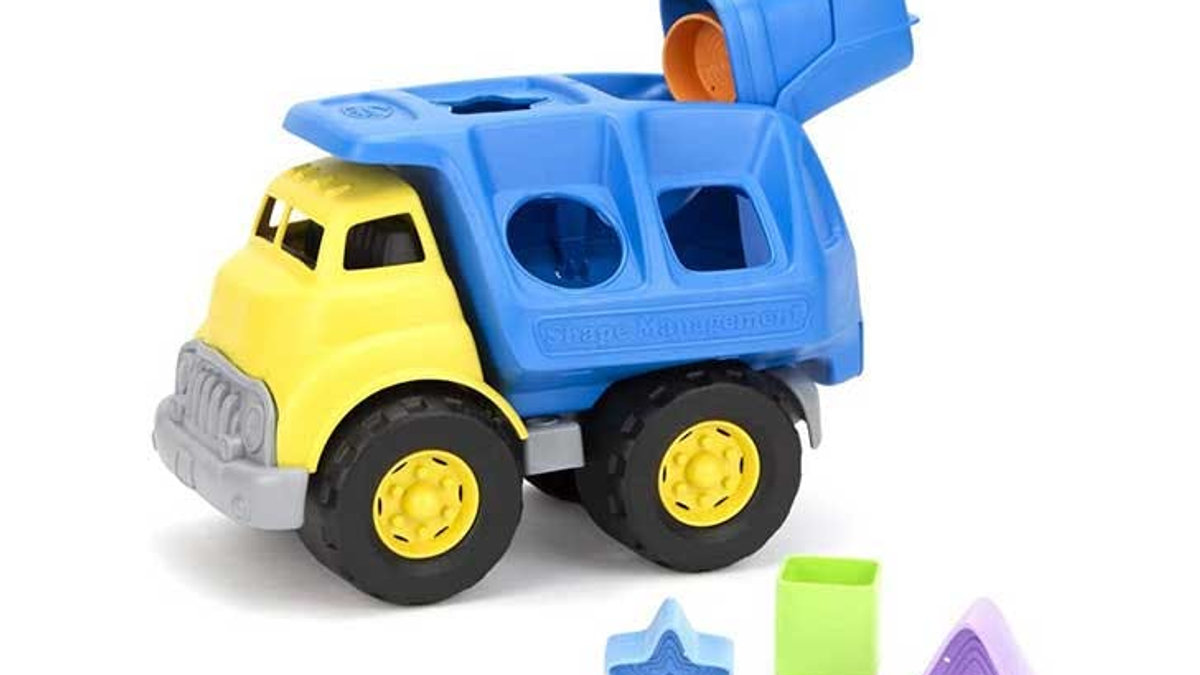
Popular pick — Green Toys Shape Sorter Truck (ages 1 to 5): a truck made from 100% recycled plastic, with a square, star, triangle and circle to post into its back bin. The lightweight shapes suit little hands, and the whole toy is dishwasher-safe.
For anxious children
Putty, kinetic sand, soft fidgets and creative activities are excellent regulation tools. Paired with cooperative games, they help the child connect with others without the pressure of competition. Good stress management for kids also means reaching for the right toy at the right moment.
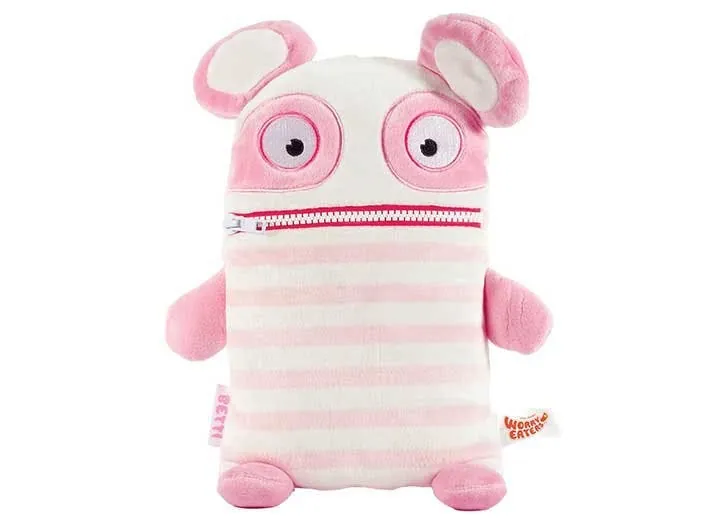
Popular pick — Worry Eaters plush (ages 3+): super-soft, award-winning plush monsters with a zippered mouth. Children draw or write down a worry and "feed" it to their Worry Eater — a gentle way to name fears and manage anxiety.
For a comprehensive overview of learning resources, see our wholesale learning aids guide — a valuable reference for schools and educators equipping their classrooms.