To choose the right educational toy, start with three questions: what is your child's developmental stage, which skills do you want to support, and does the toy invite active participation rather than passive watching? A well-chosen educational toy grows with the child, feeds curiosity and supports development — without ever feeling like a lesson.
You are standing in a toy aisle — or scrolling through an endless search results page — asking yourself: "Which one will actually help my child?" It is a fair question, and the answer is rarely what you expect. Neither the highest price tag nor the flashiest packaging guarantees that an educational toy is right for your child. What matters is the match between the toy, your child's developmental stage and their unique needs.
This guide gives you a clear, step-by-step method for navigating a crowded marketplace and making confident choices — whether your child is a newborn just beginning to explore, a primary-school student who needs reading support, or a child living with ADHD, autism or anxiety. Because the right educational toy is not the most expensive one: it is the one that opens the right door at the right time.
Understanding child development before you shop
The first reflex should not be to look at the toy, but at the child. Each age range maps to specific developmental milestones — motor, cognitive, language and social — and the best educational toy fits those milestones rather than jumping frustratingly ahead or staying irrelevantly behind.
0–18 months: sensory exploration first
Infants and toddlers learn through their senses. Textures, gentle sounds, visual contrasts and simple movements are the ingredients of a good toy at this stage. Play mats, textured rattles, food-grade silicone teethers and cloth books are excellent choices. Avoid battery-operated toys that do everything on their own: the child should be the actor, not the audience.
18 months–3 years: fine motor skills and imitation
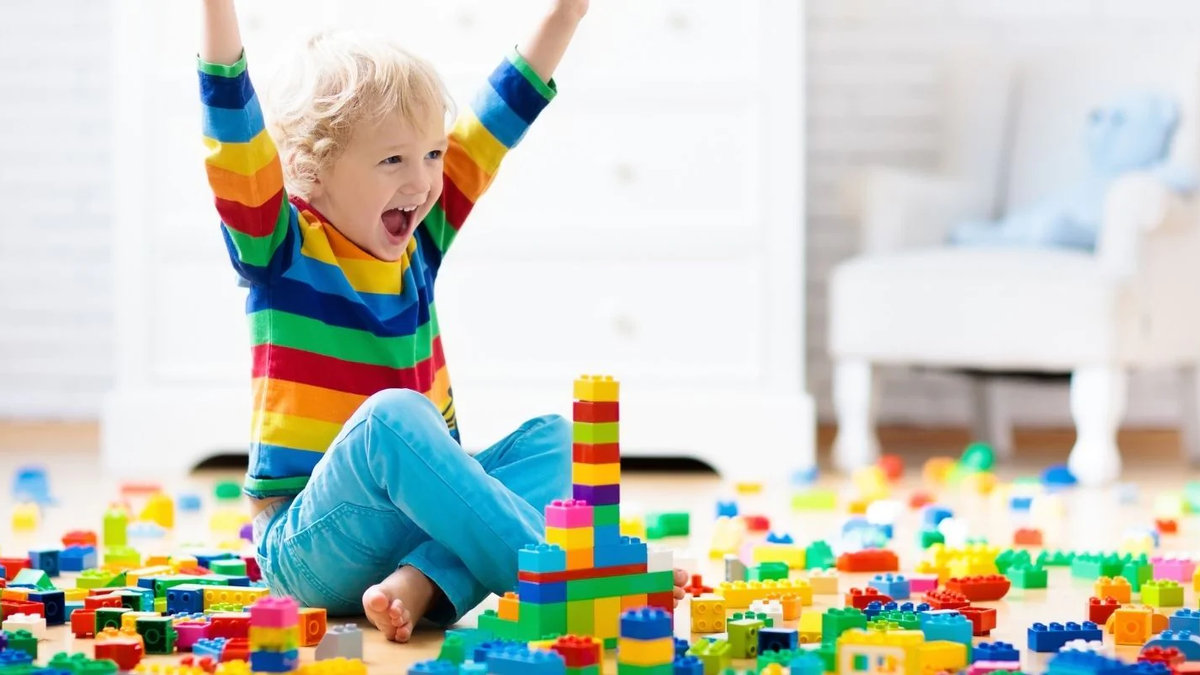
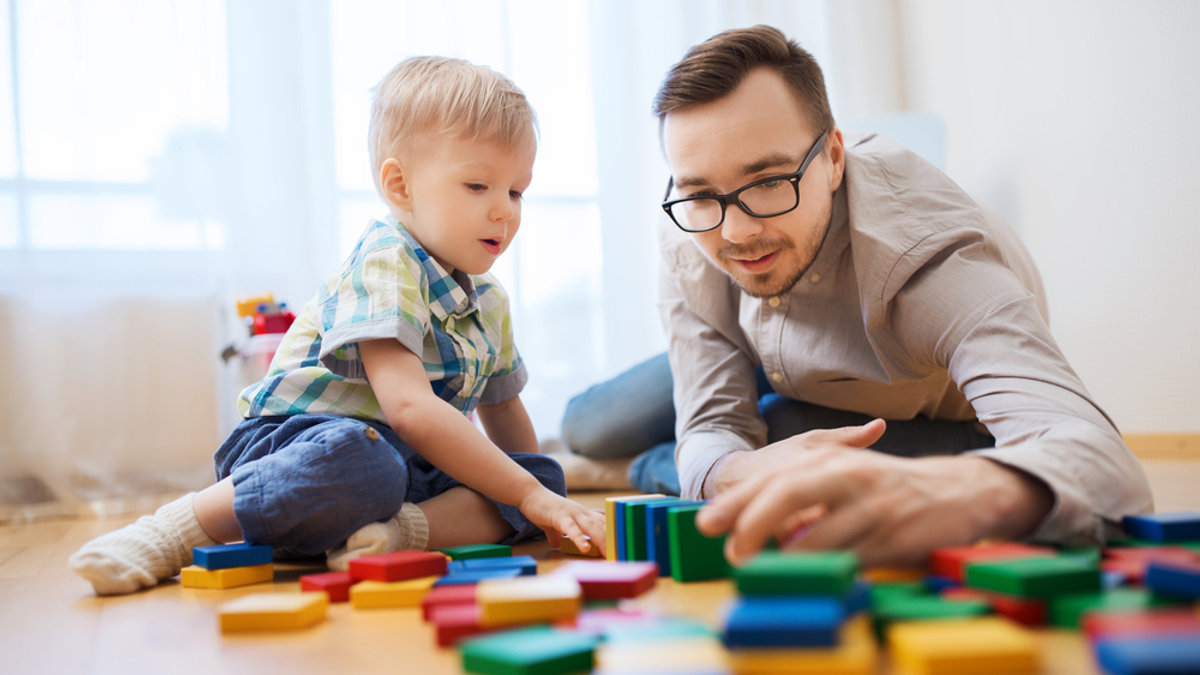
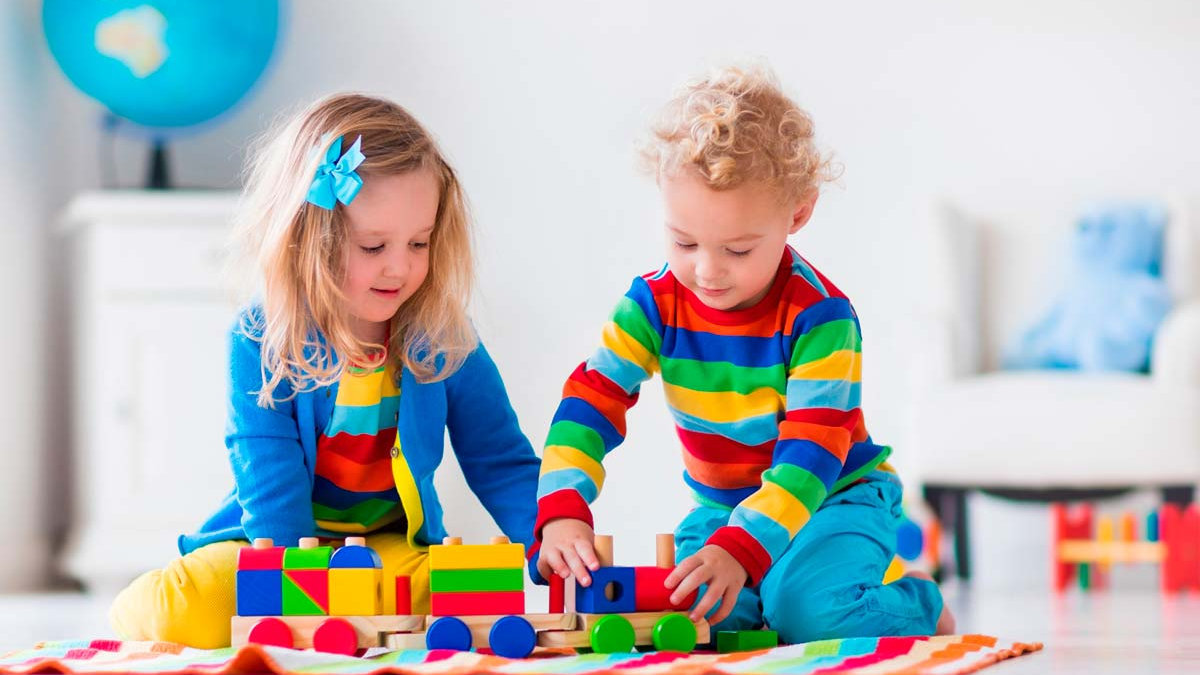
At this age children start imitating adult life and developing their fine motor skills. Stackers, shape sorters, large-piece building sets, play kitchens and wooden tools are ideal. Non-toxic play dough is also excellent for hand-eye coordination.
3–6 years: symbolic play and first rules
Preschoolers enter the world of pretend play: they make up stories, play roles and start to understand simple rules. This is the right moment for role-play sets, 12–50-piece puzzles, memory games, simple musical instruments and first cooperative board games.
6–12 years: logic, cooperation and creativity
School-age children develop logical thinking, planning ability and cooperative skills. Strategy games, science kits, modular construction sets, activity books and more elaborate instruments feed this phase well. This is also the age when learning aids such as colored reading rulers or abacuses can make a real difference.
The 5 criteria for choosing the right educational toy
Once the developmental stage is clear, apply these five criteria before buying:
- Match to developmental age — not chronological age, but the child's actual level. A 5-year-old with a language delay may benefit from a toy labelled "3+" if it matches where they are right now.
- The skill being targeted — fine or gross motor skills, language, logic, emotional regulation, creativity? A good educational toy does not try to do everything at once. Choose based on what your child needs to develop now.
- Level of active interaction required — favor toys that invite the child to act, manipulate, decide or create. A toy that runs itself is a show, not a learning experience.
- Durability and safety — verify compliance with Canadian safety standards, structural soundness and the absence of small parts for children under 3.
- Replay value — a quality educational toy can be used in dozens of different ways and holds interest for months or even years. Wooden building blocks, for instance, scale from simple stacking to complex architectural construction.
Tip: watch your child play freely for 10 minutes. What they choose spontaneously — building, sorting, drawing, pretending — reveals their natural learning schemas and the types of educational toy that will resonate most.
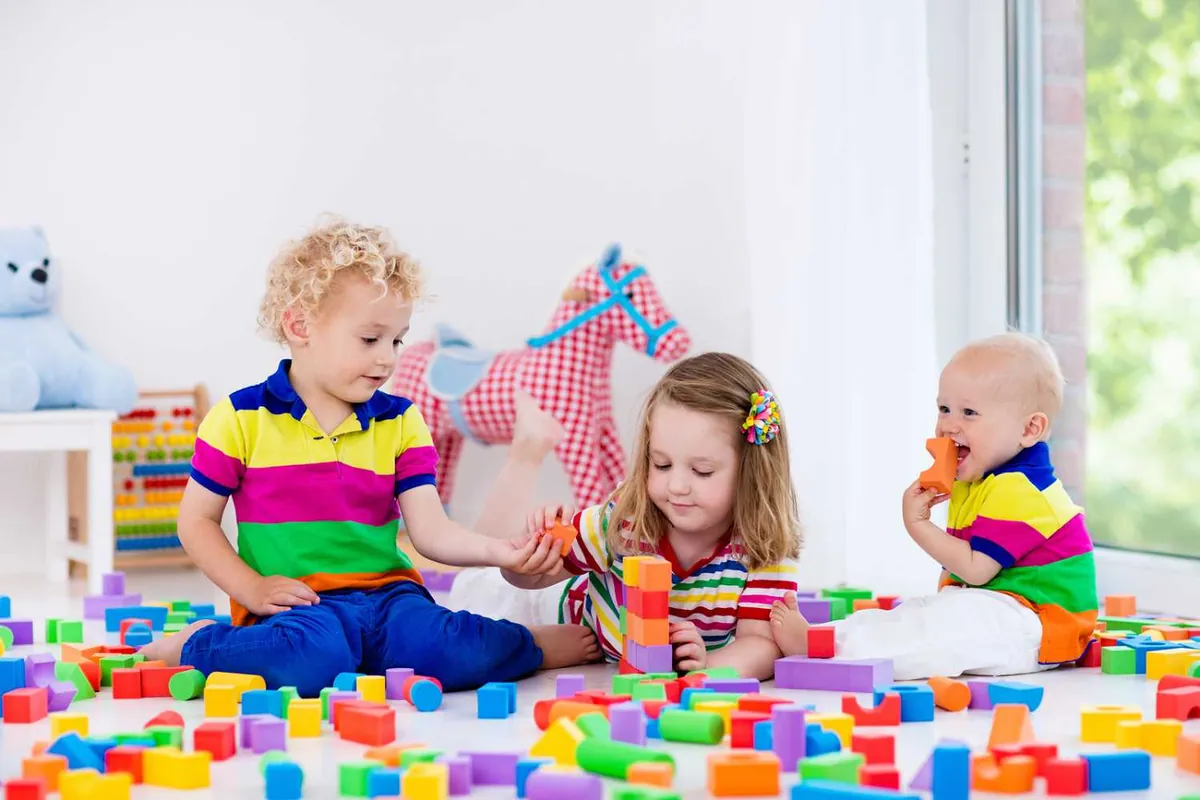
Choosing an educational toy for a child with special needs
For children living with ADHD, autism, anxiety or dyslexia, choosing an educational toy calls for extra care. These children often have atypical sensory profiles and emotional regulation needs that standard toys do not always meet.
ADHD: channeling energy and supporting focus
Children with ADHD often thrive with toys that let them move while staying engaged. Fidget toys (discreet spinners, stress cubes, therapy putty) keep hands busy during cognitive tasks, freeing attention for what matters. Visual timers and sand timers also help by making time concrete and structuring transitions. See our article on parenting children with ADHD for more recommendations.
Autism: predictability and adapted sensory input
For autistic children, predictability is reassuring. Toys with repetitive sequences, color or shape sorting sets, and gentle sensory tools (textured balls, sensory mats) can lower anxiety while encouraging exploration. Avoid toys with flashing lights or unpredictable sounds that may overwhelm the sensory system.
Anxiety: processing emotions through play
Symbolic play — dolls, puppets, dollhouses — gives an anxious child a safe space to replay and process stressful situations. Cooperative games, where there is no winner or loser, also reduce performance pressure that can make anxiety worse.
Dyslexia: making learning multisensory
For a dyslexic child, the body is the path in. Textured magnetic letters, sand-tracing boards, phonological games and reading aids like colored overlays turn an abstract skill into a concrete, memorable experience.
The best educational toy is the one that meets the child where they are — not where we wish they were. Play is always the first language of childhood. — Antoine Robillard, founder of Robiii
The step-by-step method for choosing the right educational toy
Here is a practical process to follow the next time you are looking for an educational toy:
- Identify your child's developmental stage (see section 1). If you are unsure, ask their teacher, daycare educator or pediatrician.
- Define one priority skill to support: motor, language, logic, emotional regulation or social creativity.
- List 3 to 5 candidate toys in the matching category. Browse specialist websites, parent reviews or therapist recommendations.
- Apply the 5 criteria from section 2 to each candidate. Rule out any that fail the safety or interaction filter.
- Watch the child's initial reaction: a successful educational toy sparks immediate curiosity and an urge to come back to it independently.
- Reassess after two weeks: if the child ignores the toy completely, it may be too easy, too hard or simply outside their current interests. That is not a failure — it is information.
| Age | Key skill | Educational toy examples | What to avoid |
|---|---|---|---|
| 0–18 months | Sensory exploration, gross motor | Play mats, textured rattles, cloth books | Autonomous battery toys, screens |
| 18 months–3 years | Fine motor, imitation | Stackers, shape sorters, play dough | Small parts, competitive games |
| 3–6 years | Pretend play, first rules | Puzzles, cooperative games, play kitchen, DUPLO | Highly competitive games, excessive screen time |
| 6–12 years | Logic, cooperation, creativity | Strategy games, science kits, musical instruments | Toys with no progressive challenge |
Common pitfalls to avoid
Even the most well-meaning parents fall into certain traps. Here are the most frequent mistakes — and how to sidestep them:
- Trusting the "educational" label alone — this term is not regulated. A toy can carry it without meeting any real pedagogical standard. Always read the full description and look for reviews from occupational therapists or teachers.
- Buying for chronological age, not developmental age — a 7-year-old can love a "4+" toy if it fits their sensory interests. The reverse is equally true: a gifted child may get bored quickly if the toy is too simple.
- Accumulating toys instead of deepening engagement — research suggests that toddlers with fewer toys at hand play longer with each one and in more varied ways. Five excellent educational toys beat twenty mediocre ones every time.
- Ignoring the child's interests — an educational toy built around a passion the child already has (dinosaurs, space, cooking) multiplies engagement. Follow their enthusiasms, even if they do not seem "academic."
- Undervaluing free play — unstructured play, with no defined goal, is one of the most powerful forms of learning. Even the best educational toys work better when they are woven into free-play time, not only directed activities.
- Sticking to one kind of toy — rotate between science, math, language and arts toys so your child explores different interests and builds well-rounded skills.
- Expecting a toy to replace teaching — educational toys complement reading together, schoolwork and adult guidance; they add hands-on experience but do not replace traditional learning.
Good to know: a University of Toledo study published in Infant Behavior and Development found that toddlers given 4 toys instead of 16 played longer with each toy and in a greater variety of ways (Dauch et al., 2018). Quality consistently beats quantity — especially when it comes to educational toys.
Resources and support to go further
Choosing the right educational toy should not be a source of stress. Several resources can guide you beyond this article:
Professionals to consult
An occupational therapist (OT) is the go-to resource for children with special needs. They can assess your child's sensory and motor profile, then recommend specific toys or tools. Speech-language pathologists can point you toward toys that support language and communication development.
Reference pedagogical approaches
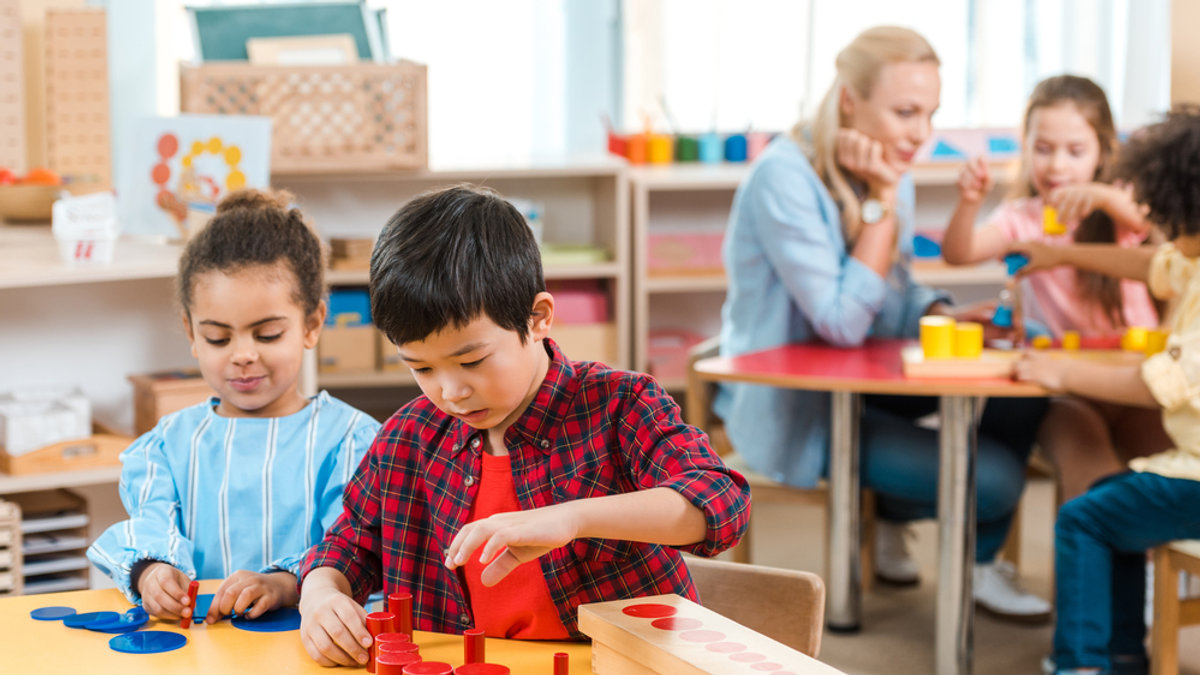
The Montessori approach remains a solid guide for choosing toys that respect a child's autonomy and pace: natural materials, direct manipulation and open-ended play with no single right answer. The Reggio Emilia approach, with its emphasis on creativity and expression, is another valuable source of inspiration.
Labels and certifications to know
- CE — compliance with European safety standards (commonly found on toys sold in Canada).
- ASTM F963 — the American toy safety standard, recognized internationally.
- Toy of the Year (TOTY) — an annual U.S. toy-industry award (The Toy Foundation), voted on by industry members, retailers, media and the public: a popularity signal, not an educational certification.
- Canada Consumer Product Safety Act (CCPSA) — the federal law that, together with its Toys Regulations, governs toys sold in Canada.
Educational toys wholesale for schools
If you are a daycare educator, teacher or school administrator, the question of educational toys scales up considerably. Robiii offers a full range of sensory and pedagogical toys available wholesale, with pricing tailored to institutions. Browse our online store or contact us for a distributor quote.
To go even further in supporting your child's growth, explore our guide on the best toys for child development and our breakdown of the benefits of sensory toys.