The best toys for child development are those that match a child's stage of growth and engage multiple dimensions at once: motor skills, language, cognition and social life. It is not about buying the most expensive or the most high-tech option — it is about choosing the most relevant tool for the right age.
Every parent has stood in the toy aisle with a deceptively simple question: "Where do I even begin?" Advertisements promise thriving children, packaging sports glowing brain graphics and "educational" labels appear on products that are sometimes not educational at all. The result: we buy more than we need, often less well than we hoped.
At Robiii, we curate toys designed for the real development of children — not for window-display appeal. This guide explains, age group by age group and domain by domain, which types of toys genuinely make a difference and why. You will also find clear benchmarks to help you choose the right educational toy without getting lost in the noise.
Why toys are essential to development
Play is not a reward given after "real" activities — it is a child's first occupation. Research in neuroscience and developmental psychology points the same way: play is one of the main ways a child's brain and skills develop. The American Academy of Pediatrics' report "The Power of Play" (2018) notes that play enhances brain structure and function and promotes executive function.
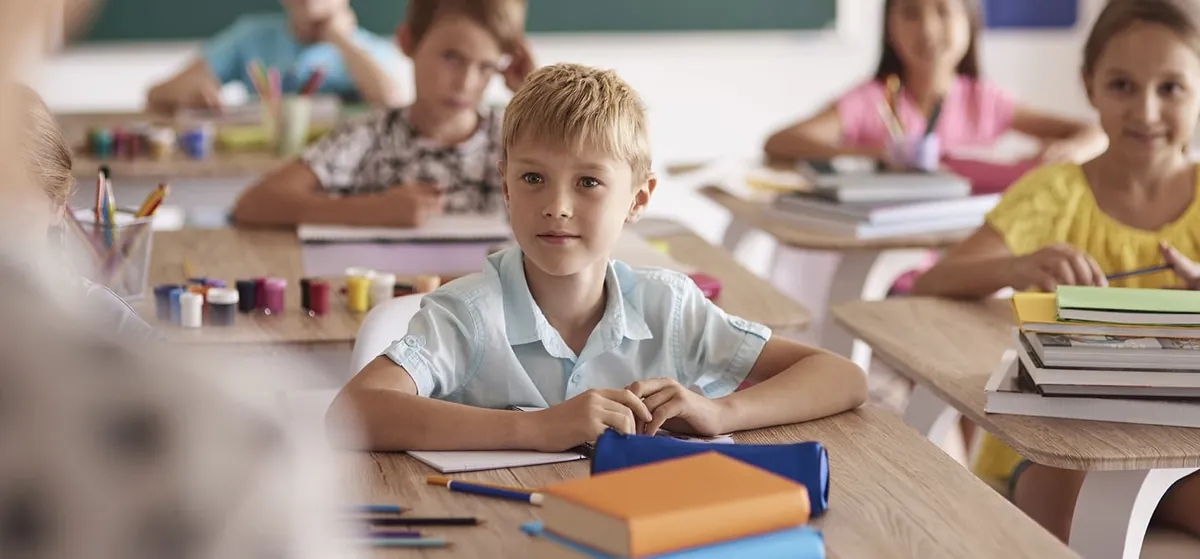
Play forges neural connections
Every time a toddler handles an object, solves a problem or imitates an adult in play, synapses form and consolidate. The first years of life represent a period of exceptional brain plasticity: the stimulation received through play literally shapes the architecture of the developing brain.
Play develops executive functions
Executive functions — planning, working memory, impulse control — are practised constantly through play. A child playing a board game must remember the rules, wait their turn and manage the frustration of losing: high-value cognitive exercises every one of them. For a deeper look at this connection, read our article on the role of play in child psychology.
Play supports emotional regulation
Playing also means learning to navigate intense emotions — the joy of winning, the disappointment of failing, the pleasure of collaborating. Sensory toys, in particular, help children modulate their arousal level and return to a calm state.

Key takeaway: according to the American Academy of Pediatrics, free play — without an adult-imposed goal — is just as important as structured activities for a child's overall development.
Toys for babies aged 0 to 2
In the first year alone, a baby's brain roughly doubles in volume, and it keeps growing quickly in the second year (Knickmeyer et al., 2008). The most useful toys at this stage are those that stimulate the senses, support motor development and encourage early social interactions.
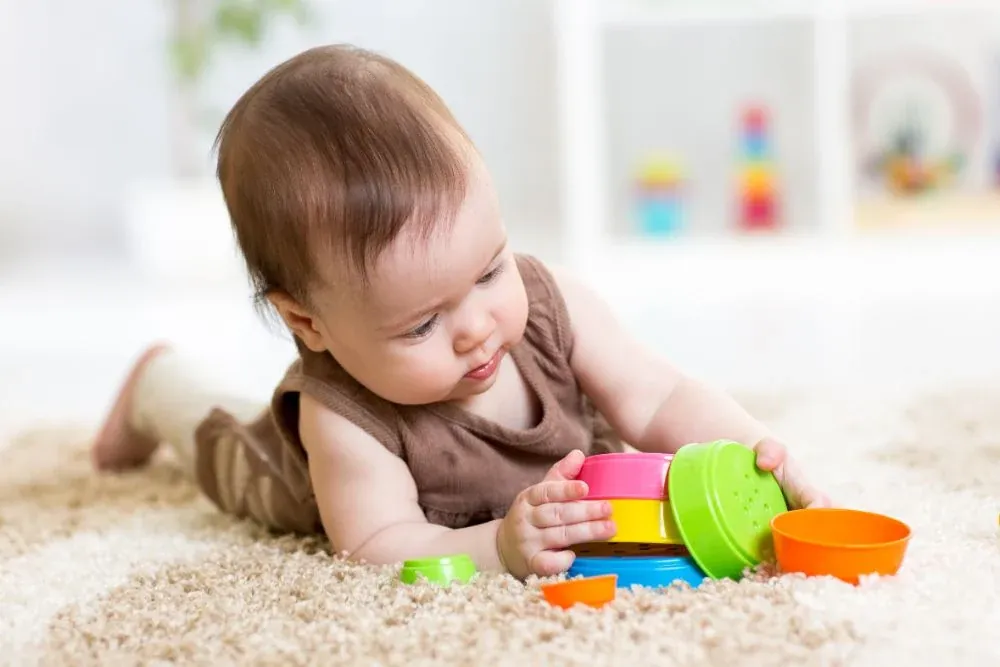
- Rattles and teething rings — develop the palmar then pincer grip and teach cause-and-effect (I shake it — it makes a sound).
- Mobiles and high-contrast images — engage the developing visual system (black-and-white from birth, bright colours around 3 months).
- Play mats — encourage tummy time, crucial for strengthening the neck and preventing motor delays.
- Bath toys — water is a rich sensory medium: pressure, temperature, buoyancy — all valuable proprioceptive experiences.
- Cloth and board books — early exposure to written language lays the foundations for literacy long before school.
- Large soft blocks — from 9 to 12 months, stacking and knocking down builds hand-eye coordination and spatial awareness.
From 12 to 24 months: toys that keep up with a child on the move
Once children pass the one-year mark, they quickly become mobile. The right toys support their balance, coordination and growing curiosity:
- Push toys — push carts and walkers the child stands behind steady the first steps and build balance (seated baby walkers are banned in Canada).
- Ride-on toys — coordination and confidence as they learn to propel themselves.
- Themed playsets (farm, zoo) — name each animal and imitate its sound to reinforce language, colours and shapes.
- Themed picture books — matching a picture to a word and a sound lays the groundwork for vocabulary.
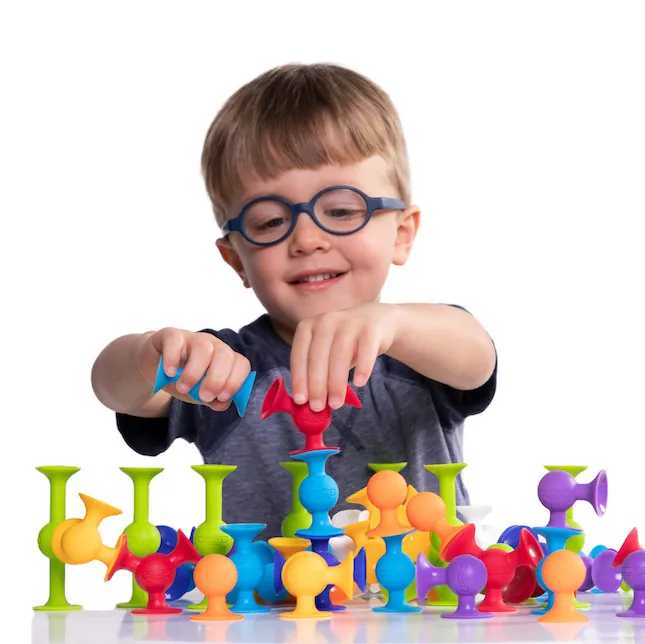
A baby does not need a hundred toys. They need a present adult, a handful of varied objects and the freedom to explore at their own pace. — The Robiii team
Toys for ages 2 to 5: the language explosion
Between ages 2 and 5, a child's vocabulary grows from a few dozen words to several thousand. This is also the golden age of symbolic play: the child pretends, assigns roles and invents storylines. The toys that feed this period are among the most powerful tools for development.
Symbolic and imaginative play
Play kitchens, figurines, dress-up costumes, dollhouses: these toys let the child replay the adult world, understand social rules and practise empathy by stepping into characters' shoes. Jean Piaget saw symbolic play as a key expression of the child's emerging ability to represent the world in their mind.
Building and fitting
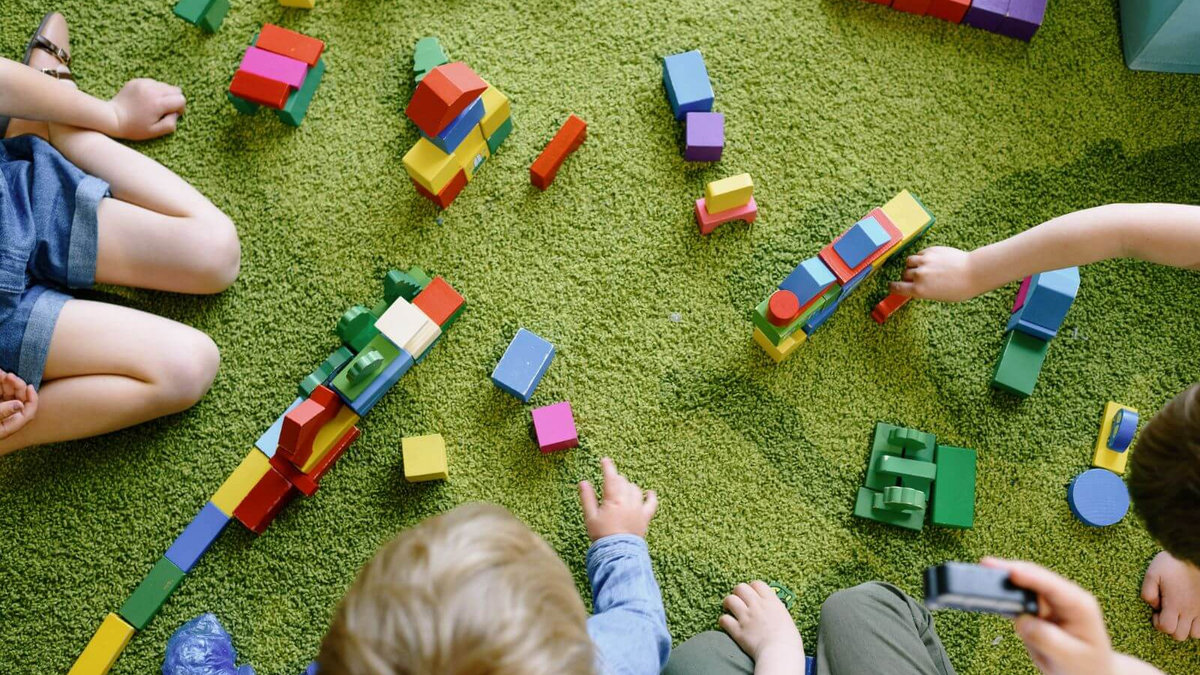
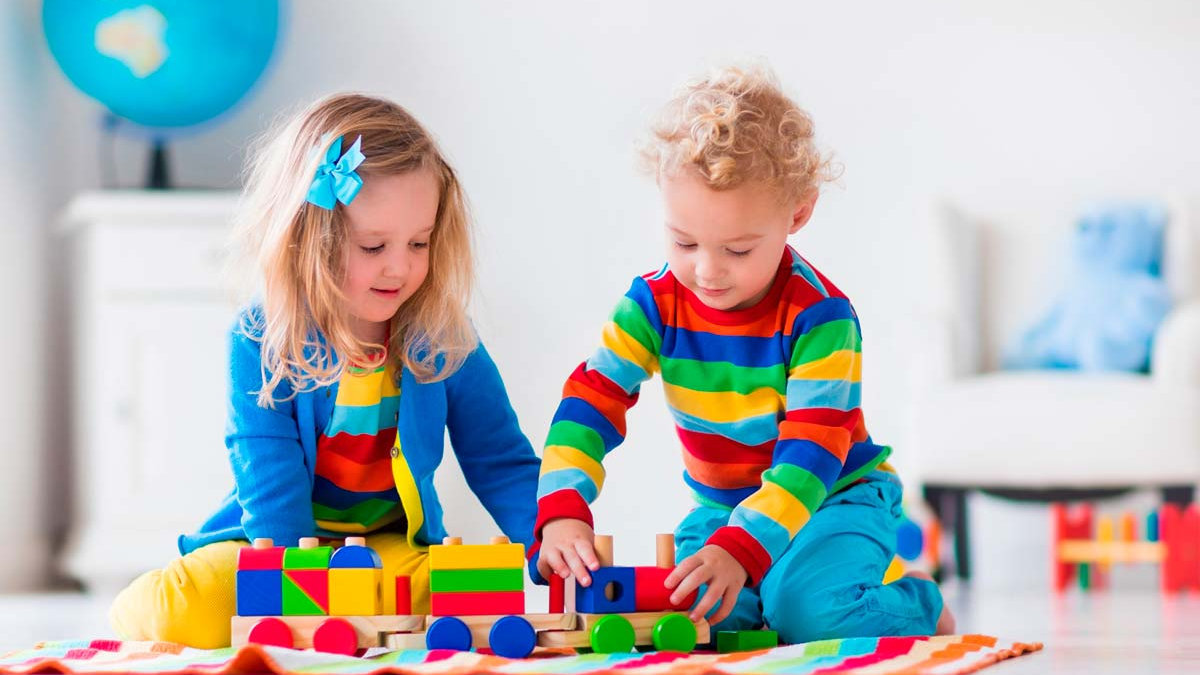
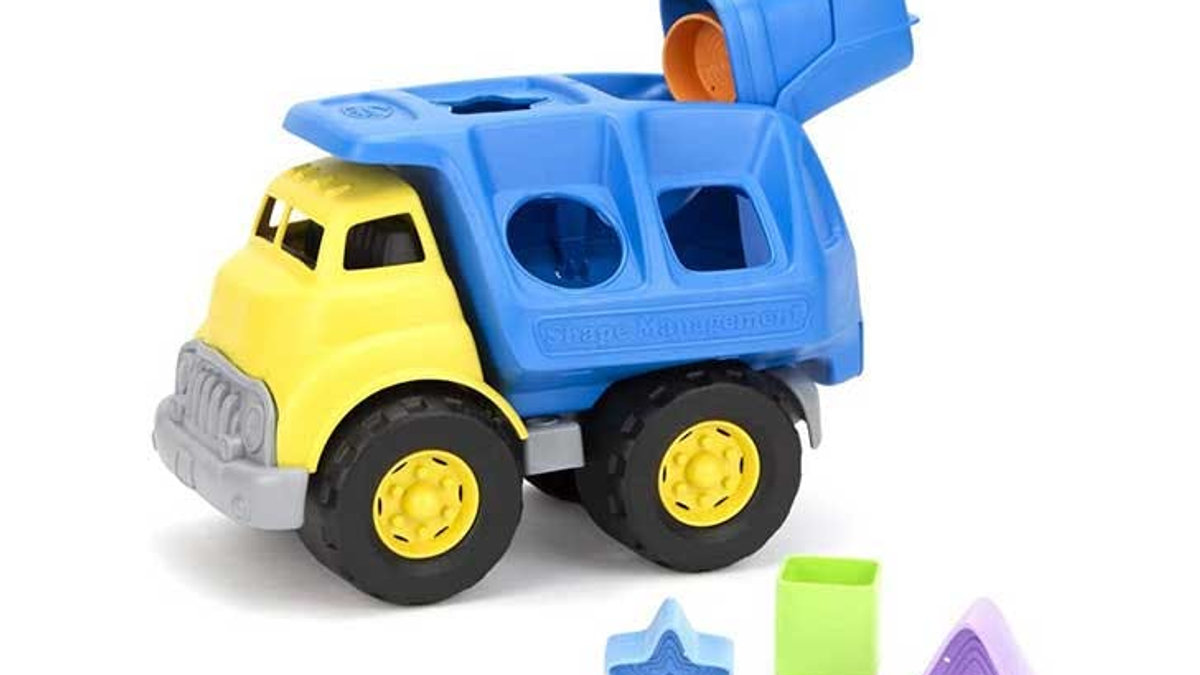
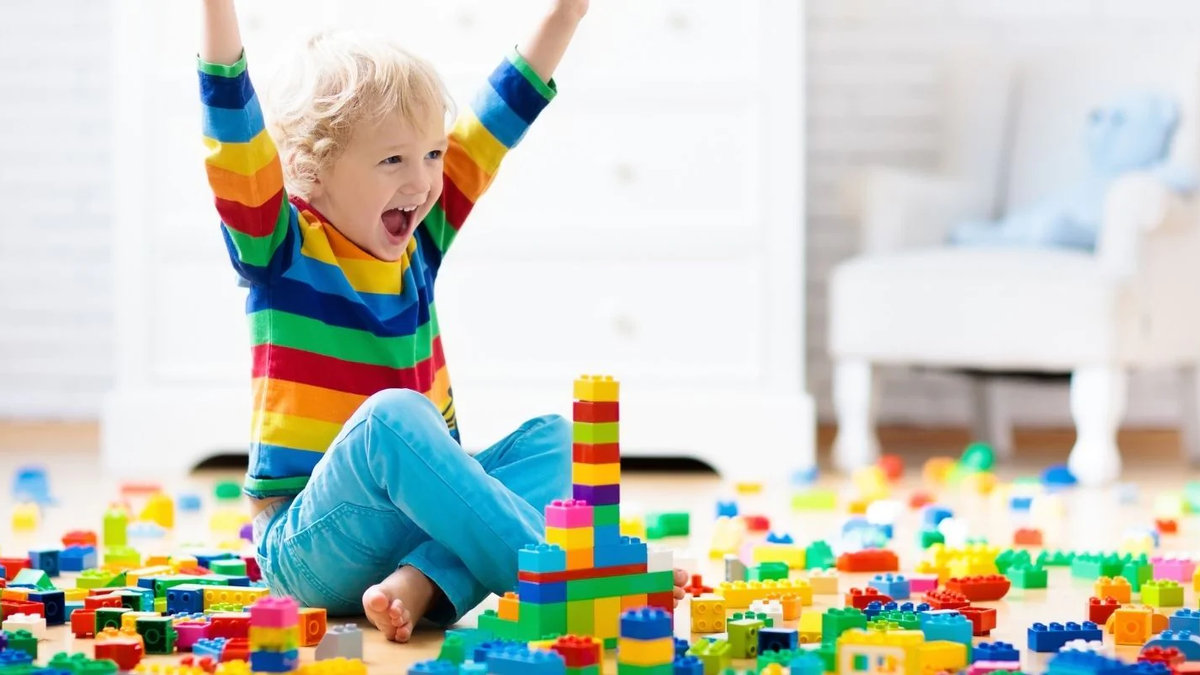
Stacking blocks, interlocking bricks and shape-sorters develop spatial thinking, planning ("I need to place this piece before that one") and resilience in the face of failure. When a tower falls, the child learns that failure is reversible — a foundational lesson.
Simple arts and crafts
Finger painting, modelling clay, chunky crayons: the graphic gesture precedes and prepares handwriting. These activities intensely engage fine motor skills, motor planning and creativity, while also providing a healthy emotional outlet.
Active play and early learning toys
Around age 2, children are ready for toys that get the whole body moving: tricycles (always with a helmet — a habit best built from the very first ride), basketball hoops, T-ball stands and bowling sets. Calmer favourites include kinetic sand, a drawing easel, magnetic building blocks, "see and say" sound books and counting toys, which connect what the child hears with what they see. For more ideas, browse our list of the 15 best educational toys.

Tip: let your child lead the symbolic play without imposing a storyline. Your role is to be an "enthusiastic play partner," not a director — that subtle difference makes all the difference for their creative autonomy.
Toys for ages 5 to 8: logic and cooperation
Starting school marks a major transition: children become capable of basic formal logic, reading and play governed by complex rules. This is the ideal period to introduce toys that develop analytical thinking and social skills.
| Category | Examples | Skills developed |
|---|---|---|
| Puzzles | Jigsaw puzzles, logic cubes, tangrams | Spatial thinking, perseverance, sustained attention |
| Board games | Memory, Uno, cooperative games | Working memory, emotional management, turn-taking |
| Advanced building | Classic bricks, magnets, mechanisms | Planning, fine motor skills, STEM thinking |
| Structured role play | Narrative board games, puppets | Storytelling, empathy, active vocabulary |
| Art supplies | Watercolour, clay, beginner embroidery | Fine motor skills, patience, self-expression |
This is also the right time to introduce toys that build social skills — cooperative games, where everyone wins or loses together, are especially effective at teaching collaboration without the pressure of pure competition. For a curated list with commentary, see our selection of the 15 best educational toys.
Toys and special needs: ADHD, autism, anxiety
For children living with ADHD, an autism spectrum disorder (ASD), anxiety or dyslexia, the choice of toy deserves particular care. These children do not play less well — they play differently, and certain tools are especially well suited to their needs.
Toys for children with ADHD
Children with ADHD need a physical channel for their energy and tools that support their fragmented attention. Fidget toys (stress balls, fidget rings, fidget pads) allow residual movement to be channelled, which helps many children stay with the primary task. Research on fidgets is still limited and mixed, so observe what works for your child.
Toys for autistic children
Autistic children often benefit from objects with rich sensory feedback — varied textures, predictable sounds, consistent shapes — that help them anchor themselves in their environment. Repetitive toys (spinning wheels, objects to line up, rolling sensory toys) respond to a genuine self-regulation need that parents and teachers do well to welcome rather than curb.
Toys for anxious children
Childhood anxiety often feeds on uncertainty and a perceived lack of control. Toys that give children a sense of mastery — crafts, pot gardening, puzzles at the right level — help them build concrete confidence. Putty and kneading tools are excellent tension outlets, accessible from preschool age.
Reminder: no toy replaces professional support. These tools complement parental, educational and therapeutic support — they do not substitute for it. When in doubt, consult an occupational therapist or child psychologist.
The 5 criteria of a good developmental toy
Faced with the abundance of options, a few simple criteria help you sort quickly and make informed choices:
- It matches the child's age — neither too easy (boredom) nor too hard (discouragement). The zone of proximal development is the ideal target: the toy should present a slight challenge, not an ordeal.
- It leaves room for the child's initiative — a toy that "does everything on its own" (automatic sounds, animations that need no action from the child) reduces the child to a spectator. The best toy rewards the child's own action.
- It allows multiple ways to play — open-ended toys (blocks, modelling clay, sensory bins) grow with the child and spark more creativity and problem-solving.
- It is safe and durable — non-toxic materials, appropriate size (no small parts for children under 3), robust construction for repeated, intense use.
- It invites social interaction — a shareable toy that generates play for two or more multiplies developmental benefits by adding the language and social dimension.
What to steer clear of
Not all toys are created equal, and some marketing trends deserve scrutiny before opening your wallet:
- Toys that are "too smart" — tablets from 18 months, robots that speak for the child. These gadgets reduce opportunities for initiative and can slow active language development.
- Single-use toys whose appeal runs out in five minutes and that end up at the bottom of the toy box the day after Christmas.
- Too many toys at once — in a 2018 study (Dauch et al., Infant Behavior and Development), toddlers given 4 toys played longer with each one and in more varied ways than toddlers given 16.
- Age-inappropriate toys — a puzzle that is too complex creates more frustration than enjoyment and may discourage the child from trying again, the opposite of the intended effect.
- Toys that rely solely on competition — at too young an age, losing without an emotional safety net can be deeply discouraging. Prefer cooperative games for children aged 3 to 6.
Robiii is a Canadian distributor and designer of educational and sensory toys. Retailers, schools, daycares and clinics can order in bulk through our wholesale program — our vision is a world where every child has access to toys that genuinely support their development.