
Toy safety rests on three pillars: recognized safety rules and standards (Health Canada's Toys Regulations, ASTM F963, EN 71/CE), age recommendations that measure physical risk first — not academic readiness — and regular inspection of toys at home. A few simple habits remove many common hazards.
Choosing a toy for a child is about far more than fun or learning value. It is also about making sure that toy poses no danger — whether your child is a toddler or already in school. Yet toy safety is a topic most parents navigate on instinct rather than solid information. We trust the brand, the colourful packaging, or the fact that "it's always been around." But the toy market has grey areas, and the risks — choking, injury, chemical toxicity — are very real.
This guide pulls together the essential information for choosing, inspecting and storing your children's toys with confidence. No need to panic, but no room for carelessness either: with a few clear reference points, most common hazards are easy to avoid.
Standards and certifications: what those labels really mean
In Canada, toys are governed by Health Canada's Toys Regulations, which set requirements for materials, construction and labelling. Two complementary certifications also define the North American and European markets.
The CE mark
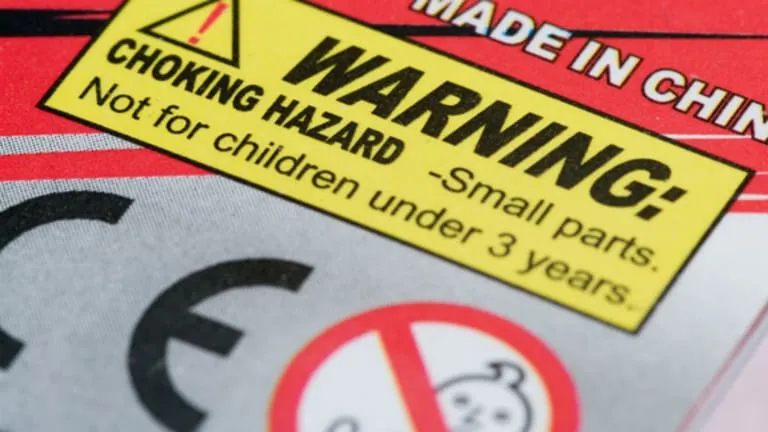
The CE mark (Conformité Européenne) indicates that a toy meets European safety directives, particularly EN 71, which covers mechanical, chemical and flammability properties. You will often see it on toys sold in Canada, since many manufacturers also sell in Europe.
ASTM F963
The American standard ASTM F963, developed by ASTM International and made mandatory in the United States by the Consumer Product Safety Commission (CPSC), is the North American reference. It covers mechanical hazards (sharp edges, small parts), chemical hazards (lead, phthalates) and electrical hazards. In the United States, toys for children 12 and under must be tested by a CPSC-accepted third-party laboratory (CPSC).
Good to know: the CE mark is a manufacturer's self-declaration — not a mandatory audit by an independent body. For maximum confidence, favour brands whose tests are carried out by an accredited independent laboratory (e.g. Intertek, SGS, TÜV).
To check whether a toy is subject to an active recall in Canada, consult the Health Canada recalls database. This reflex applies equally to second-hand toys bought at thrift stores or on resale platforms.
Understanding age recommendations: safety first
Age labels ("3 years +", "6 years +") are often read as complexity indicators. In reality, they communicate a physical risk above all else. A toy marked "3 years +" is unsuitable for younger children because it contains parts whose size, tested under EN 71 / ASTM F963, poses a choking risk for children under 3.
| Age range | Primary hazards | Key checkpoints |
|---|---|---|
| 0–12 months | Choking, strangulation | No detachable parts, strings < 22 cm, washable toys |
| 1–3 years | Choking, sharp edges | No small parts, non-toxic paint, durability |
| 3–6 years | Injury, chemical toxicity | Check magnets, batteries, stuffing materials |
| 6–12 years | Powerful magnets, projectiles | Initial supervision, quality of mechanisms |
| 12 years + | Electrical, toxic hazards | Chemistry, electronics: read the instructions |
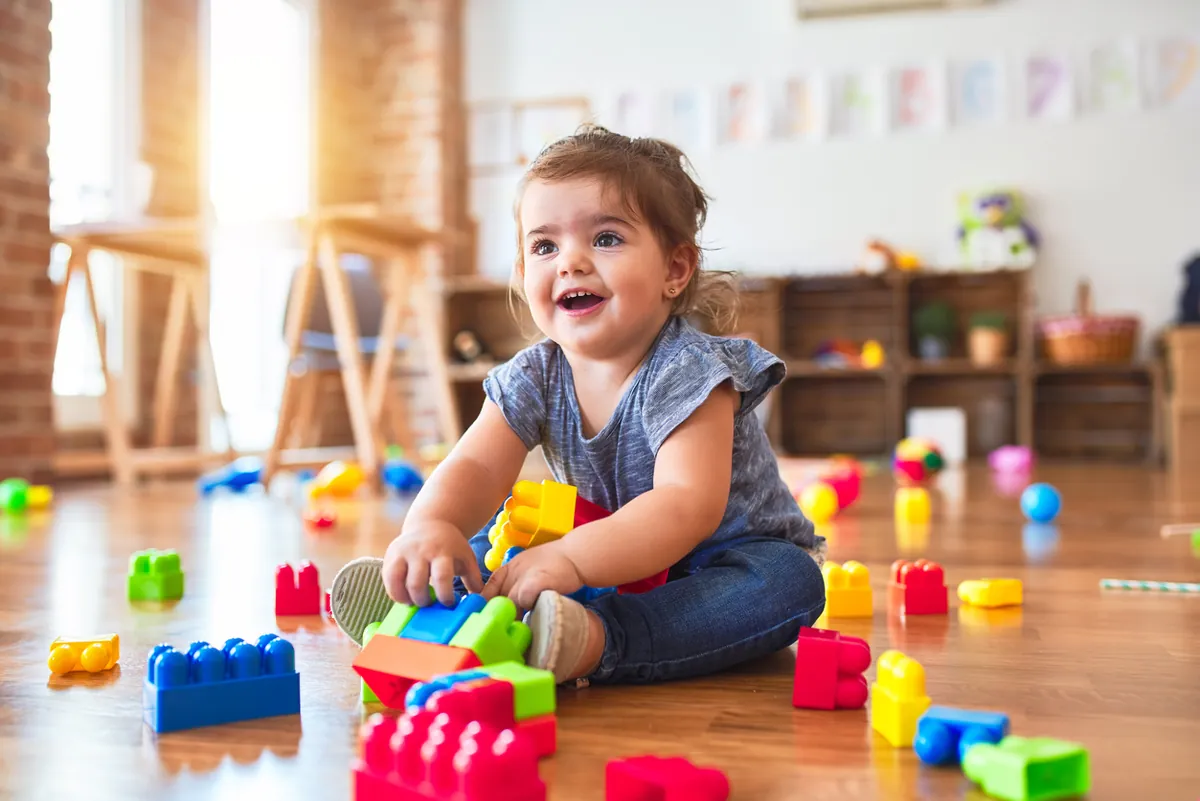
An advanced or gifted child does not bypass these thresholds: a two-year-old's brain may be able to manipulate the pieces of a four-year-old's puzzle, but their airway remains that of a two-year-old if a piece breaks off. To learn more about choosing the right toy for your child's developmental stage, see our complete guide to choosing an educational toy.
Materials to watch out for: plastics, paints and metals
Not all materials are equal, especially for children who still put things in their mouths. Here are the substances and materials that deserve your attention.
Phthalates and BPA in plastics
Phthalates are plasticizers used to soften PVC. Recognized endocrine disruptors, they appear in some inexpensive soft-plastic toys (figurines, dolls, bath toys). In Canada and the EU, phthalates are regulated in toys, but products imported outside official channels may still contain them. BPA (bisphenol A) is banned in baby bottles but may persist in less-regulated plastic toys. Look for "BPA-free" labelling and favour PP plastic (polypropylene, code 5) or HDPE (high-density polyethylene, code 2), considered safer.
Paints and dyes
Lead paint still turned up in toys as recently as 2007, when Canada issued 28 lead-related toy recalls (CBC News). Today, the Toys Regulations cap total lead in toy surface coatings at 90 mg/kg. If you buy vintage or second-hand toys made before 2010, caution is warranted. For new toys, look for "certified non-toxic paint" or the EN 71-3 certification (migration of chemical elements). Art materials — crayons, paints, modelling clays — should carry the ACMI "AP" (Approved Product) seal.
Powerful magnets
High-powered magnetic ball sets (neodymium) have caused serious intestinal perforations in children who swallowed several at once. Canada's Toys Regulations limit the strength of small magnets in toys (products intended for children under 14), yet non-compliant sets still appear on online marketplaces and Health Canada regularly warns about them. Avoid them entirely for children under 10, and store them well out of reach of younger siblings.
A toy without a recognized certification, sold without packaging or instructions, bought from an unregulated third-party marketplace, is a toy you know nothing about. A low price never compensates for that risk. — Antoine Robillard, founder of Robiii
Inspecting and maintaining toys: the right habits
Purchase is only the first step. A toy that is safe at the time of purchase can become hazardous after a few weeks of intensive use. Regular inspection is a simple habit that prevents many avoidable accidents.
- Stuffed animals and fabric toys: check eyes and sewn accessories (buttons, embroidery) that could detach. Wash regularly to remove dust mites.
- Wooden toys: inspect surfaces for splinters and cracks. Sand lightly and apply a non-toxic natural oil if needed.
- Battery-operated toys: verify that the battery compartment is secured with a screw. Button batteries must be absolutely inaccessible to young children — they cause severe chemical burns if swallowed.
- Plastic toys: remove any toy that is cracked, broken, or from which a piece has detached. A sharp edge can injure just as easily as a small part can choke.
- Inflatable toys and balls: avoid deflated or burst latex balloons, which are particularly dangerous choking hazards. Replace at the first signs of wear.
Tip: build a monthly inspection routine — for example, the first Sunday of every month. Involve older children in the process: it is a great opportunity to introduce them to the concepts of safety and shared responsibility.
Second-hand toys: what to check before you buy
Pre-owned toys can be excellent — economical, eco-friendly, and often better quality than some inexpensive new products. But they require a serious check before landing in your child's room.
- Check for recalls: search the make and model in the Health Canada or CPSC database. If the toy has been recalled, do not buy it, even at a rock-bottom price.
- Inspect the general condition: cracks, peeling parts, flaking paint, stuck mechanisms — any defect is a warning sign.
- Be cautious with older toys: toys made before 2007–2011 are not subject to current lead and phthalate standards. Avoid them for children under 6.
- Account for all the pieces: make sure all original components are present and intact, especially for toys with many small parts.
- Clean before use: a wash with warm soapy water (or as directed by the manufacturer) is always recommended before handing a second-hand toy to your child.
If you are curious about the history and collector value of older toys, our article on old valuable toys will help you tell a genuine treasure from a potential hazard.
Storing toys safely at home
Good storage protects not only the toys but also the children — especially in homes with multiple age groups. The golden rule: toys designed for older children must never be accessible to younger ones.
Age-based organization
Create clearly separated storage zones based on the ages of children in your home. Toys for children 6 and up (small parts, magnets, craft tools) belong up high or in locked spaces. Toys for toddlers (0–3 years) should be at floor level, in open bins they can access easily.
Toy chests and safety
Large toy chests carry an overlooked risk: a child can become trapped if the lid falls. Choose models equipped with a safety hinge that prevents the lid from slamming shut, or go with open baskets and bins with no lid at all. Also avoid using large plastic bags for toy storage — they present a suffocation hazard.
Supervision and tidy-up habits
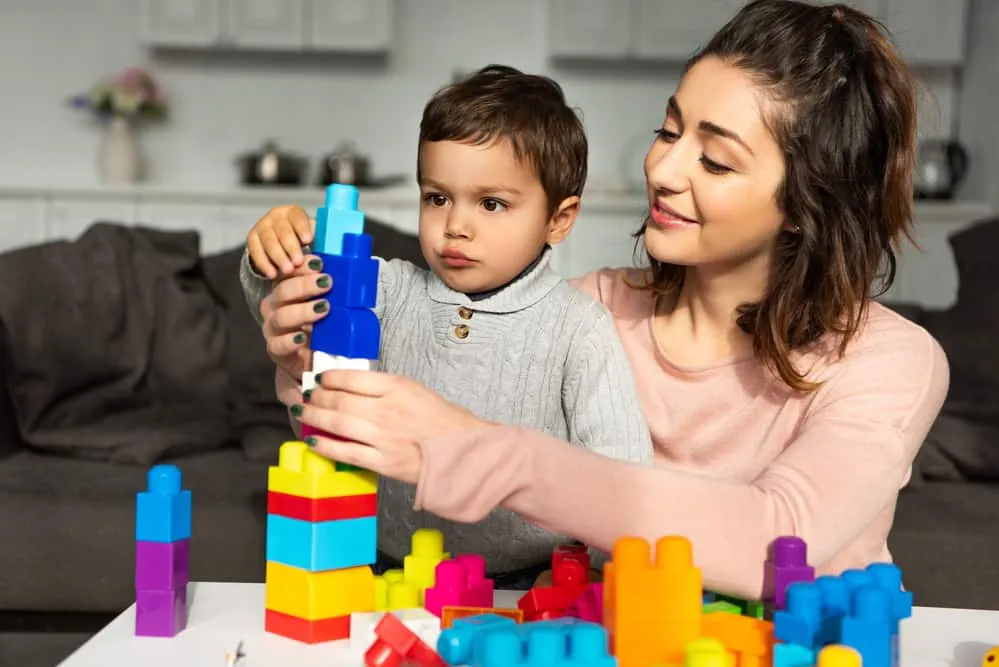
No label replaces an attentive adult. Stay close during play — especially with children under 3 and whenever a new toy comes out of its box — to make sure each toy is used as intended. Always read the manufacturer's instructions and warnings (age limits, assembly steps, precautions for use) before handing a toy over. Then teach your child to put toys back in their designated spot after playtime: a floor free of scattered toys prevents trips and falls, and keeps the toys in good condition longer.
Warning: toys with button batteries (mini remote controls, sound books, some electronic toys) must be kept completely out of reach of children under 5. A swallowed button battery can cause an internal chemical burn in under two hours. If ingestion is suspected, go to the emergency room immediately — do not induce vomiting.
Toy safety for children with special needs
Children with autism, ADHD or anxiety often have a particular relationship with their toys: they may mouth them longer than average, use them repetitively and intensively, or become strongly attached to them. These patterns amplify certain risks and call for adapted vigilance.
Mouthing and extended orality
For children who continue to put objects in their mouths past age 3 — a common behaviour in autism and various sensory profiles — it is essential to choose toys and accessories specifically designed for chewing: certified medical-grade silicone, BPA-free, phthalate-free, tested for accidental ingestion. The chewable tools in the Robiii shop meet these criteria.
Durability and resistance
A child who uses a toy intensively can quickly bring it to the point where it cracks or loses a piece. Favour robust toys built for heavy use, and inspect them more frequently. Durability is not a luxury — it is a safety condition in its own right. To better understand which toys suit your child's sensory profile and developmental needs, read our article on the best toys for child development.