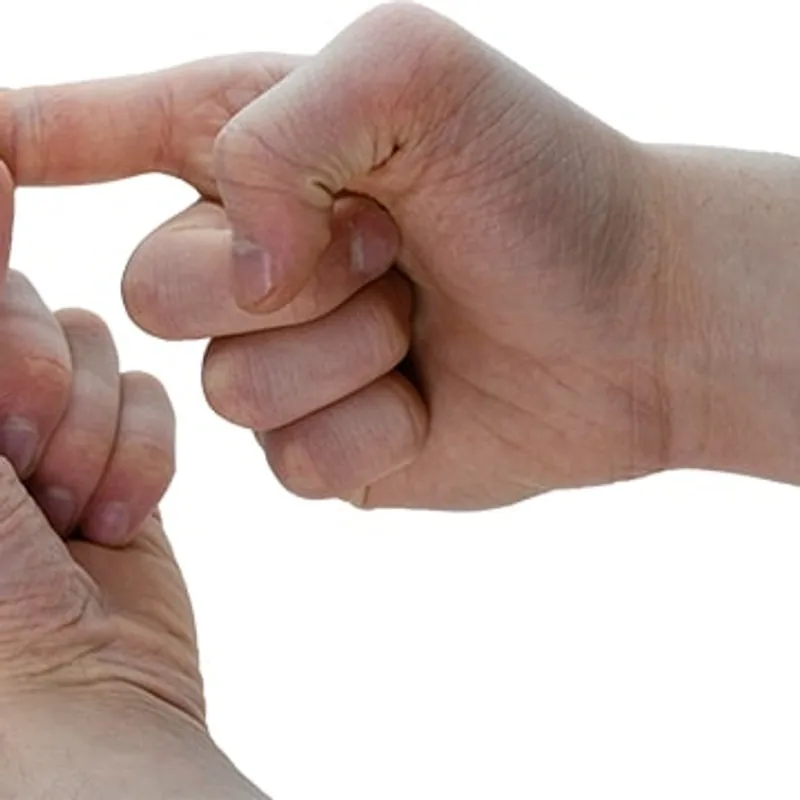
Sensory Ring
$1.99eachView

Sensory toys give the hands something to do so the brain can settle and focus. At Robiii, we design them for kids with ADHD, autism, anxiety or dyslexia — at home, in the classroom and in therapy.
22 products
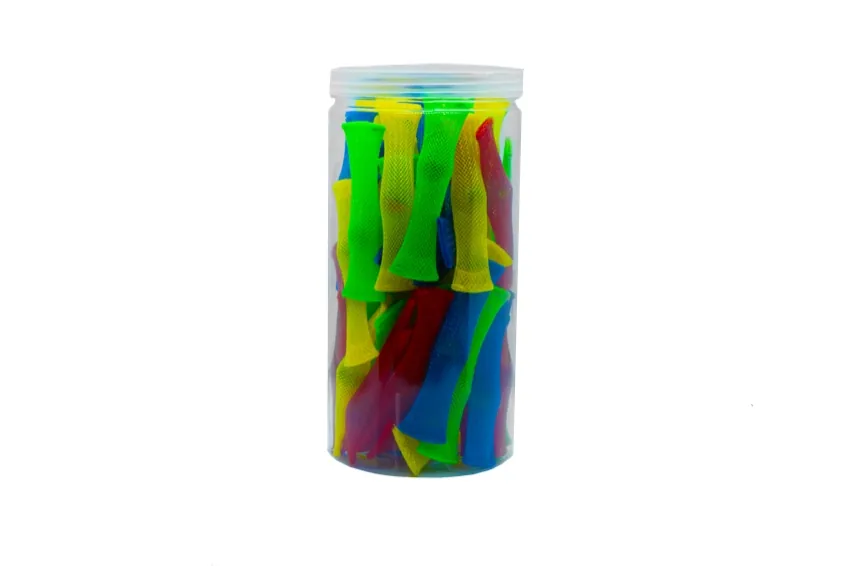
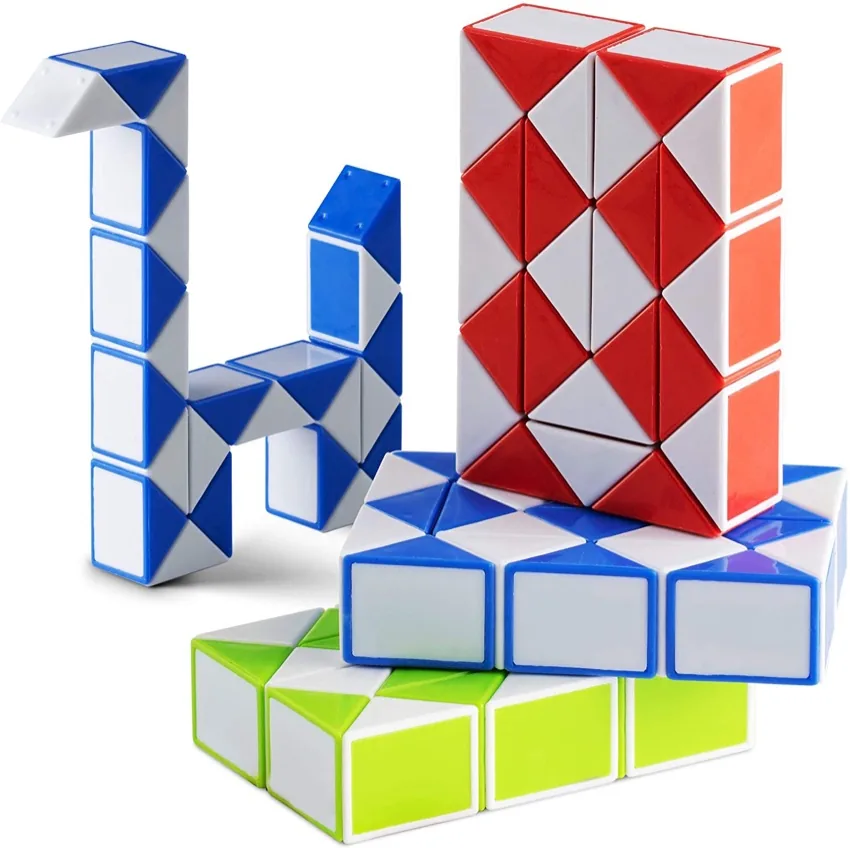
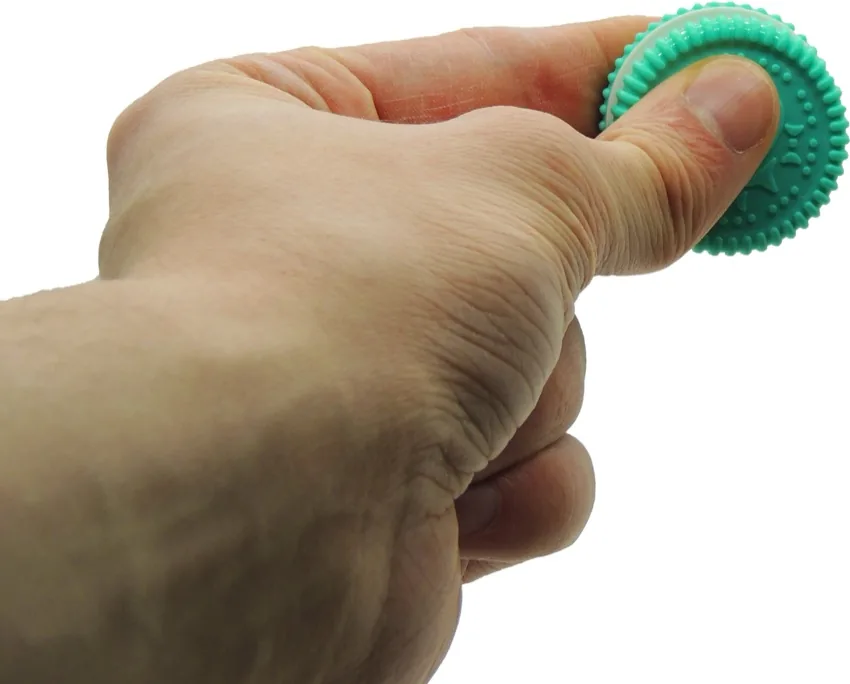
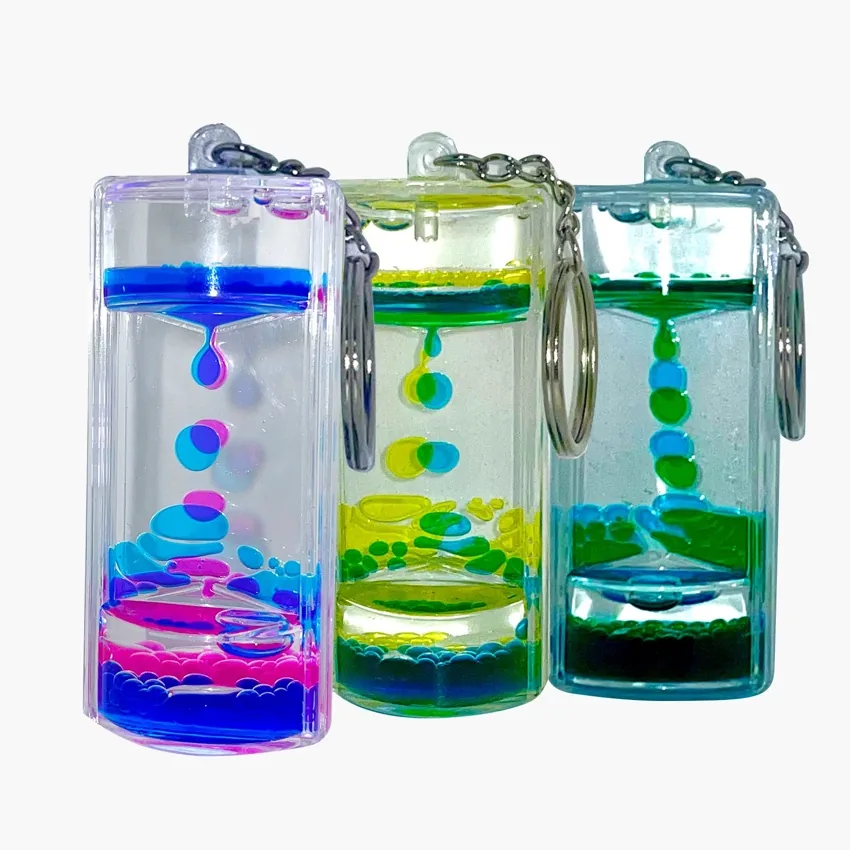
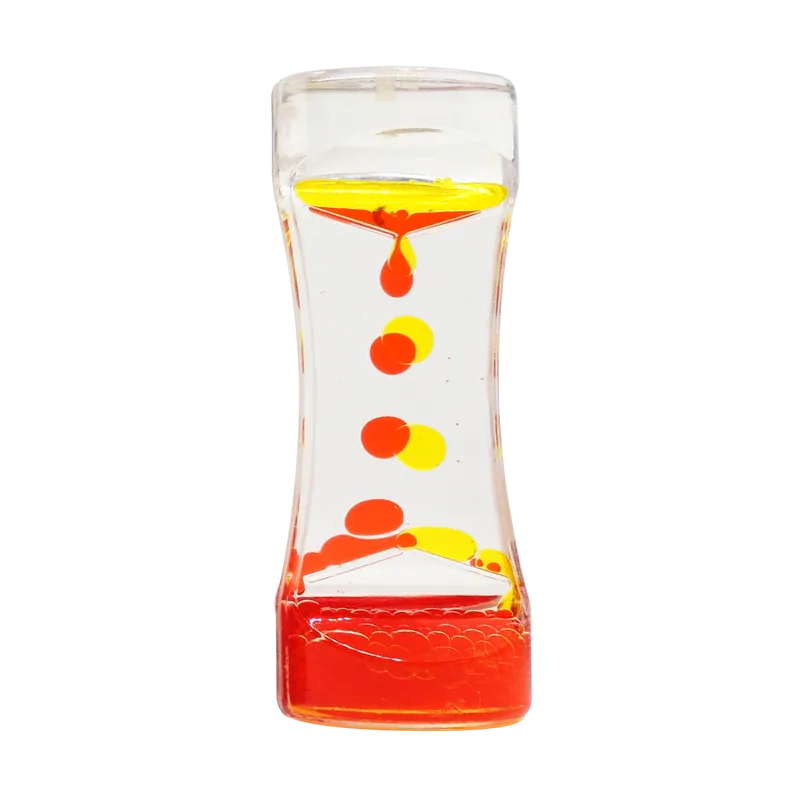
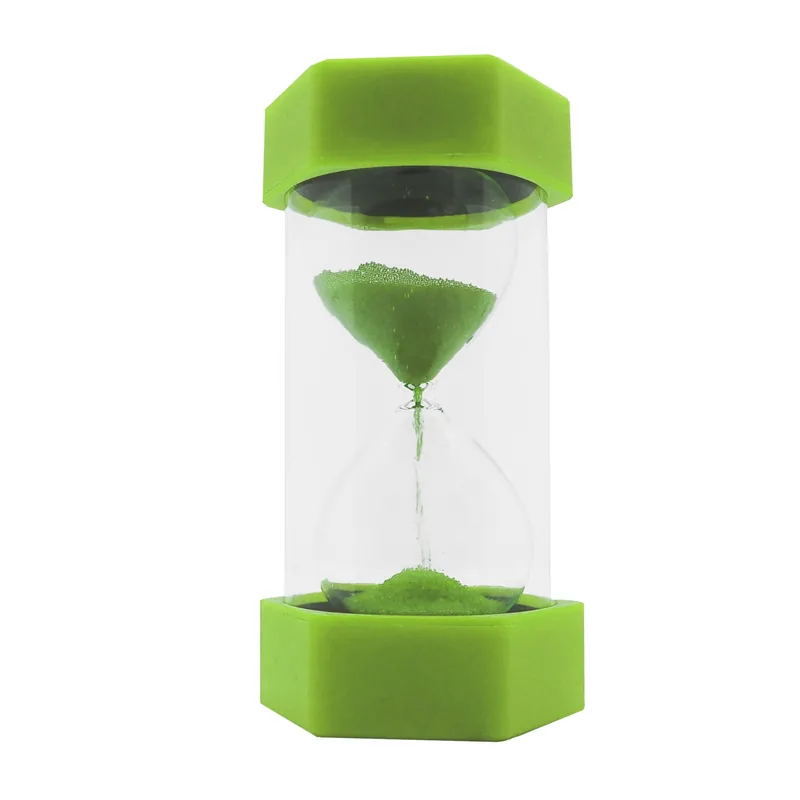
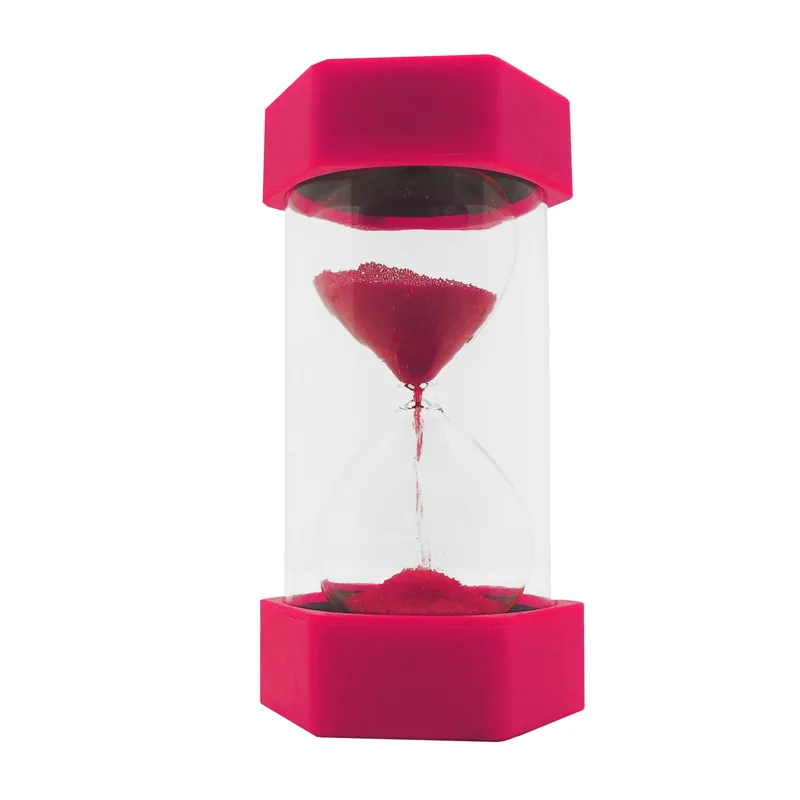
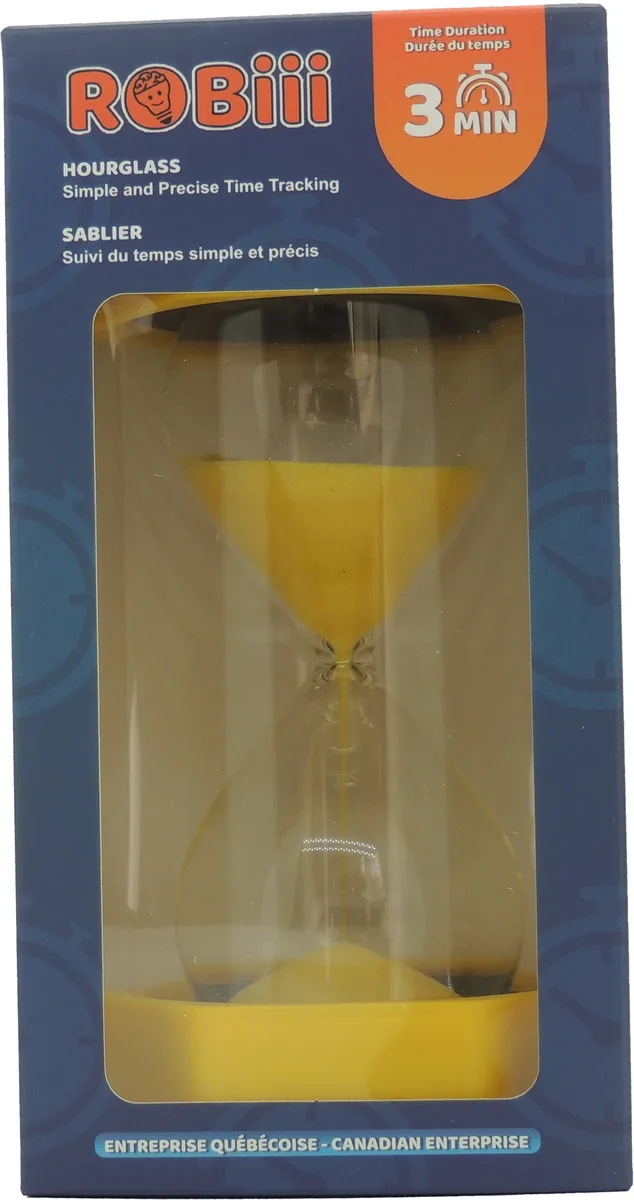
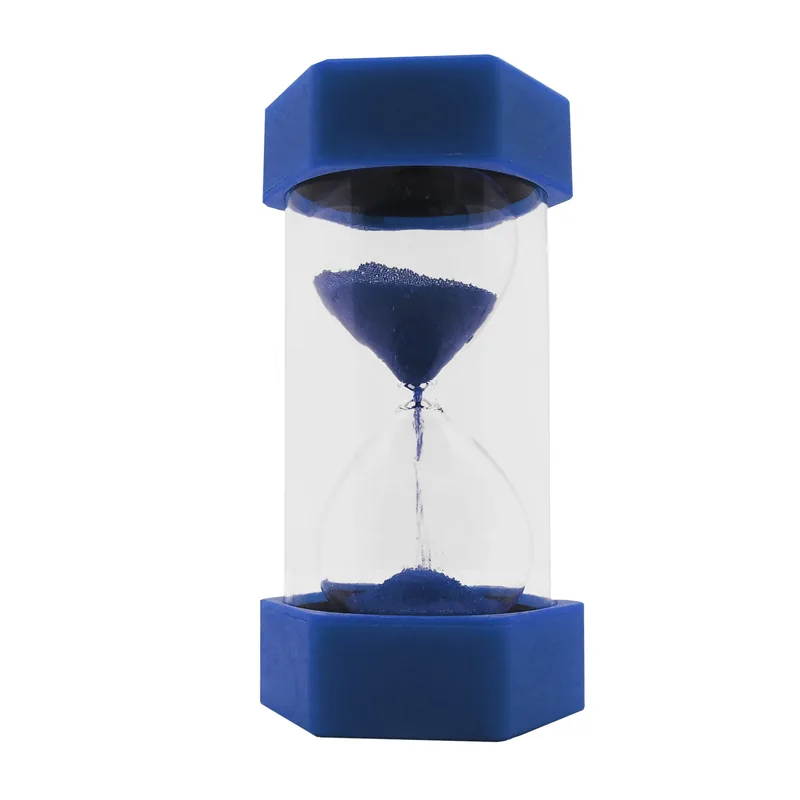
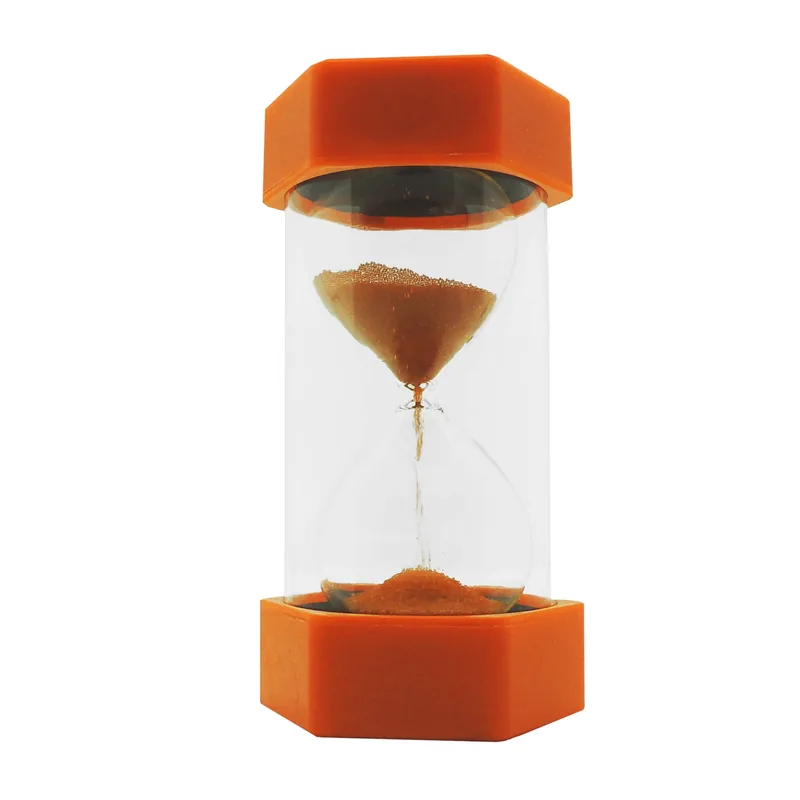
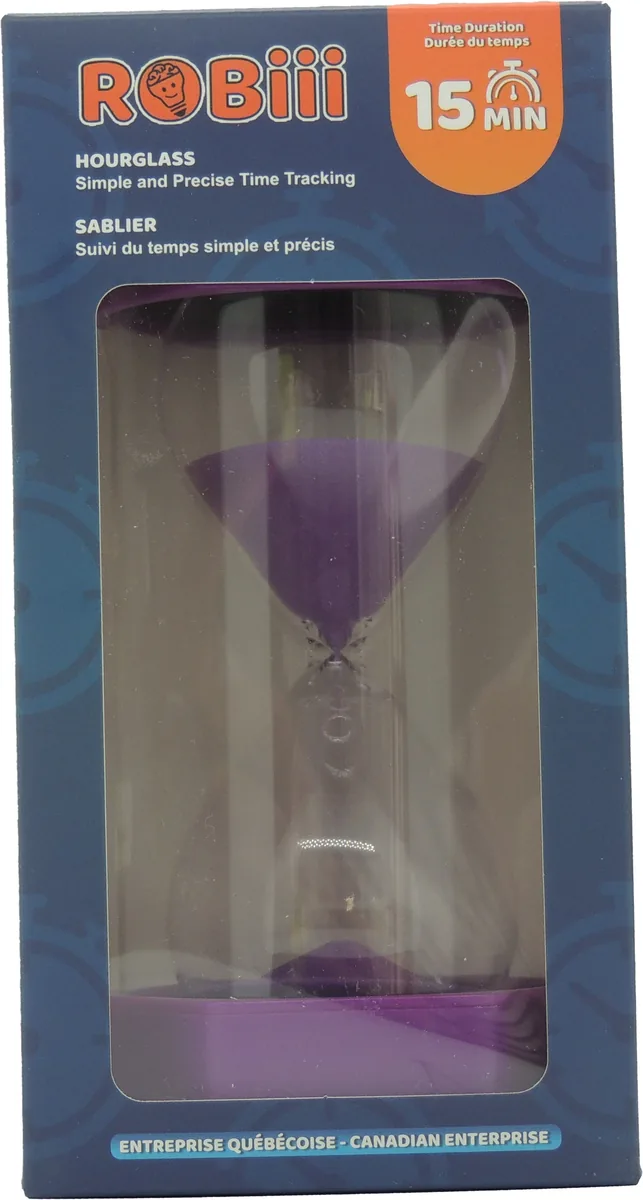
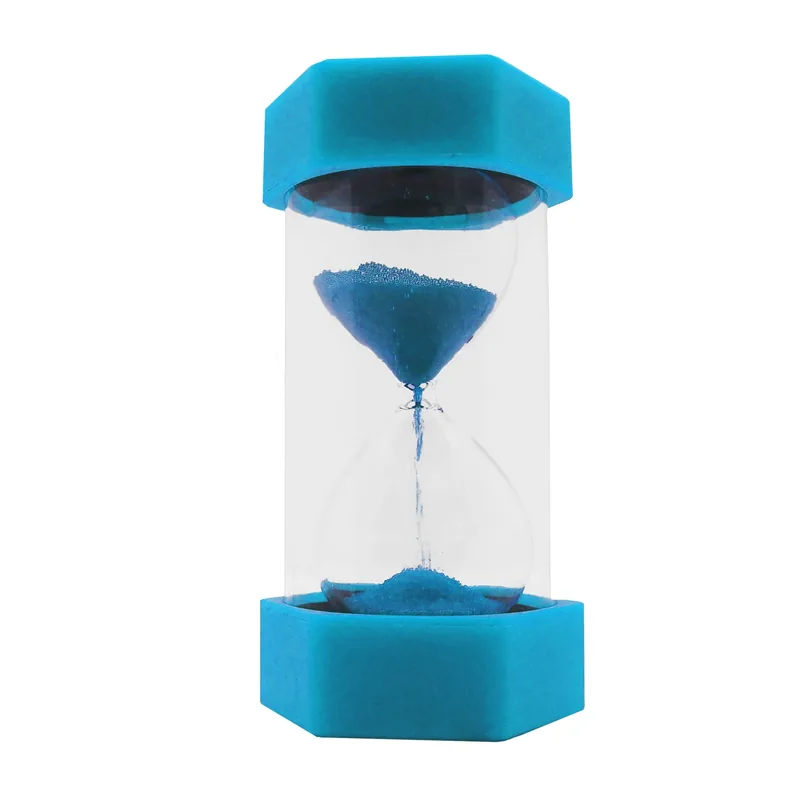
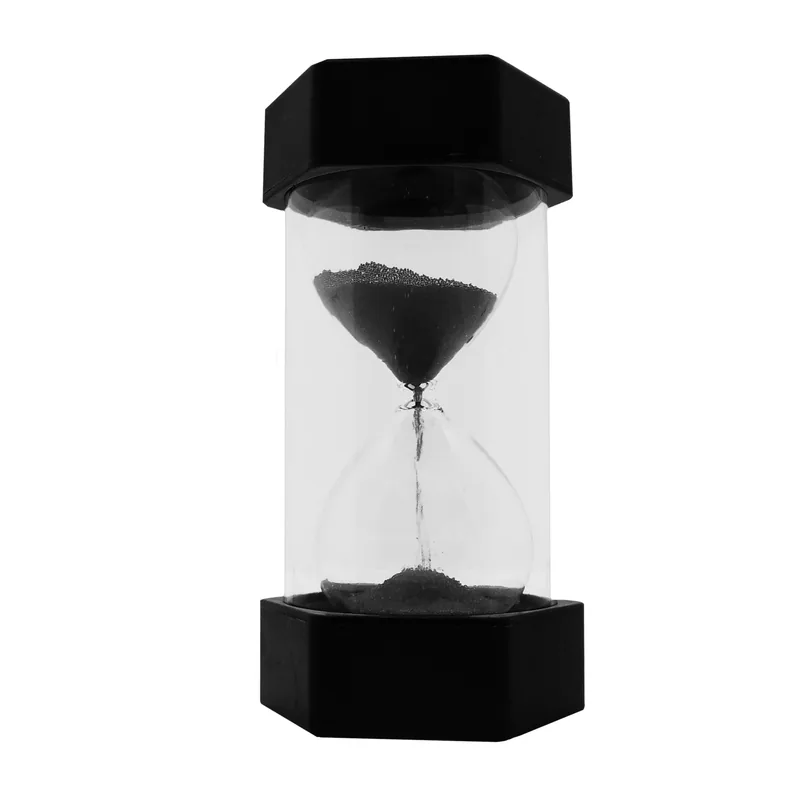
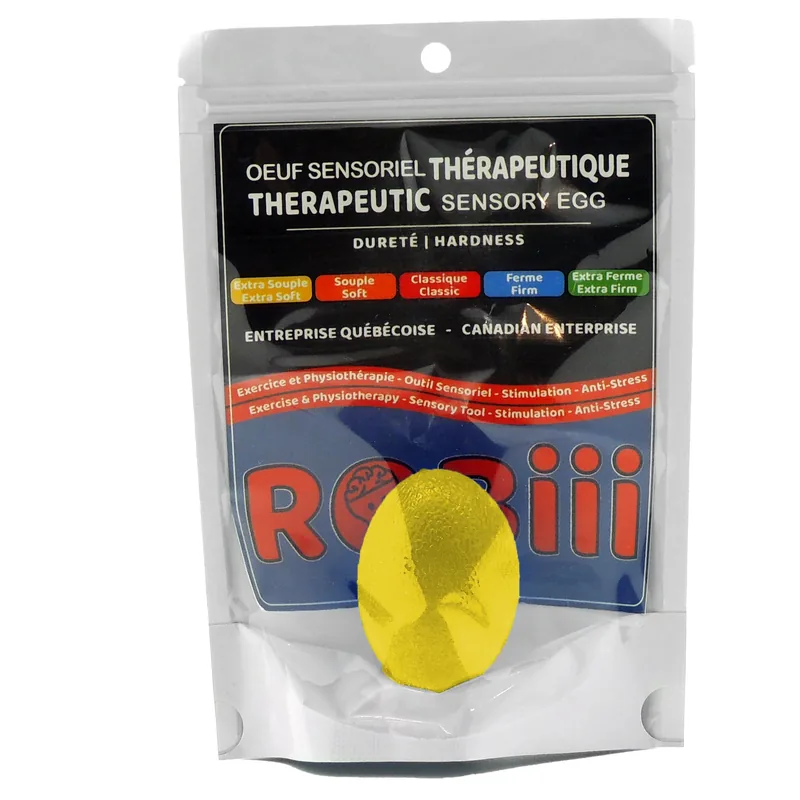
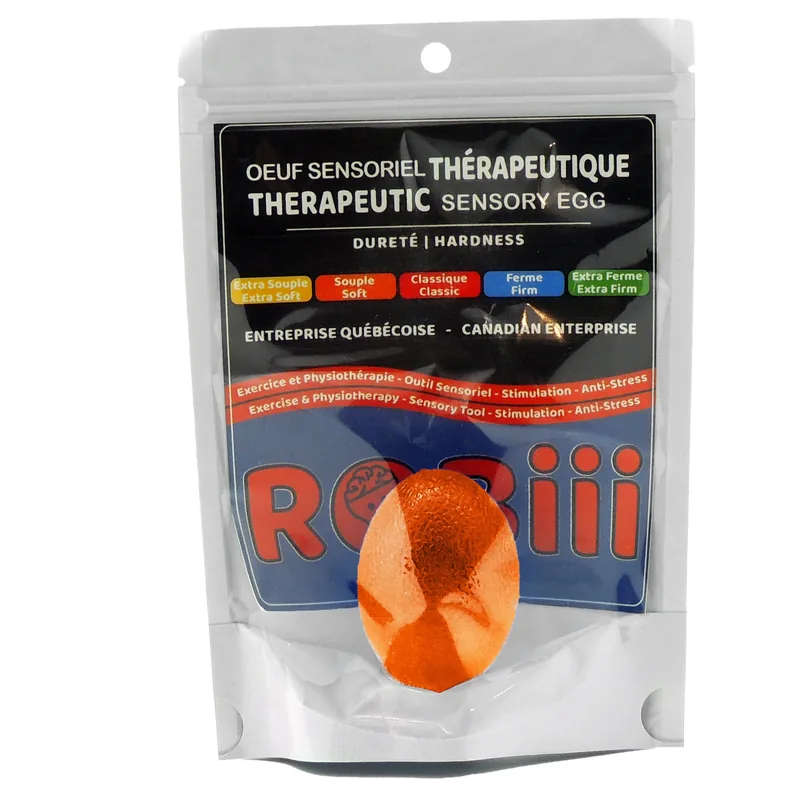
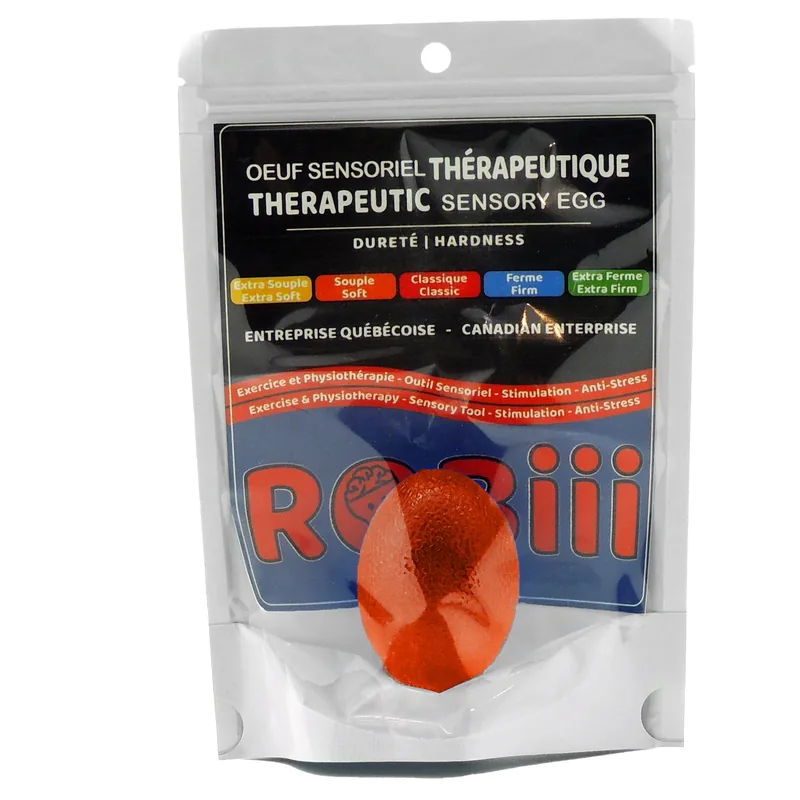
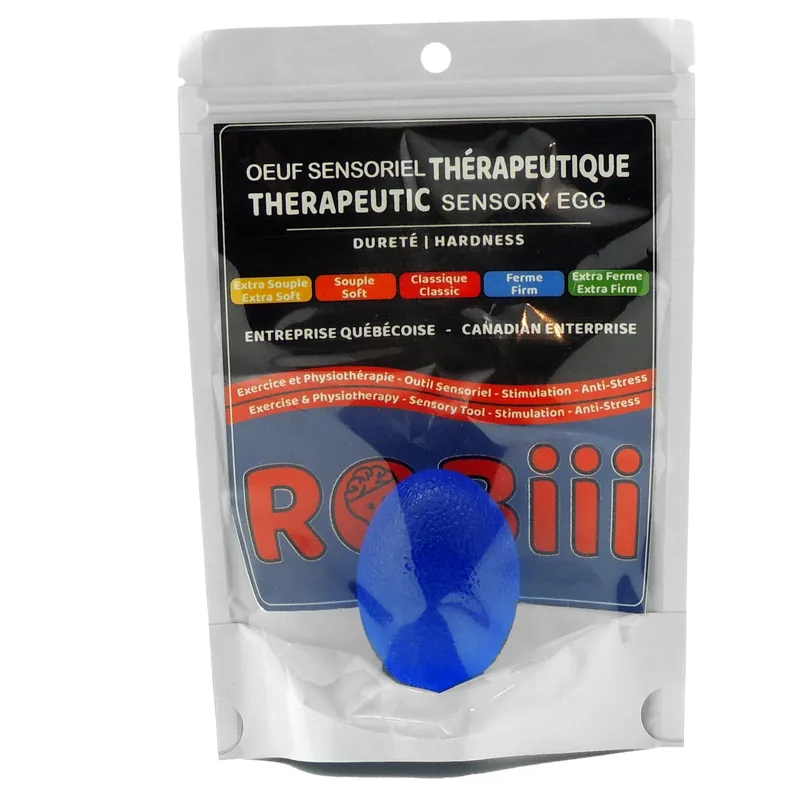
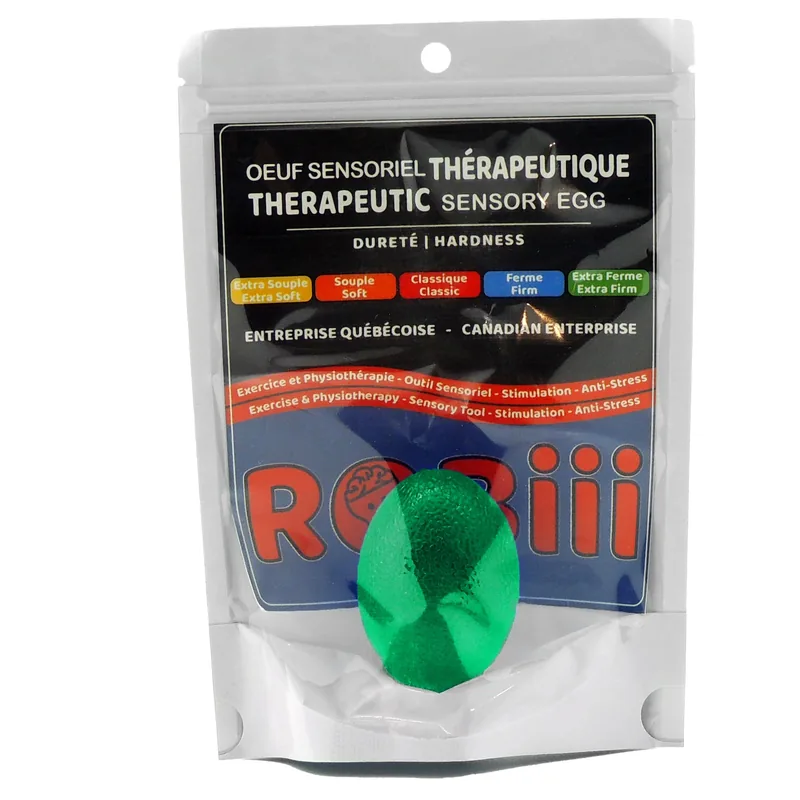
A sensory toy is an object designed to occupy one or more senses — touch, sight, sometimes hearing — in a repetitive, predictable way. By giving the fingers a motion to explore (stretch, slide, twist, squeeze), it channels nervous energy into a useful gesture instead of letting it spill out as fidgeting, pencil-chewing or lost attention. These are often called fidget tools: a small pressure valve that helps the body stay regulated.
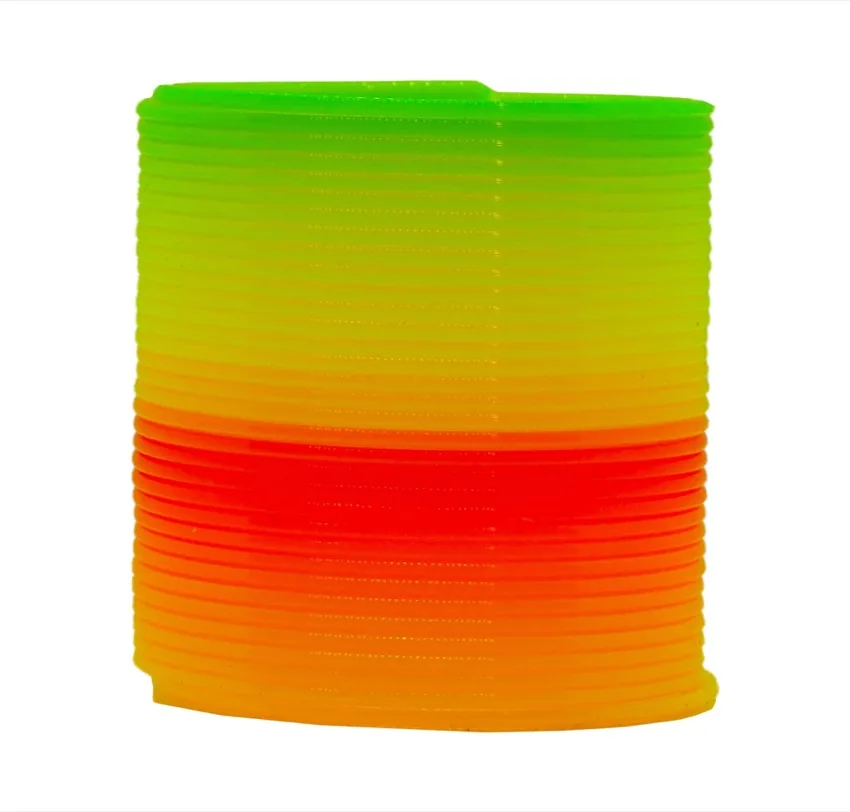
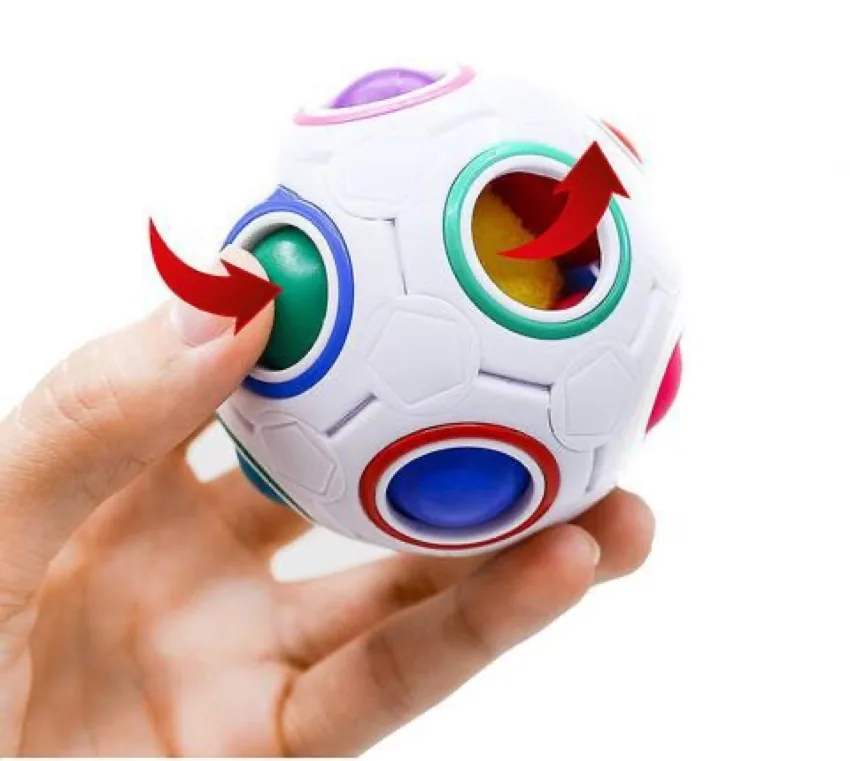
At Robiii, the range runs from tiny to genuinely hypnotic. The Sensory Ring is worn on the finger and handled in silence; the Tubiii pulls, stretches and snaps back; the Magic Spring and Magic Snake ripple from hand to hand; the Magic Rainbow Ball expands and collapses like origami; and the Liquid Timers (including the Key Chain Liquid Timer) offer the soothing visual of droplets sinking in slow motion.
Our nervous system constantly seeks the right level of arousal: not too sleepy, not too wired. Many children — especially those with ADHD or an autistic profile — struggle to reach that balance on their own. A rhythmic, repetitive motion supplies steady sensory feedback (touch, proprioception) that helps the brain re-center. In practice, a child kneading a Magnetic Slider or watching the slow fall of a Liquid Timer is handing their nervous system a stable anchor.
It is not magic in any literal sense: these objects do not cure anything. But they work as a self-regulation tool, the same way an adult spins a pen while thinking. Used well, they reduce restlessness, extend attention span and offer a discreet strategy for getting through a wave of anxiety.
Not every child is looking for the same thing. Here is how to steer your choice by profile:
| Product | Best for | Texture / motion | Quiet for class? |
|---|---|---|---|
| Sensory Ring | Anxiety, discreet use | Slides around the finger | Yes, silent |
| Tubiii | ADHD, need to move | Stretches and snaps back | Yes |
| Magic Spring | ADHD, continuous motion | Ripples hand to hand | Mostly, light sound |
| Magic Snake | Busy hands | Folds into many shapes | Yes |
| Magic Rainbow Ball | Autism, visual | Expands and collapses | Somewhat |
| Liquid Timer | Calm, transitions | Droplets sinking down | Yes, visual |
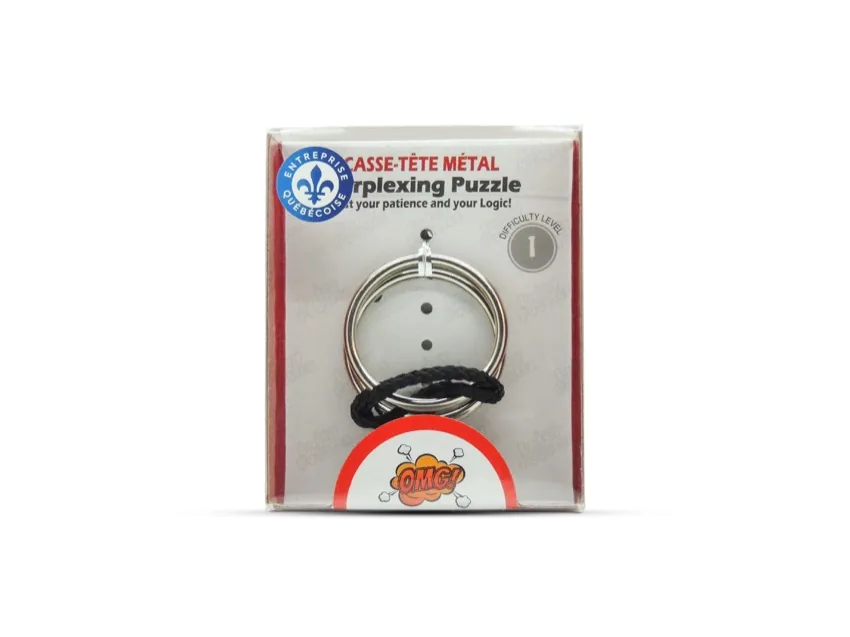
| Metal Wire Puzzle | Focus, challenge | Untangle / solve | Yes |
At home, a sensory toy becomes a calming ritual: offer it before homework, during a hard transition, or at bedtime to wind down. The Liquid Timer is especially handy for timing a break or signalling the end of an activity.
In the classroom, the goal is a quiet object that does not distract neighbours: the Sensory Ring, the Magic Snake or a Metal Wire Puzzle tucked in the pencil case. Many Québec teachers set one simple rule: the tool stays under the desk, in the hand, and never leaves the student's seat.
In occupational therapy or special-education settings, these objects serve as a concrete support for working on fine motor skills, turn-taking and self-regulation. A varied kit lets the professional test which texture or motion best suits each child.
Our sensory toys generally suit school-age children (4 and up). Several contain small parts or magnets — such as the Magnetic Slider or the Metal Wire Puzzle — and should stay out of reach of toddlers who still mouth objects. Always supervise the first uses and check the condition of the parts regularly.
On durability, we chose materials that withstand daily handling and the inevitable desk drops. A Tubiii or a Magic Spring sails through a full school year without complaint, which makes them sensible purchases even at scale.
Robiii is a Québec brand specialized in educational, sensory and anti-stress toys. We know the needs of local families, teachers and therapists, and we pick each product for genuine usefulness, not just looks. Our affordable retail prices — from $1.39 for a Tubiii to $8.99 for a Magic Rainbow Ball — let you build a complete kit without breaking the bank. And because we ship from Québec, your orders arrive fast, anywhere in Canada.
Choosing the right sensory toy starts with figuring out what the child is seeking: to move, to see, to squeeze or to calm down. A fidgety child needs continuous motion; an anxious child needs a discreet gesture; a child craving visual input needs a hypnotic effect. The best approach is to offer a few options and watch which one they reach for on their own.
Free shipping in Canada. Trusted by 200+ stores, schools and clinics.