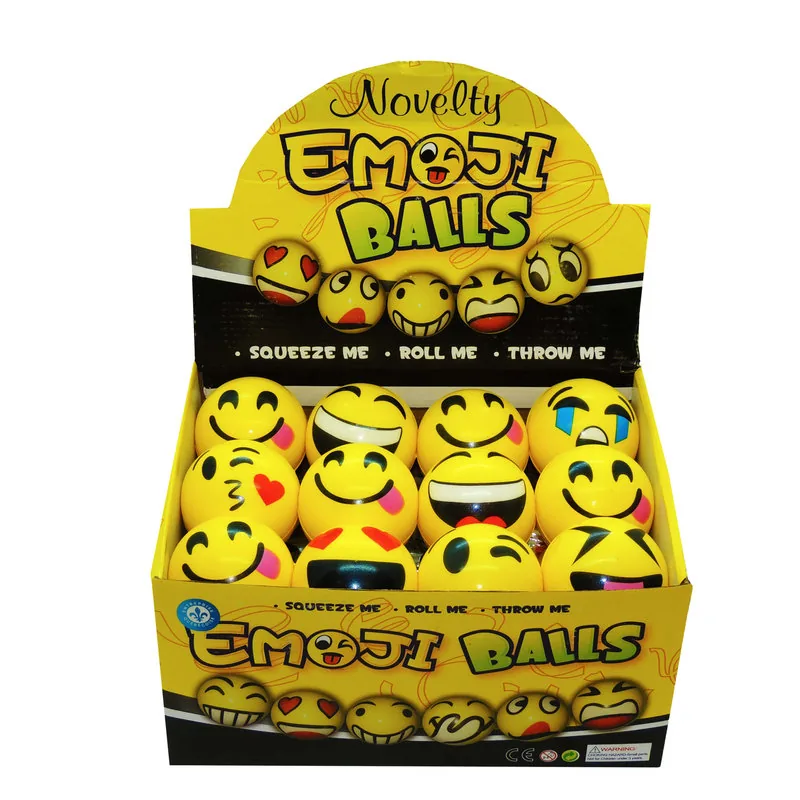
Emoji Stress Balls
Wholesalepricing available to registered retailers · case of 24View

Robiii supplies occupational therapists across Quebec with sensory, fine-motor and self-regulation tools built for the clinic, the school and home programs. Buy in quantity, get professional pricing, and restock fast from within Quebec.
16 products
Wholesale — no online payment: submit your order and we contact you to set up your account. Wholesale pricing available to registered retailers; payment terms set per account.
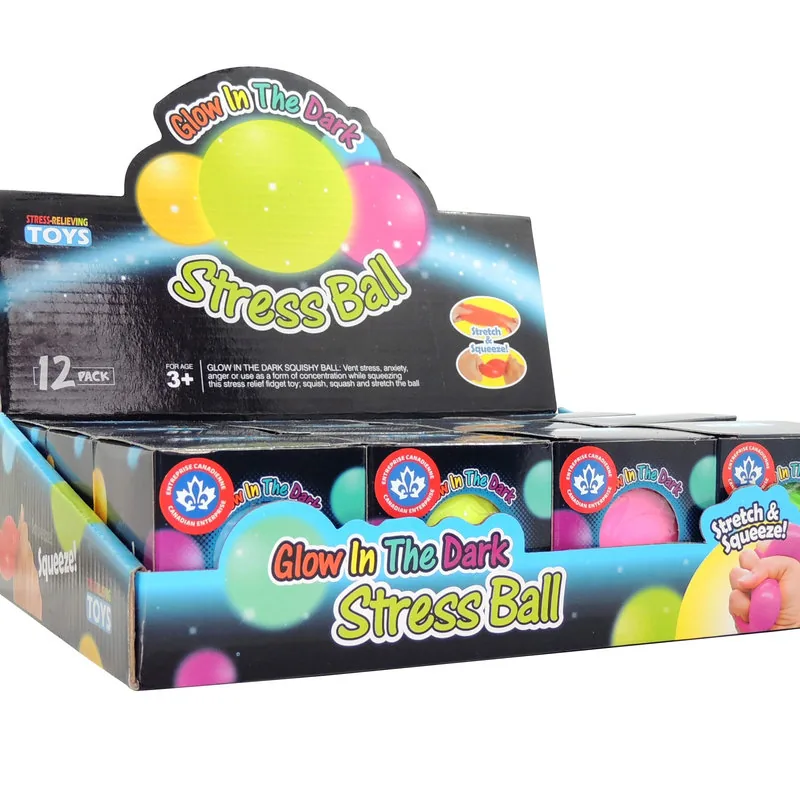
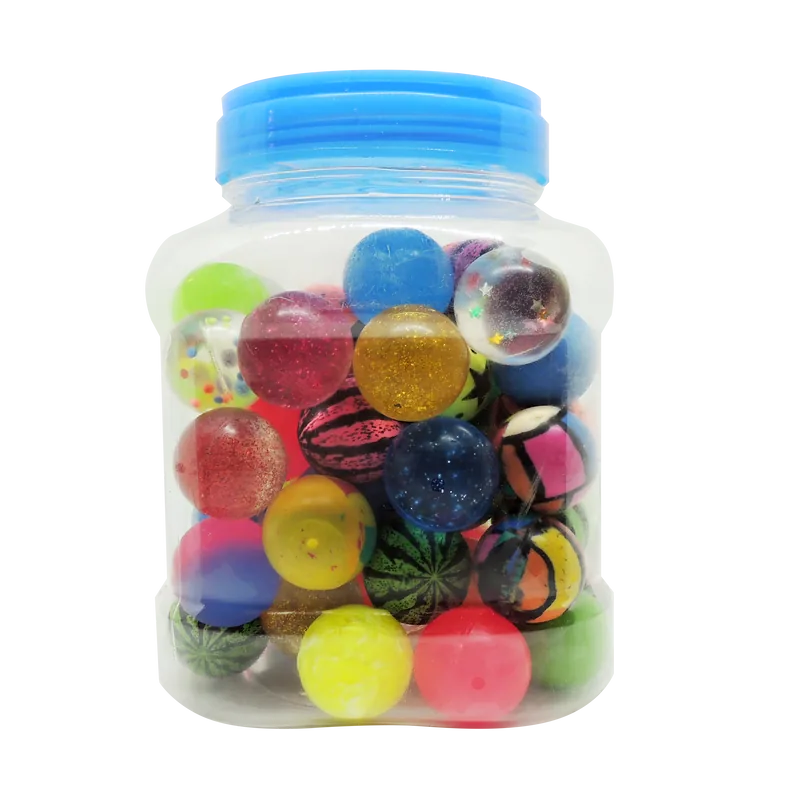
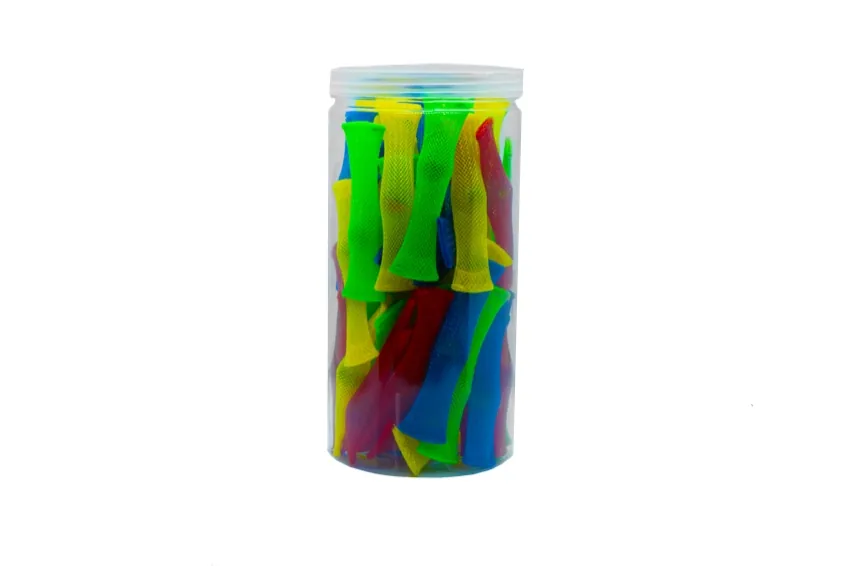
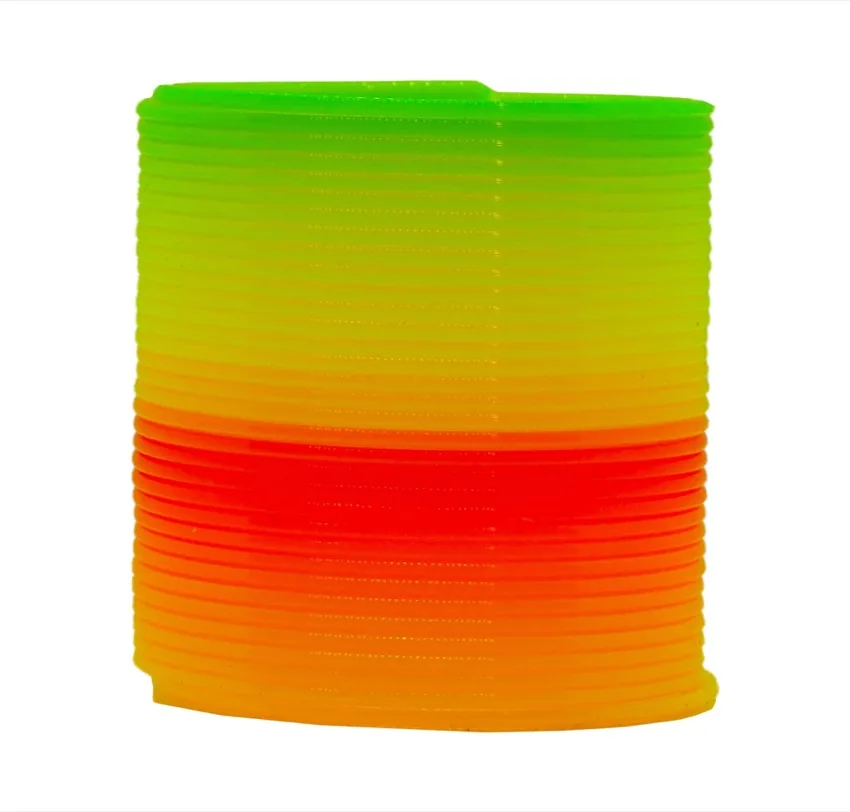
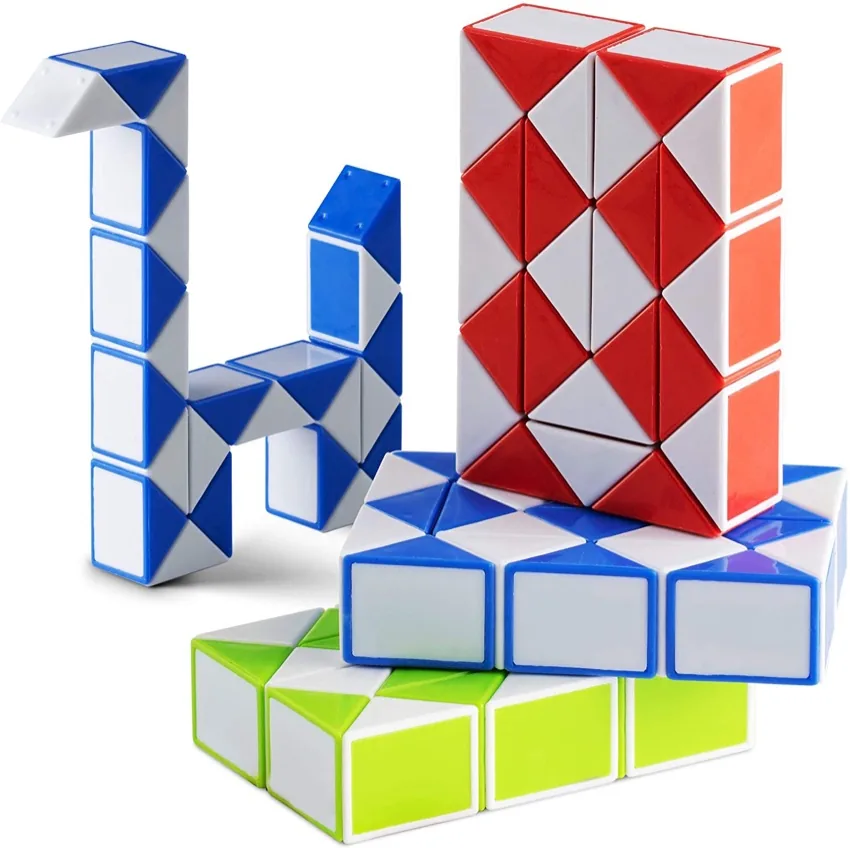
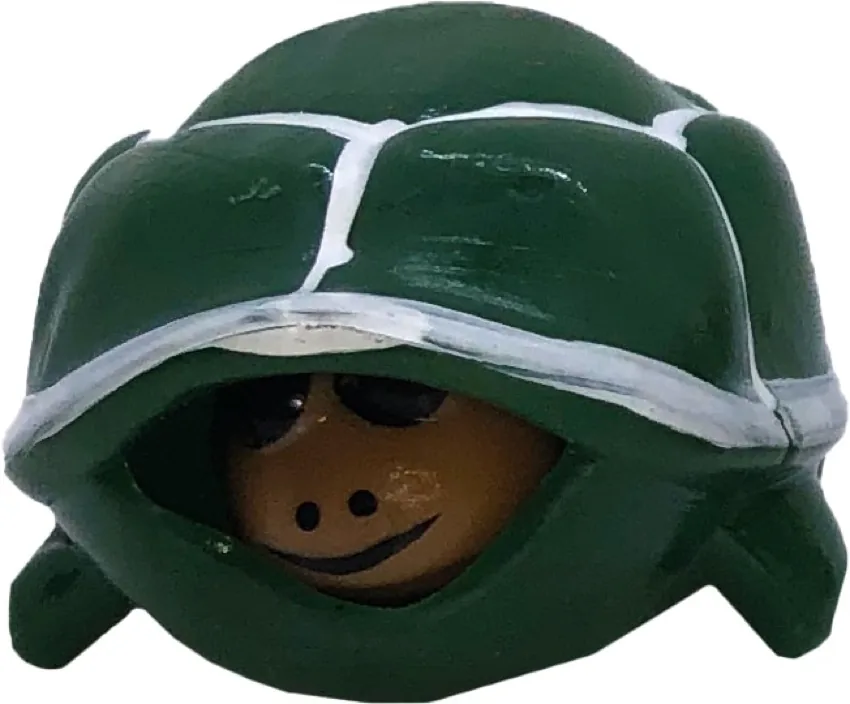
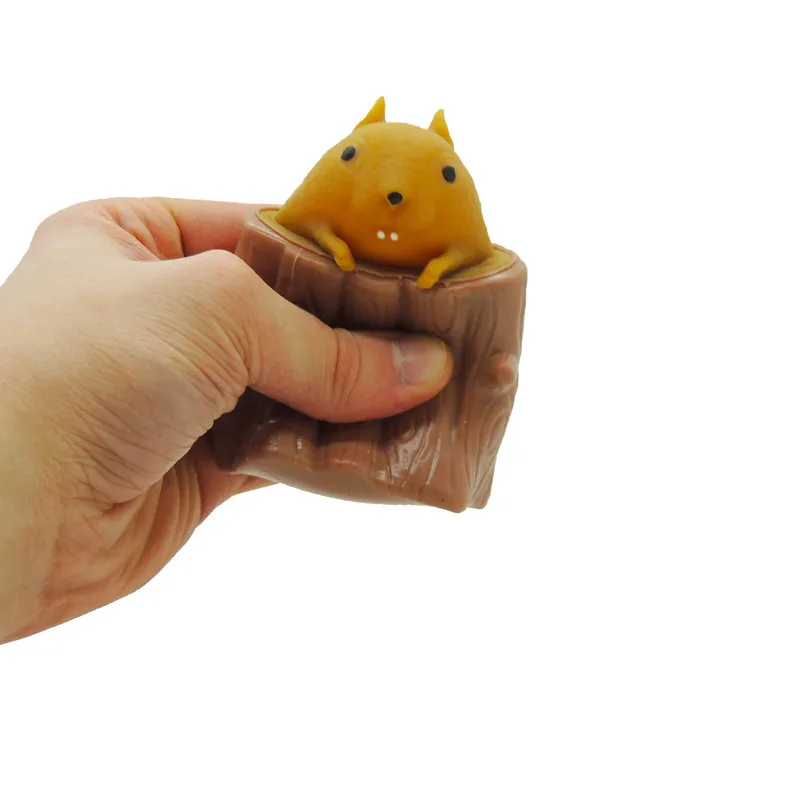
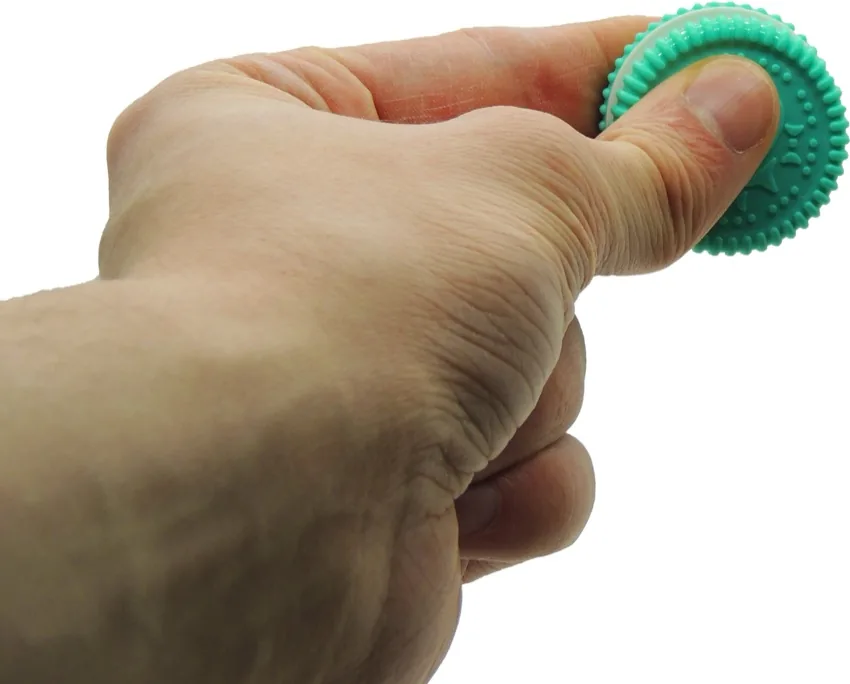
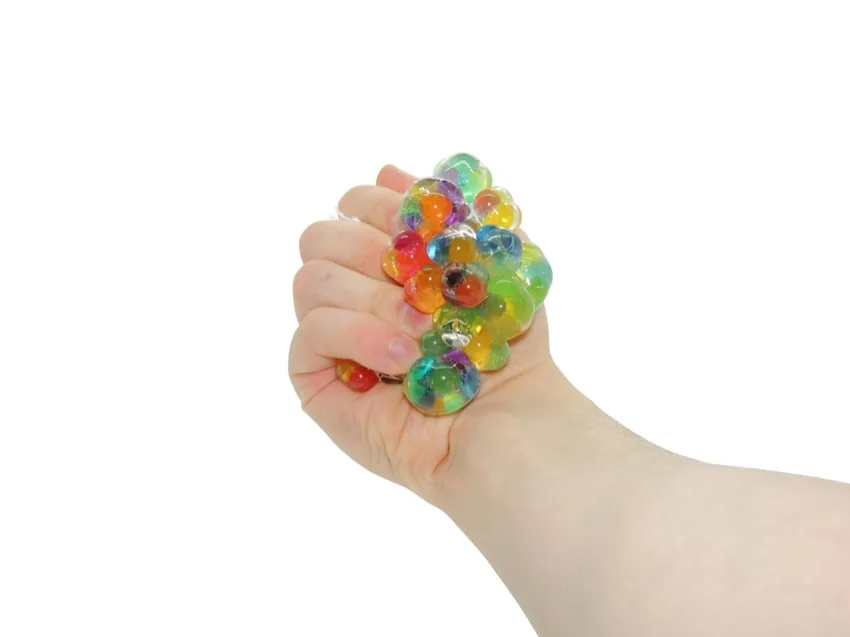
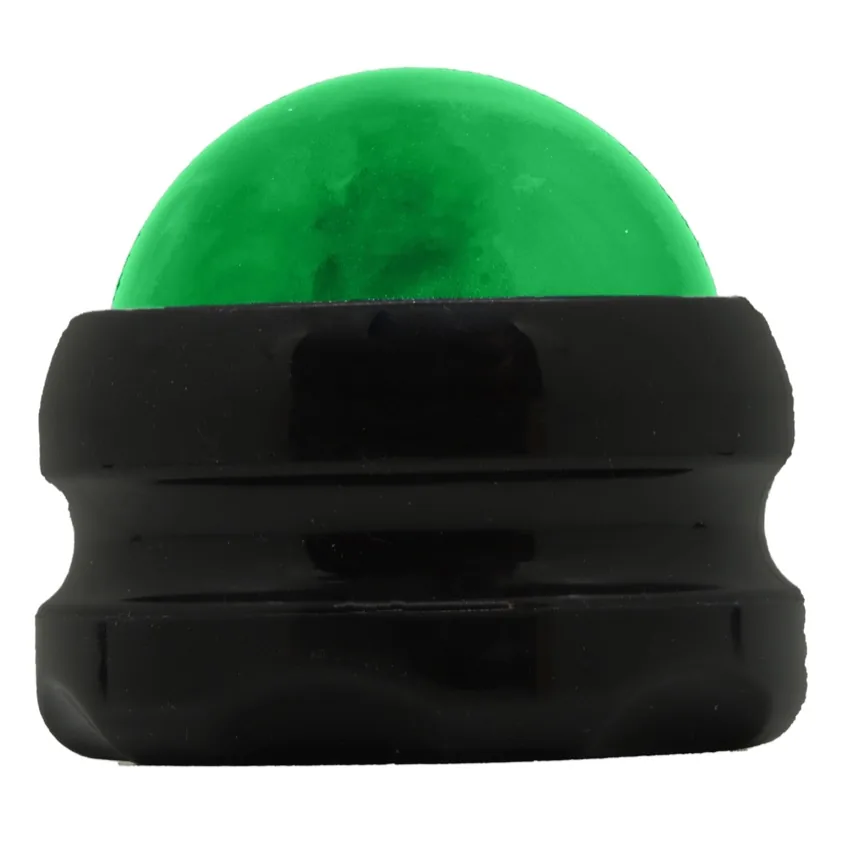
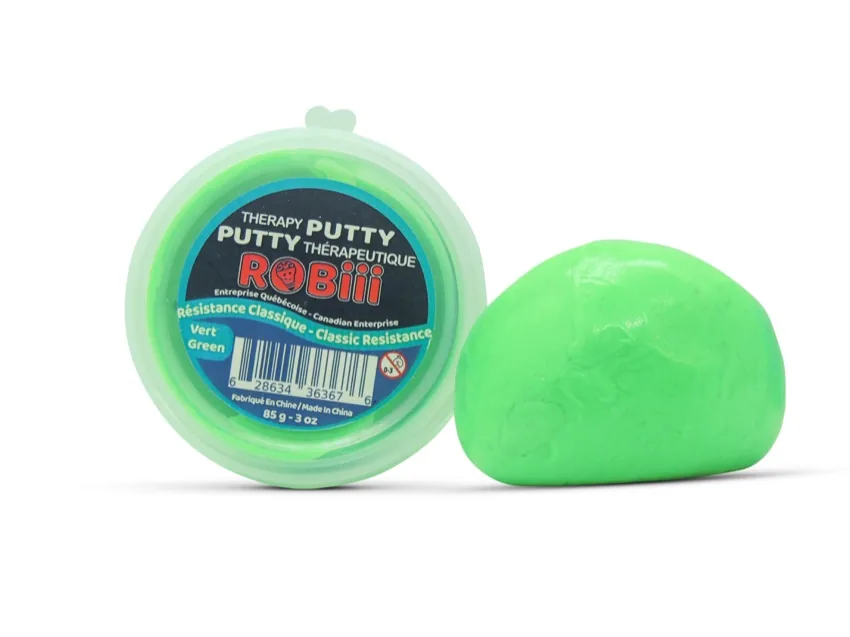
In pediatric OT, a tool is never a toy: it is a mediator. A ball, a putty or a metal wire puzzle exists to grade a challenge, to support self-regulation, or to make a fine-motor goal measurable. At Robiii, we select and distribute sensory and anti-stress tools with that clinical lens, so you can build reliable therapeutic setups without paying full retail every time you restock.
Most of the items we carry retail between $0.99 and $9.99 each, which lets you assemble complete kits and replace a worn, lost or home-program item without a second thought. For a practice seeing dozens of children a week, durability, ease of disinfection and constant availability matter as much as the therapeutic effect itself.
Sensory integration (the Ayres framework) and self-regulation approaches like the Zones of Regulation or the Alert Program rest on a simple principle: a nervous system that gets the right input at the right moment regulates better. Proprioceptive and tactile tools — resistance, stretch, vibration, texture — deliver calming or alerting feedback depending on the child.
Rather than sorting tools by diagnosis, it is usually more useful to start from the goal. Here is how our products map onto the most common objectives in the clinic.
| Clinical goal | Recommended tool | Why |
|---|---|---|
| Grip strengthening | Therapy Putty, Doh Squishy | Gradable resistance, work on the hand's intrinsic muscles |
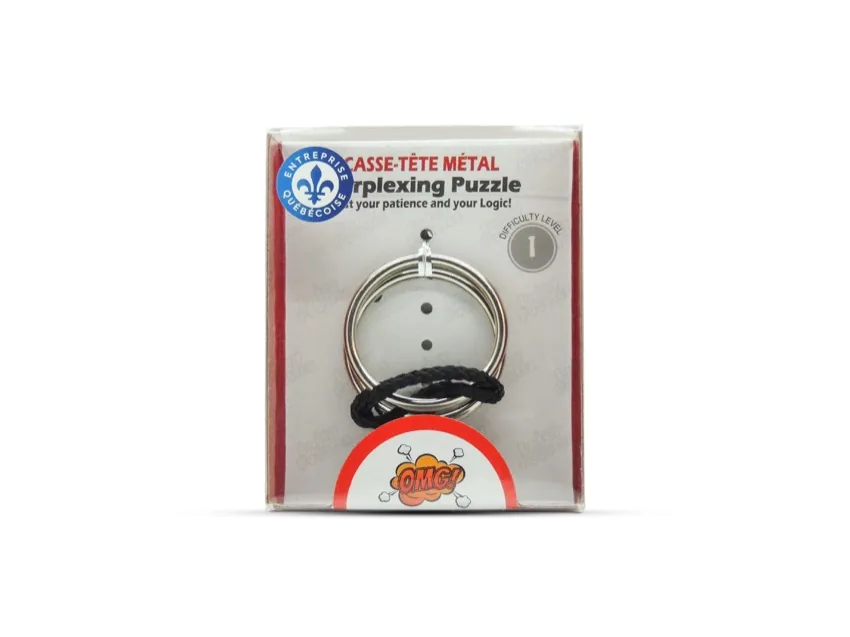
| Fine motor and bilateral skills | Metal Wire Puzzle, Magnetic Slider, Tubiii | Two-handed manipulation, dexterity, motor planning |
| Self-regulation and calming | Emoji Stress Ball, Putty, Squishy mesh ball | Calming proprioceptive and tactile input, discreet in class |
| Tactile desensitization | Sensory Ring, Evil Squirrel, Squeeziii Turtle | Graded textures, tolerable exposure |
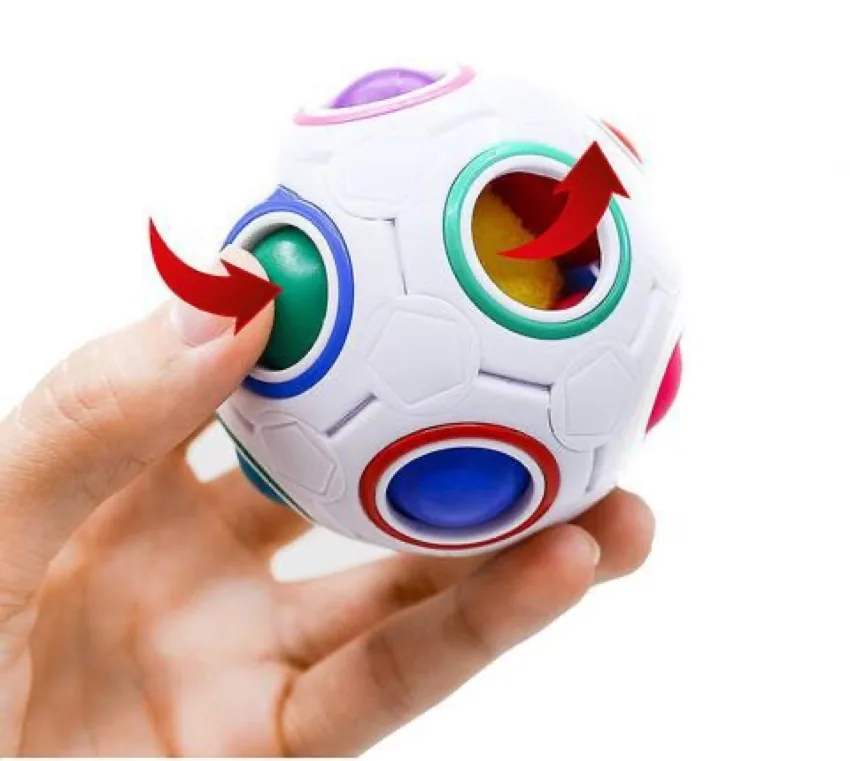
| Attention and visual tracking | Magic Rainbow Ball, Magic Snake, Magic Spring | Engaging stimulus, eye-hand coordination |
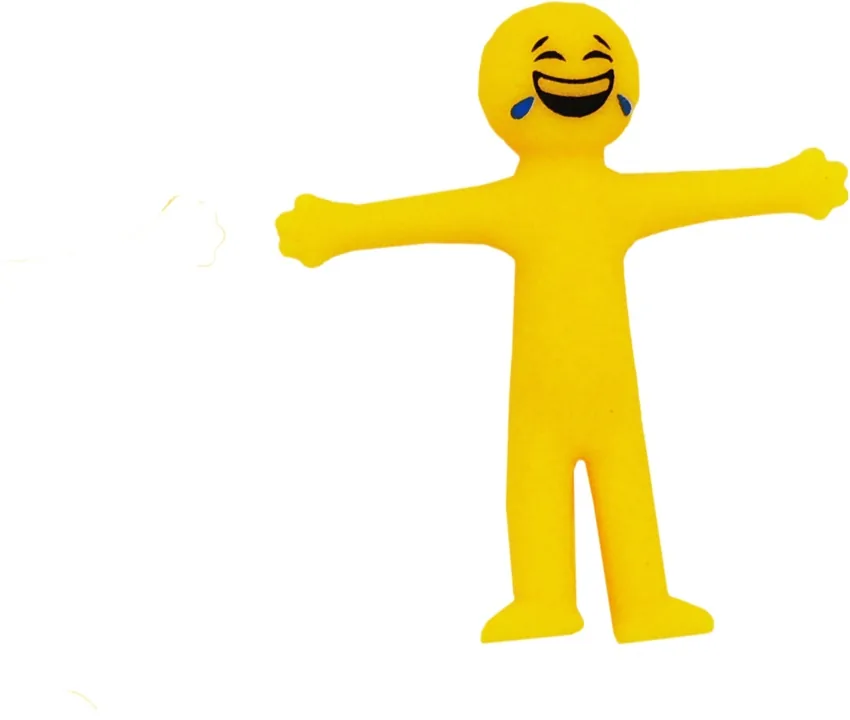
| Hand prep for handwriting | Massage Roller Ball, Stretchy Emoji | Warm-up, proprioceptive awareness before the task |
For the under- or over-aroused child, a quiet tool to handle under the desk supports attention without disturbing the group. The Emoji Stress Ball, the Tubiii and the Stretchy Emoji are discreet enough for school use and sturdy enough for daily wear.
For sensory input and predictability, the Therapy Putty, the Squishy mesh ball and the Squeeziii Turtle offer repeatable sensations. The Sensory Ring provides portable stimulation, useful during transitions or in a waiting room.
Slow-press objects — Doh Squishy, Evil Squirrel, Massage Roller Ball — pair well with breathing and return-to-calm techniques.
Before a graphomotor task, a warm-up with the Massage Roller Ball and the Putty improves hand awareness; the Metal Wire Puzzle trains transferable motor planning.
Most of our tools travel well between settings, which simplifies therapeutic continuity. A few practical pointers:
These tools are generally suited to school-age children and should always be used under supervision, especially small parts (rings, springs) with toddlers or mouthing clients. Favour smooth, washable surfaces: putty, balls and squishies clean up with soapy water between users, a real advantage in a high-volume practice. Regularly inspect stretchy items (Stretchy Emoji, Magic Snake) and retire anything cracked or torn.
Robiii is a Quebec brand and wholesaler: you order close to home, you receive fast, and you talk to people who understand the clinical reality. We offer professional pricing by quantity, reliable restocking of kit essentials, and the ability to build mixed orders that cover several goals at once. For a clinic, a school or a private practice, that means a stable supplier instead of an out-of-stock note every September.
Building an effective OT kit means starting from your clients' goals rather than from novelty. Think in stations: one tool for grip, one for bilateral skills, one for calming, one for tactile work. Vary resistances and textures so you can grade difficulty from one session to the next.
Wholesale pricing, fast shipping from Québec, low minimums.
therapy putty, pencil grips, hand exercisers
fidgets, stress balls, calming tools
safe chewables, multiple textures
tactile, visual and proprioceptive toys