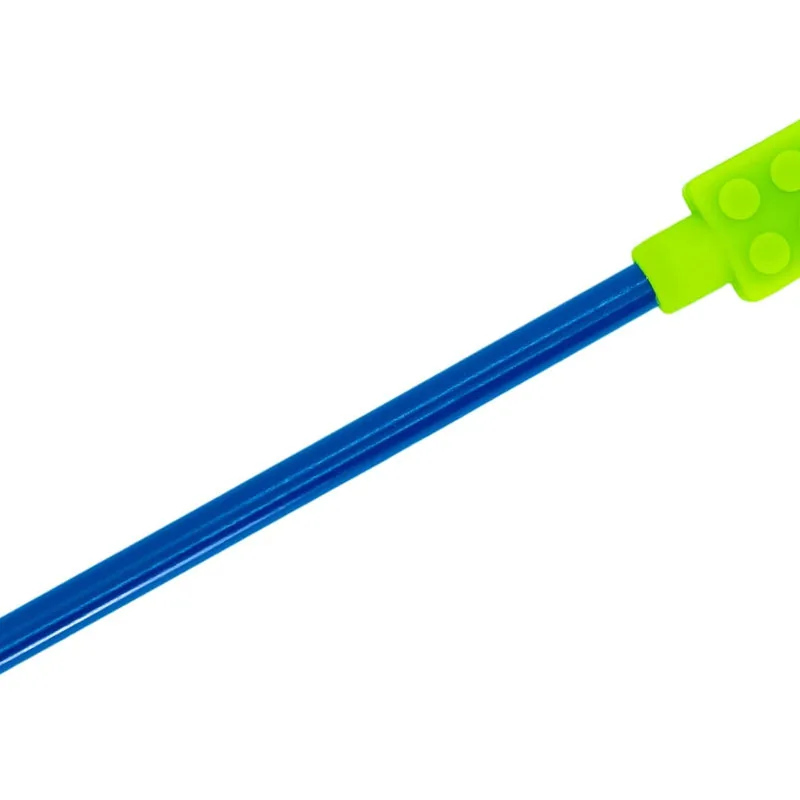
Chewable Pencil Topper
$3.99eachView

Choosing a sensory toy for an autistic child isn't about trends: it's about matching the right tool to their unique sensory profile. This guide helps you choose by real need, with our tested top picks.
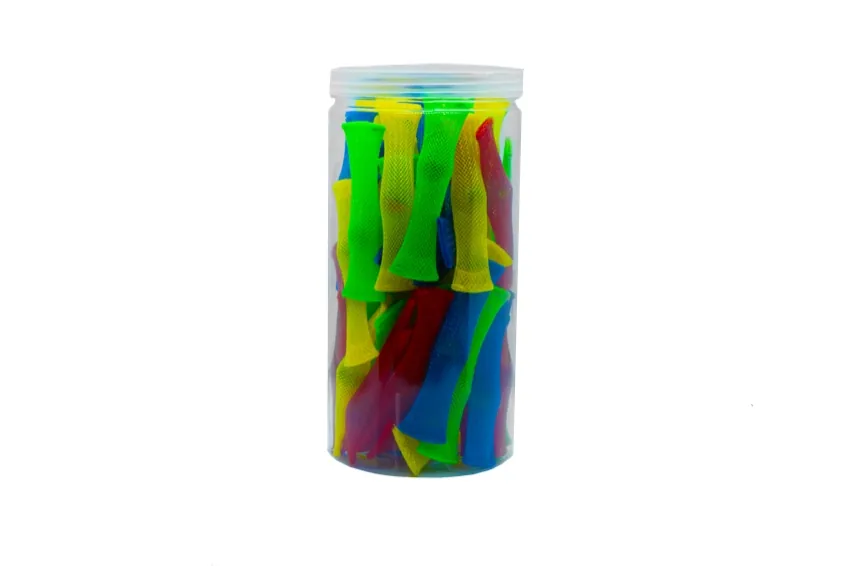
8 products
A sensory toy is an object designed to stimulate or calm one or more senses: touch, proprioception (awareness of the body in space), hearing, sight, and even the oral sense. For many autistic children, the nervous system processes sensory information differently. Some children are sensory seekers (they chew, move, touch everything), while others are sensory avoiders who find intense stimuli overwhelming (noise, light, textures). A good sensory toy gives a predictable, controllable input, which supports self-regulation.
The science behind these tools draws on sensory integration and the idea of regulating "input." A repetitive motion, deep pressure, or a texture to manipulate gives the brain an anchor. In practice, this can reduce anxiety before a transition, redirect self-stimulating behaviour ("stimming") toward a safe object, and improve the ability to stay focused. These tools don't "cure" anything: they support the child and offer a calming strategy they can make their own.
Before buying, observe: what does your child reach for when they're overwhelmed? The answer guides everything else. Here are the main need categories and the Robiii tools that match each one.
If they bite their sleeves, pencils, or collar, they have an oral need that should be channelled safely. The Chewable Pencil Topper offers a durable, safe surface that replaces objects not meant for the mouth. It's often the first purchase that makes a real difference in a classroom or at home.
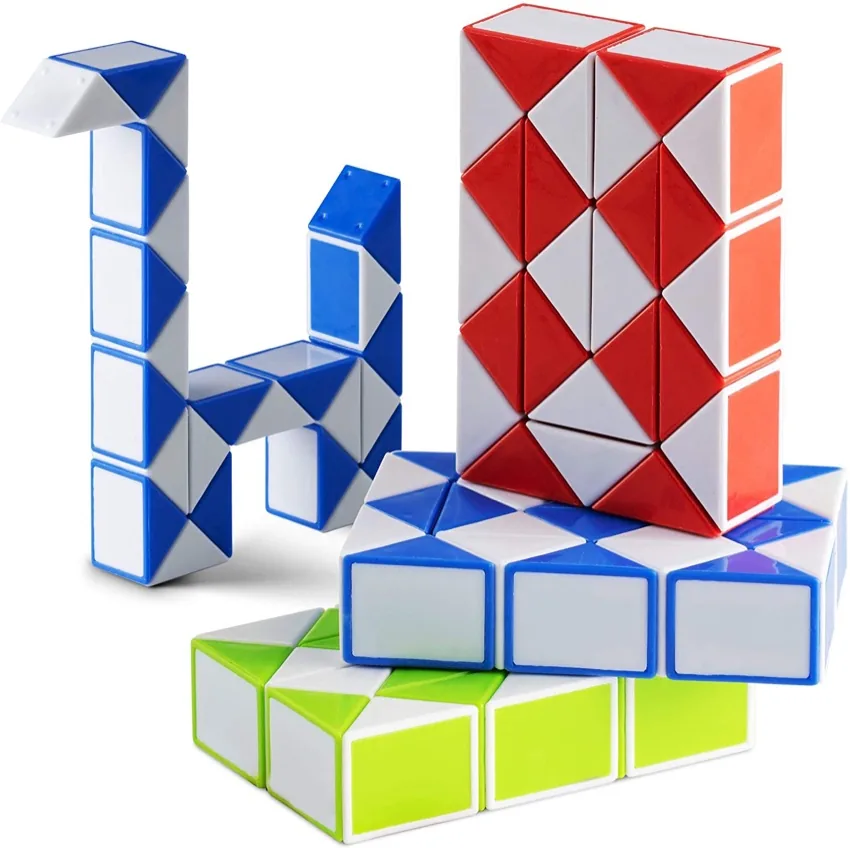
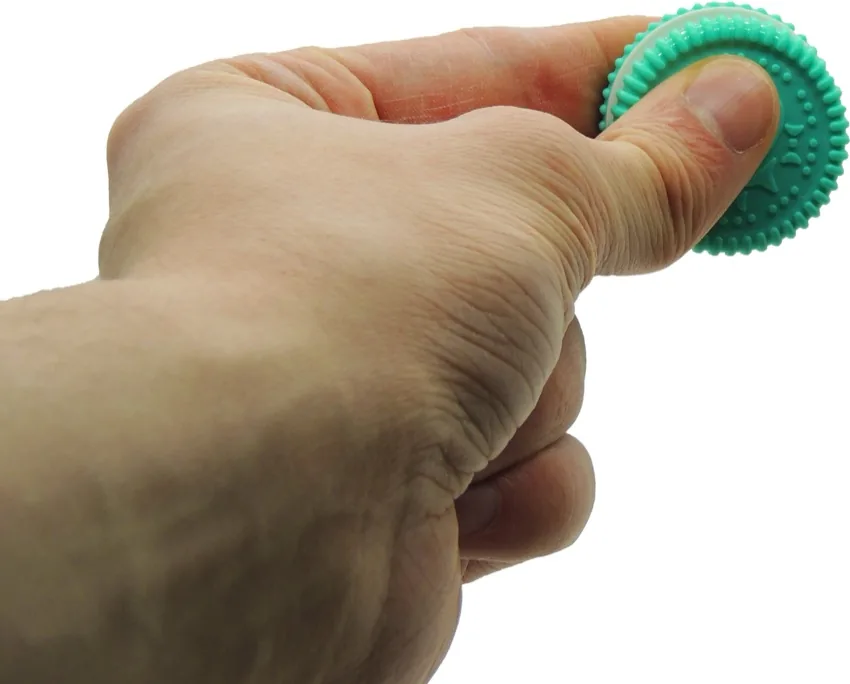
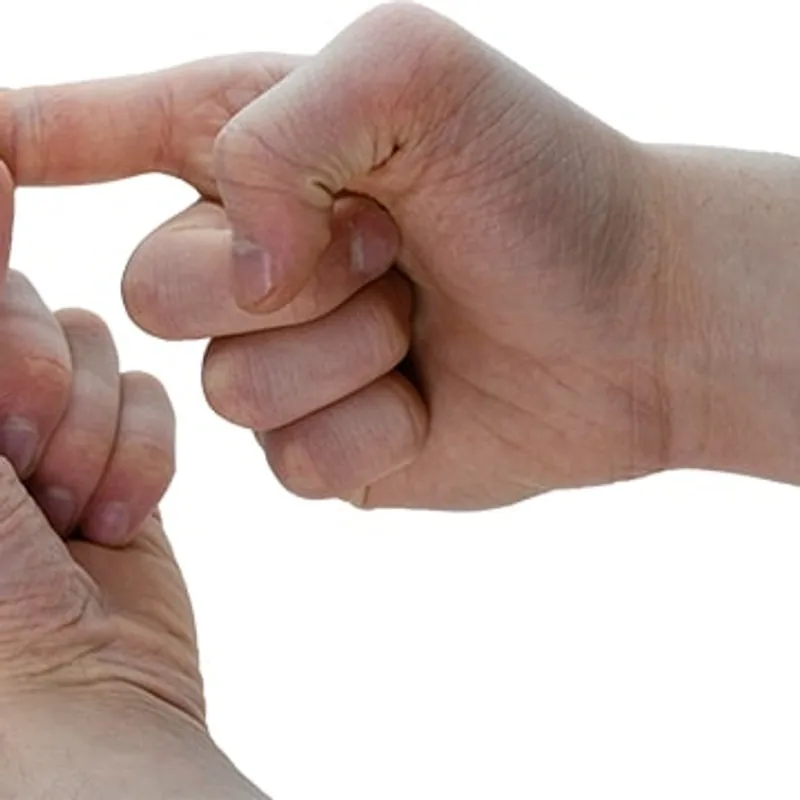
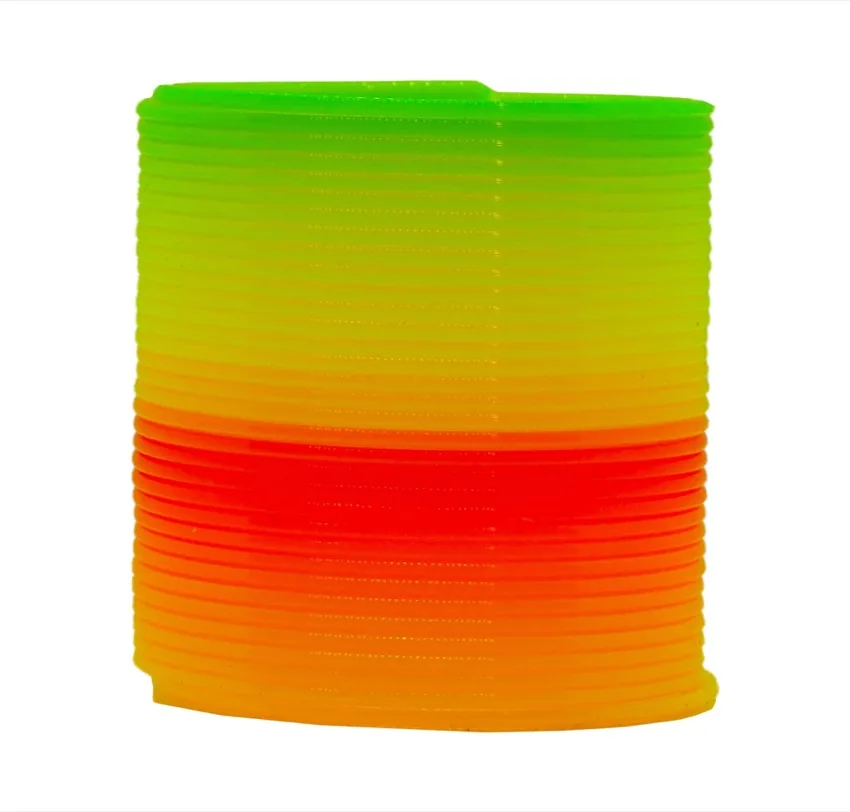
For hands that never sit still, look for a discreet, durable fidget. The Sensory Ring is worn on the finger and manipulated silently. The Tubiii (pop tube) stretches, compresses, and makes a gentle, calming "pop." The Magic Spring and Magic Snake tumble from hand to hand in a hypnotic repetitive motion, perfect for releasing nervous energy.
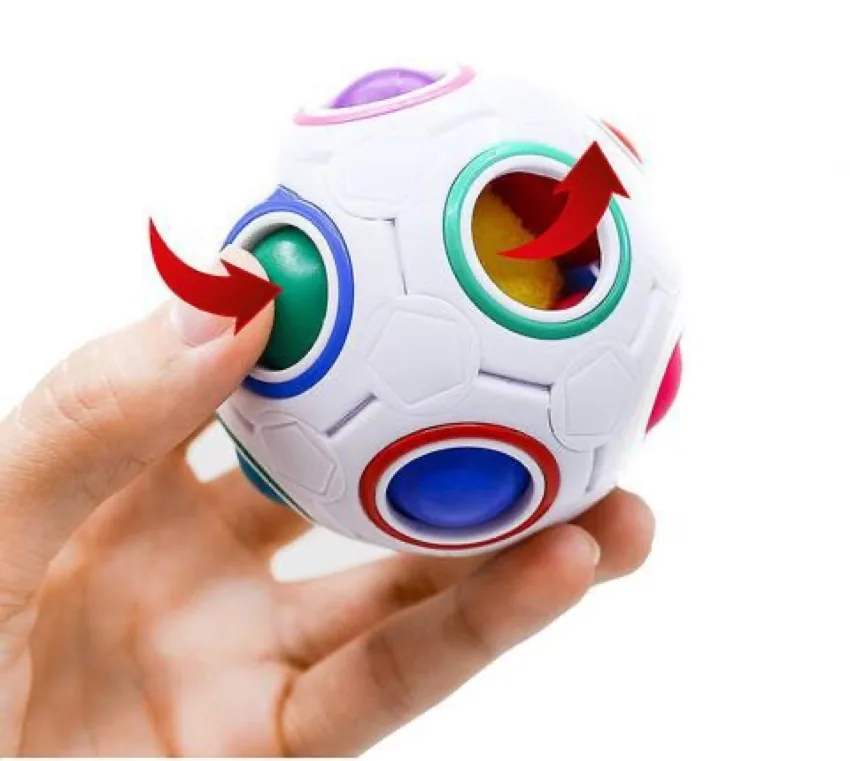
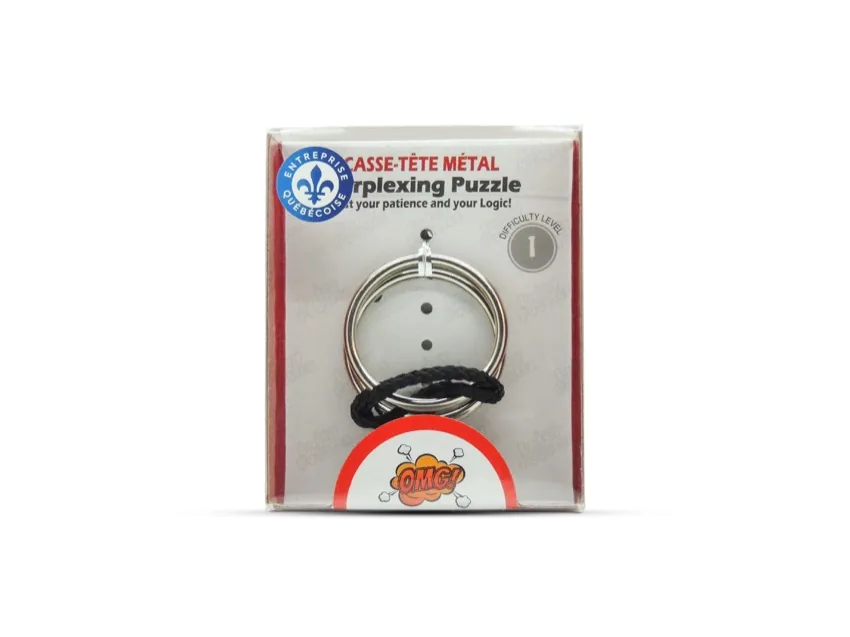
The Magic Rainbow Ball transforms and changes shape in the hands, offering rich visual and tactile feedback. The Magnetic Slider and the Metal Wire Puzzle demand sustained attention and fine motor skills, ideal for bringing a child back into the present moment and building patience.
Here are our top picks, sorted by need, with the criterion that matters most to parents and educators: is it quiet enough for the classroom?
| Product | Best for | Texture or motion | Quiet for class? |
|---|---|---|---|
| Chewable Pencil Topper | Oral need, chewing | Firm chewable rubber | Yes |
| Sensory Ring | Discreet finger fidget | Rolling ring, soft nubs | Yes |
| Tubiii | Tactile release, stretching | Stretch, compress, soft pop | Mostly yes |
| Magic Spring | Calming repetitive motion | Hand-to-hand cascade | Mostly yes |
| Magic Snake | Continuous manipulation | Articulated, twists | Yes |
| Magic Rainbow Ball | Visual and tactile feedback | Transforms and reshapes | Yes |
| Magnetic Slider | Focus, fine motor skills | Satisfying magnetic glide | Yes |
| Metal Wire Puzzle | Patience, problem solving | Untangling metal rods | Yes |
A sensory toy works best when it's built into a routine rather than pulled out only during a meltdown. A few concrete ways to use them:
Clinician tip: rotate the tools. Novelty keeps interest high, and a "rested" object becomes effective again. Avoid turning a tool into a reward or punishment, which would break its calming role.
Safety comes first, especially for children who put objects in their mouths. A few essential guidelines:
Robiii is a Québec company specializing in educational, sensory, and anti-stress toys for children with ADHD, autism spectrum disorder, anxiety, or dyslexia. We ship fast across Québec and Canada at fair prices, with a selection tested by real families and real school settings. Whether you're equipping a single child or an entire classroom, you'll find tools chosen for their real effect, not their trend appeal.
The best sensory toy isn't the most popular one, it's the one that matches your child's profile. Start by observing what they do when overwhelmed, then choose the tool that meets that specific need. When in doubt, buy two or three affordable options and let your child choose: their body often knows what calms it.
Free shipping in Canada. Trusted by 200+ stores, schools and clinics.