Fidget toys give hands a discreet, repetitive tactile outlet that keeps the part of the brain seeking stimulation quietly occupied. The result: the remaining attention flows toward the main task. It is not magic — just a simple way to work with how many restless brains function.
Your child can't sit still at school, taps constantly on their desk, or twists their pencil between their fingers during lessons? These automatic movements — what researchers call fidgeting — are not defiance or disrespect: they are the sign of a brain seeking the stimulation it needs to stay alert and engaged. Fidget toys were designed precisely to meet that need in a discreet, controlled and productive way.
Over the past few years, these small objects have spread into classrooms, speech therapy offices, and the homes of families whose children live with ADHD, autism spectrum disorder, or anxiety. But beyond the trend, what does the science actually say? And how do you pick the right tool for the right child? Here is what you need to know.
What is a fidget toy?
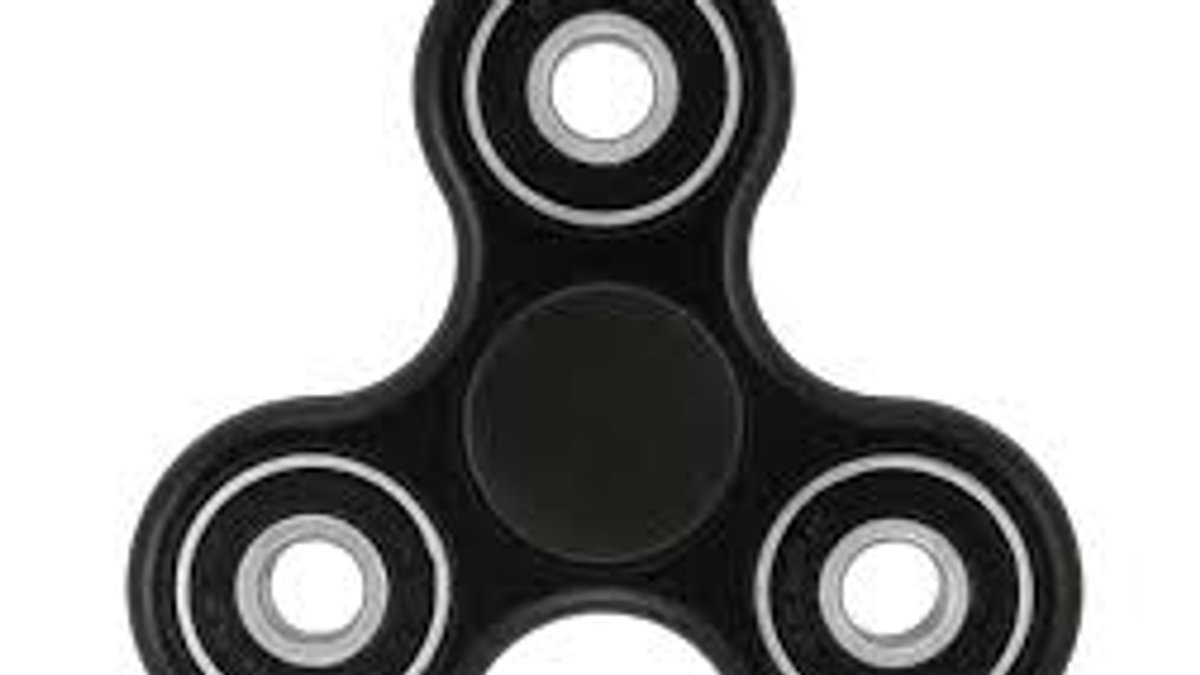
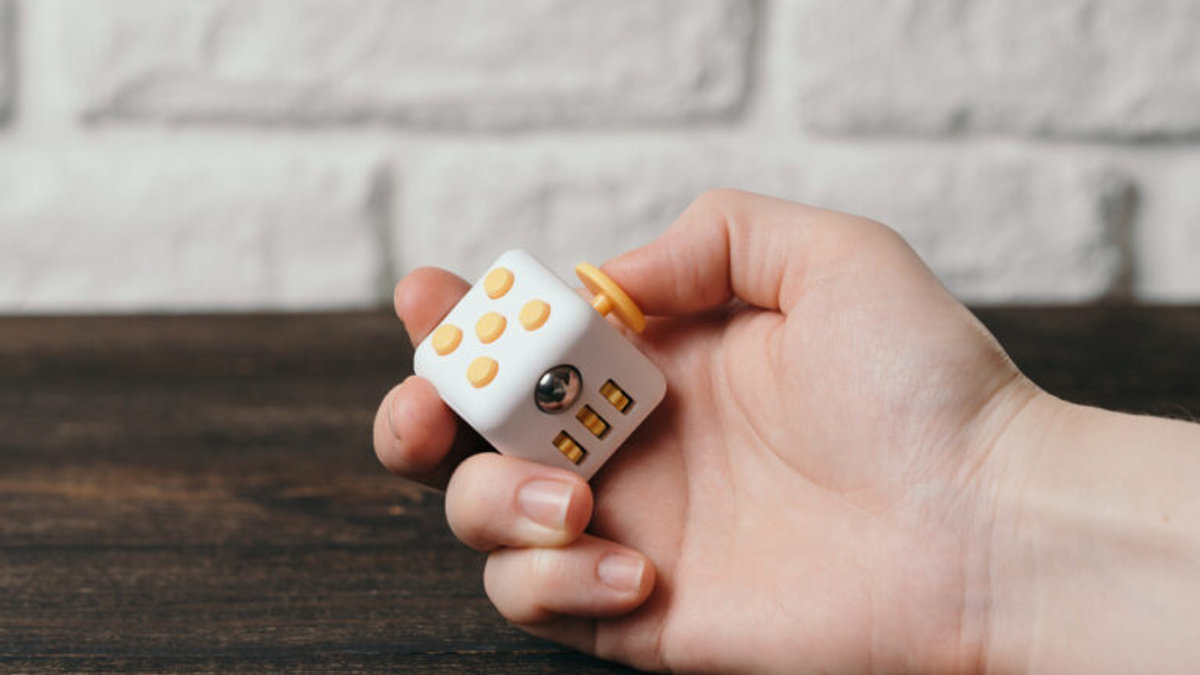
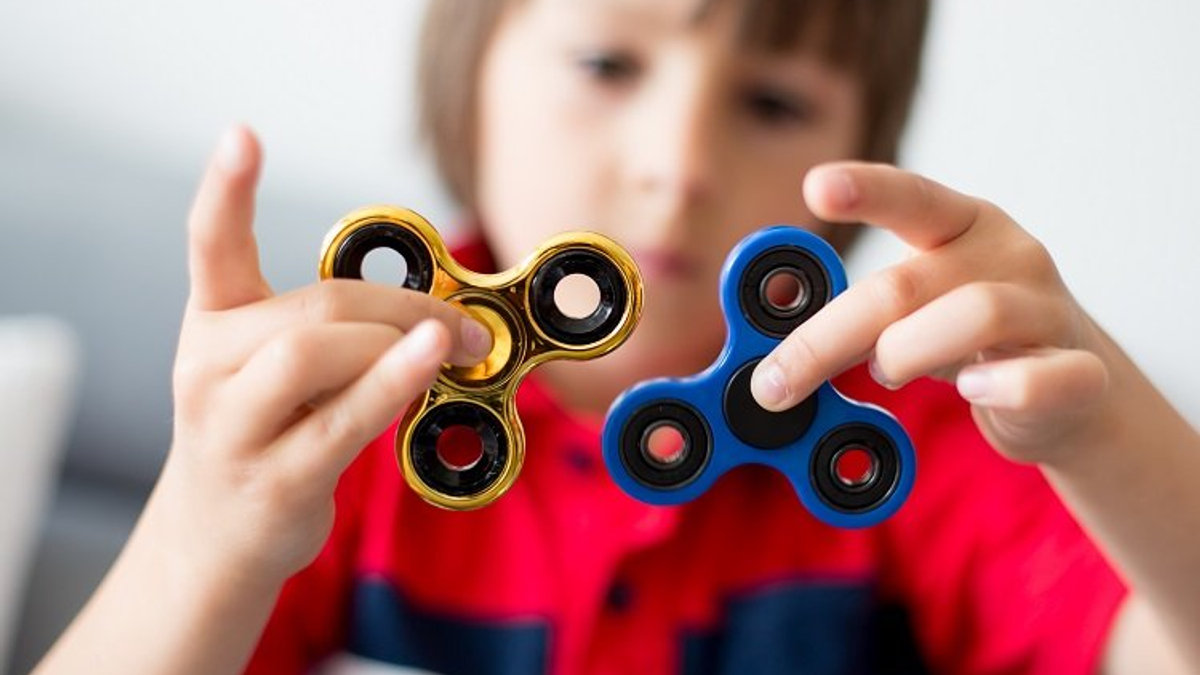
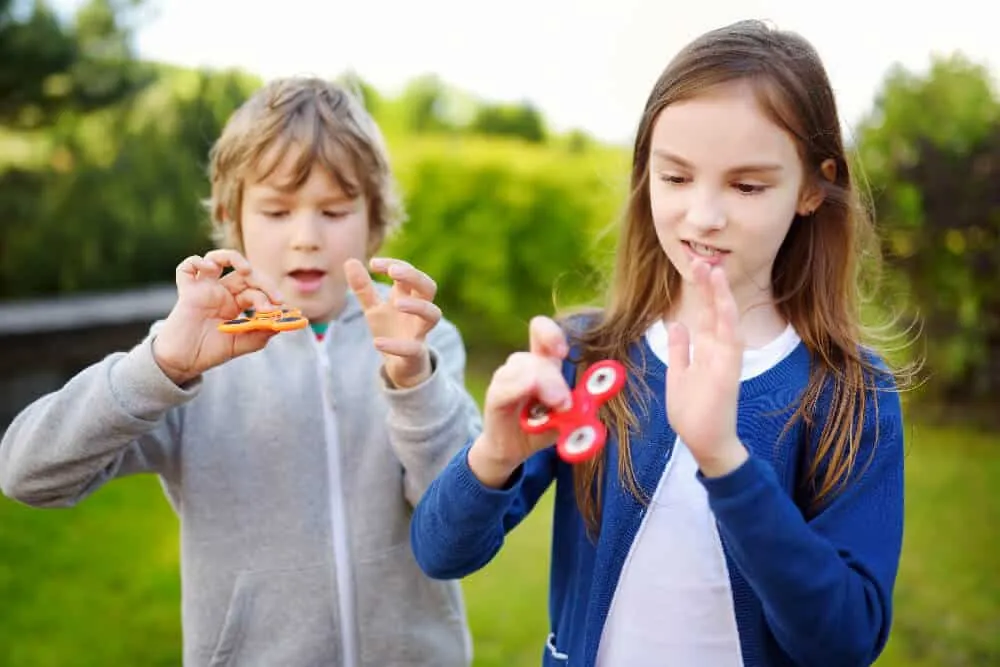
The word fidget refers to any object designed to keep hands busy in a repetitive, discreet way. You may also hear it called a sensory tool, a stress-relief toy, or a focus aid. The category is broad: it includes sensory cubes, spinner rings, multi-button fidget pads, stress balls, articulated metal chains, silicone pop toys, and woven bracelets.
What sets a fidget apart from an ordinary toy is its purpose: it should not monopolize the child's visual or auditory attention. Its job is to supply a sensory and motor outlet that goes unnoticed by others, while freeing up cognitive resources for the task at hand. The ideal fidget is silent, non-distracting to neighbors, and operable with one hand.
Good to know: fidget toys are not just for children with a diagnosis. Many adults use them to stay focused during meetings or repetitive tasks. What matters is choosing the right tool for the situation.
The science behind fidgeting and focus
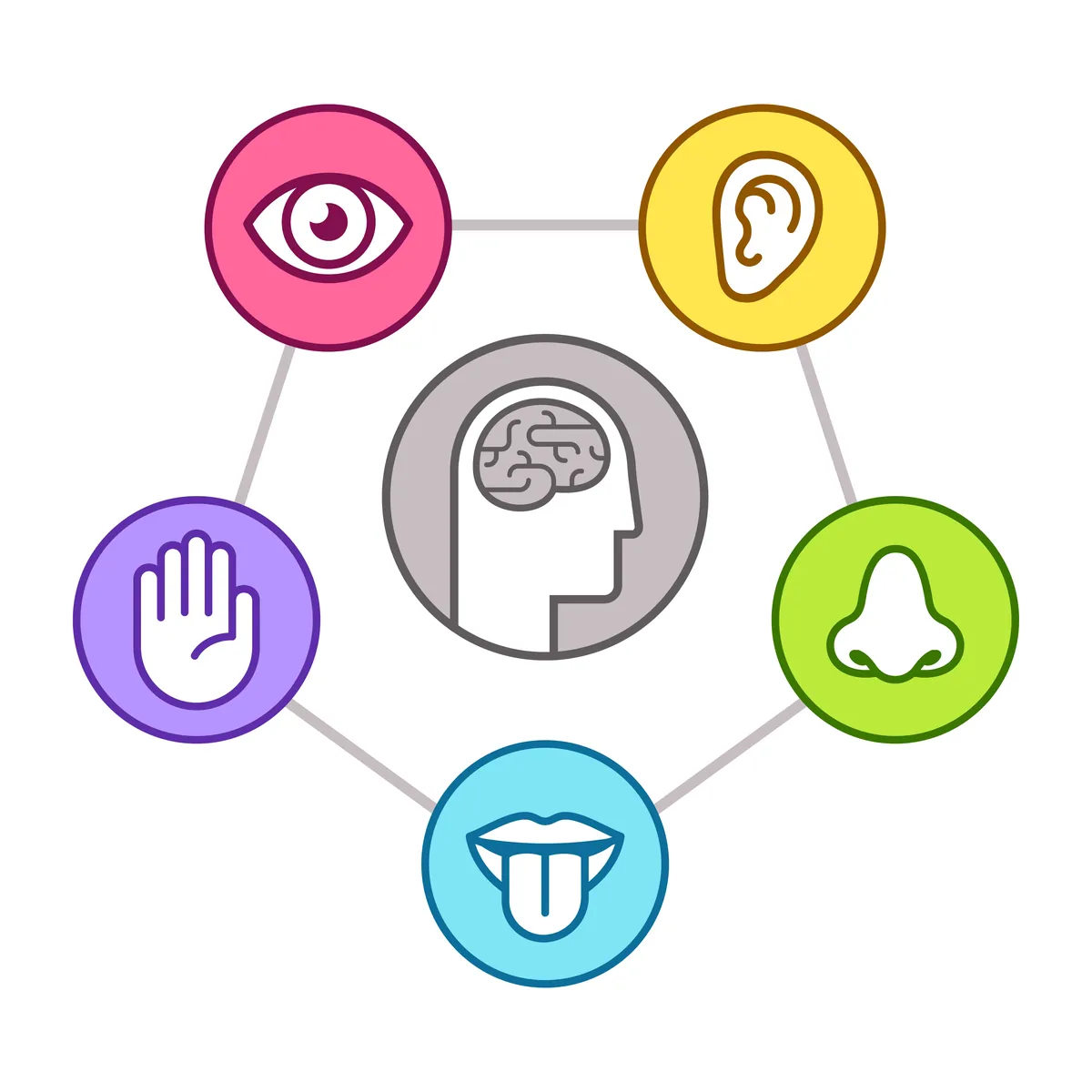
Why does moving the hands help the brain concentrate? The answer lies in how the central nervous system manages cognitive arousal. According to a widely used model (optimal stimulation theory), a hyperactive or anxious child's brain often runs below its ideal level of activation and keeps searching for extra stimulation to maintain a sufficient state of alertness. When that stimulation is absent, the brain generates it — by squirming in a chair, drumming fingers, or chatting.
The cognitive arousal hypothesis
Researchers at the University of Central Florida published a 2015 study showing that boys with ADHD did better on working-memory tasks at the moments they moved more (Sarver et al.), and a UC Davis team found a similar link between more intense movement and accuracy on an attention task (Hartanto et al., 2016). For these children, movement does not necessarily distract — it can regulate. Research on fidget toys themselves remains limited, however.
The effect on working memory
Working memory — the ability to hold several pieces of information in mind simultaneously while solving a problem — is often impaired in ADHD. By keeping hands occupied with an automatic, repetitive movement, a fidget reduces the "parasitic mental load" caused by uncontrolled bodily restlessness. The child stops fighting their own body: that energy gets redirected into the task instead.
Sensory input and the "Goldilocks zone"
The brain processes sensory information constantly, and the right amount of touch, sight or sound makes it more alert. Focus peaks in a "Goldilocks zone": neither over-stimulated (which leads to distraction) nor under-stimulated (which leads to boredom). A fidget delivers a controlled dose of tactile input — an outlet that redirects excess energy in a high-energy child, and just enough stimulation to wake up a sluggish one.
Kinesthetic learners
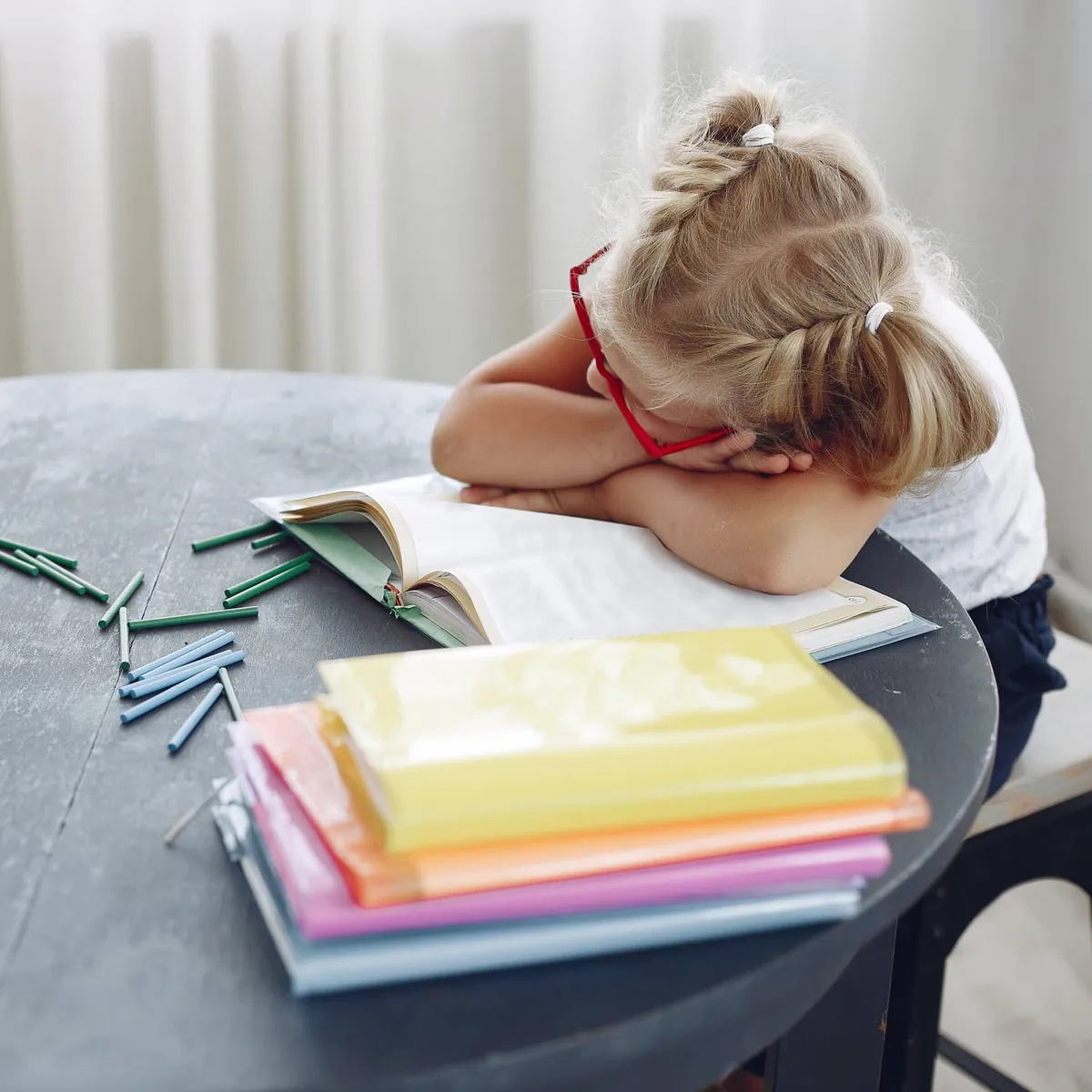
Some children learn best through movement and touch. The repetitive actions of a fidget keep their bodies engaged while their minds follow the lesson, which prevents restlessness and helps them absorb information more effectively.
A calmer emotional state
Many children find that squeezing a stress ball or rubbing a textured object calms them down, and a calmer emotional state leaves more room for attention. (The popular idea that these gestures boost specific neurotransmitters such as dopamine or serotonin has not been directly demonstrated.)
Giving a restless child a fidget toy is a bit like giving someone crutches: not because they are disabled, but because the floor is slippery for them. — The Robiii team
Main types of fidget toys and their uses
There is no universal fidget. The right choice depends on the child's sensory profile, the context of use, and the type of distraction that needs channeling. Here are the most useful categories:
| Fidget type | Primary stimulation | Best for | Avoid if… |
|---|---|---|---|
| Fidget pad / cube | Tactile + proprioceptive (buttons, joystick, roller) | ADHD, mild anxiety, desk use | Child stops listening to explore all the features |
| Spinner ring | Rotational, very discreet | Teens, adults, meetings | Child spins it noisily |
| Stress ball | Proprioceptive (squeeze and release) | School stress, anxiety, public speaking | Child throws or rolls it |
| Pop toy / silicone object | Tactile (texture, popping) | ASD, sensory hypersensitivity | The popping sound disrupts the class |
| Articulated chain | Visual + light tactile | Children who enjoy smooth hand movements | Child watches it more than they listen |
Using fidget toys at school: a practical guide
Introducing a fidget into a school setting takes a little preparation. Here is a step-by-step approach to maximize success:
Talk to the teacher first
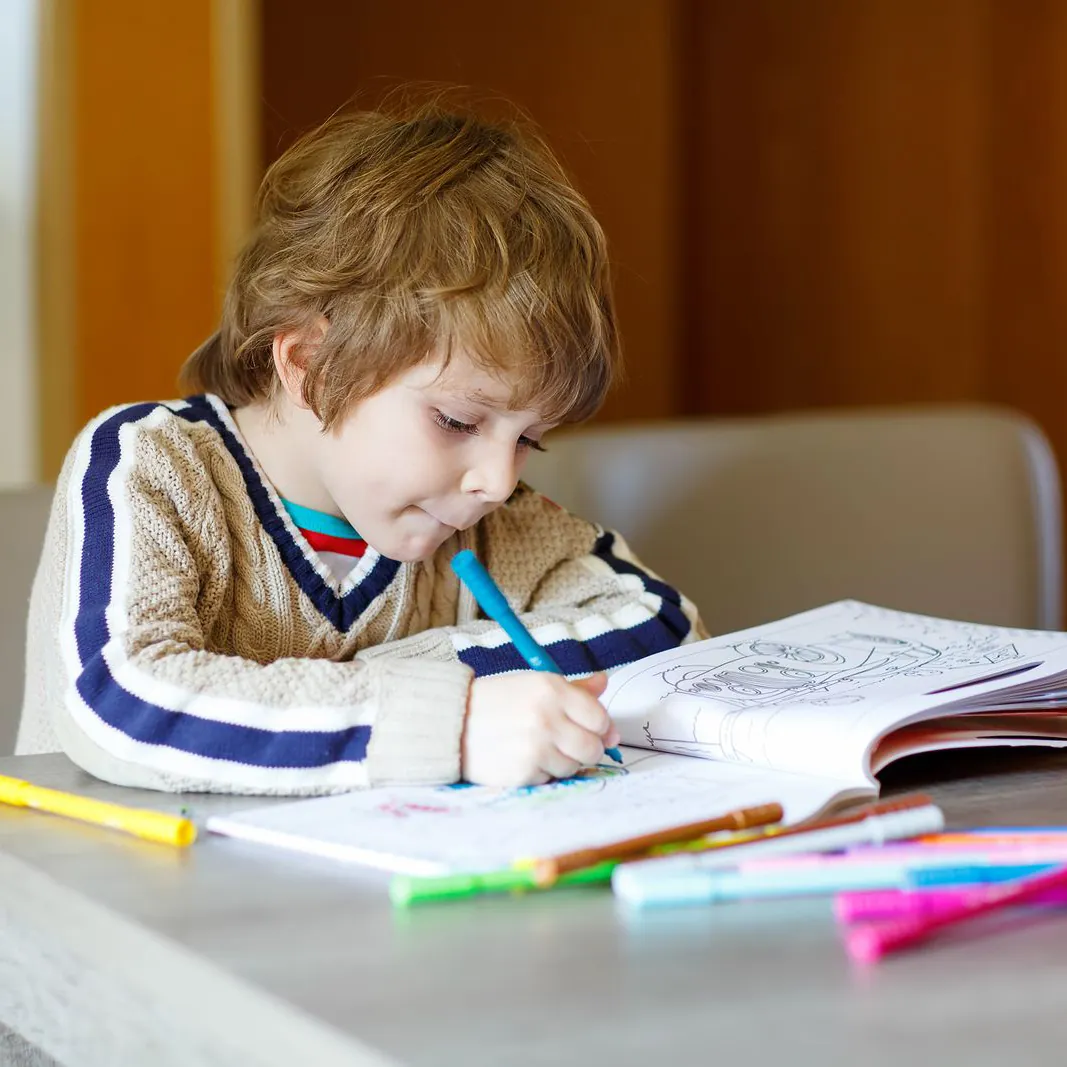
Before slipping a fidget into your child's school bag, discuss it with their teacher or learning support specialist. Explain the sensory need, show them the object, and propose a trial period. Most well-informed educators are happy to agree — especially when the child in question tends to disrupt the class in other ways.
Choose a discreet fidget
In the classroom, discretion is everything. Go for an object that stays under the desk, makes no noise, and does not catch the eye. A flat fidget pad or a spinner ring works much better than a pop toy whose sound disturbs neighbors.
Set a clear rule
Explain to your child that the fidget is a work tool, not a recess toy. It is for moments when they need to listen or complete a task, not during group discussions or team projects.
- Choose the fidget together — involving the child increases buy-in.
- Test it at home for 3 to 5 days before bringing it to school.
- Inform the teacher and, if needed, have it added to the individualized education plan (IEP).
- Evaluate after two weeks: is homework getting done more consistently? Are there fewer classroom interruptions?
- Adjust the choice if the first fidget does not fit the need.
Tip: keep a second identical fidget at home. That way, the child practices at home and the habit is automatic before they even get to school — and it avoids meltdowns when the object gets left in the bag.
Fidgets matched to the child's profile
Sensory needs vary considerably from one child to the next. Here is how to match the tool to the profile:

Children with ADHD
The ADHD brain craves novelty and stimulation. A fidget that is too simple quickly becomes boring. Look for objects that offer multiple textures or functions, like a multifunction fidget pad with buttons, a joystick, and a textured surface. The stimulation needs to be rich enough to hold the child's interest — but not so intense that it captures all their attention.
Children on the autism spectrum (ASD)
Autistic children often have very strong sensory preferences. Some love smooth, cool textures (metal, smooth silicone); others prefer rough surfaces or chewable objects. Consult an occupational therapist or sensory integration specialist to identify your child's profile before choosing a tool.
Children with anxiety
For anxiety, fidgets involving rhythmic pressure are often a good fit: squeeze balls, silicone rings, or simply rubbing a textured surface. Slow, rhythmic movements — especially paired with slow breathing — can help the body shift out of stress mode. See our article on stress management for kids for complementary strategies.
Children with dyslexia
Dyslexia does not automatically come with attention difficulties, but many children who struggle to read experience anxiety around reading tasks — which undermines their concentration. A gentle fidget can then serve as a sensory anchor during reading exercises, reducing the negative emotional activation associated with the activity.
Watch out: a fidget that distracts the child rather than refocusing them is the wrong tool. If you notice your child spending more time playing with the object than listening, switch fidget types or find a better moment for its use.
Complementary strategies to support focus
A fidget toy is one tool among many. For a lasting effect, it works best as part of a broader approach:
- Environment design: a clear desk, an appropriately sized chair (or an elastic band to stretch under the chair) and adequate lighting reduce sensory overload.
- Active breaks: every 20 to 25 minutes, a 3-to-5-minute movement break (jumping, shaking the hands, stretching) restores the attention reserve.
- Visual routines: a picture-based task list or a progress chart reduces uncertainty-related anxiety and frees up cognitive bandwidth.
- Time-management tools: a giant sand timer or a visual countdown timer helps the child perceive how long a task actually takes, which reduces procrastination.
- Classroom ADHD strategies: check our full guide on ADHD strategies for teachers and parents for a coordinated home-school approach.
These tools are not mutually exclusive. A child who has a fidget, a clear routine, and a timer for homework has a structured environment that reduces friction and maximizes their chances of success — without requiring hours of preparation. Small, consistent adjustments make a genuine difference over the course of a school year.