Play is not a luxury — it is the work of childhood. Playing develops the brain, the body, emotions and social skills all at once. Research in neuroscience and developmental psychology — summarized, for example, in the American Academy of Pediatrics' "The Power of Play" report — shows that play supports learning, stress management and overall well-being — with or without special needs.
We often associate play with recess, free time, "not doing anything useful." Yet for decades, researchers in developmental psychology, paediatrics and neuroscience have been saying the same thing: play is one of the most serious and productive activities a child can engage in. Play builds neural connections, trains emotional regulation, teaches cooperation and develops resilience — all in an atmosphere of pleasure and exploration.
For children with special needs — ADHD, autism, anxiety, dyslexia — play takes on an even more strategic dimension. From sensory toys to symbolic play and cooperative games, every playful experience can become a natural therapeutic lever. In this article, we explore the key benefits of play and how they show up in a growing child's life.
Play and cognitive development
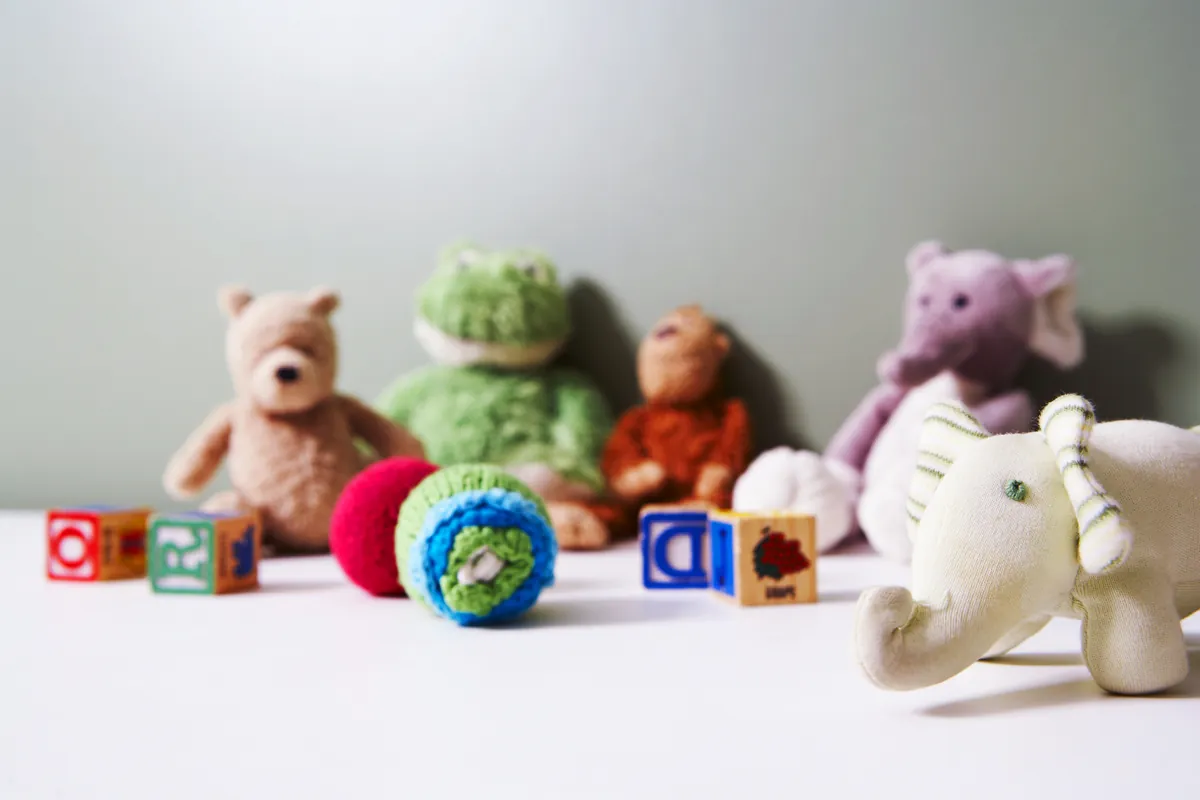
A child's brain is an extraordinarily plastic organ. At birth it already holds nearly all the neurons it will ever have, but the connections between them — synapses — form and are refined largely through lived experience. Play is one of the richest experiences for driving that synaptogenesis.
Memory and attention
Games that require memorization — flipping cards, recalling sequences, following rules — train working memory and sustained attention. Simple board games can also build concrete skills: in a well-known study (Siegler & Ramani, 2008, Developmental Science), preschoolers who played a numbered board game for about an hour in total improved on several number skills, and the gains were still there nine weeks later.
Problem-solving and creativity
When a child builds a block tower and it falls over, they experience failure, adjustment and perseverance — all foundational skills for learning. Symbolic play (pretending, role-playing) develops abstract thinking and creativity, the basis of scientific and artistic thought.
- Puzzles and brain teasers: build spatial logic and patience.
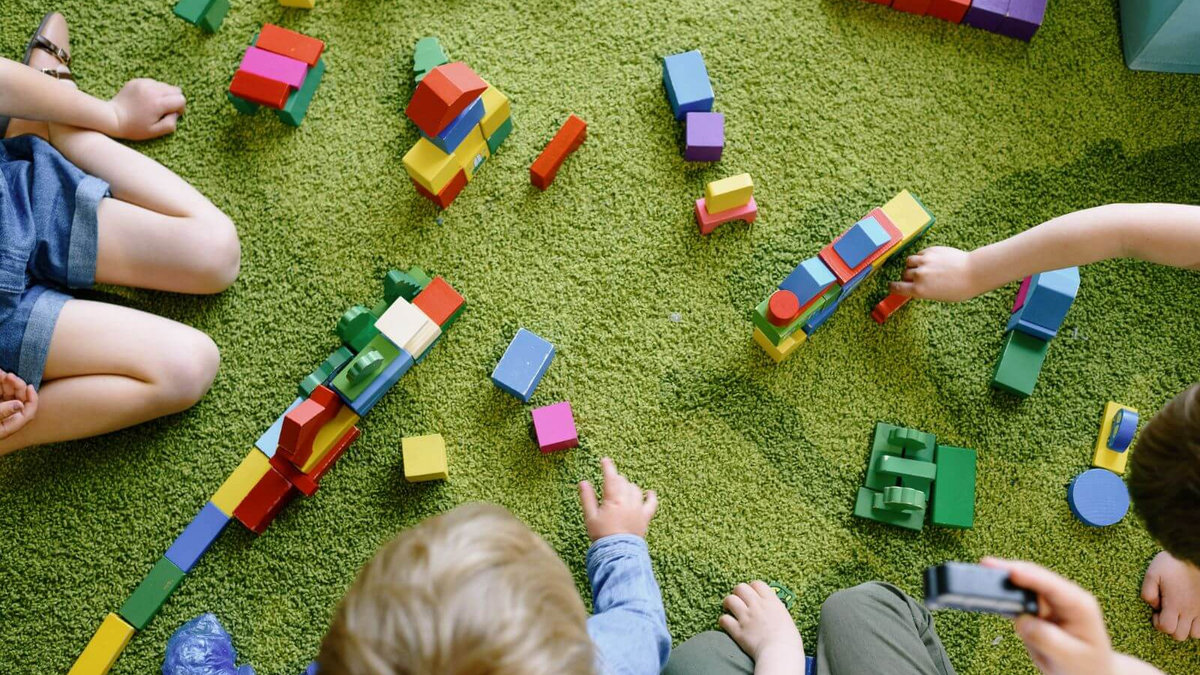
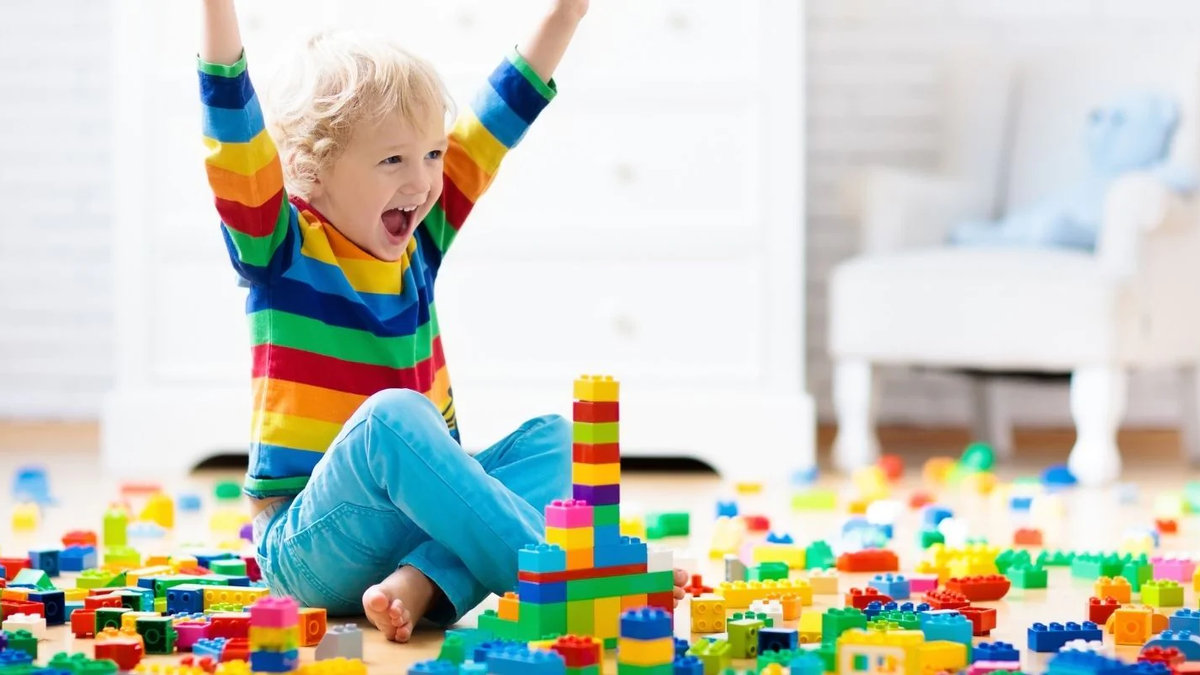
- Construction play: teaches basic physics, planning and sequencing.
- Role play: stimulates theory of mind and cognitive flexibility.
- Board games: strengthen working memory and response inhibition.
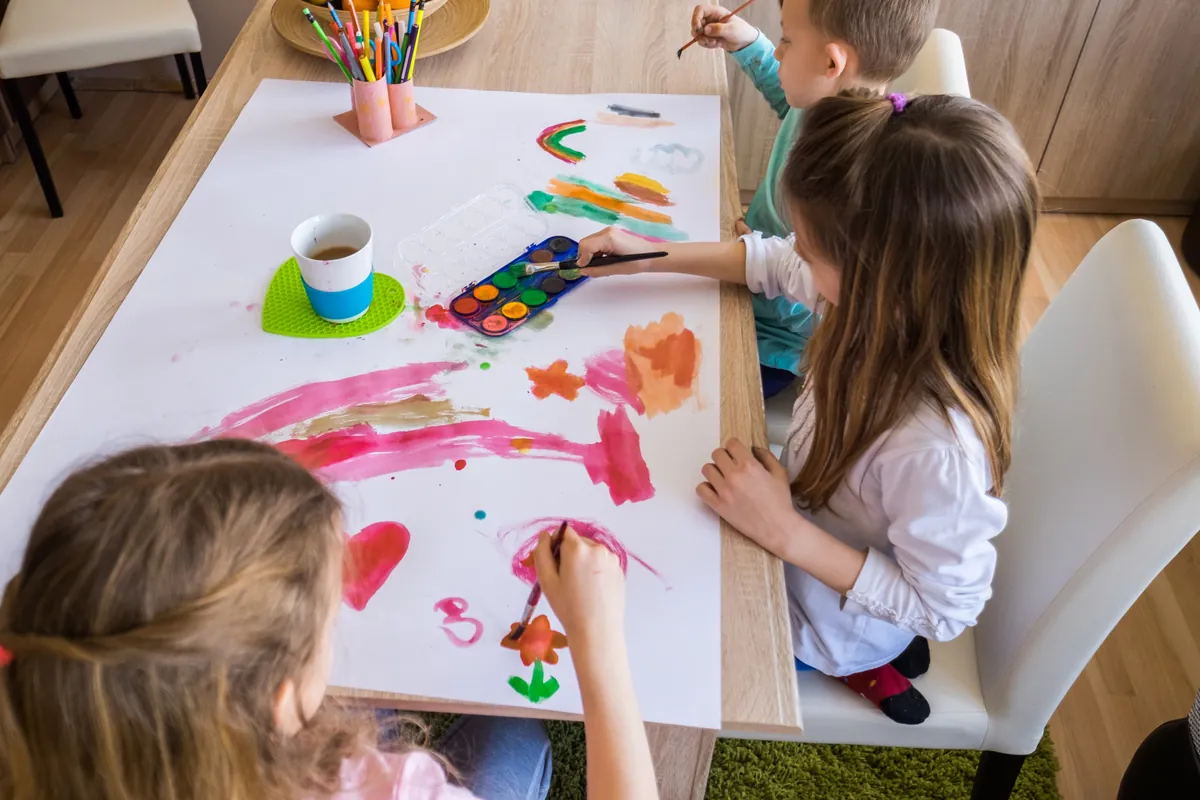
Key insight: the role of play in child psychology has been documented since the work of Piaget and Vygotsky. These researchers were among the first to argue that play is not a break from learning — it is learning.
Play and physical development
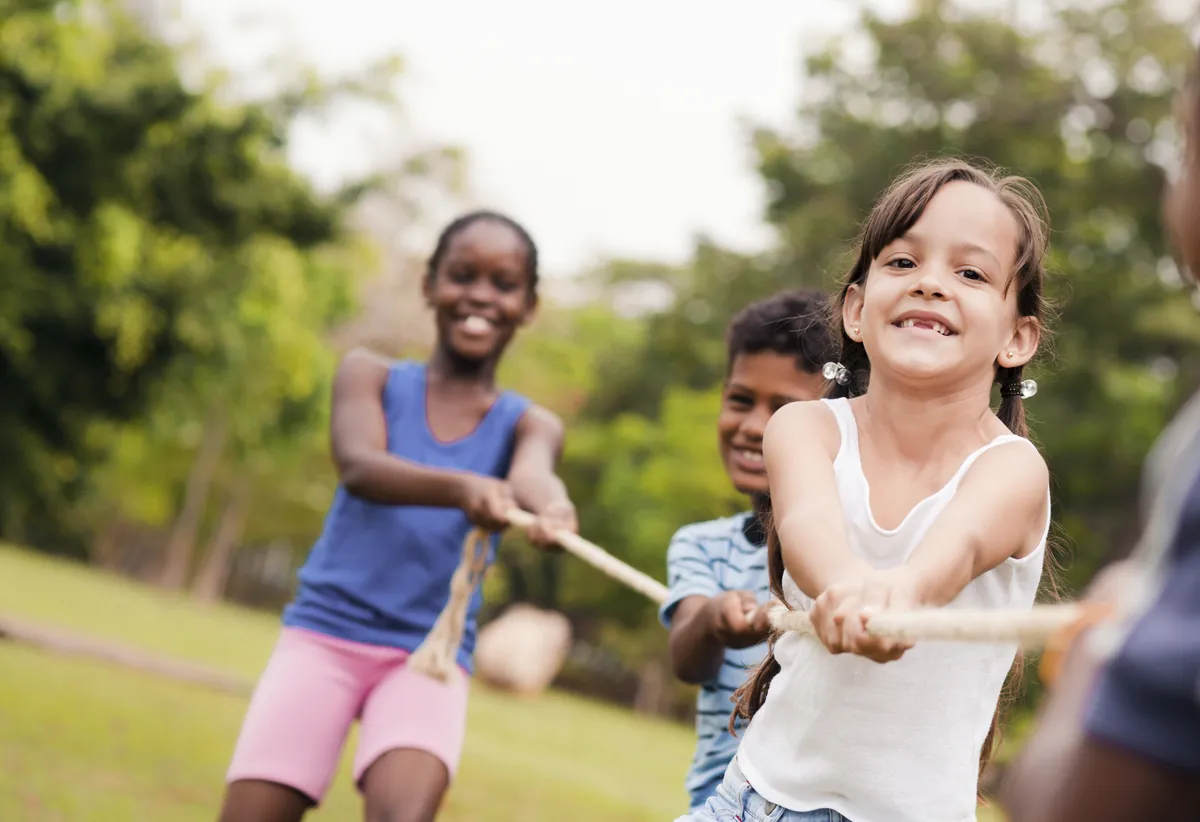
Children learn to move by moving. Active play is essential for developing gross motor skills (running, jumping, climbing) as well as fine motor skills (cutting, drawing, manipulating small objects). These motor abilities are not trivial: they are linked to school readiness and daily independence.
| Type of play | Motor skills developed | Examples |
|---|---|---|
| Active outdoor play | Gross motor skills, balance, coordination | Running, cycling, climbing, ball games |
| Manipulation play | Fine motor skills, pinch grip, precision | Clay, beads, puzzles |
| Sensory play | Sensory integration, proprioception | Sand, water, textured materials |
| Construction play | Eye-hand coordination, motor planning | Blocks, Lego, magnets |
For children with sensory integration difficulties — often associated with autism or ADHD — sensory play is not mere entertainment: it offers a safe, child-led way to explore and get used to sensory information. Browse our selection of sensory and educational toys suited to every profile.
Play and emotional development
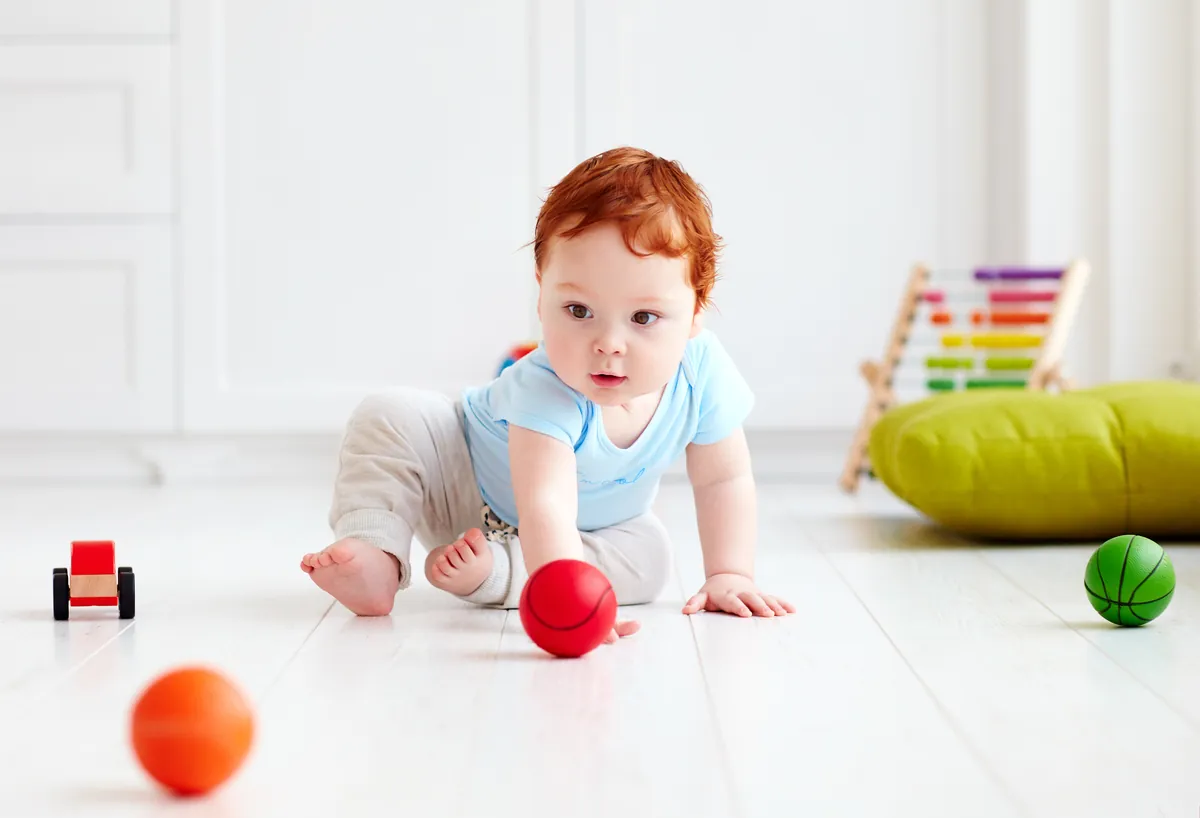
Playing also means learning to manage emotions. Losing a game, waiting your turn, negotiating the rules of an imaginary scenario: every playful situation is an opportunity to build emotional regulation, frustration tolerance and resilience.
Play as an emotionally safe space
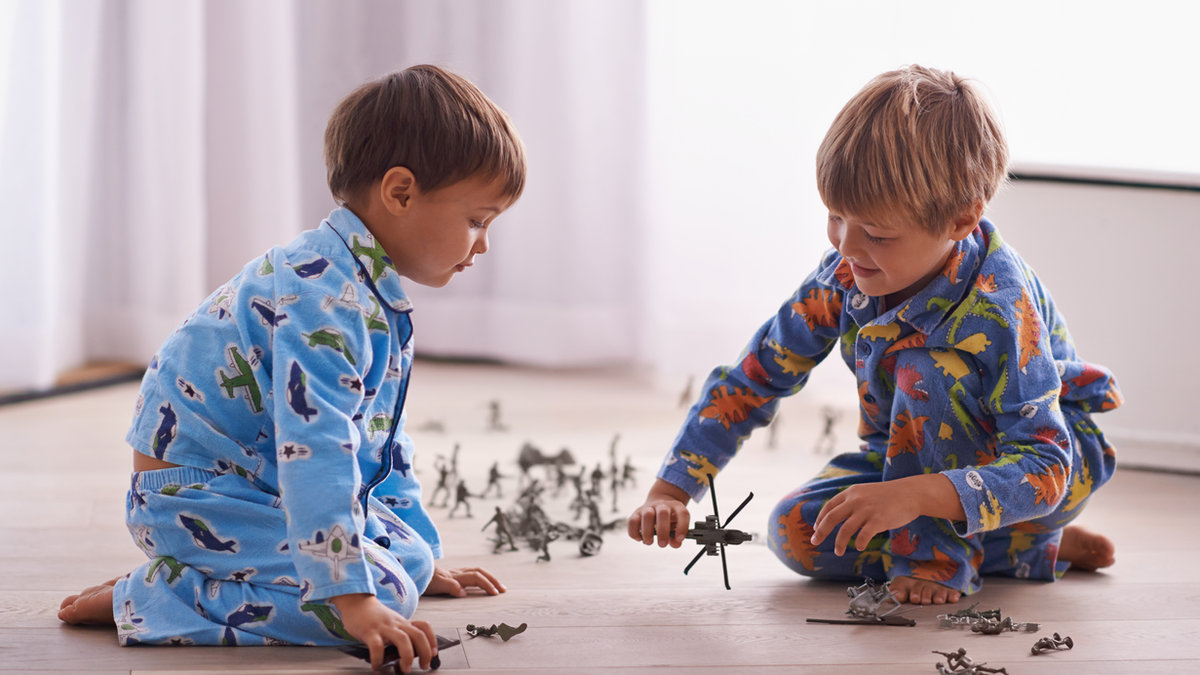
Play creates an "as if" frame that lets the child explore difficult emotions without facing real consequences. A child who re-enacts a school argument with figurines — and "fixes" it — is reorganizing that experience cognitively and emotionally. Psychologists call this therapeutic play.
Stress and anxiety management
Physical play is linked to better mood and lower stress, in part through brain chemicals such as endorphins and dopamine. For anxious children, tools like fidget toys, stress balls or therapy putty extend the calming effects of play between activity periods. Our article on stress management for kids covers complementary strategies.
Play is nature's way of teaching children how to live. It is not preparation for serious life — it is serious life itself. — The Robiii team
Play and social development
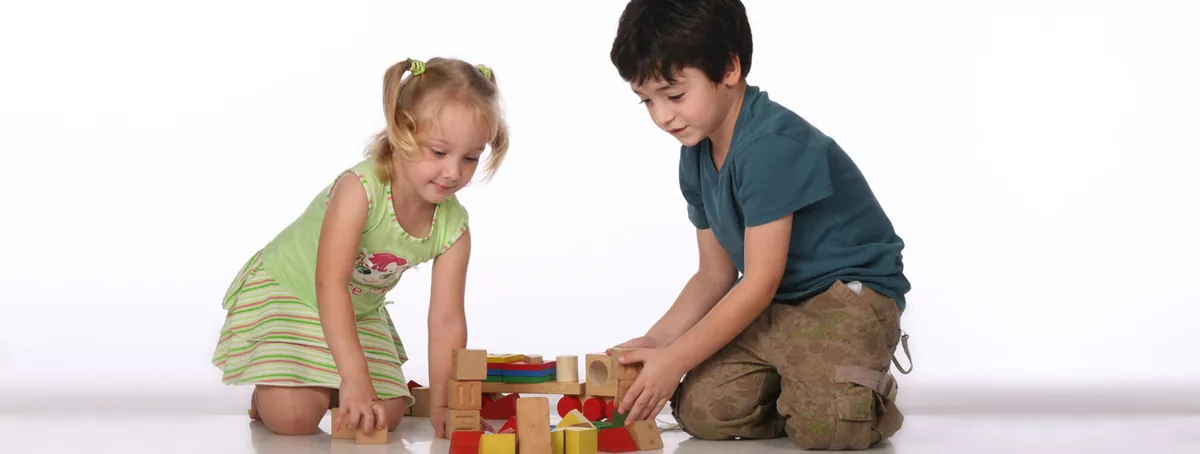
Humans are fundamentally social, and play is the first and most natural social laboratory. It is through playing together that children learn to cooperate, share, resolve conflict and develop empathy.
Theory of mind and empathy
Symbolic play and role play require the child to step into someone else's shoes — a fictional character, an animal, an adult. This repeated exercise is powerful training in theory of mind: the ability to understand that others have thoughts and feelings different from one's own.
- Parallel play (18 months–3 years): the child plays beside others without directly interacting, but watches and imitates.
- Associative play (3–4 years): children share the same space and materials, without clear organization.
- Cooperative play (4 years +): children assign roles, establish rules and work toward a shared goal.
- Rule-based play (6 years +): structured games teach respect for rules, healthy competition and coping with defeat.
Tip: for a child with social difficulties — autism, shyness, social anxiety — start with parallel play alongside a patient peer, then gradually increase the level of interaction. Never force participation: comfort is the prerequisite for progress.
Play for children with special needs
Children with ADHD, autism spectrum disorder (ASD), anxiety or dyslexia benefit from play as much as — if not more than — their neurotypical peers. But the type of play and the tools used can make a significant difference.
ADHD: play as an energy regulator
For a child with ADHD, active play is essential for releasing excess energy and improving concentration. In one study, just 20 minutes of moderate exercise improved attention measures in children with ADHD tested shortly afterward — a useful complement to, not a substitute for, their treatment. Between periods of cognitive effort, fidget toys help maintain an optimal activation level without disrupting the environment.
Autism: sensory and structured play
Autistic children can find social play unpredictable and stressful. Sensory play — with textures, sounds, soft lights or materials like sand and water — provides a safe setting where the child has full control of the experience. Structured play with clear rules can then serve as a bridge to more complex social interactions.
Anxiety: play as a space for mastery
Play gives an anxious child a sense of mastery and control. When a child decides the rules of a game or chooses their favourite toy, they exercise agency that counterbalances the feeling of helplessness linked to anxiety. Calming toys — squeeze balls, modelling clay, fine motor toys — can also help a child calm down in moments of stress.
The five major types of play and their benefits
Not all forms of play are equivalent. Here are the five broad categories identified by researchers, along with their specific benefits:
- Sensorimotor play: physical and sensory exploration of the world. Fundamental for infants and toddlers. Develops sensory integration and body awareness.
- Symbolic play: pretending, role-playing, inventing stories. Stimulates creativity, theory of mind and language.
- Construction play: assembling, stacking, building. Develops spatial thinking, planning and fine motor skills.
- Rule-based play: board games, sports, card games. Teaches cooperation, healthy competition and emotional regulation.
- Adventure play: climbing, exploring, taking calculated risks. Builds resilience, self-confidence and risk assessment.
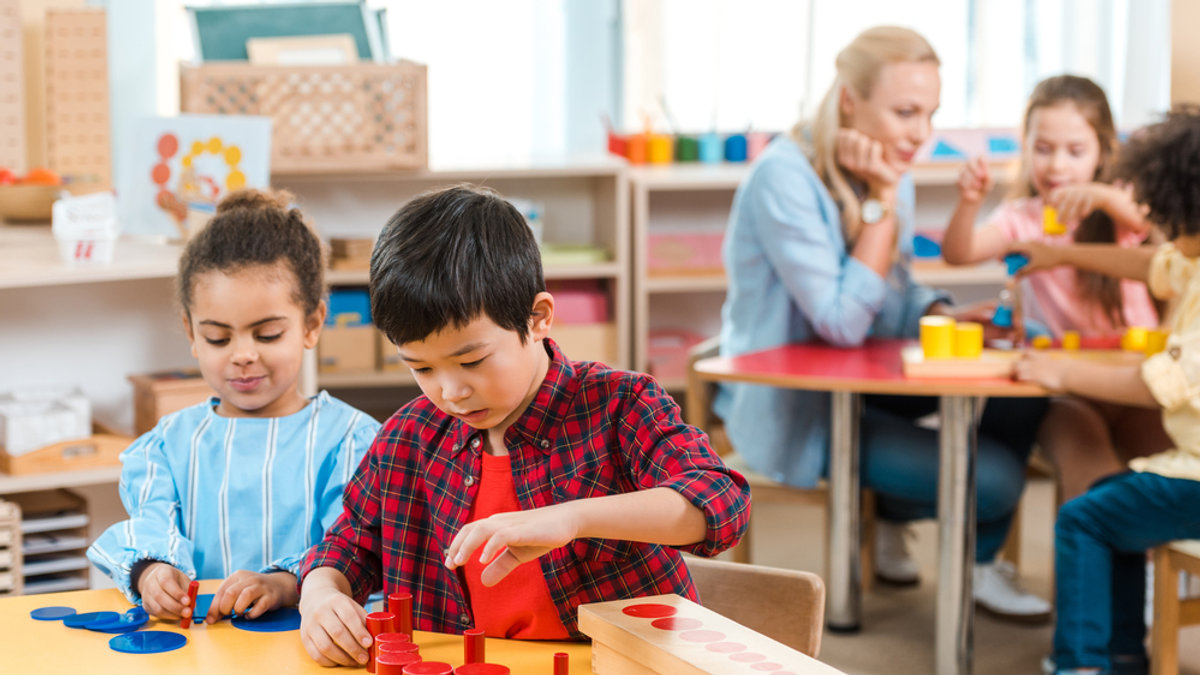
To choose the right toys for your child's age and needs, read our guide on the best toys for child development. And if you're curious about the educational approach that puts play at the centre of learning, explore the Montessori approach to play.
How to encourage play every day
In an increasingly structured, screen-filled world, free play is often the first casualty of packed schedules. Here are some concrete ways to give it back its rightful place:
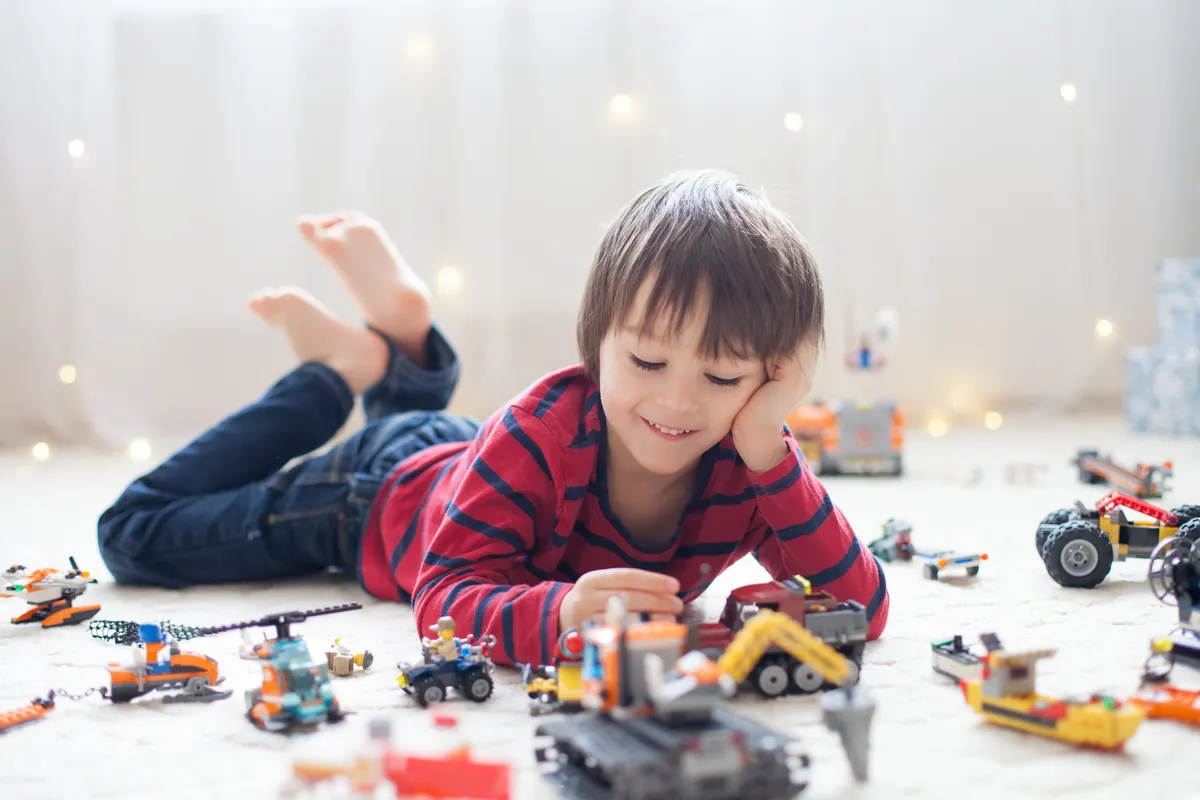
- Protect free-play time: set aside at least one hour a day for play not directed by an adult. Resist the urge to fill every quiet moment.
- Create an inviting space: a play corner that is accessible and organized so the child can navigate it independently encourages initiative and autonomy.
- Vary the materials: offer open-ended toys — blocks, clay, sensory materials — that can fuel thousands of different games.
- Play with your child: shared adult-child play is one of the most precious forms of connection. Follow the child's lead rather than directing.
- Limit (but don't ban) screens: some digital games have cognitive benefits, but they do not replace physical, social and sensory play.
For educators: bringing play into the classroom does not sacrifice learning time — it maximizes learning effectiveness. Robiii's educational and sensory toys are designed to enrich the classroom environment while meeting the needs of students with special needs.