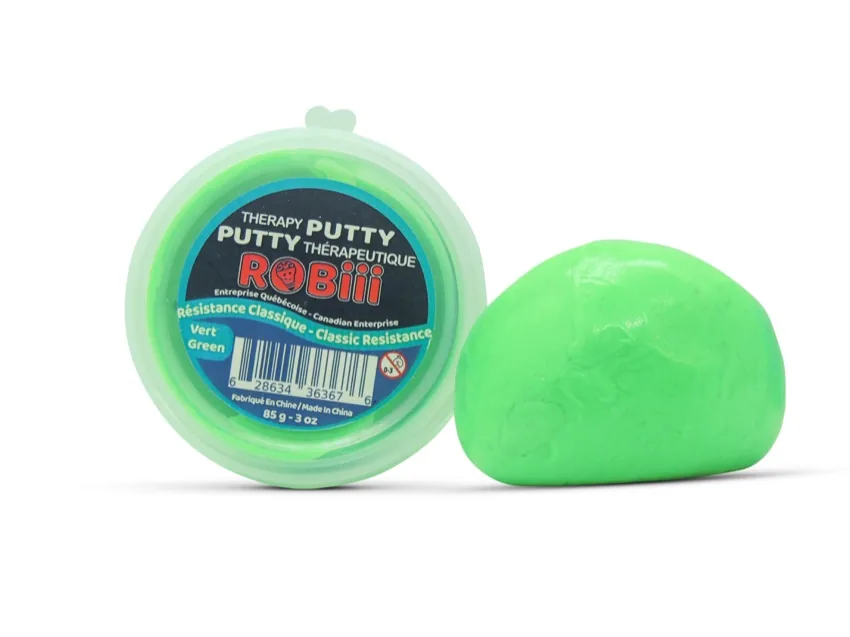
Therapy Putty Yellow Extra Soft
$7.99eachView

Therapy putty is a sensory and rehab tool that strengthens hands, channels nervous energy and helps children focus. Here is how to choose and use it at home, in the classroom and in therapy.
12 products
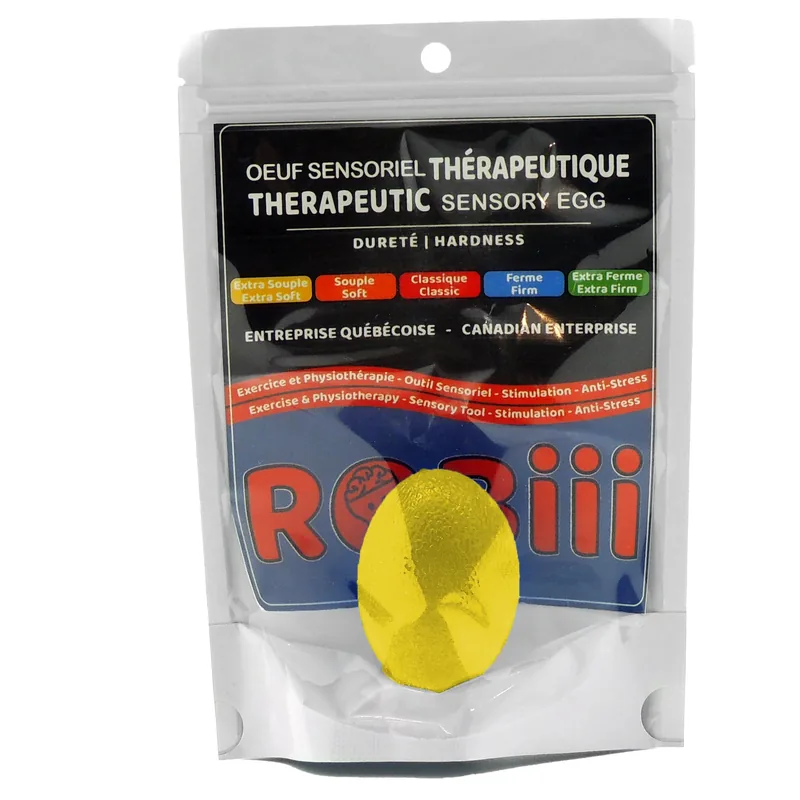
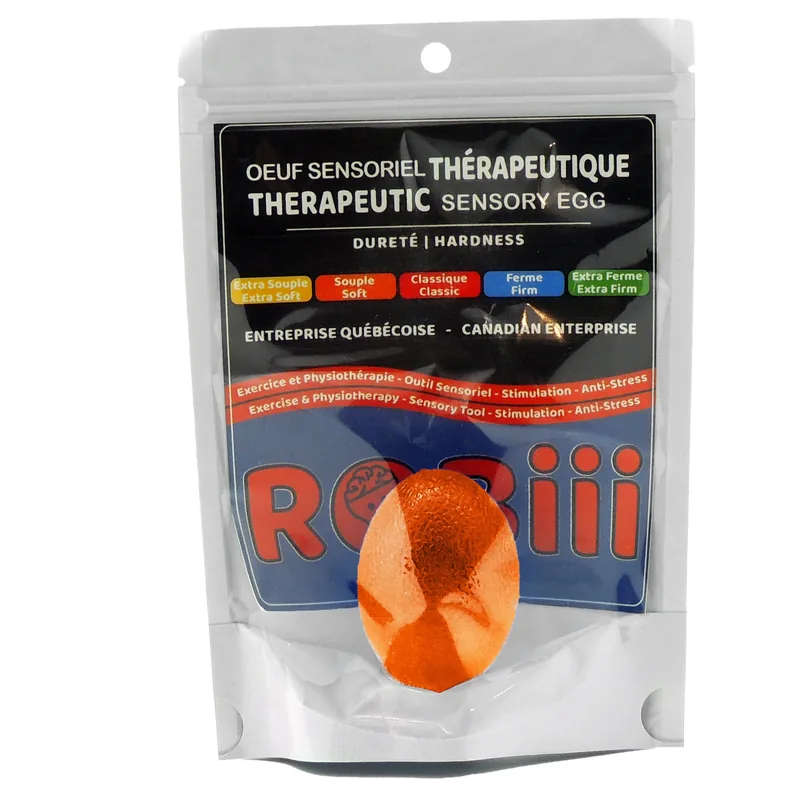
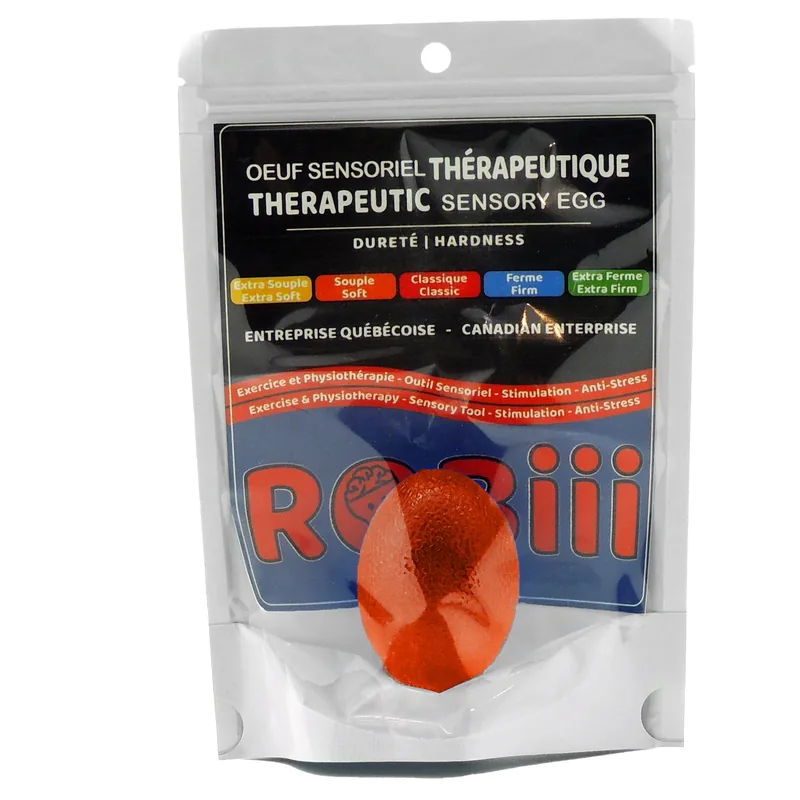
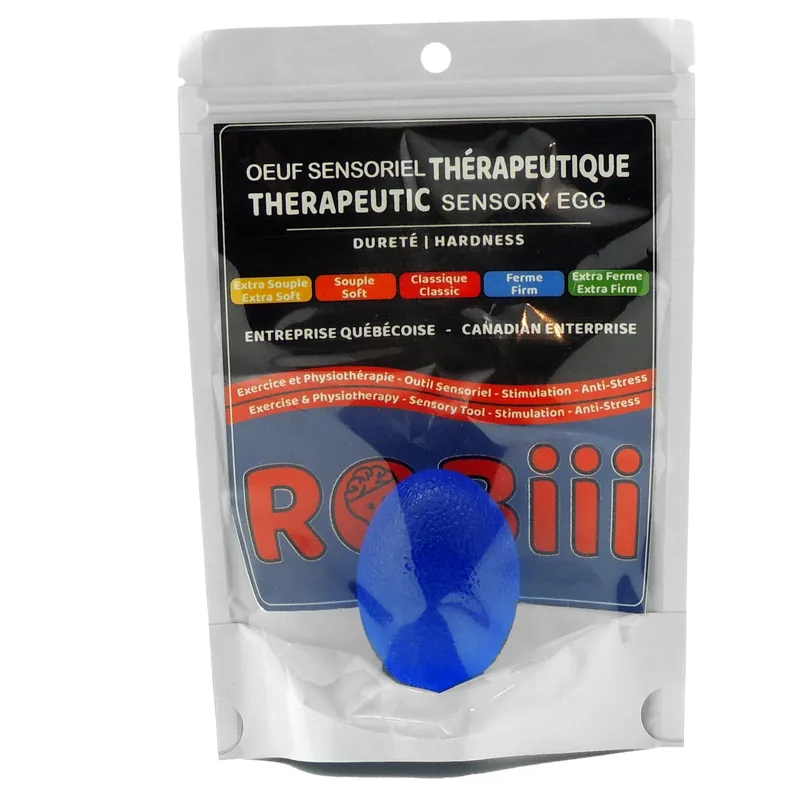
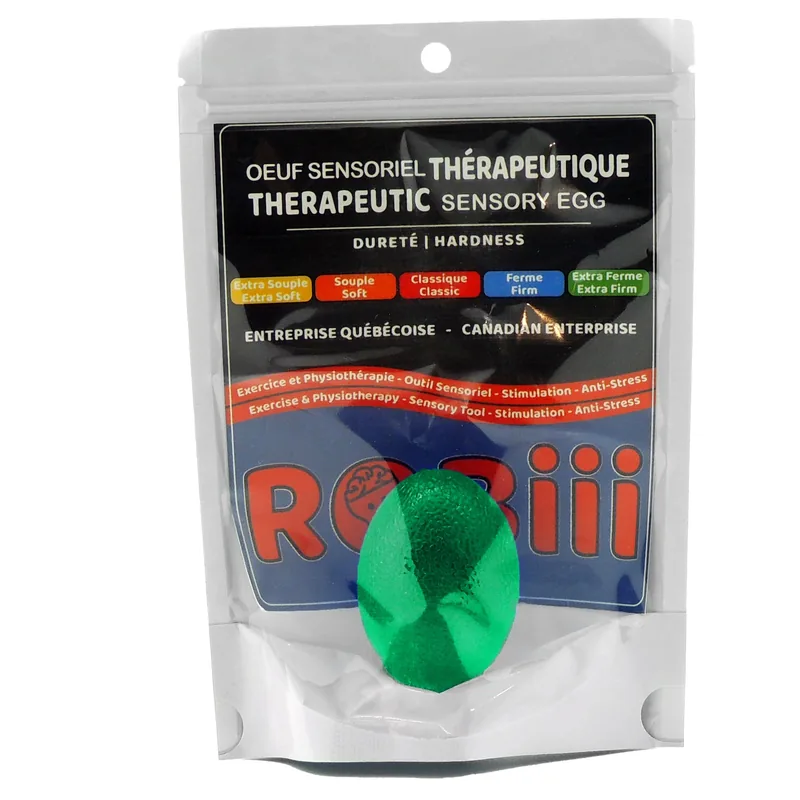
Therapy putty is a soft material that does not harden and leaves no greasy residue on the hands. Unlike ordinary modelling clay, it is engineered to offer controlled resistance: you knead, stretch, pinch and roll it to exercise the muscles of the fingers, hands and forearms. It was born in occupational therapy, but has long since spilled out of clinics and into classrooms, offices and backpacks.
At Robiii, the Therapy Putty is the flagship of this category. Our yellow extra-soft version suits hands that are just starting out or that need gentleness, while staying springy enough to give a genuine sense of work. The putty stores in its airtight tub so it stays clean and keeps its texture for months.
Three mechanisms explain why therapy putty is so effective. First, strengthening: pressing and stretching against resistance builds grip strength and the endurance of the small hand muscles that matter for holding a pencil, cutting with scissors or doing up a coat. Second, proprioception: muscular effort sends the brain deep sensory feedback that is calming and organizing — the "heavy work" input that many children instinctively seek out in order to settle.
Third, self-regulation: keeping the hands busy with a quiet, repetitive motion frees up mental space. A restless child who kneads putty while listening to instructions often retains more than one who is told to sit perfectly still. Putty turns excess energy into a discreet, socially acceptable channel that never bothers the neighbours.
Therapy putty is not just for clinics. It helps a wide range of profiles, often for very different reasons.
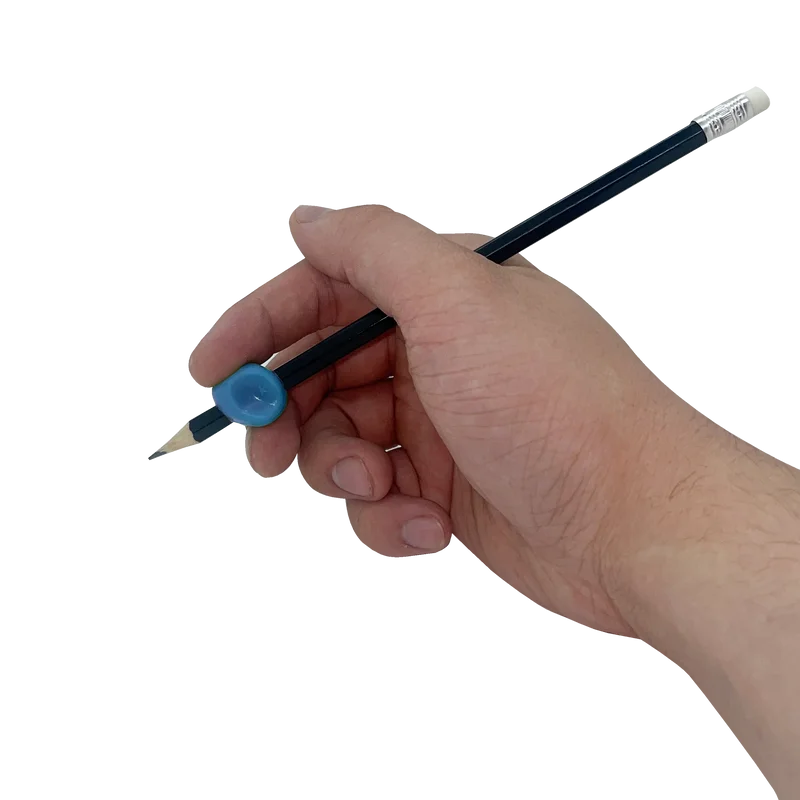
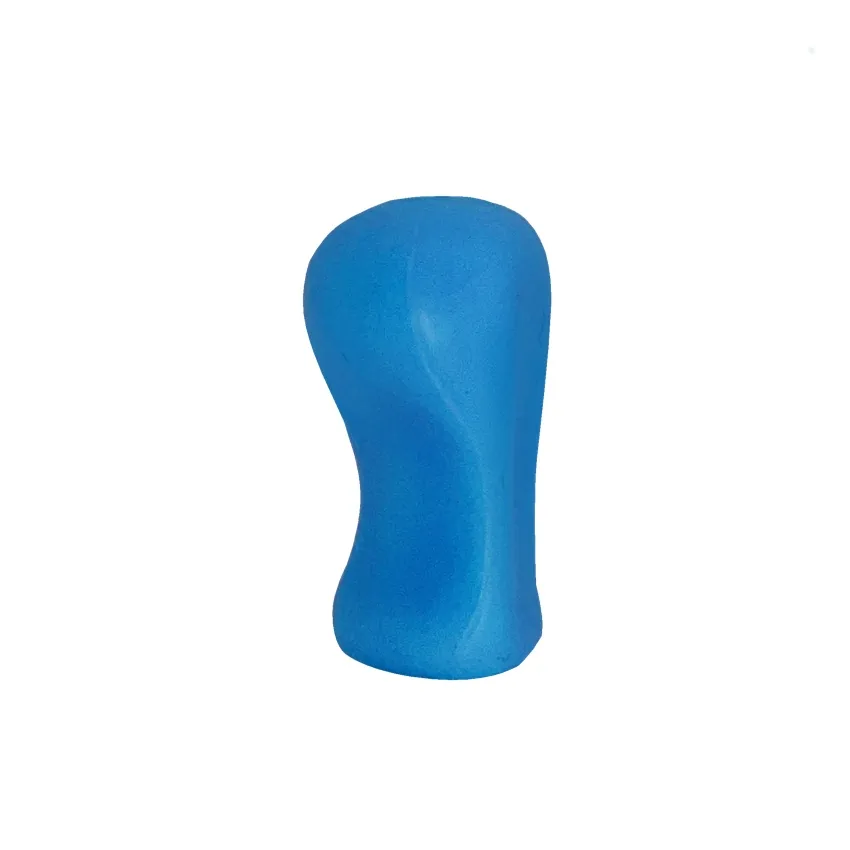
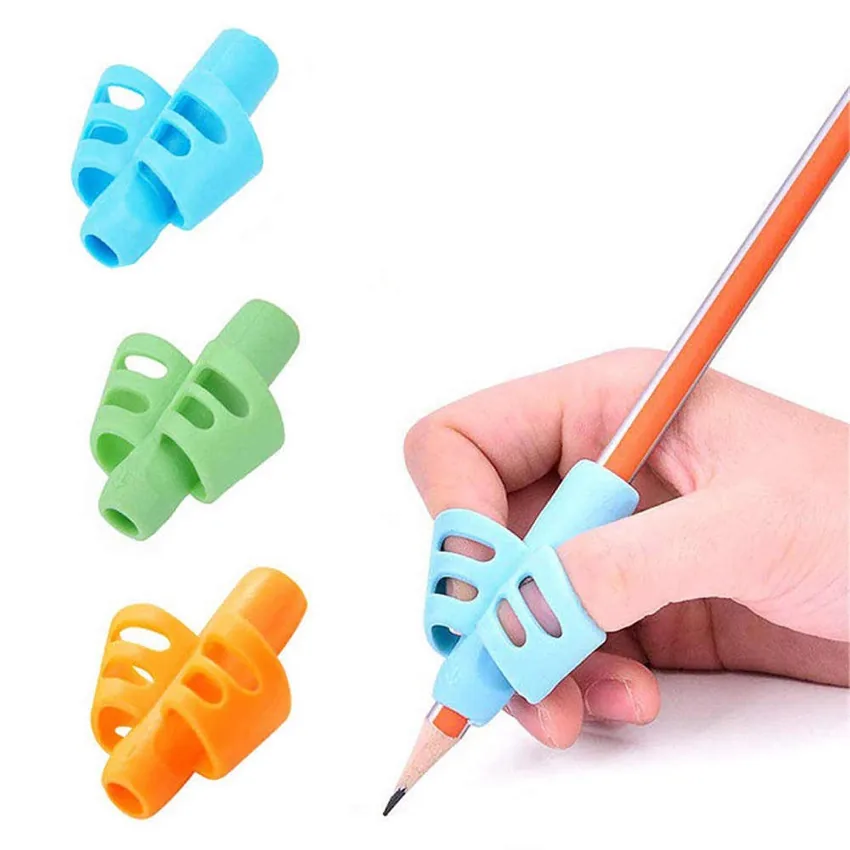
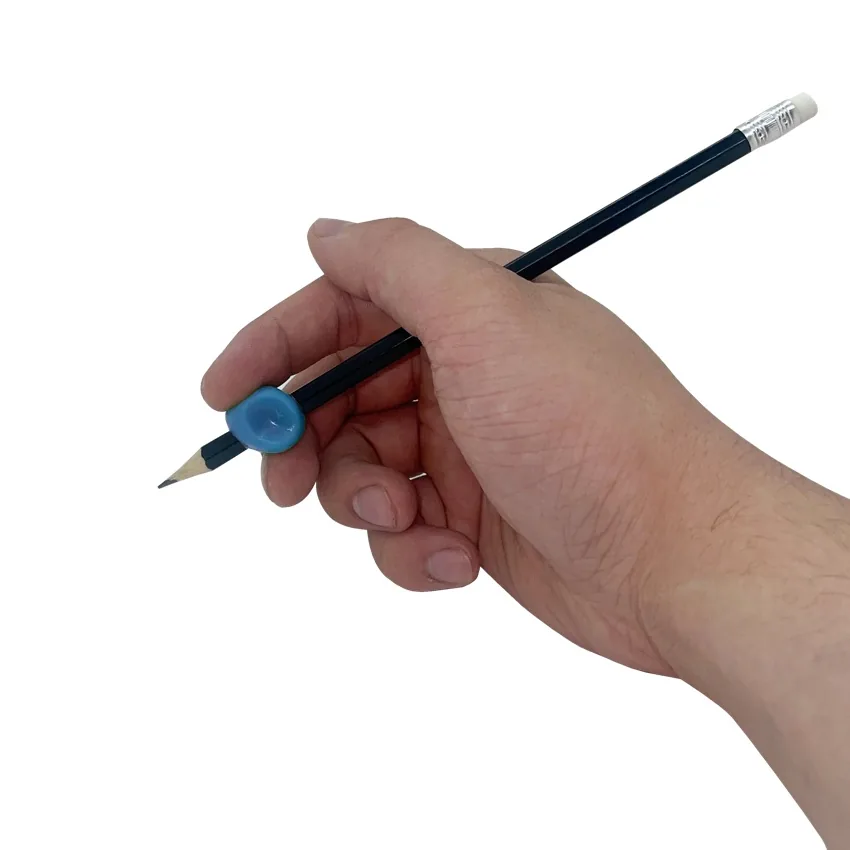
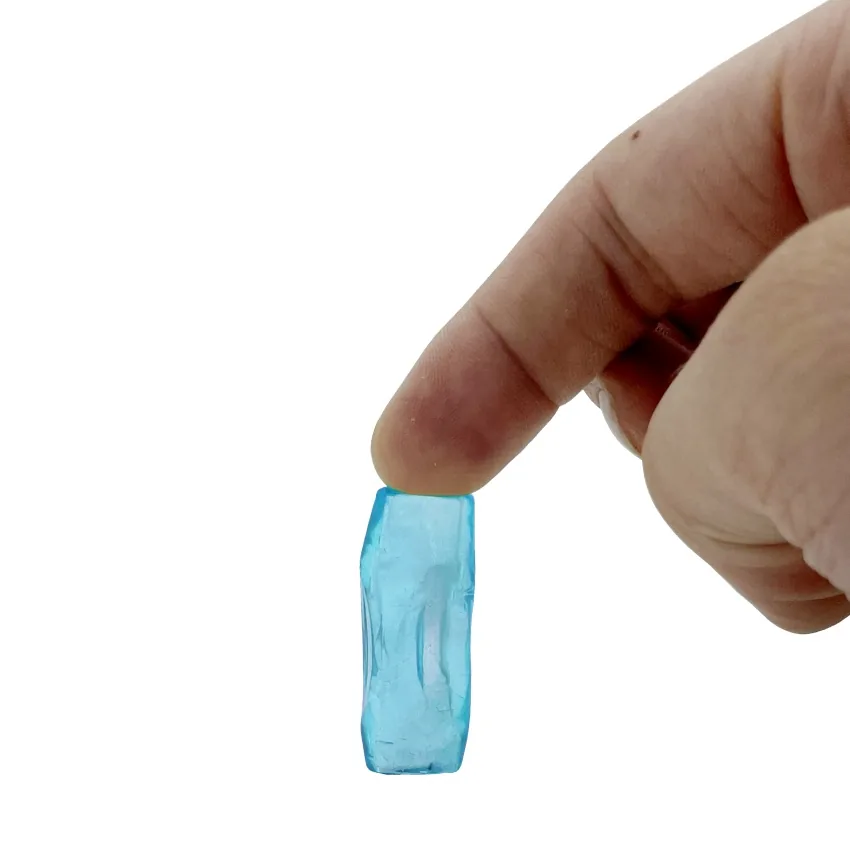
For children whose main challenge is the pencil hold rather than strength, our complementary accessories such as the Pencil Grips, the Soft Gel Pencil Grip or the Micro Advanced Pencil Grip tackle the problem from the other end: they directly guide where the thumb and index finger sit.
Fold putty into the evening routine: during story time, on a family video call or at homework time. Offer simple "recipes," like hiding small beads or coins inside the putty and asking your child to dig them out one by one — a game that combines strength, fine motor control and patience.
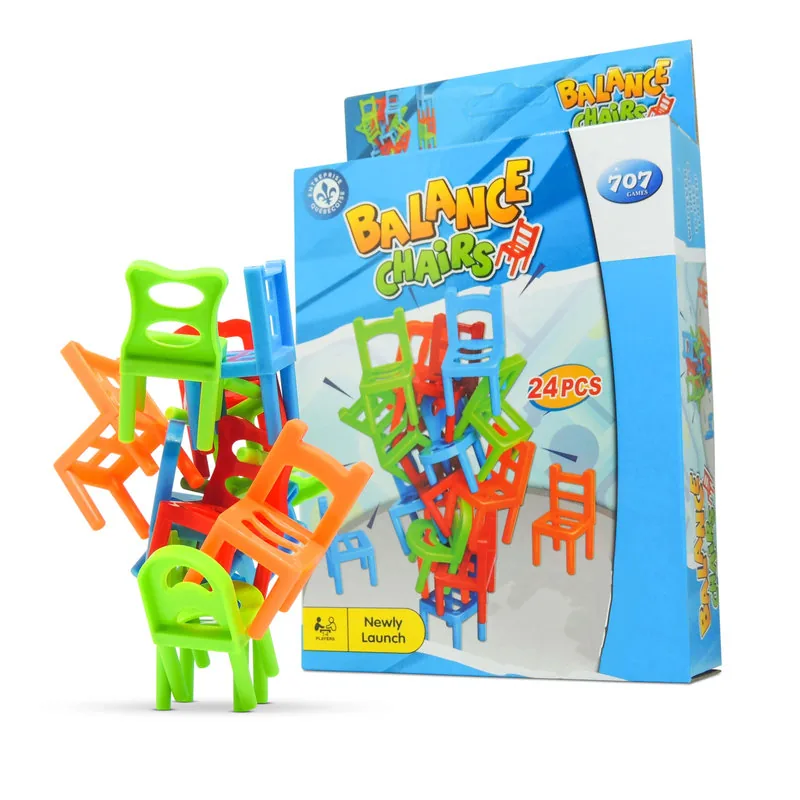
Putty is a tool of discretion: it works under the desk, makes no noise and flings nothing across the room. Many teachers keep it in a focus-tool bin alongside the Balance Chairs, stackable manipulatives that occupy the hands during explanations. One simple rule helps: the putty is for listening, not for playing.
In occupational therapy, difficulty is dialed in by varying resistance and exercises: pinching with the fingertips, spreading the putty apart with two fingers in a scissor motion, rolling "snakes," pressing each finger in turn. The same tool serves the five-year-old and the adult in rehab.
| Product | Best for | Feel / motion | Quiet for class? |
|---|---|---|---|
| Therapy Putty (yellow extra-soft) | Hand strength, anxiety, self-regulation | Knead, stretch, pinch | Yes |
| Balance Chairs | Keeping hands busy, fine motor | Stack, manipulate | Yes |
| Pencil Grips | Pencil hold, handwriting | Guides the fingers | Yes |
| Soft Gel Pencil Grip | Comfort, long writing sessions | Soft cushion | Yes |
| Micro Advanced Pencil Grip | Small hands, advanced correction | Precise placement | Yes |
Our putty is built for repeated use. Because it is malleable, it is not meant for mouthing: we recommend it from age 3, and always with supervision for younger children who might be tempted to put it in their mouths. A few good habits extend its life:
Robiii is a Quebec brand that curates and designs educational, sensory and anti-stress tools for neurodivergent children — ADHD, autism, anxiety, dyslexia. We ship fast across Canada and serve customers in both French and English. Our products are chosen for durability and real-world use in classrooms and clinics, not just for looking good on a shelf. Whether you are a parent, a teacher, an occupational therapist or a retailer, you will find a coherent range here — from putty to pencil grips — built to genuinely help.
The right choice depends on the hand and the goal. Resistance matters most: putty that is too firm discourages, putty that is too soft offers no work. To start, our extra-soft Therapy Putty is the ideal entry point for children and sensitive hands.
Free shipping in Canada. Trusted by 200+ stores, schools and clinics.