Home › Categories › Chew Toys (Chewable Sensory Tools): Calming Through Chewing
Chew Toys (Chewable Sensory Tools): Calming Through Chewing
Chew toys give kids a safe, discreet outlet for the urge to bite and chew — the oral reflex that calms so many children with ADHD, autism or anxiety. Here is how they work and how to pick the right one.
★
Safe oral outletFood-grade silicone built for chewing instead of pencils, shirt collars and fingernails.
★
Proven calming effectChewing delivers regulating proprioceptive input that eases anxiety and supports focus.
★
Quiet for classThe pencil topper and textured necklace work with no noise or distraction for other students.
★
For every needThree formats suited to ADHD, autism, anxiety and dyslexia.
17 products
Products
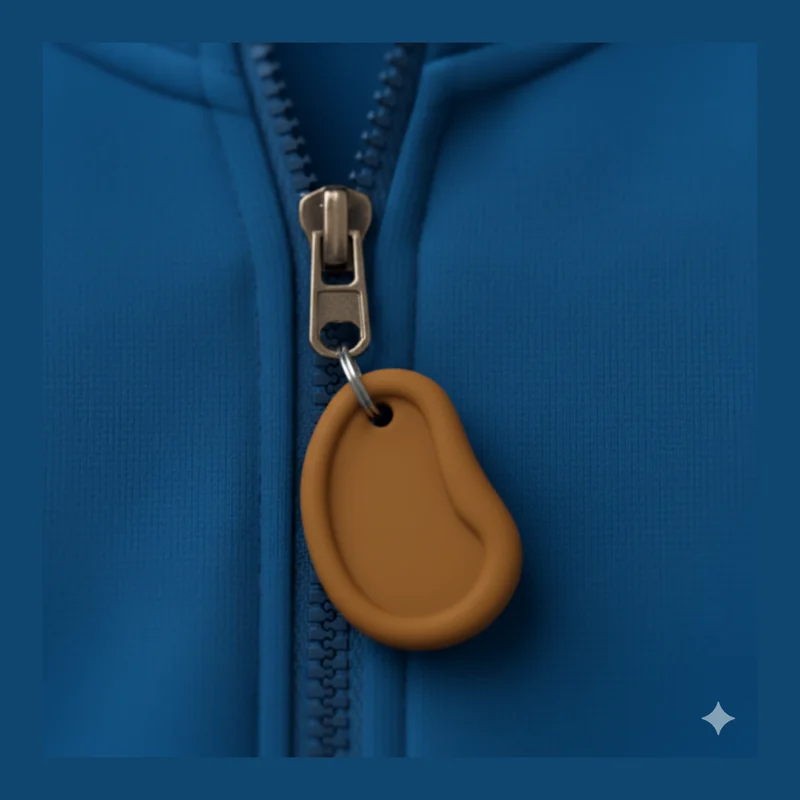
Chewable Carabiner Hook
$7.99eachView
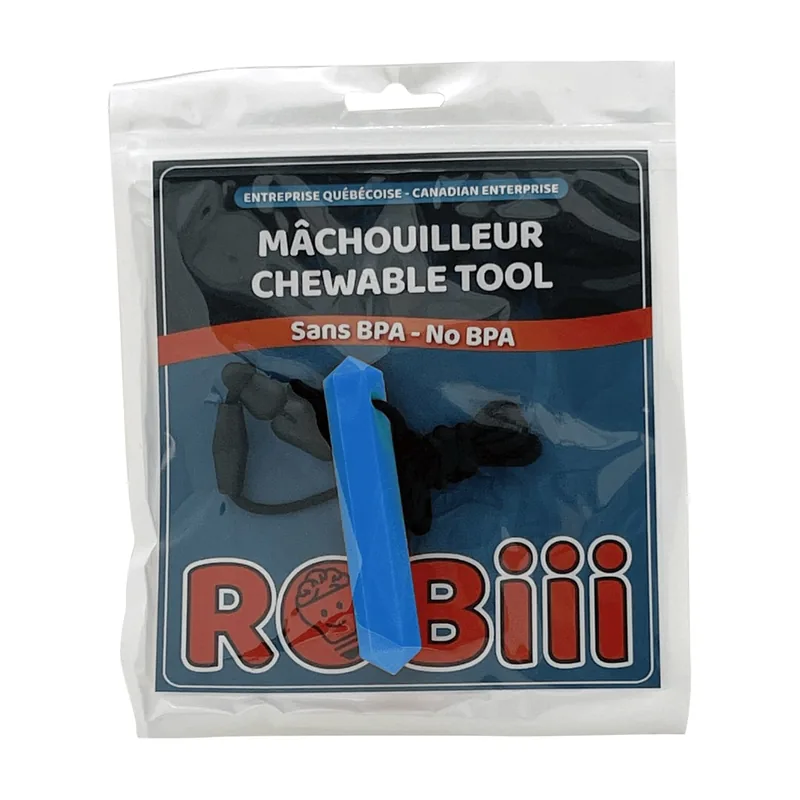
Chewable Diamond Necklace
$7.99eachView
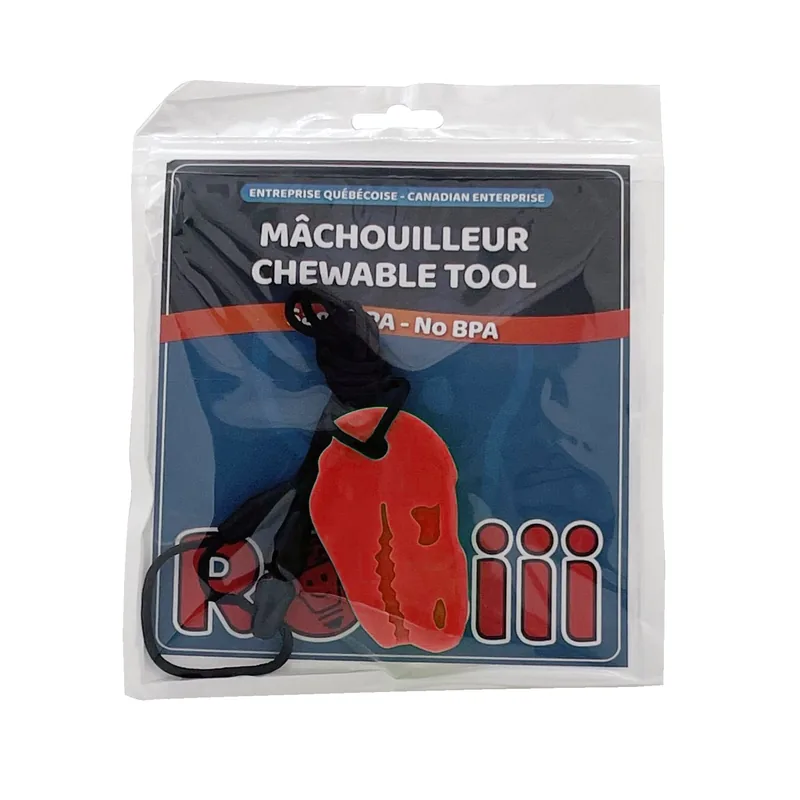
Chewable Dinosaur Necklace
$7.99eachView
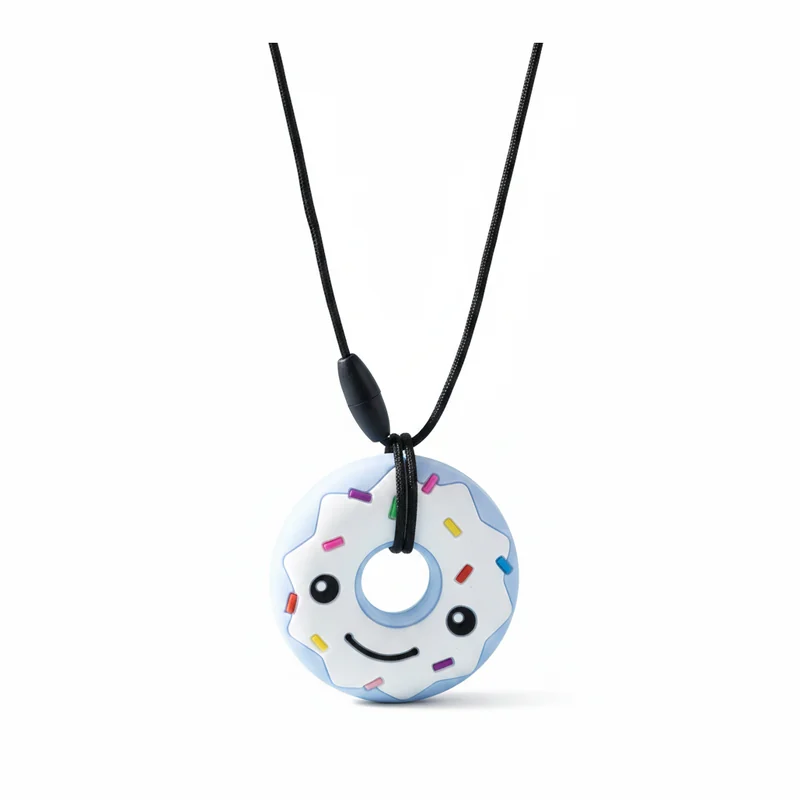
Chewable Donut
$7.99eachView
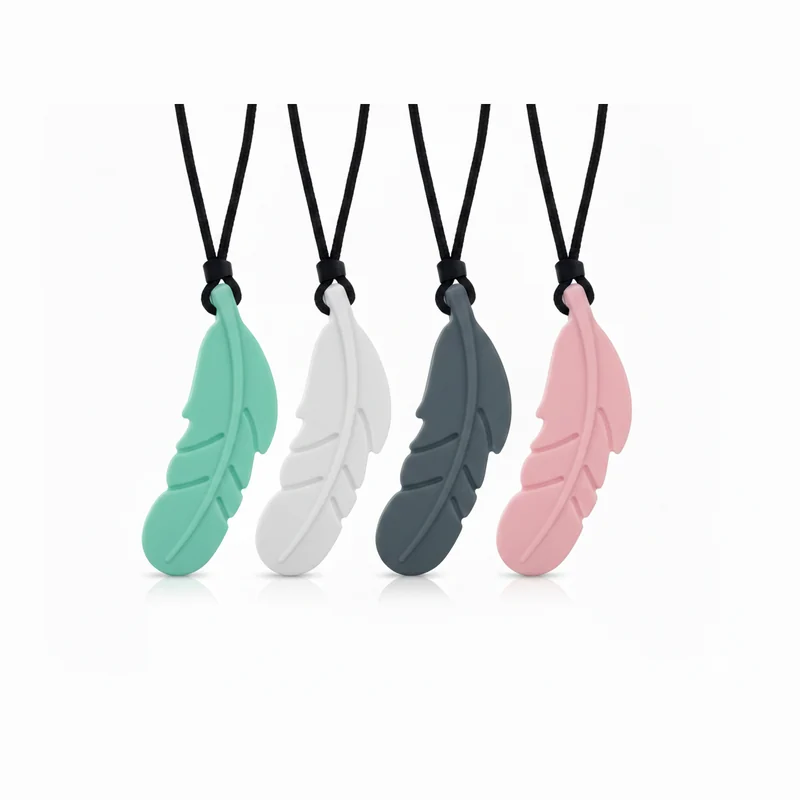
Chewable Feather Necklace
$7.99eachView
Chewable Pencil Topper
$3.99eachView
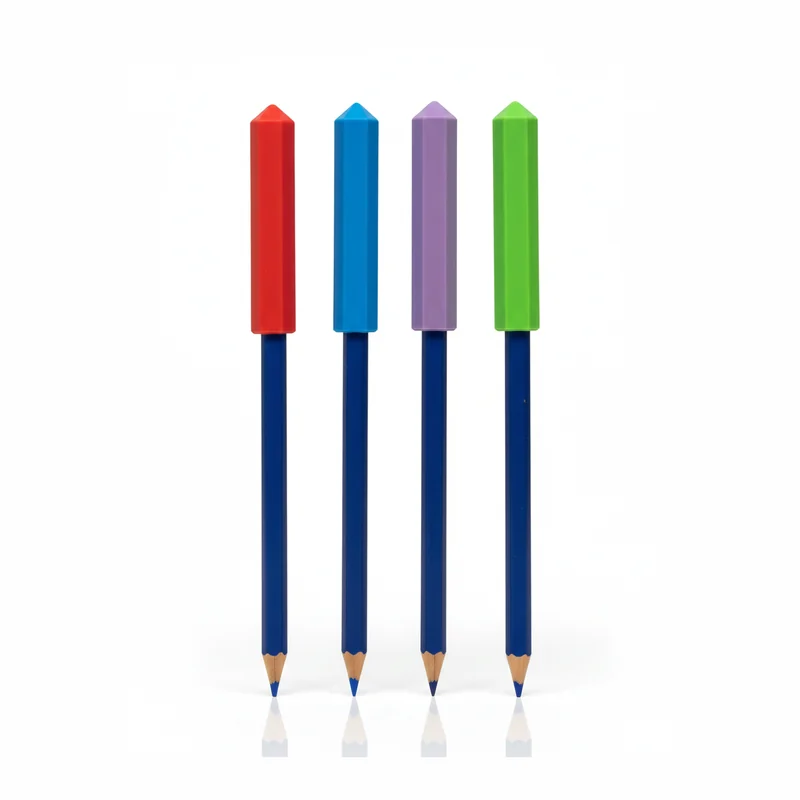
Chewable Pentagon Pencil
$7.99eachView
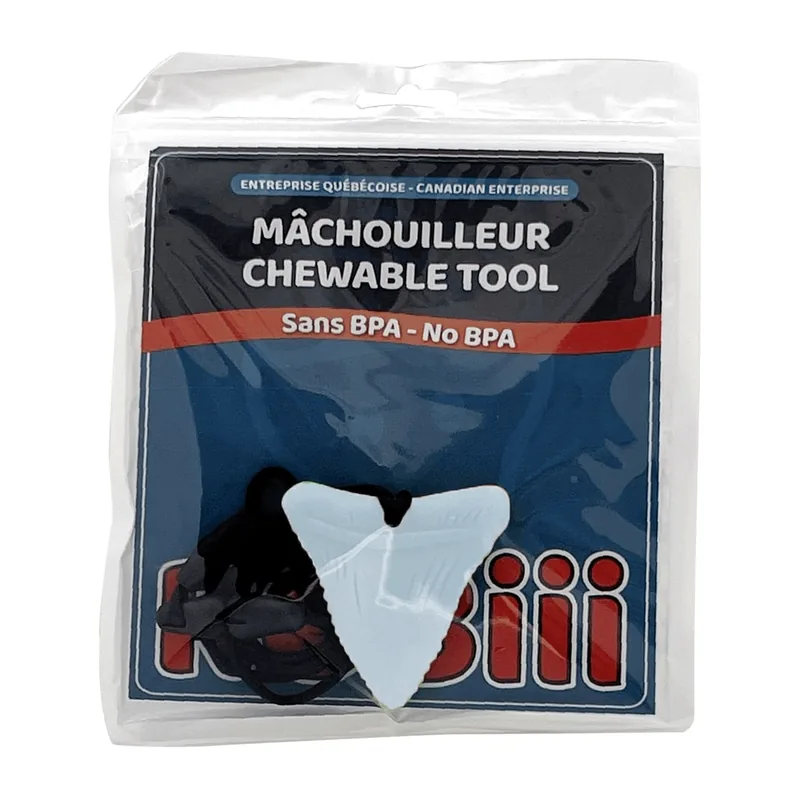
Chewable Shark Tooth Necklace
$7.99eachView
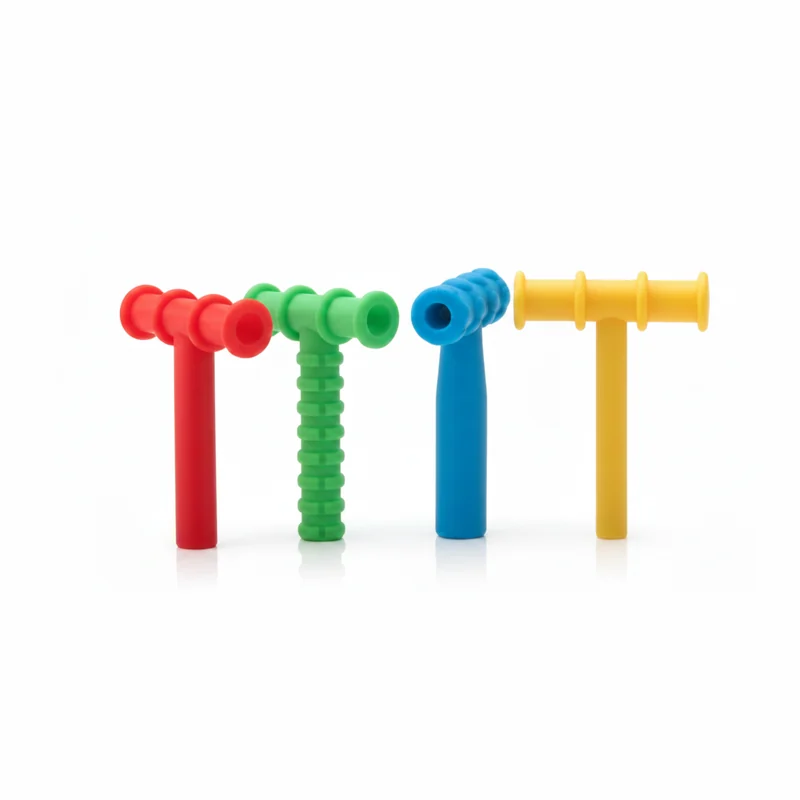
Chewable T-Shape
$7.99eachView
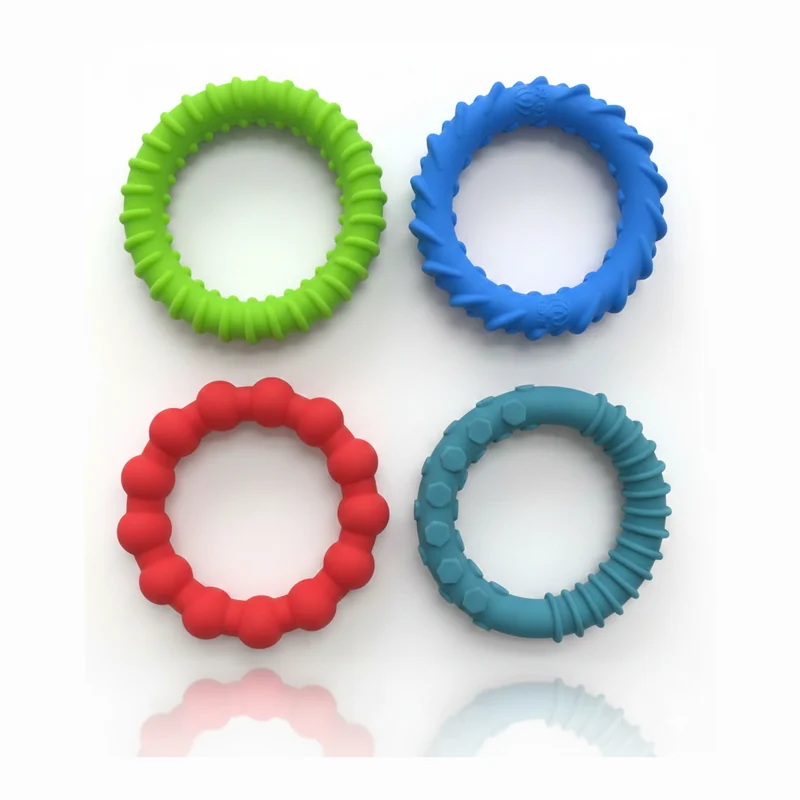
Chewable Textured Bracelet
$7.99eachView
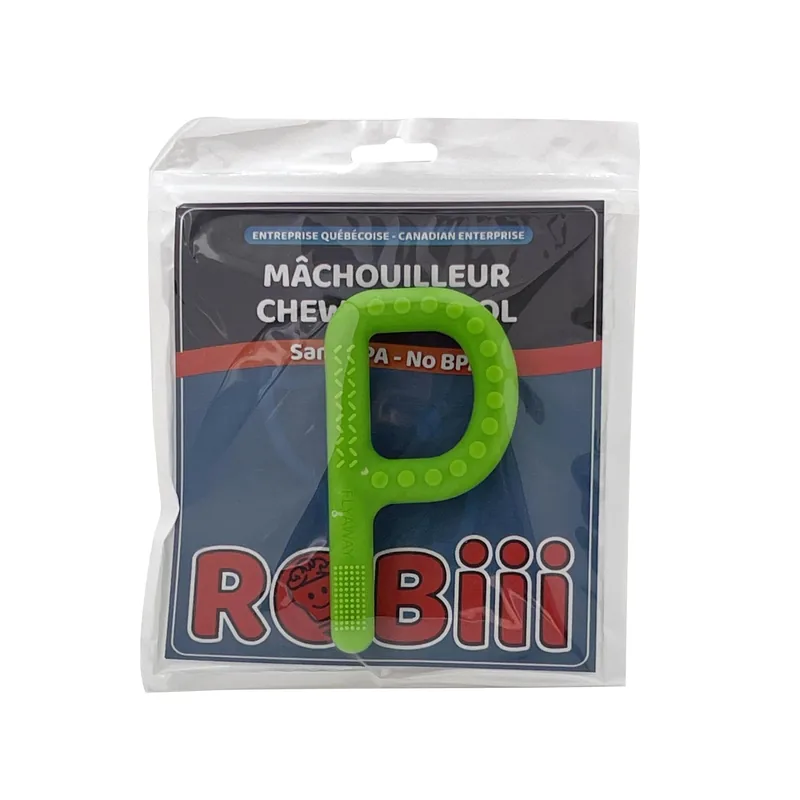
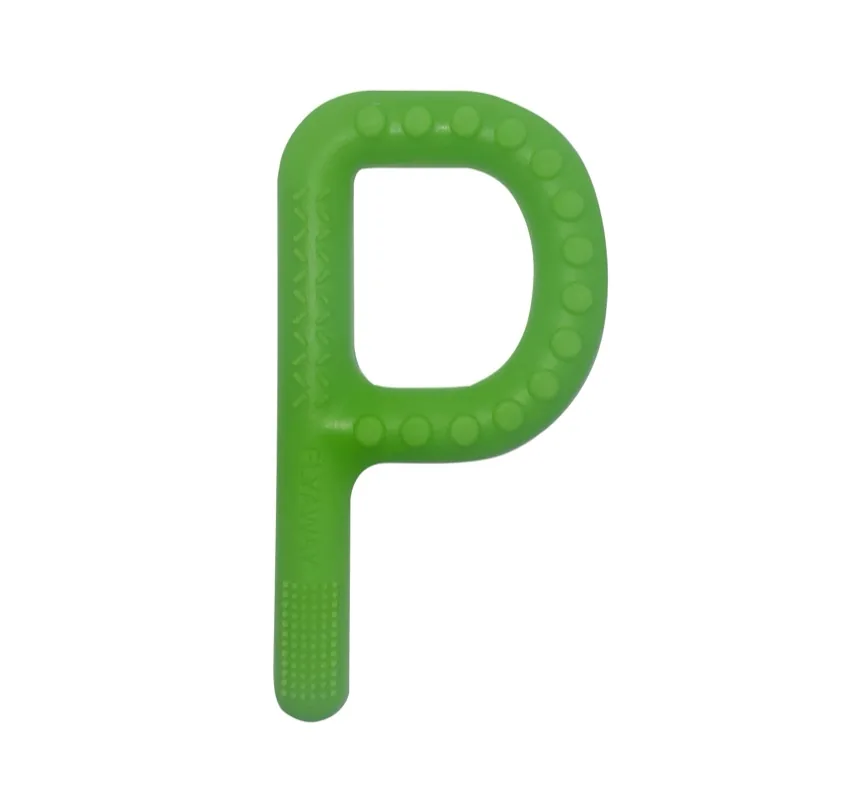
Chewable Textured “P”
$7.99eachView
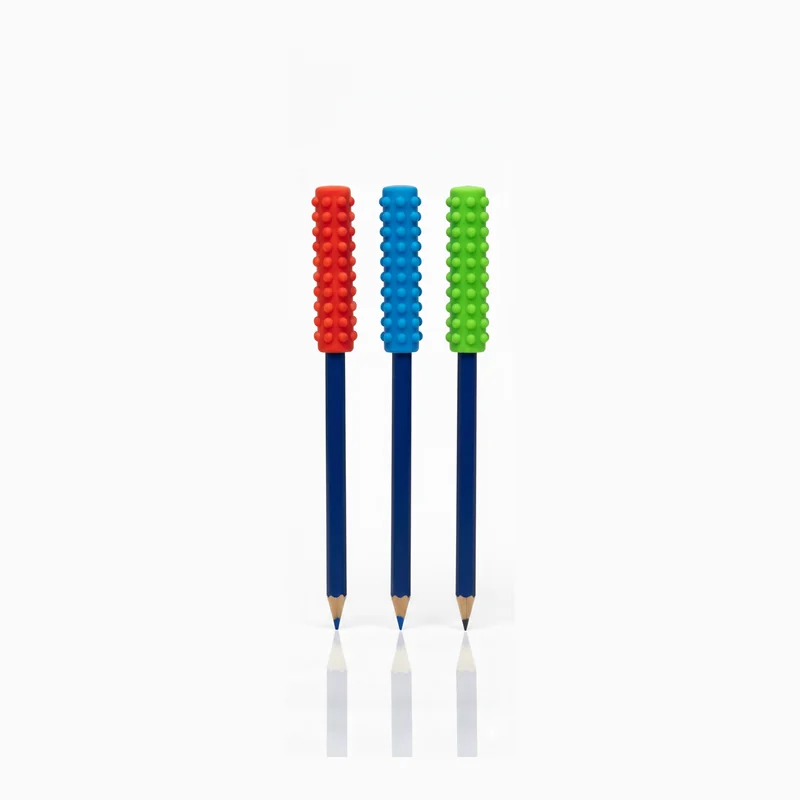
Chewable Tube Pencil
$7.99eachView
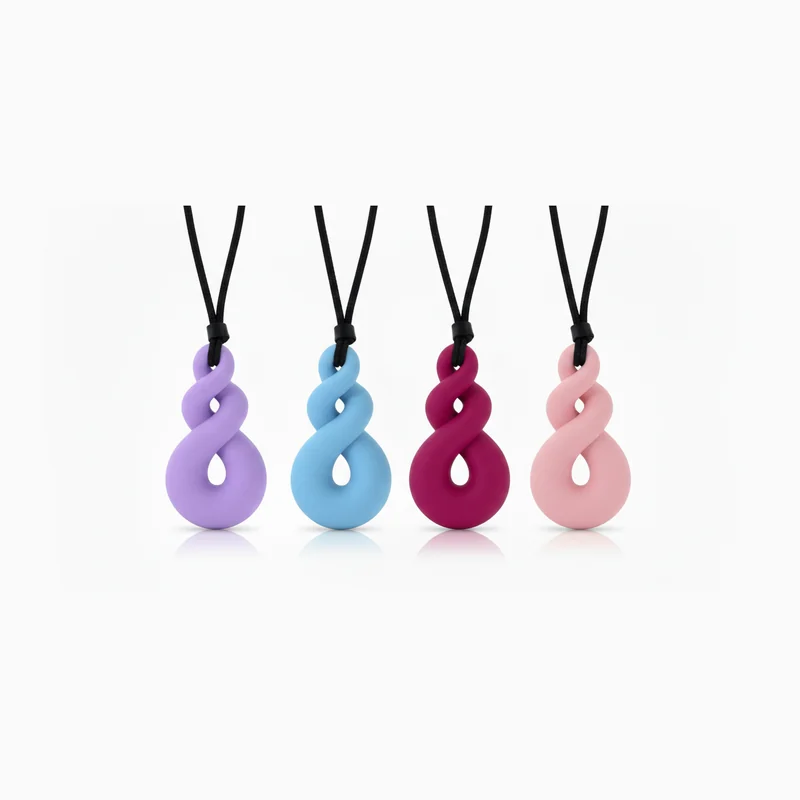
Chewable Twisted Necklace
$7.99eachView
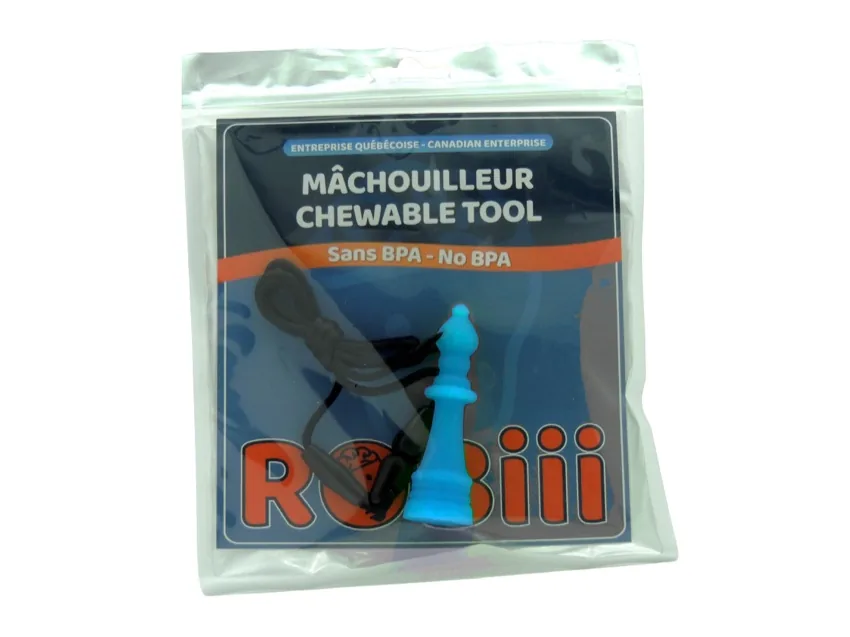
Chewable Chess Pieces
$7.99eachView
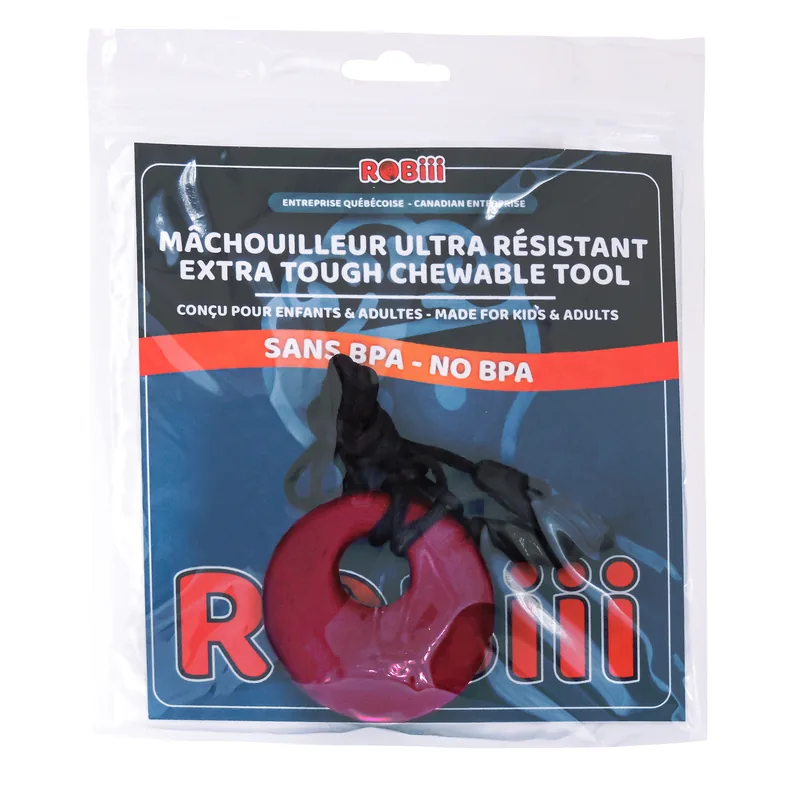
Extra hard chewelry
$7.99eachView
Quick answer — Chew toys, or chewable sensory tools, are safe, durable objects kids can bite and chew to satisfy oral sensory needs and stay calm. They help children with autism, ADHD, or anxiety who chew clothing or objects. Robiii, a Québec brand and wholesaler, offers food-grade chewable tools for kids and clinics.
What is a chew toy (chewable sensory tool)?
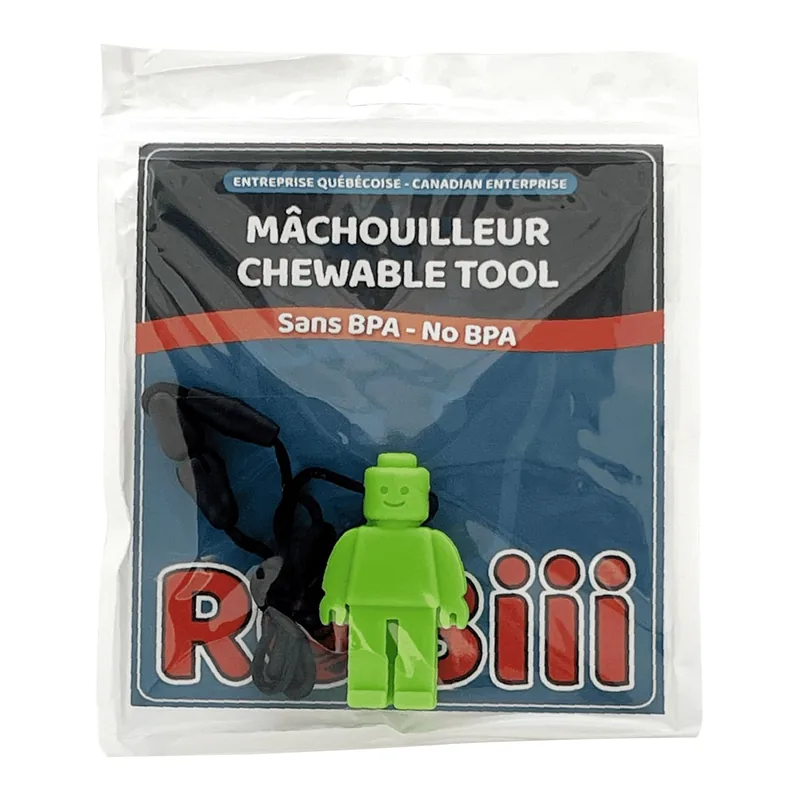
A chew toy is an object designed to be safely bitten and chewed, made from soft, food-grade silicone. Unlike a gnawed pencil, a chewed-up shirt collar or damaged nails, it gives a permitted, durable and easy-to-clean target for a very real oral need. You'll also hear these called "chewies," "chewlery" (chewable jewelry) or simply oral motor tools. At Robiii, the range covers three complementary formats: the Chewable Pencil Topper, the Chewable Textured Cylinder Necklace worn discreetly, and the playful, tough Chewable chess pieces.
The goal isn't to "reward" chewing, but to channel a behaviour that will happen anyway toward an object built for it. This is a recognized occupational-therapy strategy known as oral sensory input.
The science: why chewing calms and focuses
The mouth, jaw and chewing muscles are rich in proprioceptive receptors. When a child bites and chews, they send their nervous system a deep, regulating proprioceptive signal — the same kind of sensory input as a firm hug or a weighted blanket. This jaw work helps organize attention, bring down an over-aroused state and, conversely, "wake up" an under-stimulated child.
In practice, chewing on a safe object can:
- reduce anxiety and restlessness before a test, a transition or a hard moment;
- improve focus in class by satisfying the need to move;
- cut down harmful chewing behaviours (collars, sleeves, pencils, cheeks);
- offer a socially acceptable, discreet outlet — especially as a necklace or pencil topper.
Who they help: by need
ADHD
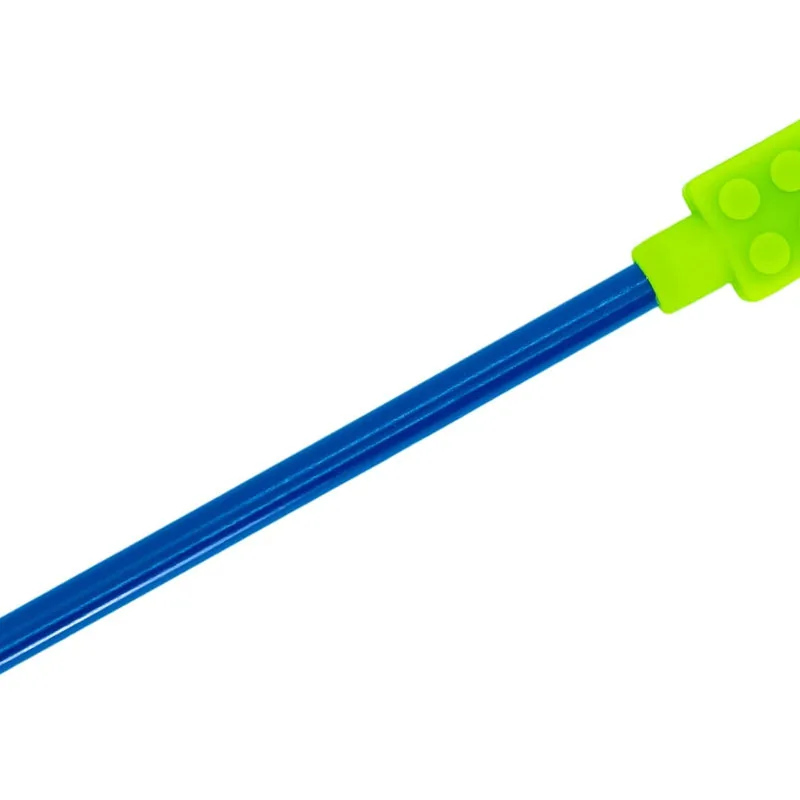
Many kids with ADHD chew pencils or gnaw their clothes when they have to sit still. The Chewable Pencil Topper that slides onto a pencil is ideal: it turns the already-chewed object into a permitted target without adding anything to the desk. Oral input helps channel motor energy toward the task.
Autism
For an autistic child who strongly seeks oral stimulation, a robust, textured format is essential. The Textured Cylinder Necklace and the Chewable chess pieces offer the resistance and relief that intense chewers look for, while staying available around the neck at all times.
Anxiety
Chewing is a powerful self-regulating gesture under stress. A discreet necklace lets an anxious child settle without drawing attention — at school, on the bus or in a waiting room.
Dyslexia and learning challenges
During reading or writing — long and demanding for a child with dyslexia — a chewable pencil topper channels tension and supports sustained attention without disturbing others.
Robiii chew toys compared
| Product | Best for | Texture | Quiet for class? |
|---|---|---|---|
| Chewable Pencil Topper | ADHD, dyslexia, homework | Smooth, firm | Yes — fits on a pencil |
| Textured Cylinder Necklace | Autism, anxiety, intense chewers | Textured, ridged | Yes — worn at the neck |
| Chewable chess pieces | Intense chewers, play, home | Sculpted, tough | Moderate — more playful |
How to use them: home, class, therapy
At home, offer the chewy at high-risk moments: homework, screen time, the transition to bedtime. In class, the pencil topper or necklace fits in with no noise or distraction. In occupational therapy, a professional can build oral input into a "sensory diet" planned across the day.
- Name the purpose: explain to the child that it's for chewing, not a toy to throw.
- Watch for wear: replace any chewy showing tears or detaching pieces.
- Clean regularly with warm soapy water; silicone washes easily.
- Vary the textures depending on whether the child seeks smooth or ridged surfaces.
Safety and age
Chewies are made for chewing, but they remain accessories to supervise. For necklaces, use a breakaway clasp cord to avoid any strangulation risk, and favour them for older children who can follow the rule. Inspect each toy before use, replace it at the first sign of wear, and keep small pieces away from toddlers. The quality silicone used is BPA-free, phthalate-free and lead-free.
Why choose Robiii
Robiii is a Quebec brand and wholesaler specializing in educational, sensory and anti-stress toys for children with ADHD, autism, anxiety or dyslexia. Our chew toys are selected for their durability, quality silicone and value, with fast shipping across Quebec and Canada. Parents, teachers, occupational therapists and retailers find a local, reliable partner attuned to real-world needs.
How to choose
Choosing the right chew toy starts with watching how and when your child chews. A light chewer who mostly gnaws pencils will be well served by a topper, while an intense chewer needs a robust format that's always within reach.
- Chewing intensity: light, moderate or intense — the more intense, the firmer and thicker the silicone should be (cylinder necklace, chess pieces).
- Where it's used: for class, favour the pencil topper or discreet necklace; for home, the playful chess pieces work well.
- Texture sought: smooth for neutral calming, textured/ridged for strong sensory seekers.
- Age and independence: reserve necklaces for children who can follow the rule, with a breakaway clasp cord.
- Discretion: a necklace or topper draws far less attention than an object sitting on the desk.
- Hygiene: keep two on hand to rotate during washing.
Explore more
Frequently asked questions
Who are chew toys for?
Children with a strong oral need: ADHD, autism, anxiety or dyslexia. They also help any child who gnaws pencils, collars or nails.
How do I choose between the topper, necklace and chess pieces?
The pencil topper suits light chewers and the classroom, the textured necklace suits intense chewers who want constant access, and the chess pieces suit play and home. The more intense the chewing, the firmer the format should be.
Is it safe to chew these toys?
Yes — they're made from quality silicone designed for chewing, BPA- and phthalate-free. They remain accessories to supervise: inspect them and replace them at the first sign of wear.
What age are they for?
It depends on the child's ability to follow the rule "we chew, we don't throw." For necklaces, choose a breakaway clasp cord and reserve them for older children; keep small pieces away from toddlers.
Are they discreet in class?
Yes. The pencil topper and cylinder necklace work with no noise or distraction. They're often less disruptive than the pencil- or clothing-chewing they replace.
How do I clean them?
With warm soapy water, then rinse well and let dry. Silicone washes easily; regular cleaning extends its life.
Do you offer wholesale pricing for schools and clinics?
Yes. Robiii is also a Quebec wholesaler and offers quantity pricing for schools, daycares, occupational therapists and retailers. Contact us for terms.
What are the shipping times?
Shipping is fast across Quebec and Canada from our local warehouse. Exact times appear at checkout.
Ready to stock Robiii?
Free shipping in Canada. Trusted by 200+ stores, schools and clinics.