HomeGuides › The Best Chew Toys: A Complete Buyer's Guide

The Best Chew Toys: A Complete Buyer's Guide

Chewing on a pencil, gnawing on sleeves, grinding teeth: the oral sensory need is real, and a good chew toy channels it safely. Here is how to choose the right one and our top picks.
🚚 Free shipping in Canada🍁 Québec brand⭐ Trusted by 200+ stores
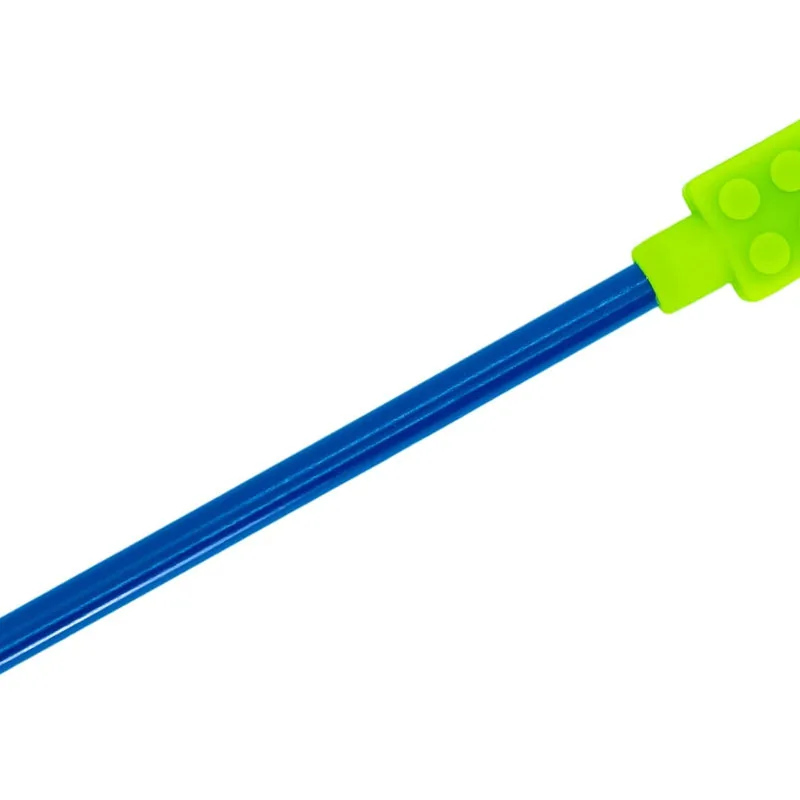
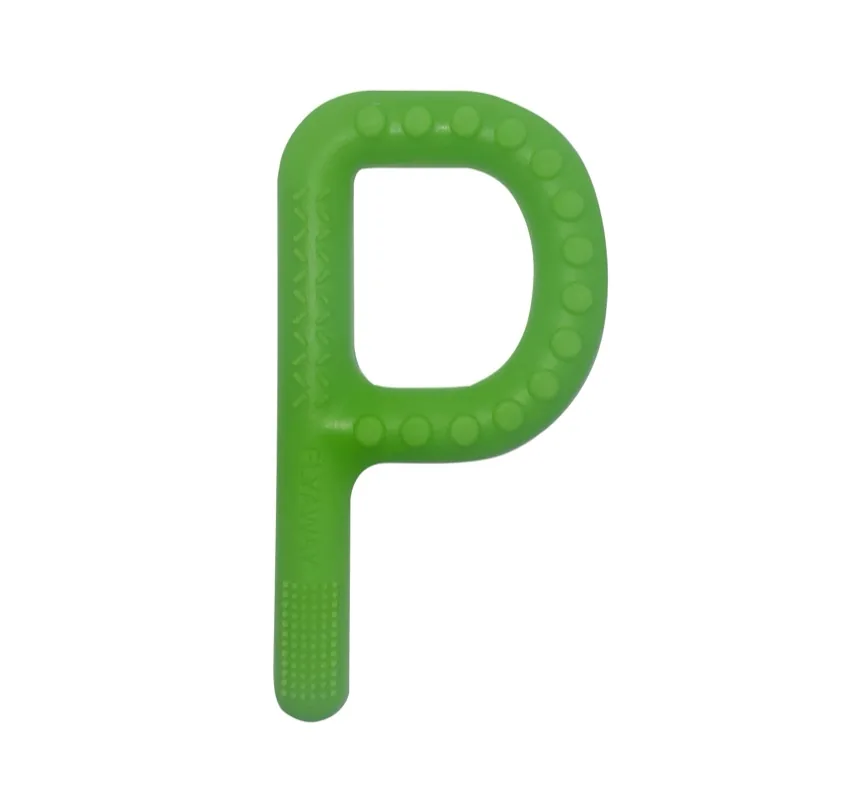
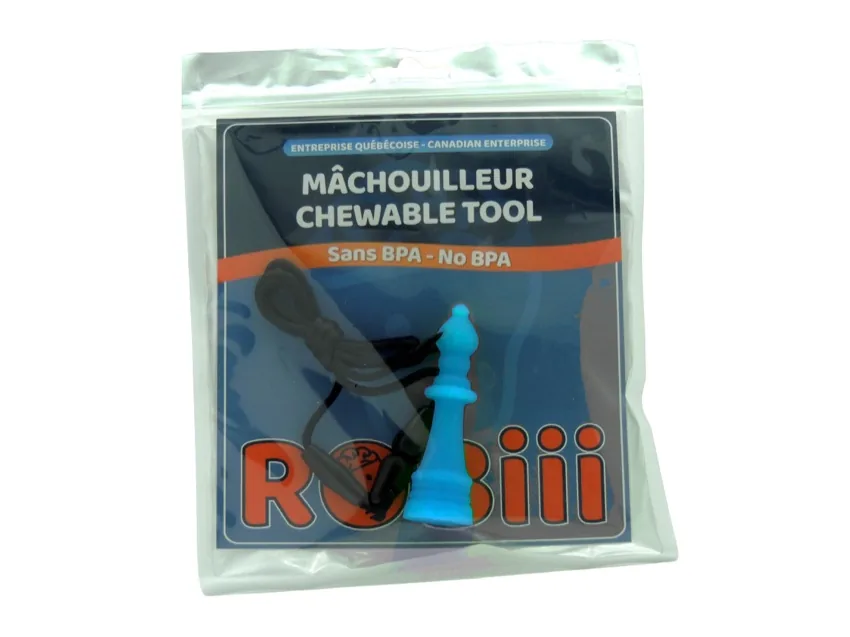
Chewable Pencil TopperChewable Textured Cylinder NecklaceChewable chess pcsChewable Pencil Topper
Channels the oral needInstead of scolding a child who chews everything, you give them a safe target. Pencils, collars, and fingernails are finally spared.
Calms and refocusesChewing sends a calming signal to the jaw and nervous system: less fidgeting, more focus at school and at home.
An option for every chewerFrom the light pencil topper to the firm chess-piece chewy, there is a resistance level suited to each profile.
Discreet and portableThe necklace follows the child everywhere without getting lost; the pencil topper goes unnoticed during homework.

3 products

Recommended products

Quick answer — Chew toys, or chewelry, are safe, durable silicone tools kids can bite and chew to satisfy oral sensory needs and self-regulate. They help children with autism, ADHD or anxiety who chew clothing or objects. Robiii, a Québec brand, offers food-grade chew toys built for daily sensory support.

What a Chew Toy Is (and Why It Helps)

A chew toy, often called a "chewy" or chewelry, is an object designed to be safely chewed on. Made from food-grade silicone or rubber, it offers a firm-yet-flexible resistance that teeth can clamp down on again and again. For many children — and adults — chewing is not a bad habit to correct, but a real oral sensory-seeking need: the brain is asking for proprioceptive input to the jaw in order to calm down, focus, or regulate energy.

The science behind this is called oral proprioceptive input. Chewing engages the muscles and joints of the jaw, which sends the nervous system an organizing, calming signal — a bit like a weighted blanket, but for the mouth. The result: less fidgeting, better classroom attention, and crucially, protection for the pencils, shirt collars, and fingernails that were previously serving as unhygienic (and unsafe) stand-ins.

Who Benefits from a Chew Toy, by Need

The oral need has no single profile. Here are the situations where a chewy makes a real difference:

  • ADHD: chewing gives the body a discreet, repetitive motion that helps with staying seated and channeling restlessness. The Chewable Pencil Topper, which slips onto the end of a pencil, is perfect for this: it keeps hands and mouth busy while the child writes or listens.
  • Autism / ASD: chewing is a fully legitimate form of self-regulation (stimming). A portable chewy like the Chewable Textured Cylinder Necklace replaces risky behaviours (biting sleeves, gnawing on hard objects) with a safe option that is always within reach.
  • Anxiety and stress: chewing releases tension in the jaw, where stress so often settles. It is a calming tool as effective as a stress cube, but oral.
  • Dyslexia and learning challenges: by offloading a little sensory demand, a chewy helps sustain focus during demanding reading tasks.
  • Teens and adults: the need does not disappear with age. A discreet necklace goes unnoticed at work or in high school.

Comparison: Our Chew Toys

Each chewy has its own texture, resistance level, and ideal setting. This table helps you choose at a glance.

ProductBest forTexture / formatQuiet for class?
Chewable Pencil Topper ($3.99)Pencil chewers, homework, writingTopper that slides onto a pencilYes — very discreet, sits on the school tool
Chewable Textured Cylinder Necklace ($7.99)All-day oral need, portabilityTextured cylinder, worn at the neckYes — always on hand, nothing to lose
Chewable Chess Pieces ($7.99)Heavy chewers, hand-held useChess pieces to bite / fidget withModerate — best kept on the desk

How to Choose: Chew Level and Texture

The most important criterion is chew intensity. A light chewer will be satisfied by a soft pencil topper; an aggressive chewer needs a denser rubber, or they will wear it out within days. Watch the child: if they have already destroyed pens or chewed holes in their collars, aim for a firm product like the Chewable Chess Pieces.

Smooth or Textured?

Textured surfaces (like the Textured Cylinder Necklace) provide richer sensory feedback and appeal to profiles that crave a lot of stimulation. Smoother surfaces suit beginners or those who get easily distracted by too much sensation.

Portable or Anchored?

A necklace follows the child everywhere and does not get lost — ideal for continuous self-regulation. A pencil topper, meanwhile, blends naturally into homework time without drawing attention. Many families keep both: the necklace for the day, the topper for schoolwork.

Safety, Age, and Care

Safety comes first. Here are the golden rules:

  • Always supervise younger children, and follow the recommended age on the packaging. A chewy is not a toy to leave with an unsupervised baby.
  • Safe material: choose food-grade silicone or rubber, BPA-free. Our chewies are designed for the mouth.
  • Breakaway cord: for a necklace, a clasp that releases under tension reduces any risk around the neck.
  • Inspect regularly: as soon as a chewy shows cracks, detaching pieces, or heavy wear, replace it. That is exactly why our affordable pricing ($3.99 to $7.99) makes replacement easy.
  • Hygiene: wash with warm soapy water, and assign one chewy per child — you do not share a chewy.

Why Choose Robiii

Robiii is a Québec brand and wholesaler specializing in educational, sensory and anti-stress toys. Our chew toys are selected for genuine durability and safety, at prices that stay accessible for families, schools, and clinics. You order locally, you get fast shipping across Québec, and you talk to people who understand ADHD, autism, and anxiety needs. Whether you buy a single necklace for your child or a full case for a classroom, you will find the oral tool that channels the need instead of fighting it.

How to choose

Choosing the right chew toy comes down to noticing how and where your child feels the need. Start by gauging chew intensity, then think about the setting: school, home, or therapy. Here are our concrete guideposts:

  • Gauge the intensity: light chewer → soft pencil topper; aggressive chewer (broken objects, holey collars) → firm chewy like the chess pieces.
  • Pick the texture: textured for maximum sensory stimulation, smoother for beginners or easily distracted profiles.
  • Consider the format: a necklace for all-day self-regulation, a topper for writing and homework moments.
  • Check safety: food-grade material, a cord that releases under tension, recommended age respected.
  • Plan for replacement: keep a spare chewy on hand; at this price, it is better to replace early than wait for wear.
  • Combine them: many families use the necklace during the day and the topper for schoolwork.

Explore more

Frequently asked questions

Who are chew toys for?
Anyone with an oral sensory need: children, teens and adults with ADHD, autism, anxiety, or learning challenges. They also suit anyone who chews pencils, collars, or fingernails.
How do I choose the right chew level?
Watch the intensity. A light chewer is satisfied by a soft pencil topper; an aggressive chewer needs a firm chewy, like the Chewable Chess Pieces, which withstands strong pressure.
Are chew toys safe?
Yes, when made from food-grade silicone or rubber, used per the recommended age, and supervised for younger children. Inspect them regularly and replace at the first signs of wear.
Are they quiet for the classroom?
Very. The topper attaches to a pencil and blends into school supplies; the necklace stays at the neck, always on hand and silent. The chess pieces are best kept on the desk.
How long does a chewy last?
It depends on chew intensity. A heavy chewer will wear one out faster; that is why our affordable pricing ($3.99 to $7.99) makes regular replacement easy for safety.
How do I clean them?
Wash with warm soapy water and let dry. Assign one chewy per child: for hygiene reasons, you do not share a chewy.
Do you offer bulk orders for schools and clinics?
Yes. Robiii is also a Québec wholesaler: we supply schools, occupational therapists, and retailers in quantity, with fast shipping across Québec. Contact us for wholesale pricing.
Which product is best for a pencil chewer?
The Chewable Pencil Topper is designed exactly for this: it slides onto the end of the pencil and provides a safe target during writing and homework.

Ready to stock Robiii?

Free shipping in Canada. Trusted by 200+ stores, schools and clinics.