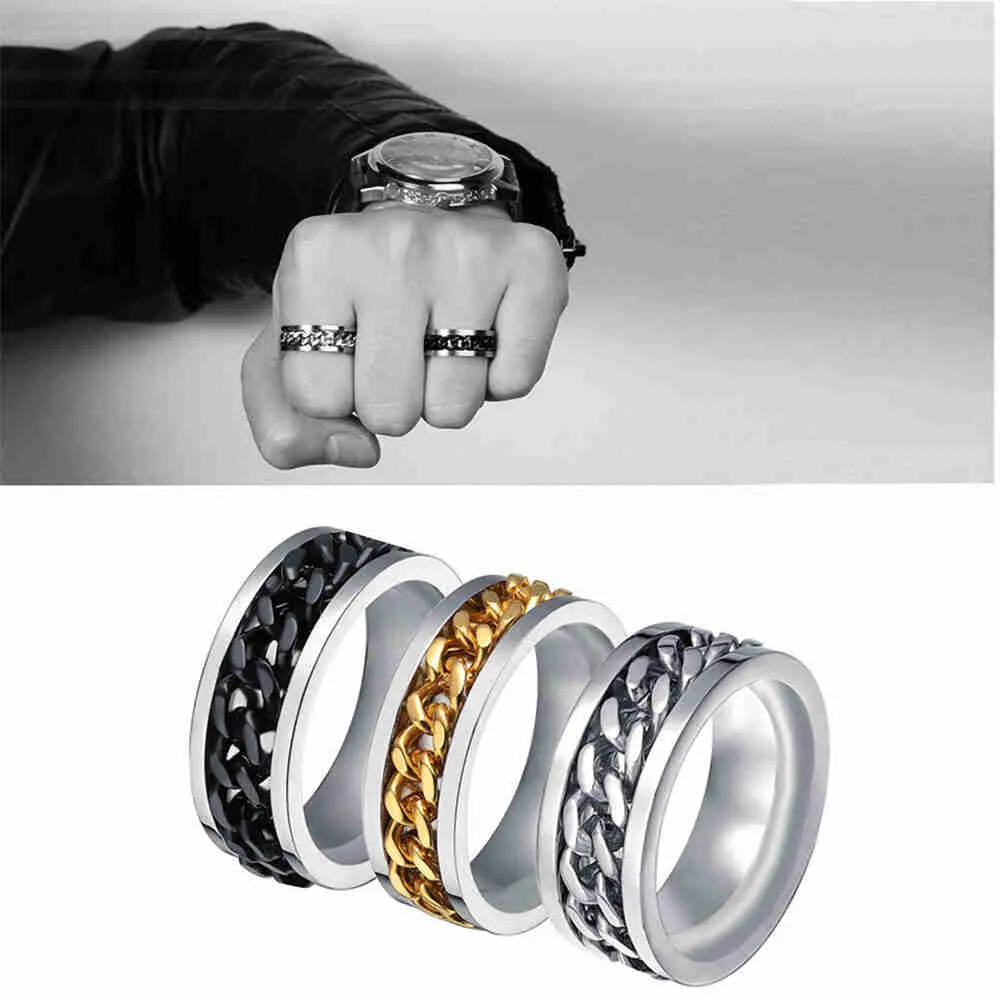
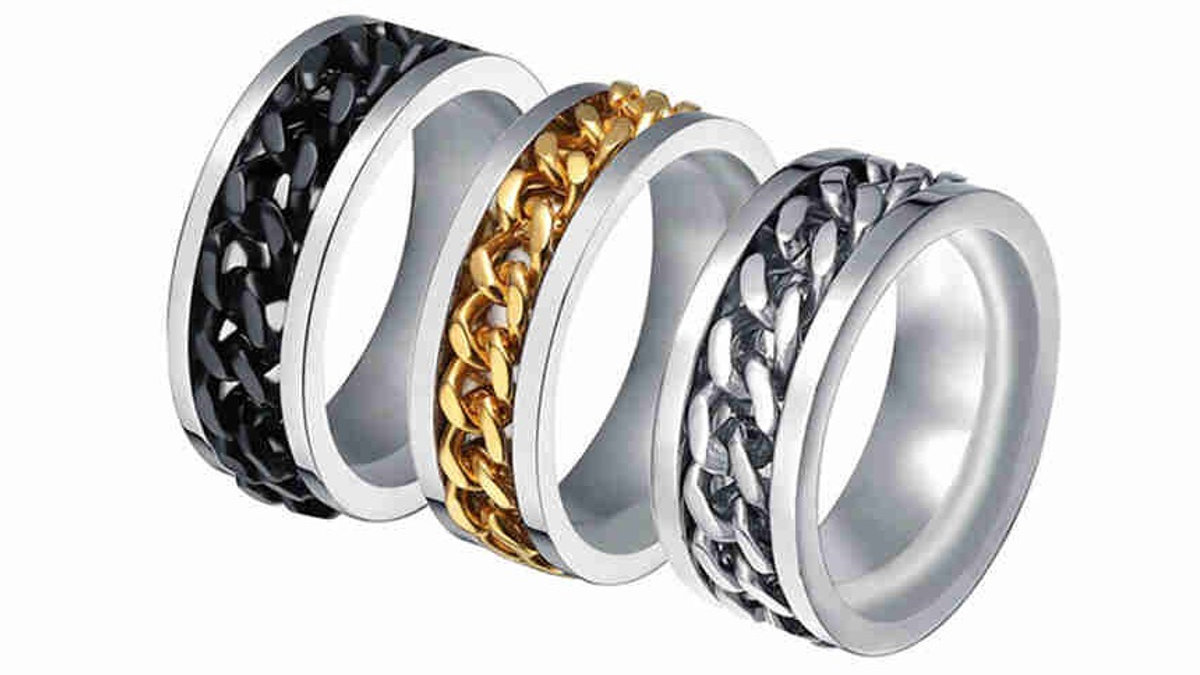
A fidget spinner ring is a wearable piece of jewellery with a freely spinning outer band. Giving it a quiet spin with your thumb provides discreet sensory stimulation that helps ease anxiety, channel restless energy and maintain focus — without anyone around you ever noticing.
Ever catch someone clicking a pen repeatedly during a meeting, or spinning a lighter between their fingers while waiting for the bus? That repetitive movement is not bad manners — it is the brain instinctively seeking the sensory input it needs to stay regulated. The fidget spinner ring answers that need with a quiet kind of elegance: it looks like any other ring but hides a rotating mechanism that delivers exactly the right amount of tactile feedback.
Because it sits on your finger, it is always with you — no digging through a bag, no pulling out a gadget. Whether you are a parent of an anxious child, an adult managing ADHD, or simply someone whose hands need to move to think clearly, this small ring deserves a serious look. Here is everything you need to know to choose the right one and make the most of it.
What is a fidget spinner ring?
A fidget spinner ring — also called a spinning ring, anxiety ring or spinner ring — consists of two interlocking parts: an inner band that stays fixed on your finger, and an outer band that rotates freely through 360 degrees around it. The mechanism is as simple as the result is effective: a light touch from your thumb or another finger sets the outer ring spinning smoothly, creating a steady, rhythmic tactile sensation.
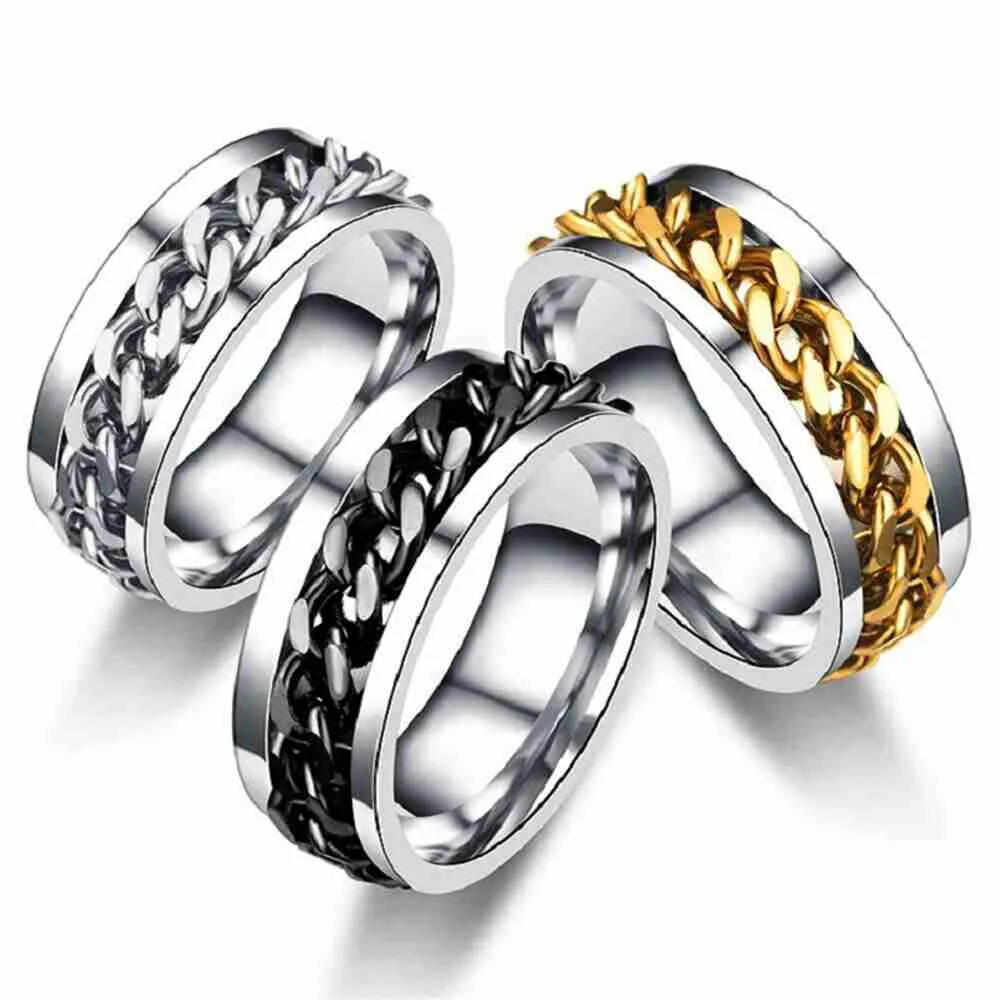
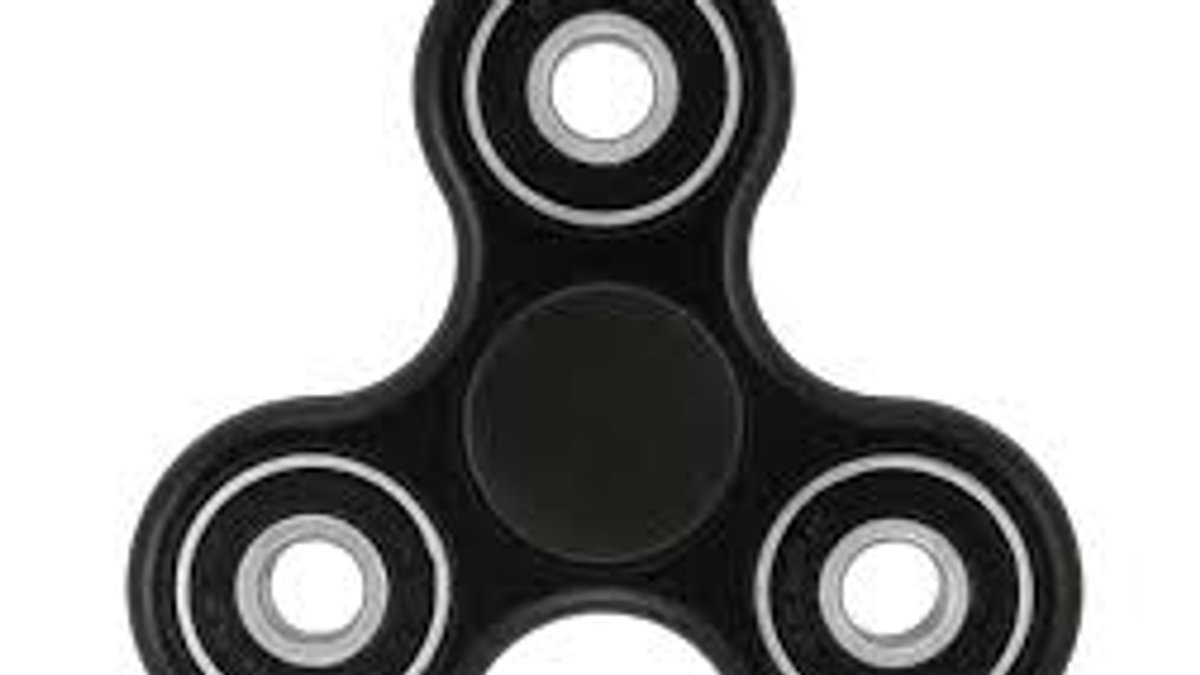
Unlike the classic three-armed fidget spinners that swept through school yards in 2017, the ring never leaves your hand. There is nothing to hold, nothing to pull out, nothing to drop. It is simply there, available at all times, like any piece of jewellery.
Spinning rings vs fidget rings: what is the difference?
Spinning rings are often associated with Tibetan Buddhist prayer wheels, and many are engraved with mantras such as Om Mani Padme Hum. The modern "fidget" version borrows the same rotating mechanism and adds an intentional therapeutic dimension: the ring is worn specifically to manage stress or support concentration, not merely as an ornament. That purposeful choice is what defines a fidget spinner ring.
The real benefits of a fidget spinner ring
Sensory toys generally work by providing proprioceptive and tactile input that helps the nervous system self-regulate. The fidget spinner ring is an especially accessible version of that principle. Here is what it concretely delivers:
Relief from situational anxiety
During a presentation, an exam, a long wait at the doctor's office or a difficult conversation, anxiety can spike quickly. Spinning the ring gives your hands something purposeful to do and can help interrupt the spiral of negative thoughts. It is a physical anchor that is always within reach.
Support for sustained focus
For people whose brains need a higher baseline of stimulation to stay on task — a common trait in ADHD — the ring provides a quiet "sensory background hum" that can make it easier to stay with the work at hand. This is the same principle behind why fidget toys help people with ADHD focus more effectively.
A healthy outlet for repetitive habits
People who bite their nails, pull their hair or crack their knuckles often need a substitute outlet. The fidget ring offers a healthy, controlled and socially invisible replacement gesture that can satisfy the same underlying sensory drive.
Full social discretion
This may be the ring's biggest advantage over every other fidget tool: it creates no visual signal and no sound. In a classroom, a boardroom, on public transit or at a family dinner, few people can tell it apart from a decorative ring.

Good to know: a fidget spinner ring is not a medical treatment. For diagnosed anxiety disorders or ADHD, it works alongside a professional care plan — not as a replacement for one. Always consult a health professional for a tailored support strategy.
Who can benefit from a fidget spinner ring?
Fidget rings are often associated with children, but their users span a much wider range:
- Anxious children and teens — to manage school stress, social transitions or unfamiliar situations.
- People with ADHD — to maintain focus during class, at the office or through long meetings.
- Autistic individuals — as an extra, discreet stimming option when they want one.
- Adults under pressure — to handle professional stress without pulling out a conspicuous desk gadget.
- People breaking unwanted habits — as a replacement for nail-biting, smoking or other stress-driven behaviours.
- Anyone, really — because everyone faces tense moments, and the ring is simply satisfying to use.
The real luxury of a fidget spinner ring is that it is there when you need it, without requiring a conscious decision. The tool disappears behind the jewellery. — The Robiii team
How to choose the right fidget spinner ring
Not all fidget rings are created equal. Here are the key criteria to weigh before buying:
Material
The material affects weight, durability and feel against the skin:
| Material | Strengths | Watch out for |
|---|---|---|
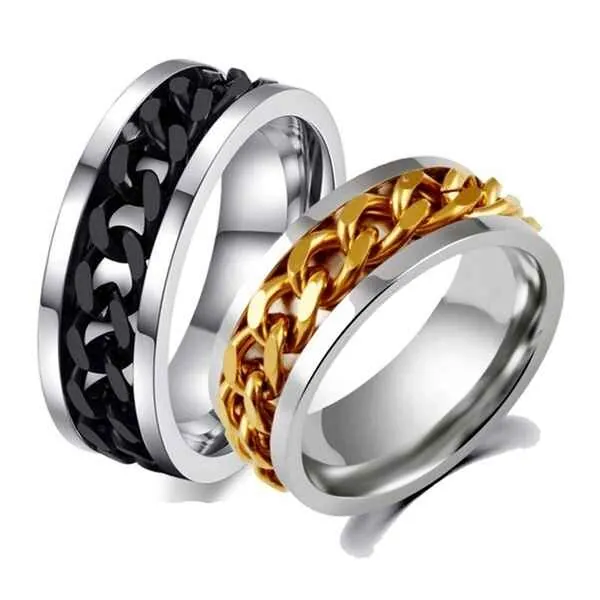
| Stainless steel | Durable, generally well tolerated by skin, affordable | Slightly heavier |
| Titanium | Ultra-light, very strong, premium feel | Higher price point |
| Zinc alloy | Polished aesthetics, good finish | Less long-term durability |
| Silicone | Very light, soft, ideal for skin sensitivity | Less visually discreet |
Sizing and fit
A ring that is too tight is uncomfortable and can restrict circulation. Too loose, and it may slide off at an inconvenient moment. To find your size:
- Wrap a thin strip of paper or a piece of string around the target finger and mark where the ends meet.
- Measure that length in millimetres, then match it to the brand's size chart — sizing conventions vary (US, EU, UK).
- If you live somewhere warm, size up slightly — fingers swell in heat.
- Confirm that the outer band spins freely without rubbing against the skin on either side.
Smoothness of spin
The outer band should rotate easily with a gentle thumb touch, but offer a slight, perceptible resistance — enough for the tactile feedback to register. A band that spins too freely provides almost no sensation; one that is too stiff quickly tires the finger. Read user reviews specifically mentioning spin quality before you commit.
Tip: fidget rings work well on the index or middle finger, not just the ring finger. Wearing it there makes it easier to spin with the thumb — especially handy when you are taking notes or typing.
Fidget spinner ring vs other fidget tools
The ring is not the right fit for everyone. Here is how it compares to other popular options so you can make the best choice:
- Fidget spinner ring — best for formal or public settings (class, office, transit). Always available, completely silent. Less suited to children who need intense tactile stimulation.
- Fidget Pad — offers multiple textures and mechanisms on one surface. Great for children with ADHD at home or at school. More noticeable than a ring.
- Therapy putty — deep bilateral stimulation, excellent for fine motor skills. Messy and impractical on the go.
- Fidget cube — six different mechanisms on one object. Must be held in the hand, so less discreet than a ring.
- Classic fidget spinner — strong visual and kinetic stimulation. Distracting to bystanders, completely unsuitable in class or meetings.
The fidget spinner ring wins on one decisive criterion: constant availability combined with total social discretion. It is the fidget tool of choice for any context where pulling out an object would be awkward or disruptive. For a broader overview, check out our roundup of the best fidget toys.
Practical tips for getting the most out of your fidget ring
Owning a fidget ring is one thing — integrating it effectively into daily life is another. Here is how to make it stick:
- Wear it consistently so that spinning it becomes an automatic reflex rather than a conscious decision that itself becomes a distraction.
- Know your triggers. Learn to recognize the situations that typically spike your stress — presentations, waiting rooms, crowded spaces — and start spinning before tension builds, not after.
- Pair it with other strategies for managing stress: deep breathing, visual schedules, active breaks. The ring works best as part of a broader toolkit.
- Introduce it positively to your child. Frame it as a helpful tool, not a reward or a punishment, and explain simply that spinning it helps their brain focus while they listen or work.
- Keep it clean. Rinse the ring with warm water and dry it thoroughly to keep the mechanism smooth and the metal looking its best.
Train a calming association
With a little practice, the ring can become a cue that tells your body to calm down:
- Pick a calm place. Go somewhere you find relaxing — a quiet park, a cozy corner at home — wearing your ring, and picture how you feel and act when anxiety rises.
- Pair the spin with a calming habit. Start spinning while you repeat an affirmation or slow down your breathing. Take deep breaths, relax your muscles and use any relaxation technique you already know.
- Spin whenever anxiety shows up. Keep spinning until you have calmed down. Over time the association grows stronger, until simply spinning the ring helps bring you back to a calmer state of mind.
Ready to try? The Robiii Sensory Ring, in gold or silver, has an inner band that spins freely around the finger — the most discreet fidget in our collection.