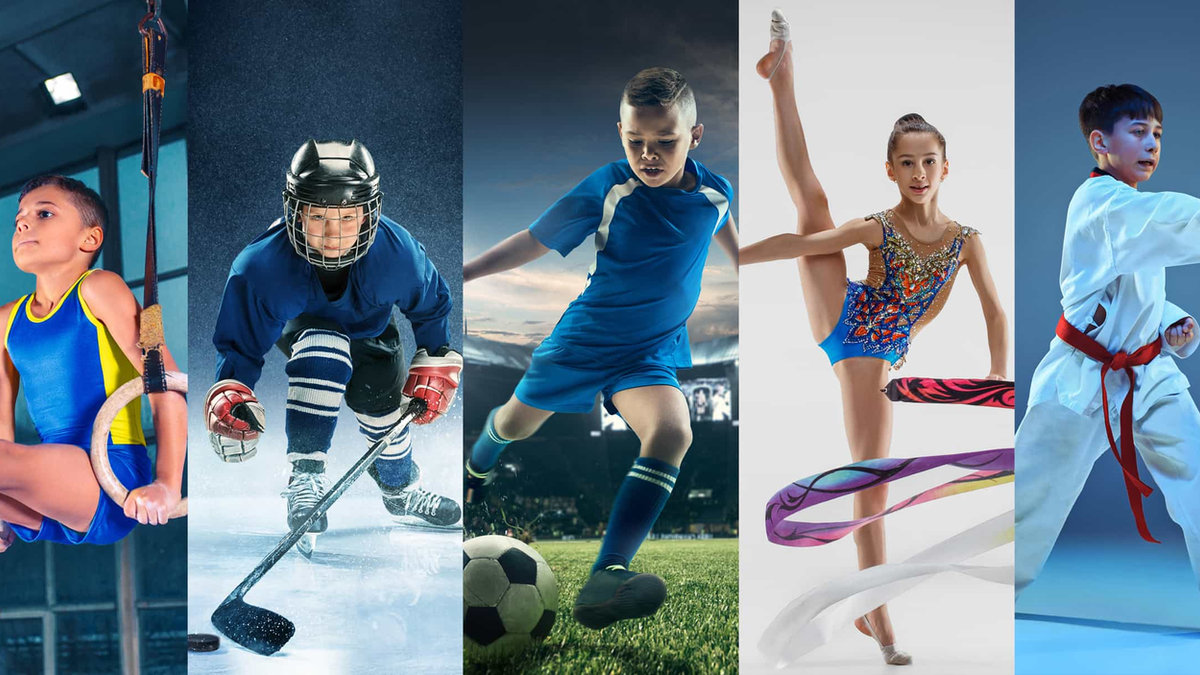
The best sports for children with ADHD are those that combine intense physical engagement, clear structure and immediate feedback. Martial arts, swimming, gymnastics, cycling and track and field consistently top the list. Regular exercise raises levels of brain messengers such as dopamine, which can help the ADHD brain focus better and stay in control.
If you have a child with ADHD, you probably sense it intuitively: after a solid hour of cycling or a swim practice, something shifts. They are calmer at the dinner table, more available for homework, less prone to outbursts. That is not just your imagination — research backs it up.
Exercise increases dopamine and norepinephrine — brain messengers that work differently in ADHD and that stimulant medications also target — as well as serotonin. Choosing the right discipline — and the right way to approach it — can turn the sporting experience around for a child who has often faced failure in group settings. Here is how to find your way through the options.
Why sport genuinely helps the ADHD brain
The research is promising. A 2013 study in The Journal of Pediatrics (Pontifex et al.) found that a single 20-minute session of brisk treadmill walking improved attention measures and reading and arithmetic scores in children with ADHD tested shortly afterward. Research reviews also suggest that regular physical activity can improve executive functions and attention — as a complement to, not a replacement for, treatment.
The stakes are real: according to the U.S. Centers for Disease Control and Prevention (CDC), about 11% of American children aged 3 to 17 have received an ADHD diagnosis. Its three core features — inattention, hyperactivity and impulsivity — vary widely from one child to another, which is why the choice of sport matters so much.
The mechanism: dopamine and the prefrontal cortex
During intense physical effort, the brain releases dopamine — the neurotransmitter of reward and motivation — as well as norepinephrine, which supports attention and impulse control. Both act on the prefrontal cortex, a brain region involved in the attention and self-control difficulties of ADHD. Exercise may therefore give it a natural, temporary boost.
Beyond chemistry: structure, ritual and self-esteem
Sport also offers a predictable framework: a practice session has a beginning, a middle and an end. The rules are clear. Progress is measurable — a better time, a new belt, one more lap. For an ADHD brain that struggles with abstraction and long-term goals, these concrete and immediate markers are invaluable. And each small victory over oneself begins to rebuild the self-esteem battered by academic or social setbacks.
Good to know: exercise does not "cure" ADHD, but it can help reduce symptoms. Think of it as a complementary tool alongside structured support strategies and sensory aids.
What makes a sport a good fit for ADHD
Not every discipline works equally well for a child with ADHD. Some sports create more frustration than they relieve. Here are the qualities to look for:
- Intense and continuous physical engagement — no long waits on the bench.
- Simple, concrete rules — fewer abstract verbal instructions.
- Immediate feedback — the child knows right away whether they succeeded.
- Visible, graduated progress — belts, levels, times, distances.
- A patient and structured coach — who gives short instructions, one at a time.
- Variety to fight boredom — changing drills maintain interest across sessions.
Conversely, be wary of sports that demand long periods of inactivity (youth baseball, certain hockey bench roles), constant divided attention across multiple players, or rapid reading of team tactics.
Individual or team sport?
Many pediatricians lean toward sports with an individual focus. As Henry Ford Health pediatrician Dr. Leonard Pollack explains, individual sports offer more one-on-one coaching with fewer distractions — and athletes still enjoy belonging to a team, since their individual results often count toward the team score (a swim club, a track team, a martial arts school). If your child loves team sports, favour those with constant movement and little idle time, such as basketball; soccer, hockey or volleyball can also work with the adaptations described below.
The best sports for children with ADHD
This selection draws on recommendations from pediatricians, ADHD-specialized psychologists and adapted physical activity therapists. It balances neurobiological benefits with practical considerations for families.
Martial arts (judo, karate, taekwondo)
Martial arts consistently top the recommended list. Their structure is exemplary: ritualized bows, a clear belt progression, strict respect for the instructor. The child learns self-control at the same time as burning energy. Small studies of martial arts programs (karate, taekwondo) have reported improvements in self-regulation and behaviour after a few months of regular practice, although larger trials are still needed.
Swimming
Swimming is close to ideal: maximum energy expenditure, a complete absence of outside distractions (no screens, no background noise), and a strong proprioceptive sensation from the water against the skin. It is especially well suited to hypersensitive or anxious children. Every length is also a measurable unit of time — progress shows up immediately on a clock or lap counter. Many parents notice a remarkable calm after swim practice.
Cycling
Cycling delivers freedom of movement and sensory stimulation that are hard to match. The activity is rhythmic, which has a grounding and organizing effect on the nervous system. On a trail or a track (with appropriate supervision), the physical challenge is immediate and the reward — a new descent conquered, a hill climbed — is tangible. For younger children, daily scooter or bike rides around the neighborhood carry the same benefits.
Gymnastics and trampolining
Proprioception — body awareness in space — and motor coordination can be weaker in some children with ADHD. Gymnastics and trampolining target it directly, while channeling hyperactivity in a constructive direction. Movements are precise, progress is visible (mastering a new skill or trick), and the coach gives very targeted, movement-specific instructions, which suits children who struggle with lengthy verbal directions.
Track and field / running
Running is one of the most effective ways to empty the "restlessness tank." It is simple, rule-free, and progress is measurable by the stopwatch. Track and field in a club adds a social dimension and personal challenge. For children who struggle in team settings, individual athletics let them perform without depending on — or letting down — others.
Rock climbing
Climbing demands total and immediate concentration: it is impossible to think about anything else when you are hanging three metres off the ground. It simultaneously develops problem-solving (finding the right hold), fine motor skills and self-confidence. Many children with ADHD, who often have trouble "entering focus" in a school context, find a natural flow state in climbing. Indoor climbing walls have multiplied across Canada in recent years, making the sport accessible from ages five or six.
Wrestling and yoga
Wrestling combines intense effort, one-on-one coaching and clear rules — an excellent outlet for high-energy children. At the other end of the spectrum, yoga teaches breathing, balance and body awareness: short, varied sequences help children with ADHD practise calming down and staying present.
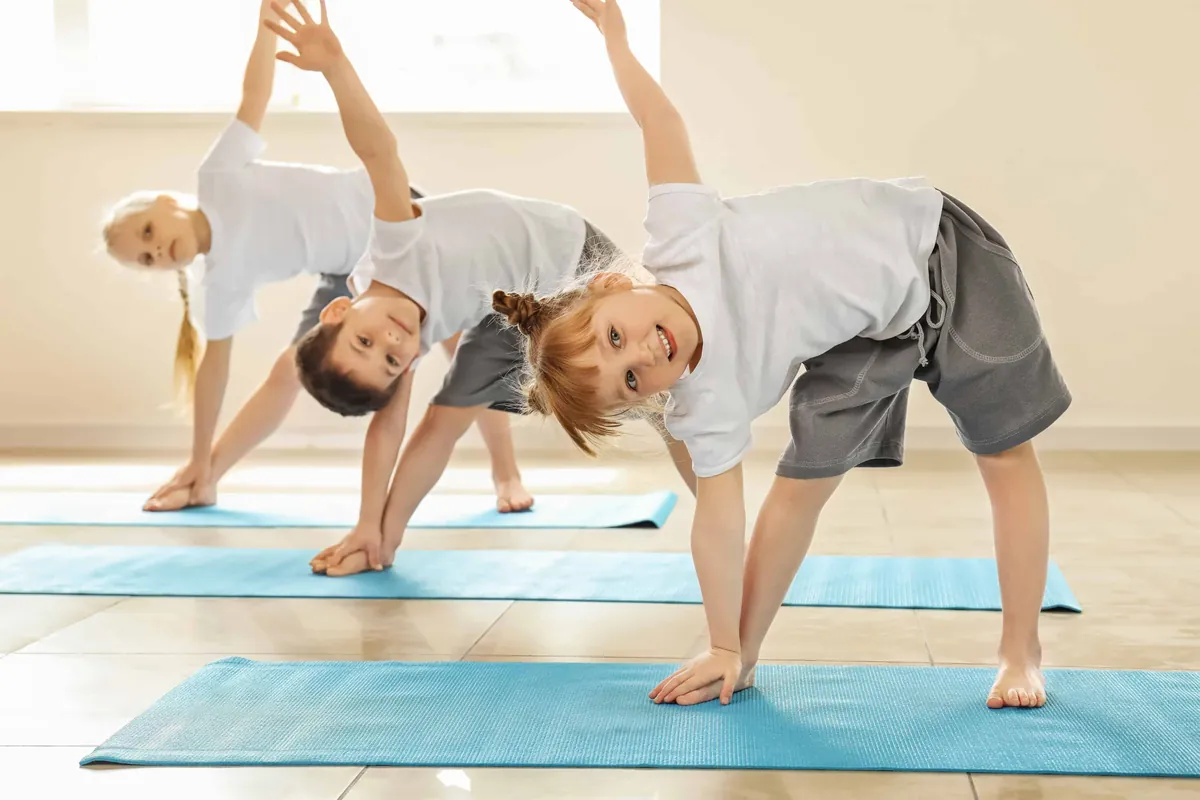
Tip: if your child refuses all organized sport, start with free movement — bouncing on a backyard trampoline, riding a scooter, playing at the park. The primary goal is building a daily habit of moving, not joining an elite club.
Sports to approach with care
Some sports are not inherently wrong choices, but they require specific adaptations for children with ADHD:
| Sport | Main challenge | How to adapt |
|---|---|---|
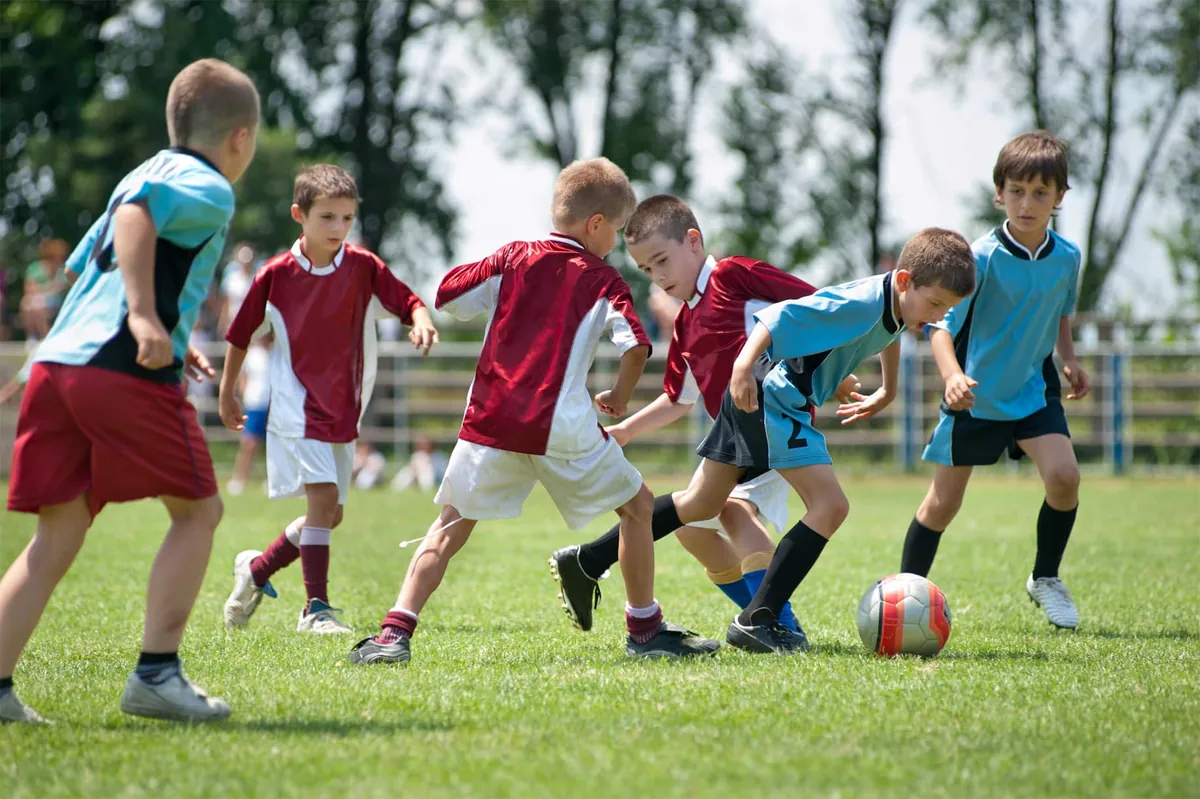
| Soccer / football | Multiple tactical instructions, waiting time | Position the child in a high-movement role (winger, midfielder); brief the coach |
| Baseball / softball | Long inactive stretches in the field | Focus on active positions; limit long game formats |
| Ice hockey | Line changes, bench time | Choose teams with frequent rotations; prioritize open-ice practices |
| Golf | Slow pace, prolonged wait between shots | Start with express formats (9 holes, simulator) or putting practice |
Sport and sensory tools: a winning combination
Sport is not the only lever available. Between sessions — or to help a child prepare for a demanding concentration task — sensory and anti-stress tools play a valuable complementary role. A fidget pad on the way to the rink, sensory toys in the sports bag for waiting time in the locker room, or a chewable tool for children who need oral stimulation — all of these help maintain sensory regulation before and after physical exertion.
For children in team sports who struggle with the dead time on the bench or in the change room, a tailored stress-management strategy can make a lasting difference. Bring it up with the coach: the best ones tend to be open to these adjustments, especially when presented with a few concrete suggestions.
The ideal sport for a child with ADHD is the one they come back to the next day with a smile. Everything else is secondary. — The Robiii team
Practical tips for parents
Even the best sport in the world will not work without the right support around it. Here are the golden rules for giving your child the best shot at success:
- Let the child choose — buy-in is directly tied to a sense of autonomy. Offer two or three options and let them decide.
- Pick the coach before the club — an empathetic, structured coach is worth more than an elite club with an uncompromising one.
- Tell the coach about the ADHD — a few simple tips (short instructions, one at a time; frequent encouragement; no public criticism) change everything.
- Keep it consistent — two or three sessions per week beats five crammed into a busy stretch.
- Celebrate effort, not just results — a child with ADHD who sticks with something deserves as much recognition as one who wins a tournament.
- Build a before-and-after routine — a protein snack before the session and a quiet wind-down afterward (shower, reading) help the nervous system manage adrenaline spikes.
If your child quits a sport after a few weeks, do not give up. Many children with ADHD try several activities before finding the one that truly sticks. Every attempt is a useful experience — for motor skills, social development and self-knowledge. For a broader picture of family strategies, see our guide to parenting a child with ADHD.