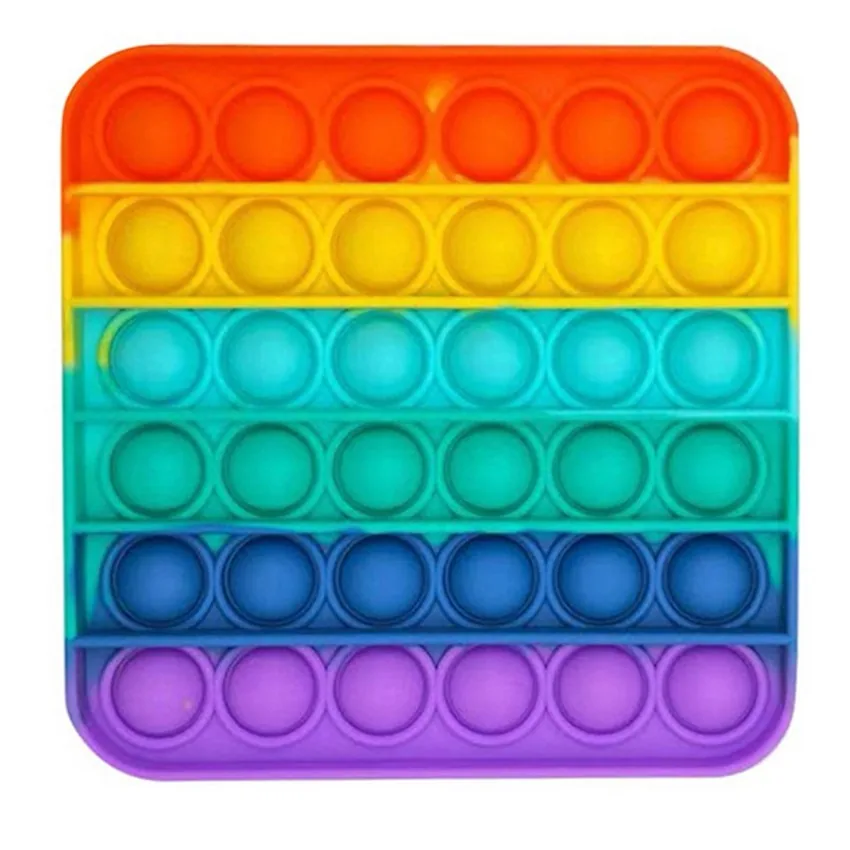
Bubbliii Pop
$1.99eachView

At this age, children explore the world with their hands and their whole body. Fine motor skills are still developing, so we favour objects that are large, easy to grasp and satisfying to handle. The Bubbliii Pop is a great starting point: pressing the bubbles gives immediate sensory feedback that can help channel energy and soothe small frustrations. The Serpent Magique bends and twists endlessly — perfect for keeping little hands busy while building coordination. For a visual-tactile experience, the Ressort Magique flows from one hand to the other in a smooth, hypnotic motion that toddlers love to watch. All three encourage free play and repeated handling with no complex instructions, which suits this stage of exploration beautifully.
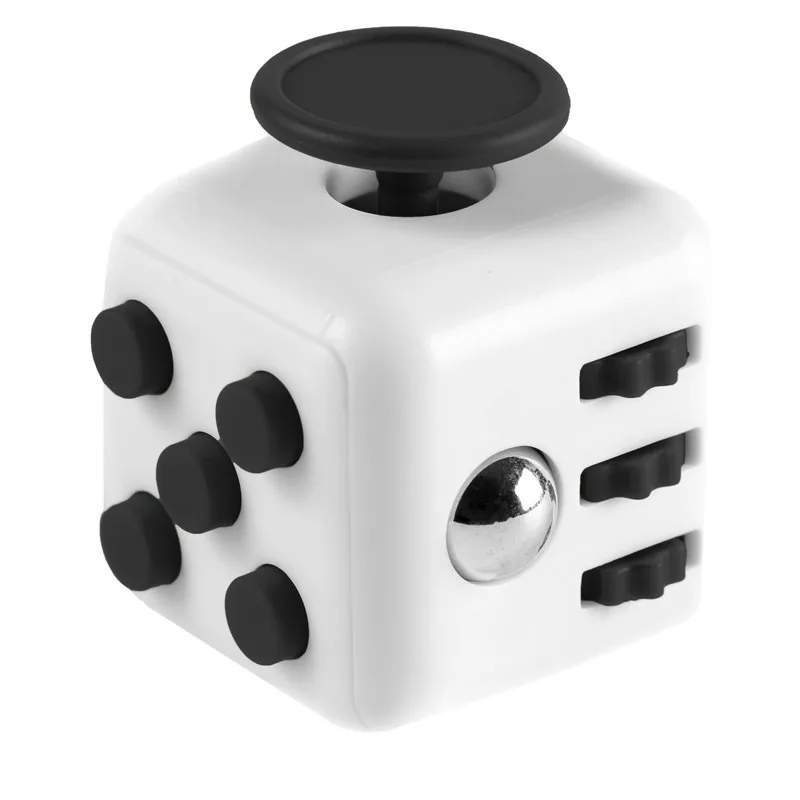
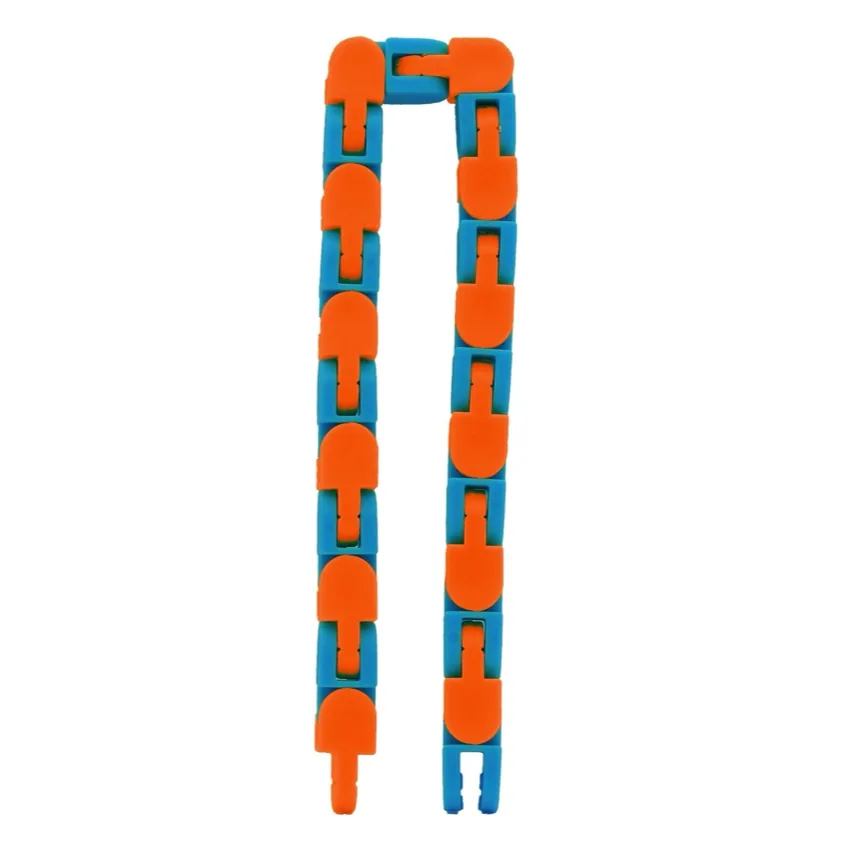
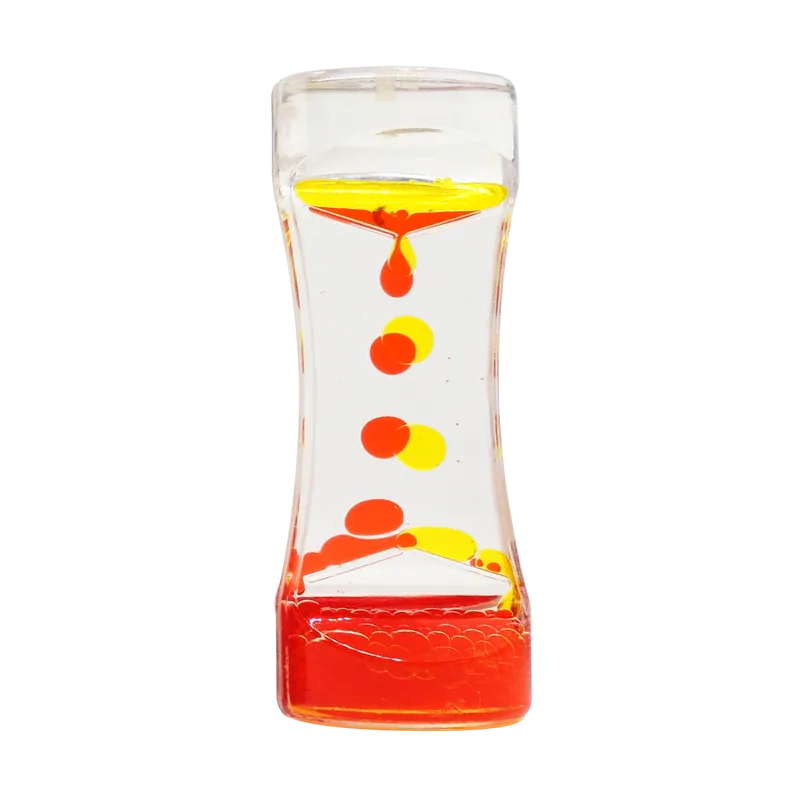
Starting elementary school brings new challenges: sitting still, concentrating, waiting patiently. This is where discreet fidgets really shine, especially for a child with ADHD around age 8 who needs to move in order to listen better. The Fidget Cube, with its six sides to click, spin and press, tucks into one hand under the desk and can help maintain focus without disrupting the class. The Wacky Tracks snaps together silently and morphs into countless shapes — ideal for keeping fingers occupied during reading or a lesson. For transitions and waiting, common tension points at this age, the Sablier Liquide (Liquid Timer) offers a calming visual anchor: watching the droplets fall helps some children wait and settle before moving on to the next activity.
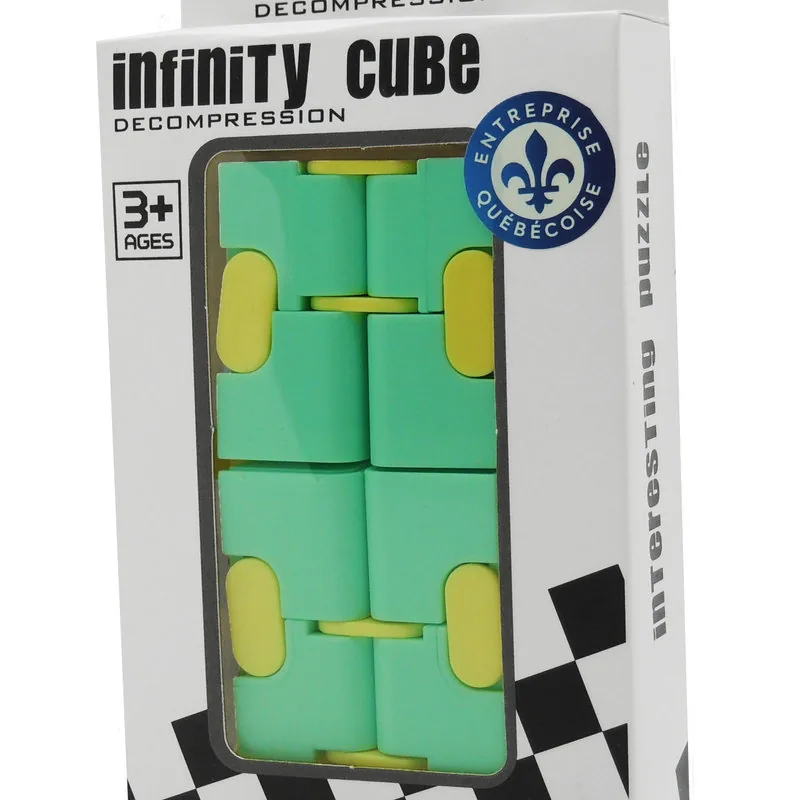
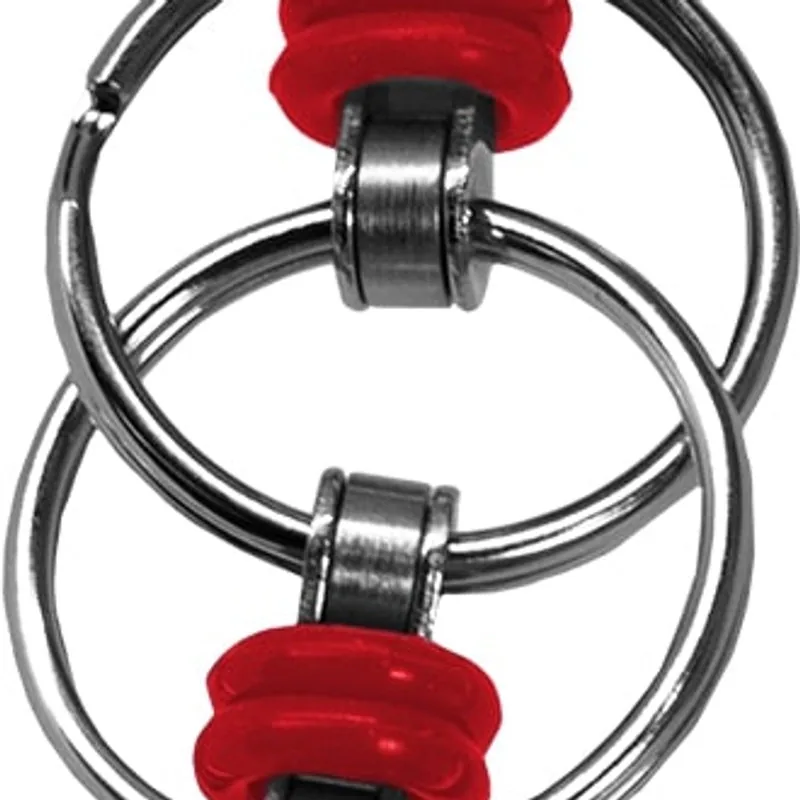
Toward the end of elementary school, what others think starts to matter more. A preteen wants a tool that helps them focus without drawing attention or looking too young. Discretion becomes the number-one criterion. The Infinity Cube fits this need exactly: it folds endlessly in the palm of the hand, silently, keeping the mind busy during homework or class. The Flippiii Chain fits in a pocket and moves with a repetitive, satisfying motion — a helpful ally during moments of anxiety or excess energy. These mature, understated fidgets respect a preteen's need for independence while offering a sensory outlet that can help channel attention. Discreet, sturdy and easy to carry, they go with your child from home to school.
Age is a great starting point, but every child is unique: a 6-year-old might love a "toddler" toy, and a preteen might prefer a colourful pop-it. Watch what already soothes them — pressing, twisting, clicking, watching — and start there. Consider the setting too: a silent fidget like the Infinity Cube suits the classroom, while an expressive Bubbliii Pop shines at home. Feel free to combine a few tools to cover different needs. At Robiii, shipping is free over $50 and orders leave Blainville within 3 days, making it easy to try a few options and find the right one.
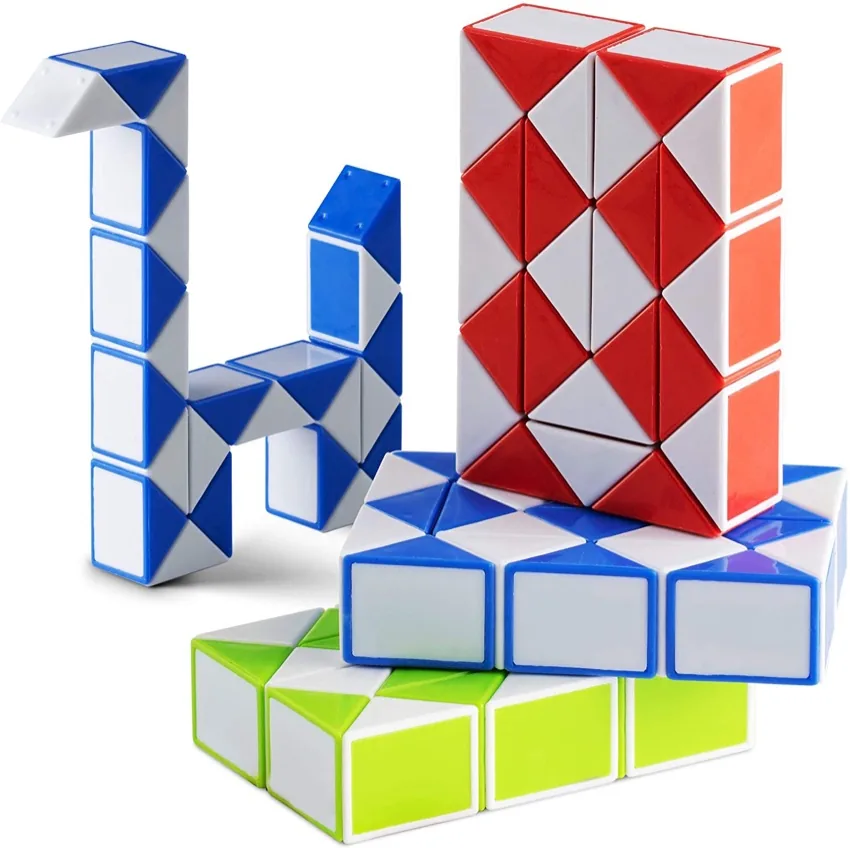
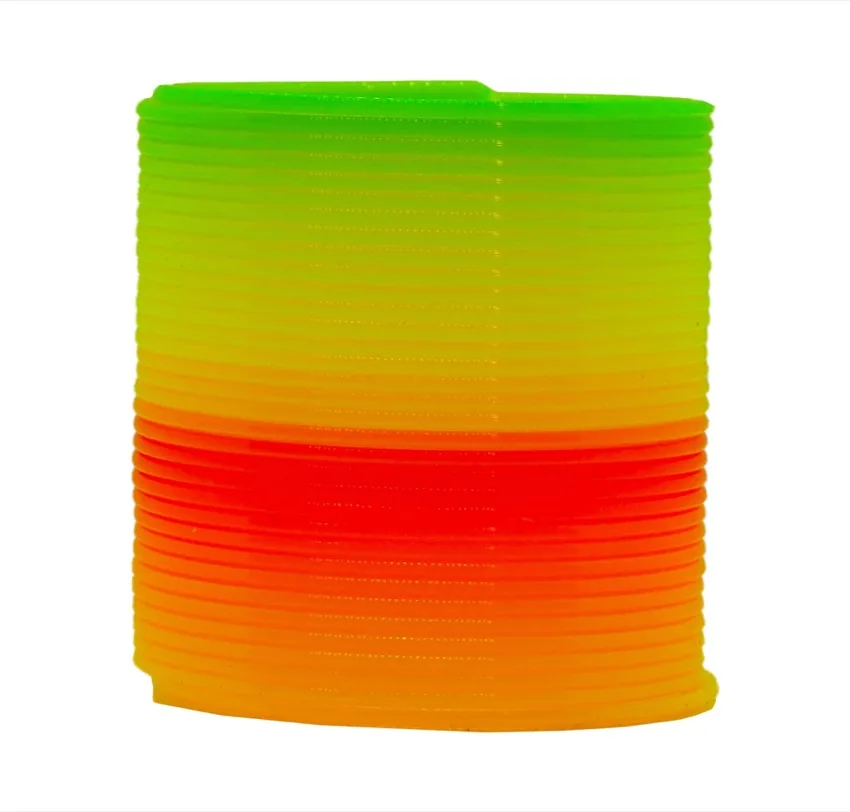
Go for large, easy-to-handle objects like the Bubbliii Pop, Serpent Magique or Ressort Magique. At this age, fine motor skills are still developing, so big movements and tactile discovery suit better than small, complex fidgets.
Choose a discreet, silent fidget like the Fidget Cube or Wacky Tracks. They fit in one hand under the desk and can help channel the need to move without disrupting class. These are focus aids, not a treatment.
No. Robiii products are aids that can support focus, regulation and motor skills. They accompany your child's daily routine but never replace professional medical advice or care. Always consult a health professional for concerns.
Pick a discreet, mature tool like the Infinity Cube or Flippiii Chain. They fit in a pocket, move silently and don't draw attention — an important factor at an age when what peers think matters more.