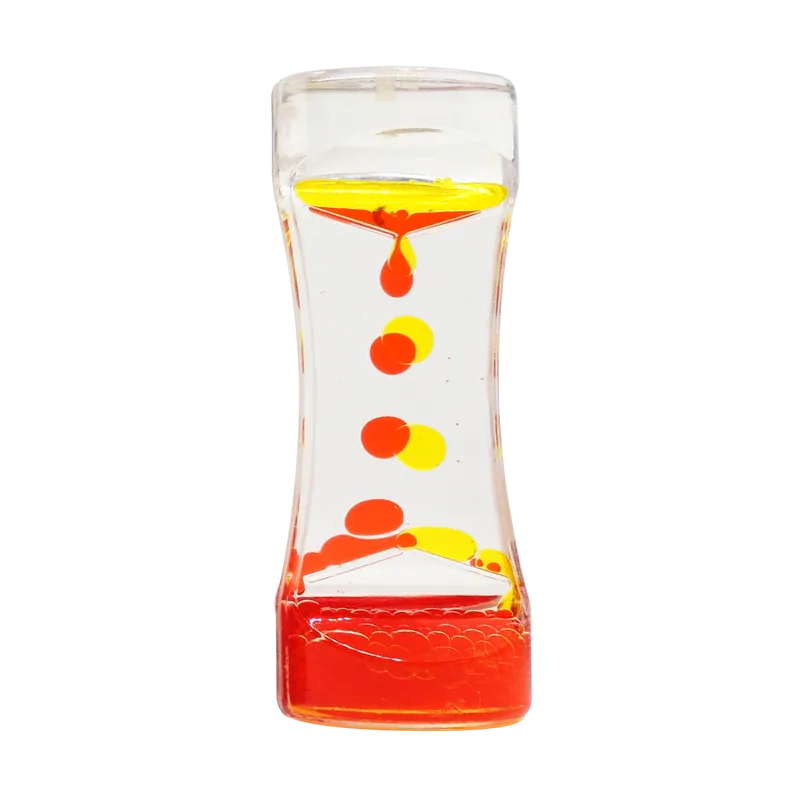
Liquid Timer
$5.99eachView

The best calm-down corner is small, defined and predictable. Look for a low-traffic spot: a bedroom corner, the space under the stairs, or even a reading tent. The goal isn't to isolate your child, but to give them a clear physical anchor to come back to whenever they need it. Add cushions, a soft blanket and dim, warm lighting to gently wrap the senses rather than overload them. Keep visual clutter low, since too many objects undo the calm you're after. Involve your child in setting it up, because a space they helped create becomes somewhere they choose to go, rather than a place of punishment. A dedicated basket for the sensory tools, always kept in the same spot, helps build a reassuring, predictable routine your child can count on.
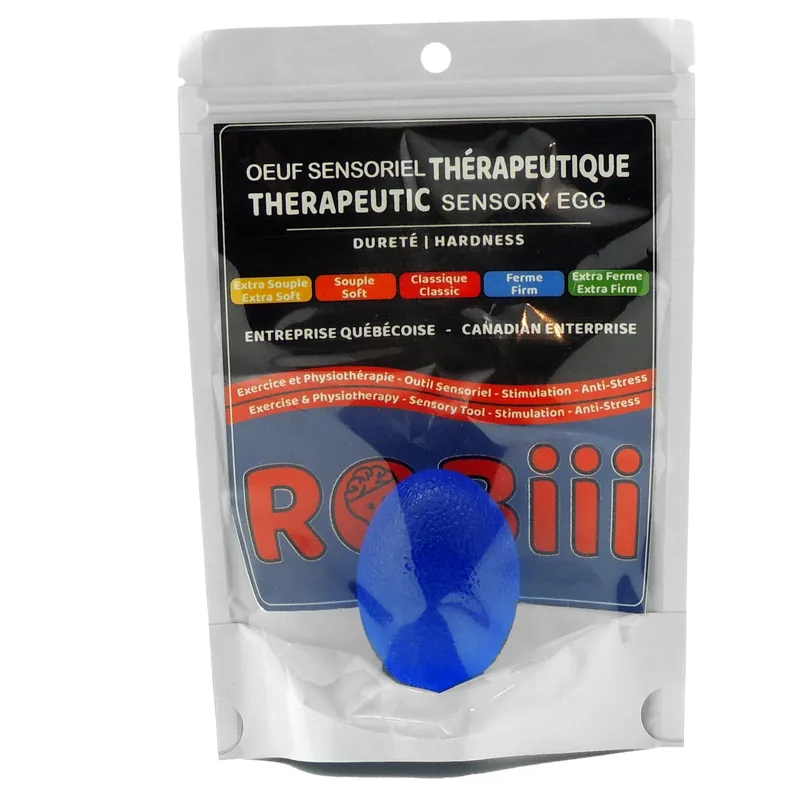
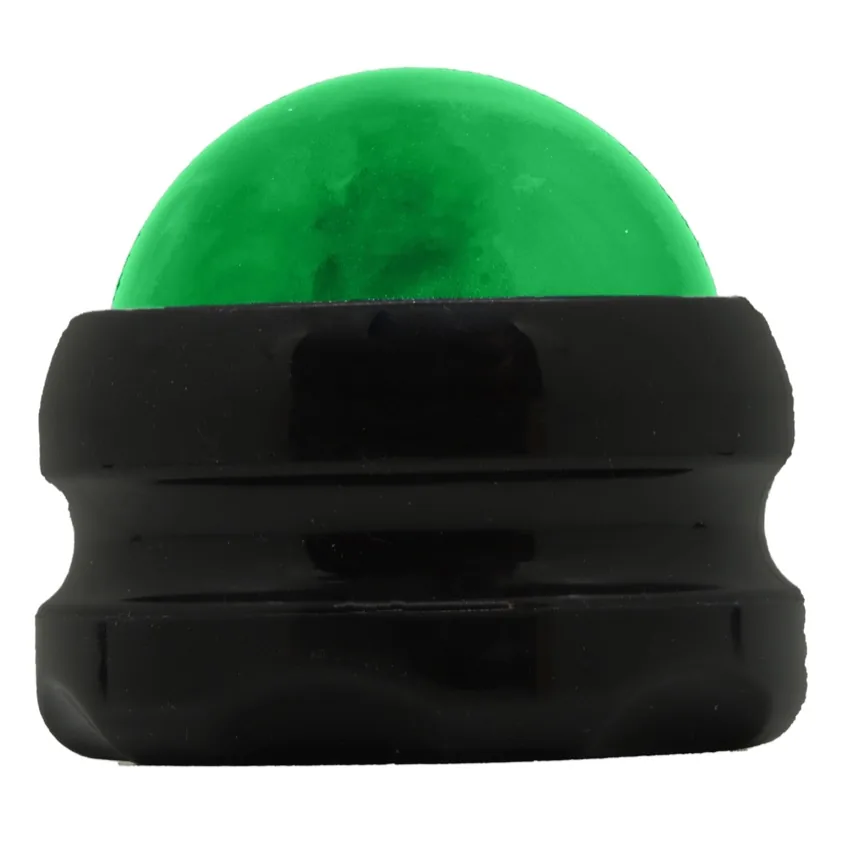
Touch is one of the most effective channels for self-regulation. When the hands are busy, the mind often settles on its own. Therapy Putty (Putty Thérapeutique) can be squeezed, stretched and rolled endlessly, and that finger work can help release tension and channel restless energy. For a more contained squeeze, the soft Therapeutic Sensory Egg (Œuf Sensoriel thérapeutique Orange souple) offers gentle resistance in the palm, perfect for moments when a child needs something to grip. The Massage Roller Ball (Balle de massage roulante) delivers soothing deep pressure when rolled along the arms, shoulders or hands. Keep two or three of these tools in the calm-corner basket so your child can pick whichever matches the need of the moment, building independence over time.
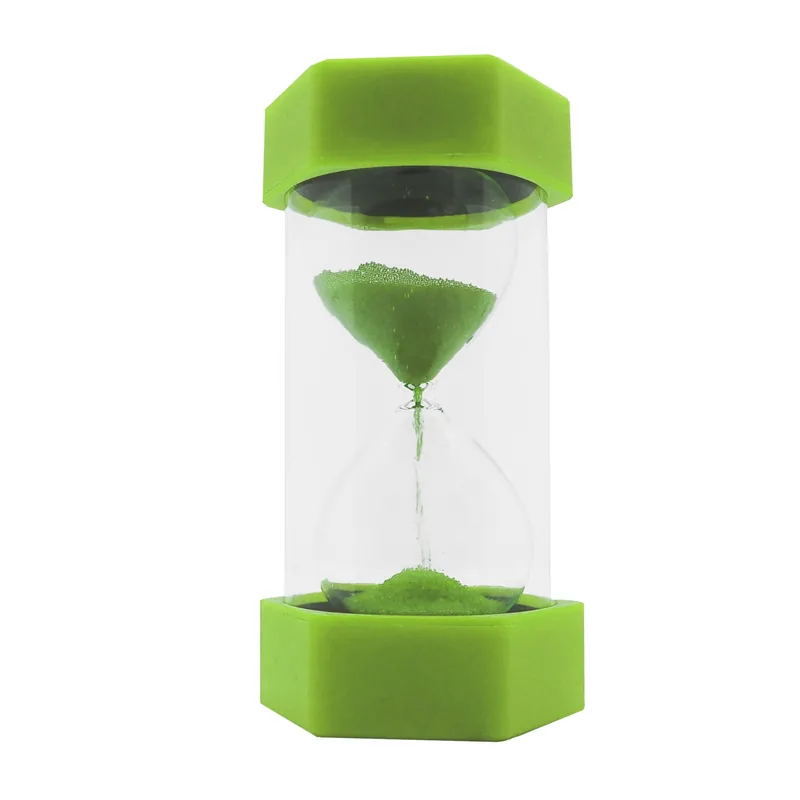
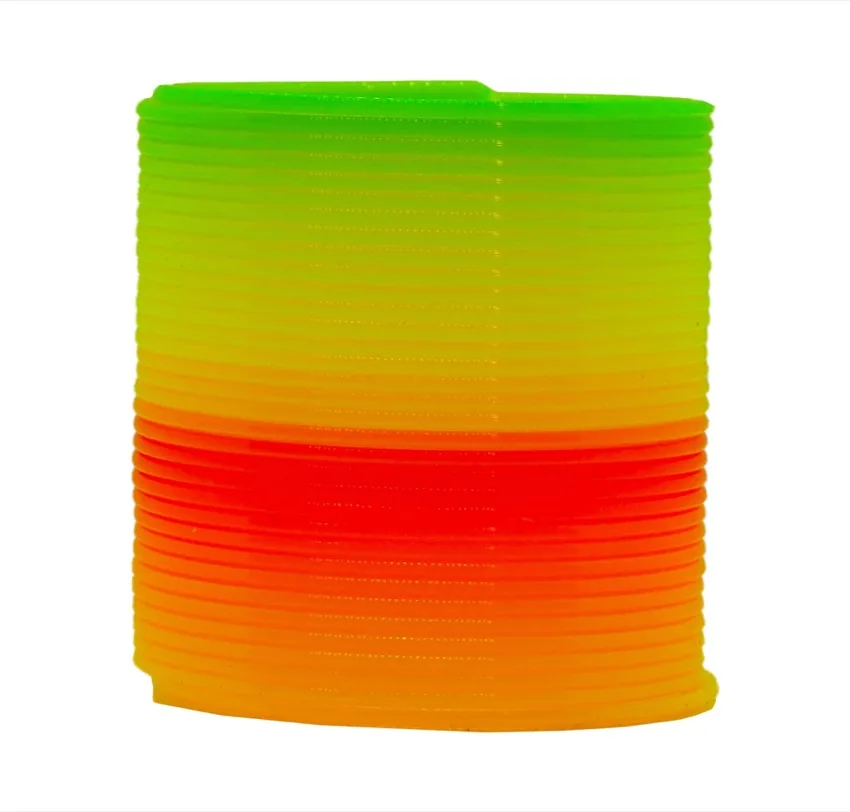
Watching something move slowly helps many children slow their breathing. The Liquid Timer (Sablier Liquide), with its coloured droplets sliding endlessly, becomes a mesmerizing visual anchor, perfect for shifting attention away from the meltdown and toward calm. To give the return to calm a shape in time, the Giant Sand Timer 5 min (Sablier Géant 5 min) offers a concrete cue: "we take five minutes here, until the sand runs out." That visible limit reassures children who struggle with the idea of duration. The Magic Spring (Ressort Magique), which flows from hand to hand in a smooth, repetitive motion, rounds out the corner nicely, its steady movement soothing as much as it fascinates. Together, these tools turn waiting into an active, reassuring moment.
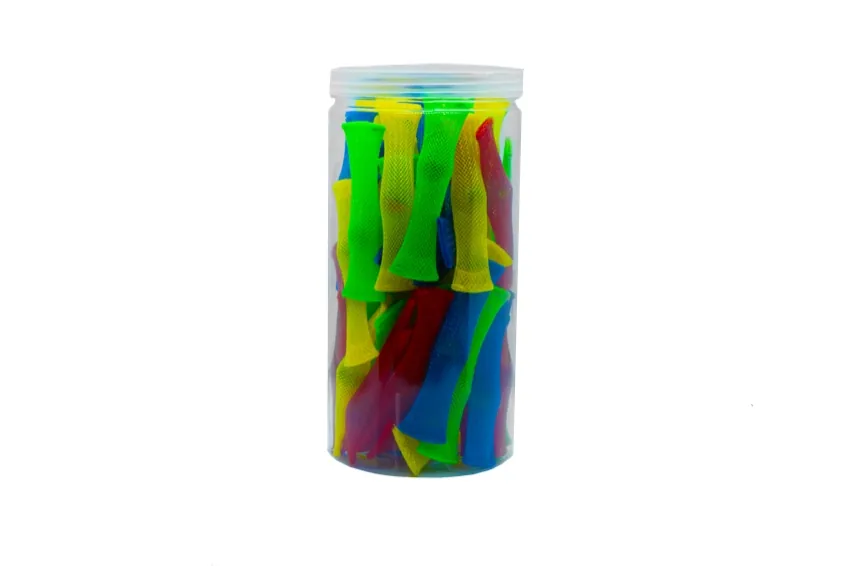
A good calm-down corner grows with your child. Add discreet wearable tools like the Sensory Ring (Bague Sensorielle), which spins around a finger without disturbing anyone, handy for stretching self-regulation to school or the car. The Tubiii, soft and stretchable, is another great basket addition for hands that need to move. What matters most is consistency: present the corner as a tool, never as a consequence. Name emotions with your child and invite them to the calm corner before tension boils over. Over time, they'll learn to head there on their own. At Robiii, shipping is free over $50 and orders ship within 3 days from Blainville, Quebec, so you can set up your corner without the wait.

You can start as early as preschool, around age 2 to 3, by adapting the tools. Toddlers do well with simple, safe objects, while older kids enjoy timers and fidgets. The key is matching the space and its contents to your child's stage and needs.
No, and this matters. A calm-down corner is not a time-out for punishment. It's a chosen space tied to comfort and regulation. Framed as a positive refuge, it helps your child return to themselves rather than feel isolated or singled out for misbehaving.
Start simple: something to squeeze like the soft Therapeutic Sensory Egg, a visual anchor like the Liquid Timer, and a putty like Therapy Putty. This trio covers touch and sight, two key channels for calming. You can add more once you see what works.
No. These are support tools, not medical treatments. They can help your child refocus, release tension and self-regulate, but they never replace professional care. Always discuss your child's needs with your pediatrician or therapist for guidance tailored to them.