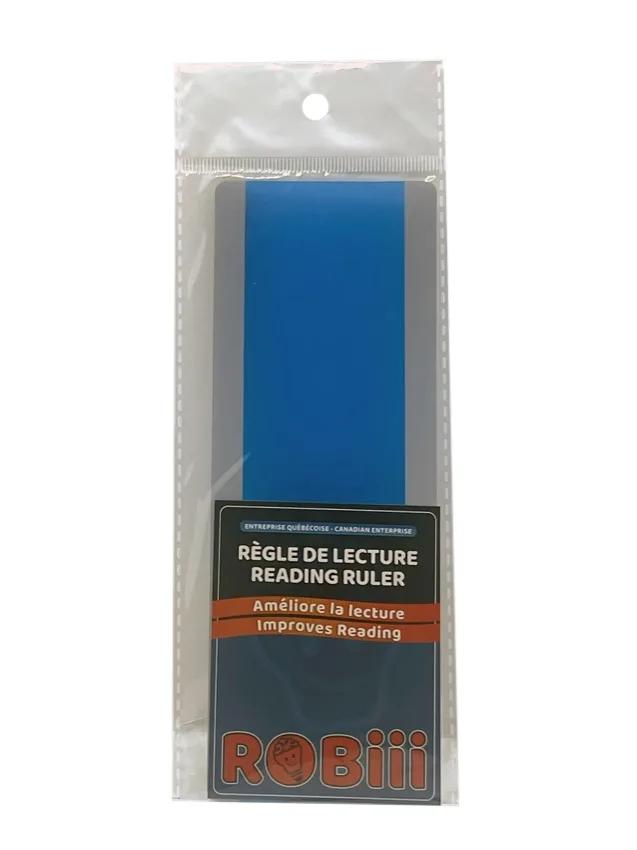
Reading Ruler
$1.99eachView

Hands-on, playful tools that help every child decode text, track a line and tame math — designed with dyslexia, ADHD, autism and performance anxiety in mind.
5 products
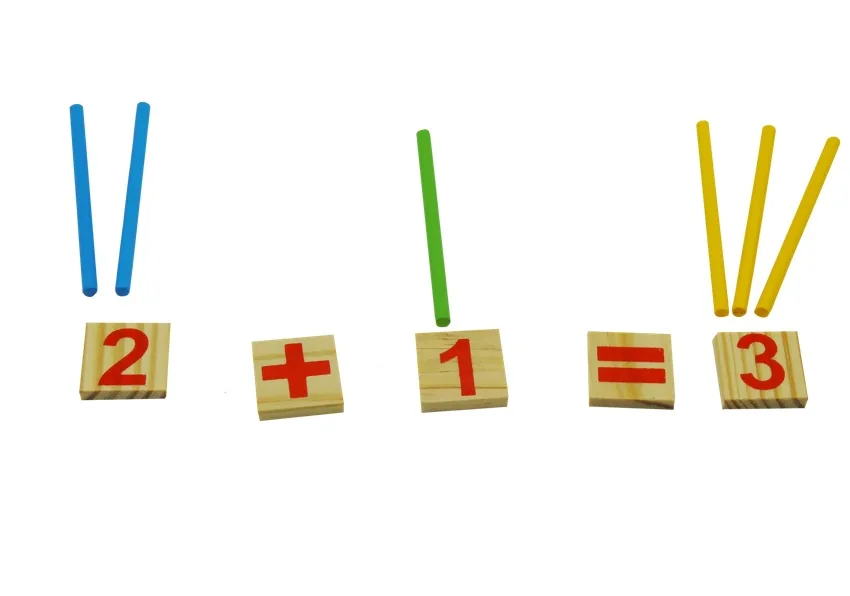
Reading and writing aids are physical tools that lower the cognitive load of reading, decoding and arithmetic. Instead of asking a child to juggle everything mentally — staying on the right line, holding the thread, manipulating abstract numbers — these objects offload part of the work. A coloured Reading Ruler isolates one line at a time; a Set of Math sticks makes addition tangible; a balance like Monkey Balance turns an equation into a concrete action. The brain can then spend its energy understanding rather than compensating.
At Robiii, our learning range runs from the simple Reading Ruler ($1.99) to structured games like Careful Crocodile, the Set of Math sticks, Monkey Balance and the Math Flash Cards with Pen. Each tool targets a specific learning obstacle and fits just as easily into a home reading nook as into a classroom kit or a clinic's toolbox.
Learning to read and do math leans heavily on working memory, a limited resource. In dyslexic children, decoding words already eats up much of that memory; in children with ADHD, sustained attention is fragile; for many autistic children, pure abstraction is less intuitive than manipulation. Concrete, visual tools free up working memory by giving thought an external support.
Education research calls this multisensory learning: seeing, touching and moving while you learn anchors the concept more deeply. A reading ruler with a tinted window reduces line-skipping and visual stress; moving sticks or tipping a balance turns an abstract concept into a bodily experience. This is the path from concrete to symbolic: the child understands first with their hands, then transfers that understanding to the written number.
None of these tools is locked to a "diagnosis". But each profile draws a particular benefit from certain products.
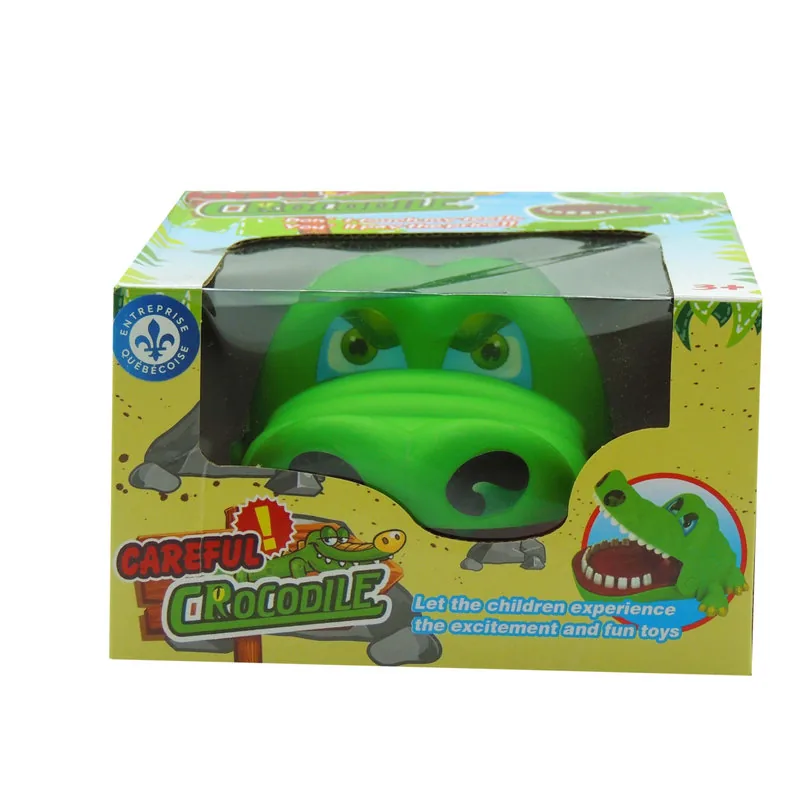
The Reading Ruler is the front-line aid: its coloured, translucent strip isolates a line, softens contrast and stops the eyes from sliding. For the fine motor skills and hand-eye coordination that underpin writing, Careful Crocodile offers a take-turns game that exercises precise movement and attention.
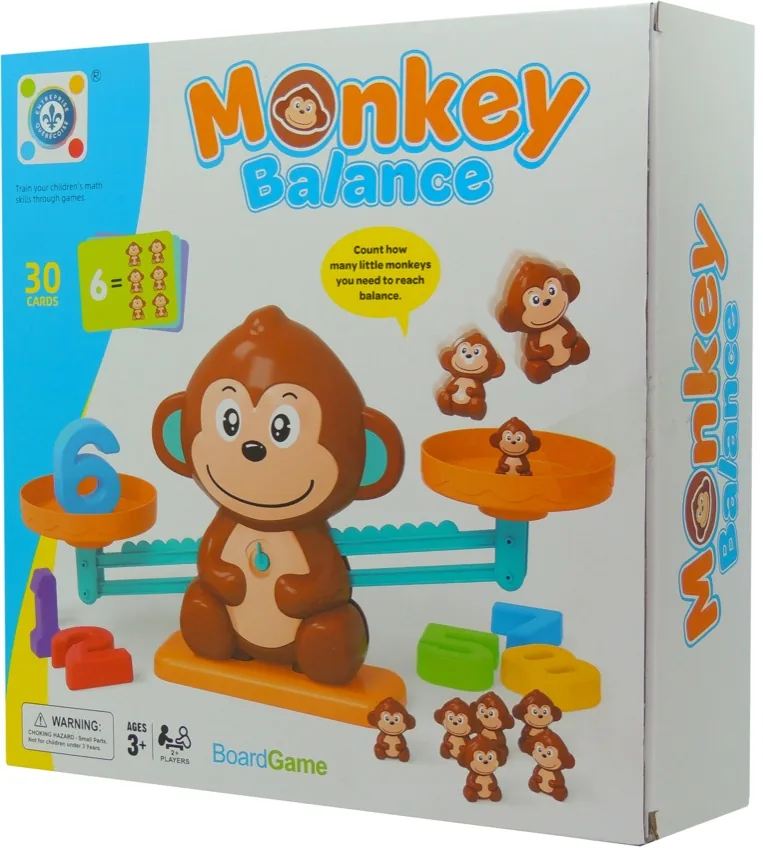
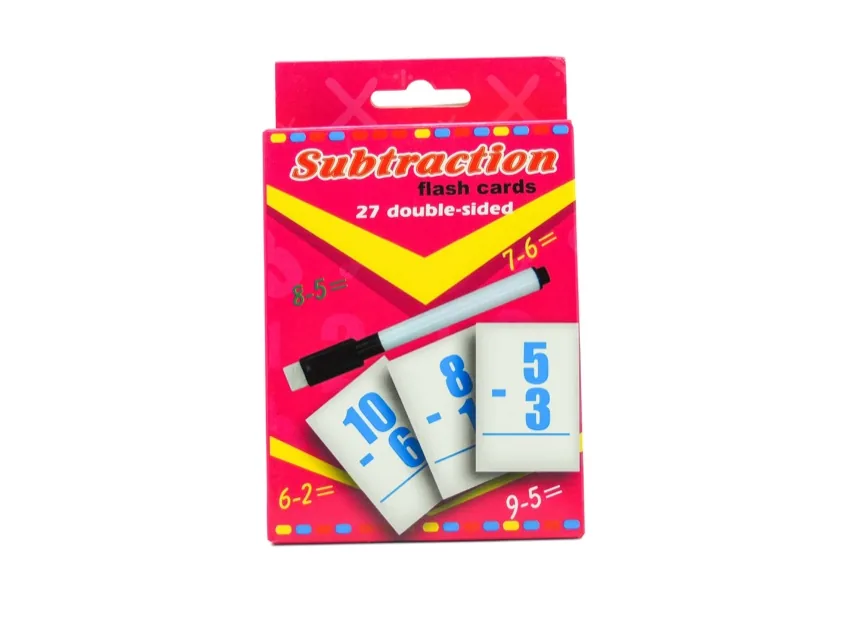
Children with ADHD learn best when the task becomes active. The Set of Math sticks and Monkey Balance give the hands something to do and immediate feedback (the balance tips or it doesn't), which holds attention. The Math Flash Cards with Pen allow short, erasable, repeatable sessions — ideal for small blocks of focus.
Predictability and concreteness reassure. A balance that evens out gives a clear, checkable rule; erasable cards bring a structured routine. Careful Crocodile gently introduces turn-taking and anticipation, social skills practised through play.
When mistakes feel scary, play defuses the fear. A balance or a crocodile turns "get the exercise right" into "play a round", lowering the pressure and encouraging the child to try again.
| Product | Best for | Action / sense trained | Quiet for class? |
|---|---|---|---|
| Reading Ruler | Dyslexia, line tracking | Visual cue, coloured window | Yes, fully |
| Careful Crocodile | Fine motor, turn-taking | Hand-eye coordination, anticipation | Mostly (small click) |
| Set of Math sticks | Number sense, operations | Manipulation, tactile counting | Yes |
| Monkey Balance | Equality, visual addition | Balance, cause and effect | Yes |
| Math Flash Cards with Pen | Repeated practice, autonomy | Erasable writing, self-checking | Yes |
At home, keep the Reading Ruler in the bedtime book and slide it under each line; bring out the sticks or the balance for ten minutes of "real" math, no pressure. The Math Flash Cards with Pen are perfect in the car or in a waiting room: write, check, wipe.
In the classroom, these tools slot into learning centres and accommodations. The reading ruler is discreet and doesn't single the child out. The balance and sticks work well in small groups to make a concept visible to everyone. In clinical settings (special education, occupational therapy, speech therapy), they offer motivating, washable, durable material for repeated sessions.
Our reading and writing aids are aimed mainly at school-age children (roughly 4 and up). Sets with small parts (sticks, balance counters) are not suitable for toddlers who still mouth objects: supervise children under 3. Materials are built for repeated use, and the card surfaces wipe clean easily. Always check the age guidance listed on each product before buying.
Robiii is a Quebec company specialized in educational, sensory and anti-stress toys. We pick each tool for its real usefulness to children with ADHD, dyslexia, autism or anxiety — not just for looks. You get fast shipping from Quebec, service in both French and English, and prices designed for families as well as for schools and clinics buying in quantity.
The right tool depends on the obstacle the child faces, not just their age. First notice where the difficulty sits — decoding text, staying on the line, grasping quantities — then pick the aid that answers that exact point. Pair one reading tool with one numeracy tool to cover both sides.
Free shipping in Canada. Trusted by 200+ stores, schools and clinics.