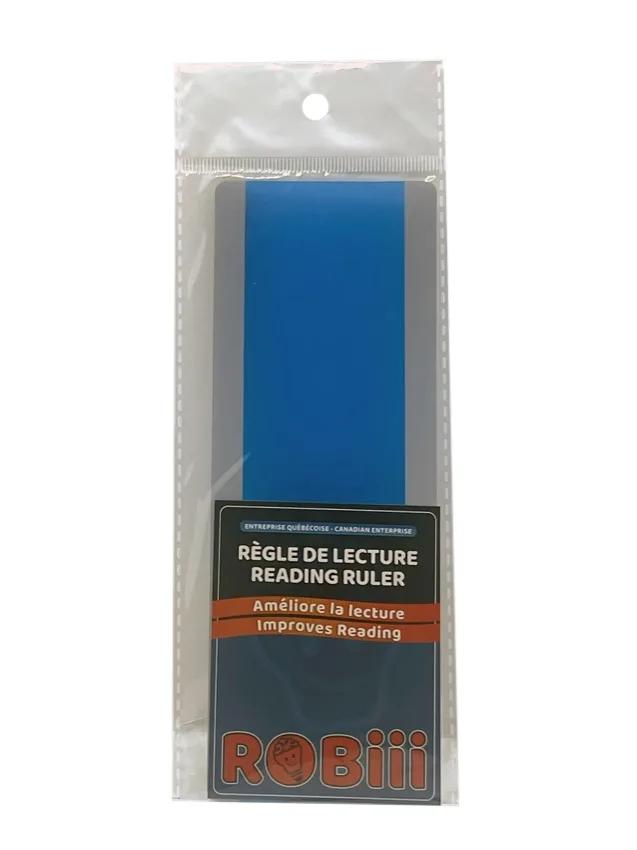
Reading Ruler
$1.99eachView

Dyslexia isn't a lack of intelligence — it's a different way of processing the written word. The right aids, from reading rulers to hands-on manipulatives, turn struggle into steady progress.
5 products
Dyslexia is a specific, neurologically based learning difference that affects how a child decodes letters and sounds — about one child in ten. It doesn't fade with effort or willpower; the dyslexic brain simply processes written language differently. A dyslexia aid is a concrete tool that lowers the cognitive load of decoding so the child can spend that energy on understanding instead. Think visual guides that steer the eye, hands-on materials that anchor the abstract in the tangible, and games that take the fear out of mistakes.
At Robiii we group these tools because they share one logic: making learning multisensory. See it, touch it, move it, say it out loud — the more channels you engage, the better the information sticks. That's exactly what Québec learning specialists recommend when supporting a child with dyslexia or dyscalculia.
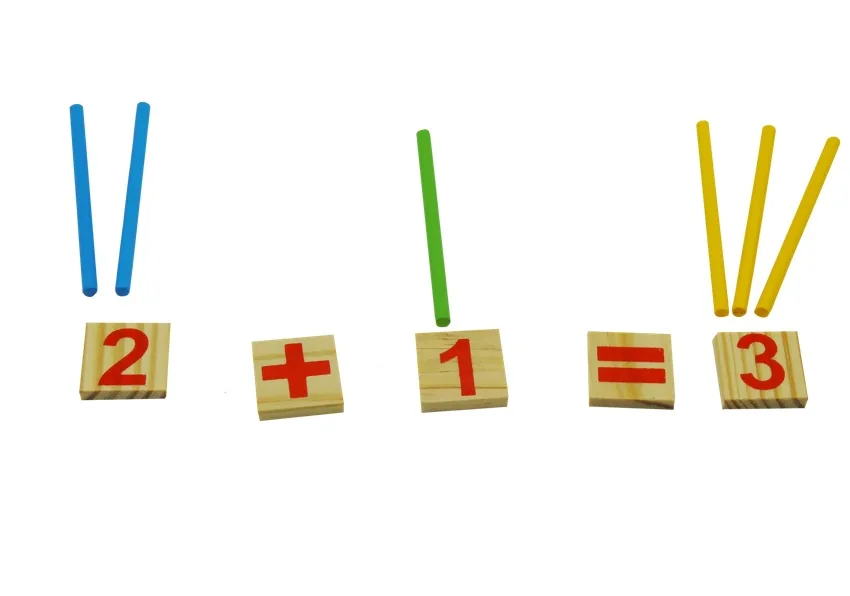
Structured, multisensory approaches (Orton-Gillingham style) have been backed by research for decades. The idea: engage the visual, auditory and kinesthetic channels at the same time to build stronger memory traces. A child who manipulates sticks to grasp an addition retains it far better than one who only stares at a number on a worksheet.
For reading, the most common hurdle is line-skipping and visual crowding: too many words at once overload working memory. A coloured reading window isolates one line, calms the visual noise and, for many children, eases the sense of "letters that move." It's simple, inexpensive and surprisingly effective.
Dyslexia rarely travels alone — it often comes with ADHD, dyscalculia or performance anxiety. Here's how our products meet each real need.
| Product | Best for | Channel engaged | Quiet for class? |
|---|---|---|---|
| Reading Ruler | Line-skipping, visual crowding | Visual | Yes, fully |
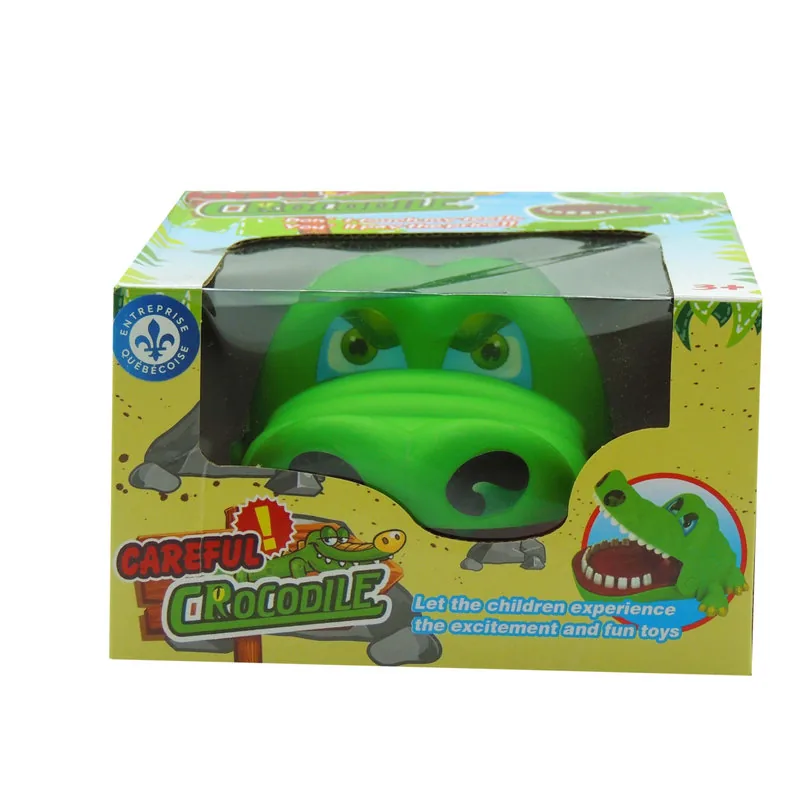
| Careful Crocodile | Turn-taking, focus, anxiety | Visual + motor | Moderate (small group) |
| Set of Math Sticks | Dyscalculia, number sense | Tactile + visual | Yes |
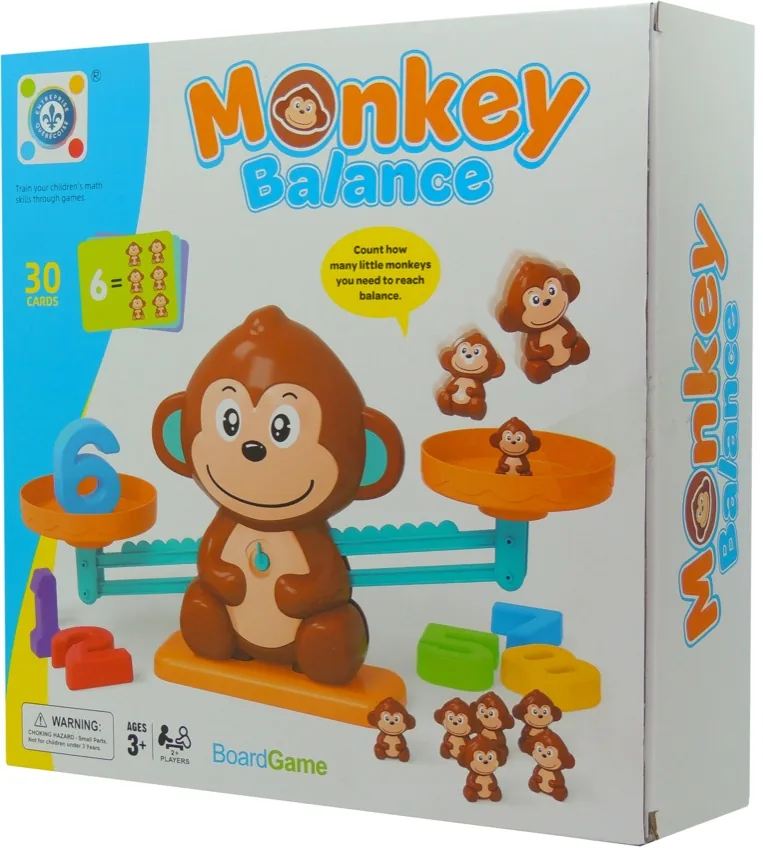
| Monkey Balance | Concept of equality, logic | Tactile + visual | Yes |
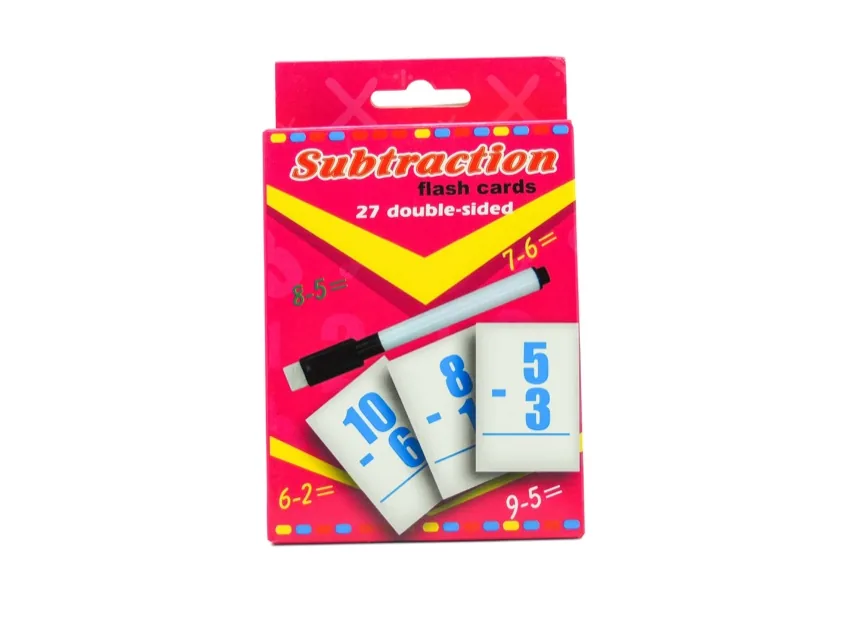
| Math Flash Cards (with pen) | Fact fluency, independence | Visual + writing | Yes |
The Reading Ruler is the perfect starting point: a tinted transparent strip that highlights one line at a time. Slide it under the text, the child follows without losing their place, and the coloured contrast eases eye strain. At under $2, it's the most accessible way to test whether a colour overlay helps your child — and very often, it does.
The Set of Math Sticks turns addition and subtraction into concrete actions: build it, count it, see the quantity. The Monkey Balance makes the idea of equality visible — when both arms level out, the child truly gets that 4 + 3 really does equal 7, no abstraction required. The Math Flash Cards with erasable pen then let them practise alone, at their own pace, with no fear of "ruining" the page.
The Careful Crocodile game builds impulse control and turn-taking through pure fun — a relief for dyslexic kids who are worn out by the school day and need to succeed at something that doesn't involve reading.
At home, keep sessions short (10-15 minutes) and always end on a win. The reading ruler becomes a homework reflex; the sticks come out for evening math.
In the classroom, these tools are discreet: a reading ruler stigmatizes no one, and a manipulation corner with sticks and a balance serves the whole class. In therapy and remediation, they structure the session — concrete first, abstract second — following the recognized multisensory progression.
Our aids generally suit ages 4-5 and up for manipulatives, and the start of reading for the ruler. Small parts (sticks, balance weights) need supervision before age 3. Every item is built to survive repeated school use.
Robiii is a Québec company specialized in educational, sensory and anti-stress toys. We ship fast across Québec and Canada, we serve you in French and English, and we offer wholesale terms to schools, daycares and clinics. Choosing Robiii means a local partner who understands the real life of a dyslexic child here at home.
Choosing the right aid starts with noticing where your child struggles: is it reading, math, or both? No need to buy everything at once — start with one targeted tool and watch the reaction.
Free shipping in Canada. Trusted by 200+ stores, schools and clinics.