
The biggest toy trends in 2026 revolve around three core themes: sensory and stress-relief toys (driven by rising ADHD and anxiety diagnoses), differentiated educational play (autism, dyslexia, special needs), and sustainable, screen-free play. Retailers and wholesalers who lean into these trends now have a clear competitive edge.
The toy market no longer looks the way it did five years ago. The pandemic reshuffled the deck, awareness of neurodiversity has surged, and parents are shopping differently — with more intention, asking harder questions about what a product actually does. For retailers and wholesalers, ignoring these shifts means risking shelves full of inventory that won't move.
This article breaks down the toy trends shaping 2026 — with concrete data, examples of winning categories and practical steps to keep your offer relevant. Whether you run an independent boutique, manage a toy section in a larger store or are looking for a new wholesale partner, this overview is built for you.
The state of the toy market in 2026
The global toy market is healthy but increasingly segmented. After three years of decline, global toy sales rebounded by 7% in 2025 across the 12 markets tracked by Circana, Canada included (source), with some niches growing far faster. Major retailers are reporting an erosion in undifferentiated mass-market toys in favour of products that address a specific need — helping a child focus, soothing anxiety, enabling a different way to learn.
Key numbers to keep in mind
Market-research firms estimate the global educational toy market at roughly US$70 to 90 billion in 2025 (for example Fortune Business Insights and Market Research Future), with projected annual growth of about 7 to 10% — making it one of the most dynamic segments in the industry. Estimates vary with each firm's definition of an "educational" toy.
Key insight: in 2026, the question is no longer "which toy sells best?" but "what problem does this toy solve?" Products that meet a clear functional need — focus, emotional regulation, motor development — weather economic cycles remarkably well.
The social backdrop driving demand
Rising diagnosis rates for ADHD and autism spectrum disorder (ASD), growing concern about childhood anxiety and better recognition of dyslexia are creating structural demand for adapted tools. Parents are better informed, teachers are requesting resources, and occupational therapists are increasingly recommending sensory tools for home use. This context benefits retailers and wholesalers who are well positioned in the specialty segment.
Trend 1 — Sensory and stress-relief toys: from niche to mainstream
This is arguably the most dramatic shift of the past few years. Sensory toys — fidgets, therapy putty, the Rolliii, sand timers, noise-cancelling earmuffs — have left the therapeutic niche and moved into mainstream boutiques, pharmacies and big-box stores. Why? Because demand now comes from everywhere: parents of children with ADHD, classroom teachers, anxious teenagers, adults at the office.
The sub-categories gaining the most ground
- Discreet fidgets (rings, cubes, pads): portable, usable in class without disruption, they meet an everyday self-regulation need. The range of effective fidget options has expanded considerably.
- Therapy putty and clay: hand stimulation reduces stress and builds fine motor skills — a dual benefit that occupational therapists often appreciate.
- Pencil fidgets like the Rolliii: a ring that spins on the pencil to keep the hands busy, silently, during schoolwork.
- Visual time-management tools: sand timers, visual timers — especially popular in classrooms and families with ADHD children.
- Hearing protection for children: noise-cancelling earmuffs have found an audience well beyond concerts — school assemblies, noisy cafeterias, public transit.
Sensory toys are no longer just for kids with a diagnosis. Everyone needs to decompress these days, and parents are looking for tools that genuinely work — not gimmicks. — Antoine Robillard, founder of Robiii
For retailers, the smart move is to group these products into a dedicated space — a "sensory corner" or "focus and calm" section — rather than scattering them across existing shelves. Thematic presentation drives discovery and lifts average basket size. Visit our wholesale shop to explore the full range.
Trend 2 — Differentiated educational play: learning differently
Educational toys are no longer just puzzles and alphabet sets. The defining trend of 2026 is differentiated learning — tools designed for children who learn differently: those with dyslexia, autism, ADHD or other learning differences. This segment attracts parents, schools, speech therapists and rehabilitation centres alike.
The standout products
Reading aids for dyslexia (coloured overlays, tracking rulers, adapted fonts) are in strong demand. Wholesale pedagogical toys for adapted classrooms are increasingly ordered in volume by school boards. Manipulative math games — balance scales, fraction blocks, counting tokens — are benefiting from the renewed interest in Montessori-style and hands-on learning approaches.
| Need | Product category | Target buyers |
|---|---|---|
| Dyslexia | Reading rulers, overlays, letter puzzles | Parents, schools, speech therapists |
| ADHD | Fidgets, sand timers, visual timers | Parents, teachers, psycho-educators |
| Autism / ASD | Sensory toys, earmuffs, putty | Parents, OTs, day centres |
| Math | Balance scales, cubes, counting tokens | Schools, tutors, parents |
| Fine motor | Therapy putty, lacing toys, pinch tools | OTs, preschools |
For wholesalers, this segment is especially attractive because institutional buyers — school boards, community health clinics, rehabilitation centres — tend to place large, recurring orders. Building a relationship with these accounts can turn a secondary customer into a stable anchor of your order book.
STEM and interactive tech toys
STEM toys remain a pillar of educational play. Coding and robotics kits such as LEGO's robotics sets, Snap Circuits electronics kits and the Ozobot mini-robot — which kids program by drawing lines with markers on paper — introduce science, technology, engineering and math through hands-on projects. Interactive tech toys such as FurReal Friends pets, Hatchimals that "hatch" from their egg and the app-controlled Sphero robotic ball add a layer of realism and immersion that keeps kids curious.
Trend 3 — Sustainable and responsible toys: from ideal to expectation
Five years ago, sustainability was a niche selling point. Today it is a baseline expectation for a growing share of Canadian consumers. Millennial and Gen Z parents are actively looking for toys made with safe materials, built to last, repairable and ideally produced locally or ethically.
What this means in practice
- Safety compliance (Canada's Toys Regulations, ASTM F963 in the U.S., EN 71 in Europe) is non-negotiable, and informed buyers look for proof of it.
- BPA-free, phthalate-free and PVC-free materials are increasingly expected by parents, especially for toys aimed at young children — and Canada's Phthalates Regulations already limit six phthalates in the soft vinyl of toys and child-care articles.
- Reduced or recyclable packaging has a real impact on purchase decisions, especially online where the packaging photo is visible.
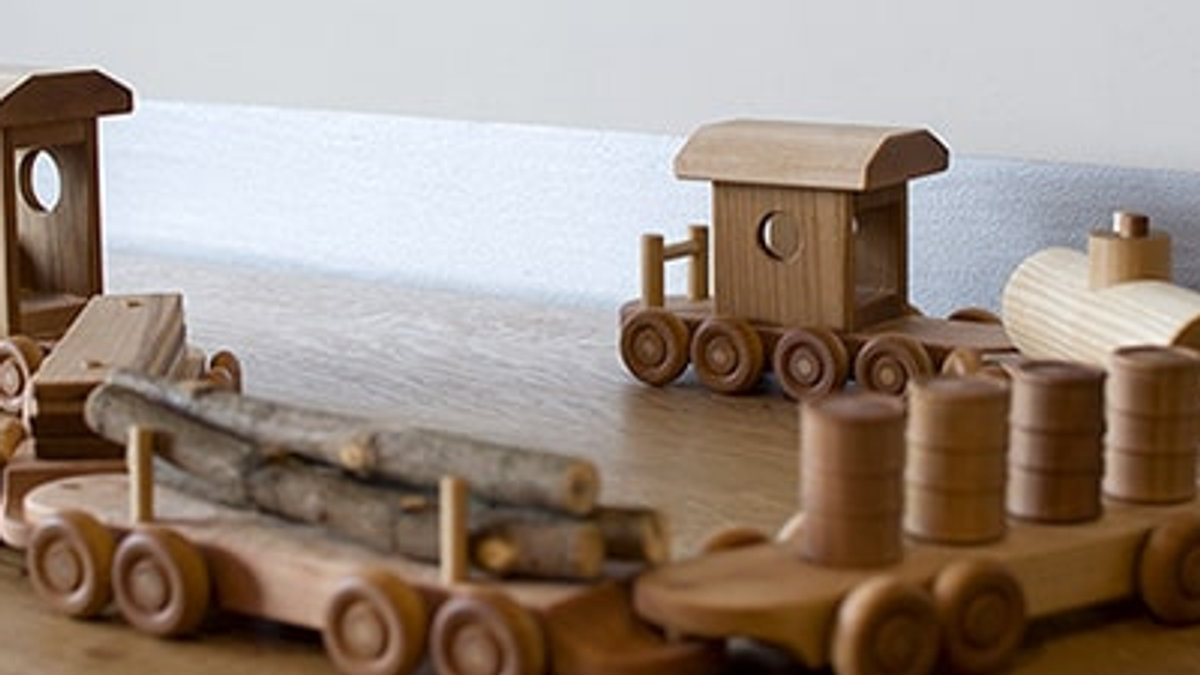
- Toys with a long lifespan — ones that grow with the child, that get passed down — command a premium even at a higher unit price.
Retailer tip: prominently display certifications and material commitments on product pages and in-store labels. Parents who look for this information are often willing to pay more for a product that gives them confidence.
Trend 4 — Screen-free play makes a comeback
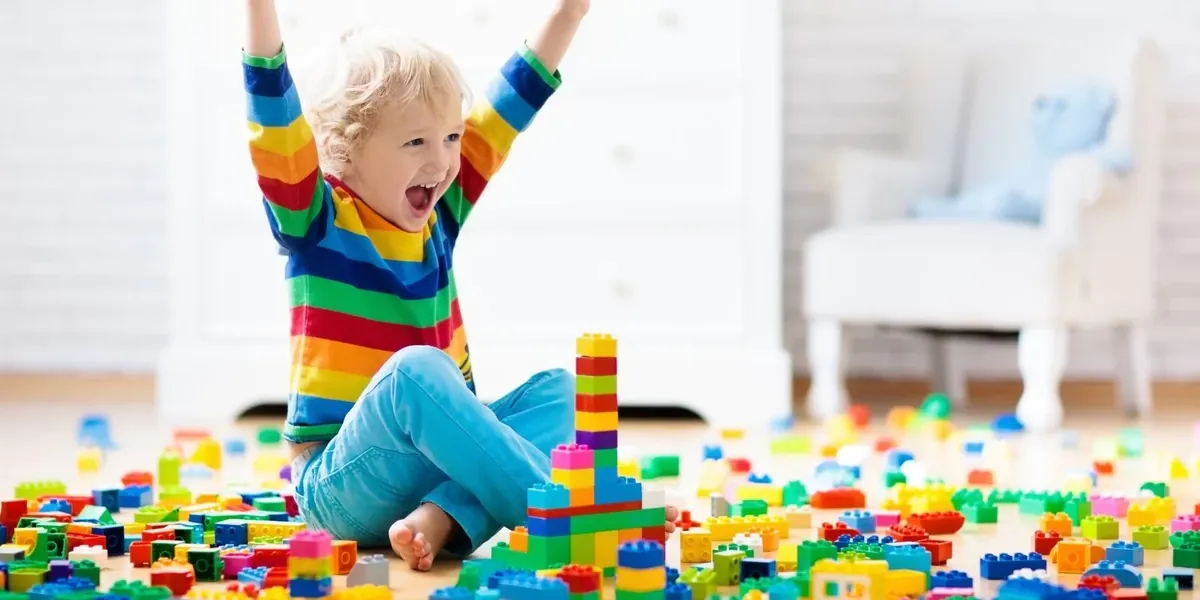
Paradoxically, in a world saturated with screens, physical and screen-free toys are enjoying a genuine revival. Parents worried about their children's screen time are actively seeking engaging alternatives. Board games, construction toys, role-play sets and creative activities have held their ground — and continue to grow, supported by a customer base that views screen-free play as a form of digital hygiene.
The formats standing out
- Cooperative games: players work together against the game rather than each other — a strong draw for families with ADHD or autistic children who struggle with competitive frustration.
- Open-ended construction toys: blocks, magnetic tiles, workshop materials — they fuel creativity and scale across ages.
- Sensory activities: kinetic sand, dough, clay — the return of tactile play as an antidote to screens.
- Narrative and imaginative play: figures, playsets, role-play costumes — they build language and empathy.
- Quality puzzles: large formats, artistic illustrations — bought as much for adults as for children.
For a retailer, a well-displayed "screen-free play" section sends a strong signal to customers who resonate with this message. It also creates fertile ground for add-on sales of sensory and educational toys that share the same philosophy.
Classic favourites hold their ground
Screen-free also means timeless. Barbie has been a favourite for generations, Monopoly has sat on family game shelves for more than 80 years and Hot Wheels cars remain a playtime staple. These classics sell on nostalgia — parents love sharing the toys of their own childhood — and on simple, open-ended play that still captivates kids.
Trend 5 — Gift sets, collections and limited editions
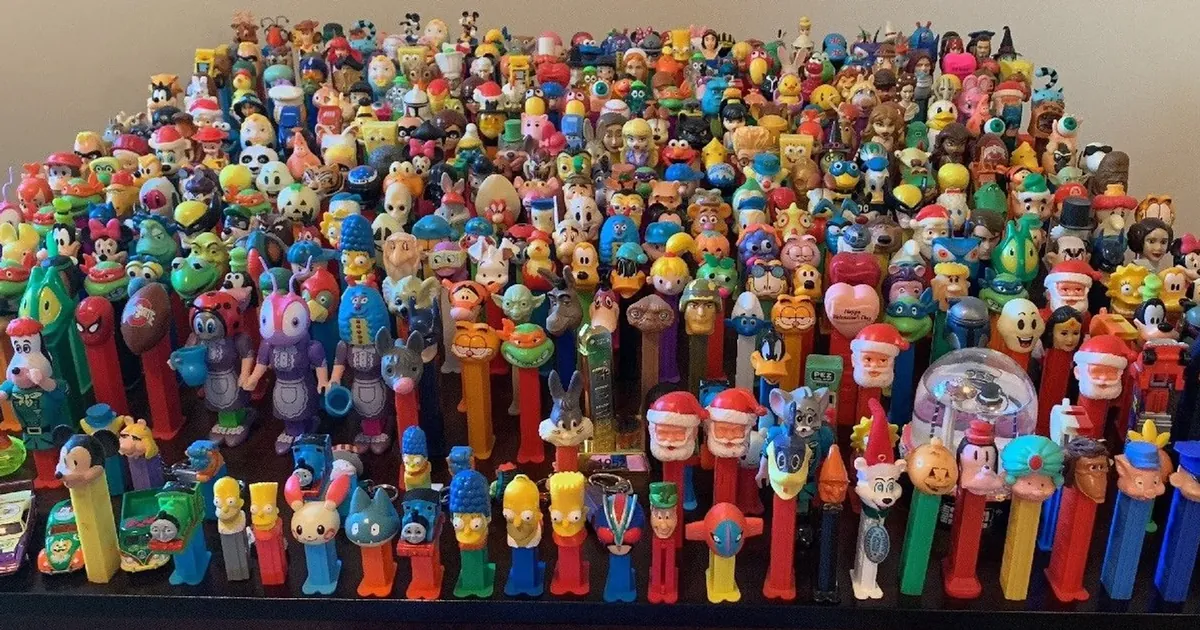
Toys as collectible objects and premium gifts remain a durable trend. Themed gift sets, limited editions and series to complete generate repeat purchases and build customer loyalty. This mechanic — well established in trading cards — has spread to other categories: articulated figures, sensory gadget series, educational surprise boxes.
Why this interests wholesalers
Gift sets and collections offer several structural advantages for wholesale distribution:
- A higher average transaction value — a set naturally sells for more than a single item.
- Recurring replacement purchases — the consumer comes back to complete the series.
- Ease of merchandising — sets present well in-store windows, online and as birthday or Christmas gifts.
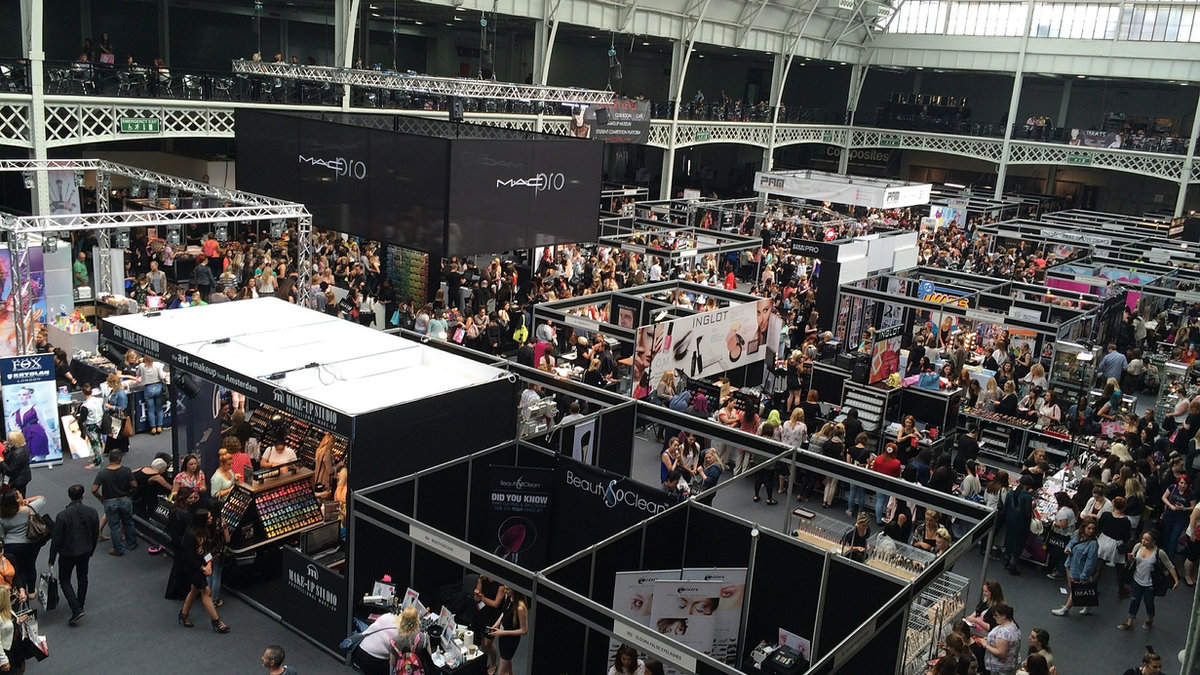
For stores working with Robiii, bundling sensory items into "home sensory kit" or "school stress-relief kit" sets is a straightforward way to create a differentiated offer from the existing catalogue. Attending or following the world's major toy fairs is also an excellent way to spot these concepts before they saturate the market.
How retailers and wholesalers can act right now
Knowing the trends is only half the battle — the other half is translating them into buying decisions and commercial actions. Here are the habits to build so your offer stays current in 2026.
Anticipate and order early
Trending items go out of stock fast, especially ahead of seasonal peaks (September back-to-school, Christmas). Ordering wholesale in the first quarter protects you from stock-outs and lets you negotiate better unit pricing. Our guide on toy store inventory management can help you optimize your stock rotation.
Diversify without scattering
The temptation is to chase every trend at once. The risk is spreading too thin — too many SKUs, too much capital tied up in slow movers, a blurry store identity. It is better to pick two or three segments that align with your target customer and stock them really well.
Train your in-store team
Sensory and educational products sell better when staff can explain their real-world value. A salesperson who knows how to say "this fidget helps children with ADHD focus without disturbing the class" converts far better than a price tag alone. Invest in short training sessions with your suppliers.
Strengthen your online presence
Parents research before they buy — often on mobile, often through Google. Detailed product pages with clearly explained benefits, certifications front and centre, and a handful of customer reviews make a measurable difference. Educational content (blog posts, short videos) also builds trust and attracts qualified organic traffic. For more on the mechanics of buying wholesale toys, our complete guide walks you through the process step by step.
In 2026, the winning retailer isn't the one with the widest selection — it's the one with the right selection for their customers, and the words to make it shine. — The Robiii team