The best toy fairs in the world — Nuremberg, New York, Hong Kong and a handful of others — are essential stops for any retailer or distributor who wants to source winning products, anticipate trends and build lasting relationships with reliable suppliers. Here is our complete guide to where to go, when to go and how to make every visit count.
Every year, thousands of retailers, buyers and distributors pack their bags and head to cities like Nuremberg, New York or Hong Kong. Their goal? To attend the world's most important toy fairs and expos — the major trade events where manufacturers unveil their latest lines, trends take shape and orders are signed. For any toy shop owner or entrepreneur, skipping these events means operating without a map.
At Robiii, a Quebec-based wholesale distributor specializing in educational, sensory and stress-relief toys, we follow these international gatherings closely to enrich our catalogue and offer our retail partners products that genuinely meet the needs of Canadian families — especially those supporting children with ADHD, autism or anxiety. Here is our pick of the fairs you cannot afford to miss, along with practical advice for getting the most out of each one.
The Spielwarenmesse in Nuremberg: the undisputed giant
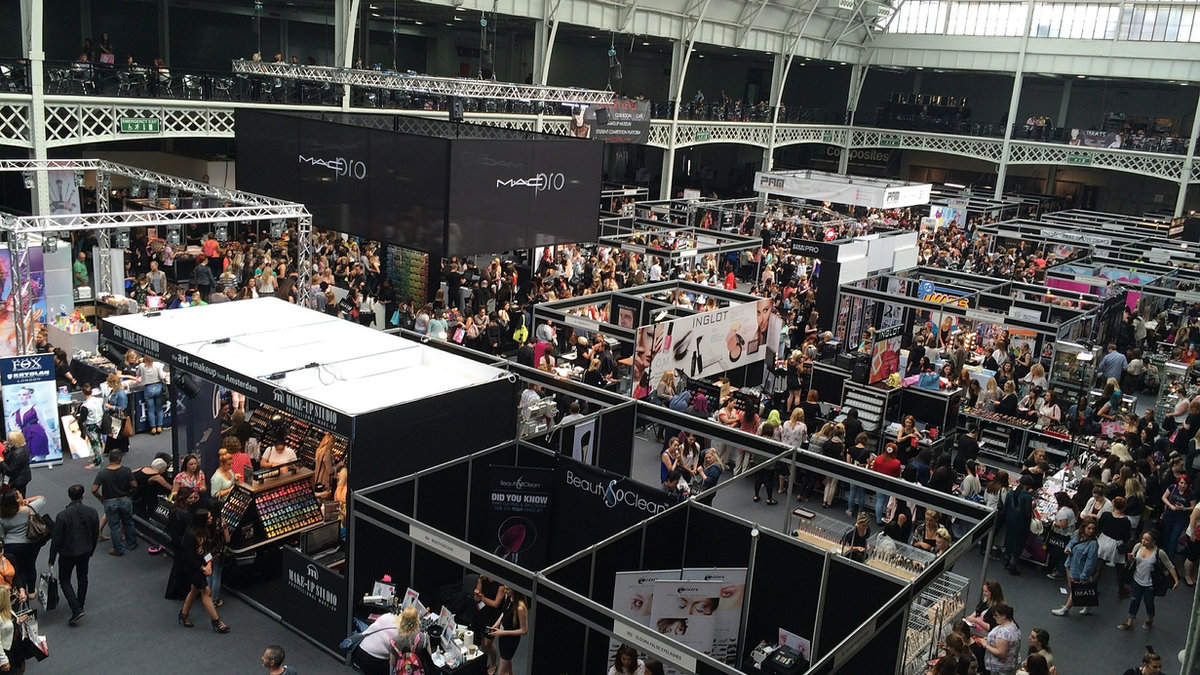
Founded in 1949, the Spielwarenmesse in Nuremberg is without question the world's largest toy fair. Held every January–February in the Bavarian city, it welcomed more than 2,300 exhibitors from 68 countries and close to 60,000 trade visitors in 2026 (official figures). This is where the biggest global toy trends are revealed first — well before products land on store shelves.
What you will find there
The Spielwarenmesse covers the full spectrum: infant toys, board games, STEM products, dolls, sensory toys, creative supplies and licensed merchandise. Each segment has its own dedicated halls, which makes navigation straightforward even for a first-time visitor. Themed zones such as Trending Topics give buyers an at-a-glance view of the fastest-growing categories — a real advantage when planning bulk purchases.
Why you should go
- Meet suppliers face to face that you simply cannot reach any other way.
- See and handle products before committing to a large order.
- Attend talks on toy market trends and consumer data.
- Negotiate wholesale terms directly with brand representatives on the show floor.
Good to know: the Spielwarenmesse is trade-only. You must register online in advance and provide proof of business activity. Walk-in tickets are not available at the door.
Toy Fair New York: North America's gateway
Organized by the Toy Association, Toy Fair New York is the largest toy trade show in North America. Held each winter at the Javits Center in Manhattan, it brings together thousands of exhibitors — manufacturers, distributors and inventors — and tens of thousands of professional buyers. For Canadian retailers, it is often the most accessible fair logistically, with direct flights from Montreal, Toronto or Vancouver.
Built for the North American market
Unlike Nuremberg's global reach, Toy Fair New York is squarely focused on the North American market. Exhibitors there present products already aligned with ASTM safety standards (which overlap with, but are not identical to, Canadian requirements), which simplifies the sourcing process for buyers in Quebec or Ontario. Educational sessions led by industry experts are also part of the programme — well worth attending even if you already know the floor well.
Every dollar invested in a trip to Toy Fair New York can translate into several seasons of bestselling products, provided you target the right exhibitors and take the time to build genuine relationships. — Antoine Robillard, founder of Robiii
Hong Kong Toys & Games Fair: the Asian hub
For buyers who want to source directly from Asian manufacturers — who still produce the vast majority of toys sold in Western markets — the Hong Kong Toys & Games Fair is an essential stop. Organized by the Hong Kong Trade Development Council (HKTDC) each January, it is one of Asia's largest toy trade events, drawing some 1,800 exhibitors and more than 40,000 buyers in 2026 (HKTDC).
Sourcing at the source
This fair offers direct access to thousands of manufacturers and exporters based primarily in mainland China, Hong Kong, Taiwan and Southeast Asia. Pricing is generally more competitive than in Europe or North America, provided you order in sufficient volumes. For a wholesaler like Robiii, it is a valuable intelligence-gathering tool for spotting emerging products — particularly in the sensory and stress-relief toy categories — before they saturate Western markets.
Tip: if you are travelling to Hong Kong for the fair, coordinate your trip with neighbouring shows in Canton (Guangzhou) or factory visits in southern China. A few extra days can dramatically expand your supplier network.
Other fairs worth watching, depending on your niche
Beyond the big three, several specialized fairs deserve your attention depending on the product categories you are building:
| Fair | City & season | Specialty |
|---|---|---|
| London Toy Fair | London, January | UK and European market, licensed products |
| Kind + Jugend | Cologne, September | Baby and toddler products, 0–3 years |
| ASTRA Marketplace | United States, June | Independent toy retailers, specialty shops |
| CES (toy tech section) | Las Vegas, January | Connected toys, STEM, robotics |
| Bologna Children's Book Fair | Bologna, March | Children's books, educational games |
| Tokyo Toy Show | Tokyo (Tokyo Big Sight), summer | Japanese market, high-tech toys and gadgets; about 72,000 visitors in 2025 (source) |
The London Toy Fair is particularly interesting for Canadian retailers looking to broaden their range with British board games or artisan wooden toys. Kind + Jugend, held in Cologne each September, is the reference event for baby and toddler products — ideal if your clientele skews toward new parents. The ASTRA Marketplace, meanwhile, is purpose-built for independent toy shops that want to differentiate themselves from mass-market chains.
Toy fair fun facts
- The first American International Toy Fair was held in New York City in 1903, making it one of the oldest trade shows in the world.
- The Toy Industry Association (today's Toy Association), which runs Toy Fair New York, was founded in 1916.
- The United Kingdom's first toy fair, the British Toy and Hobby Fair, took place in 1954.
- Many toys that became household names were unveiled at toy fairs — Barbie made her debut at the New York fair in 1959, and Transformers in 1984.
- Fairs are no longer only about traditional toys: video games, virtual reality and other interactive entertainment now share the floor, and most big events offer an app to plan your visit and track exhibitors.
How to prepare your visit: a practical guide
Attending an international toy fair is an investment — in time, money and energy. Getting the most out of it requires solid preparation.
Before the fair
- Define your buying goals — which product categories are you targeting? What are your budgets? What minimum order quantities can you realistically commit to?
- Register early on the official fair website and book flights and accommodation as soon as dates are confirmed (nearby hotels fill up extremely fast).
- Study the exhibitor list and identify the suppliers you absolutely must visit. Many fairs let you book appointments online before the event.
- Bring your business documents: company registration number, bilingual business cards, banking references for suppliers who require a credit check.
- Set a clear budget — including travel, accommodation and meals, but also an envelope for orders you are likely to place on the spot.
During the fair
- Arrive early on the first day to cover your priority halls before fatigue sets in.
- Take photos and detailed notes at every stand — memory fades quickly after an intense day on the floor.
- Ask for samples or price catalogues whenever possible.
- Attend at least one conference or panel: the market data shared there is often worth the trip on its own.
- Leave time to wander the aisles without appointments — the most unexpected finds often happen by chance.
Trends to watch at toy fairs in 2026
Toy fairs are reliable barometers of how the market is evolving. In 2026, several major themes are emerging from the shows we have followed closely.
Sensory and therapeutic toys on the rise
Stress-relief toys, fidgets and sensory tools for children with ADHD or autism are claiming an ever-larger share of floor space at every major fair. This trend goes well beyond the spinner craze of the 2010s: it is driven by real, documented demand from families, schools and therapists. At Robiii, this is precisely the niche we chose to build from the start — and every fair confirms that it was the right call. For more, read our article on toy market trends.
Sustainability as a buying criterion
A growing number of professional buyers are questioning exhibitors about material origins, product lifespan and environmental certifications. Labels such as FSC (certified wood), OEKO-TEX (healthy textiles) and recycled-plastic certifications are becoming non-negotiable selling points at every price point.
STEM and learning through play
Toys that combine learning with fun — simple robotics, coding kits, interactive math games — continue to dominate prime booth positions at every major fair. This category is especially strong in North America and Northern Europe, and shows no sign of slowing down.
Warning: not all products showcased at international fairs meet Canadian safety standards (Health Canada, CSA). Before placing a large order, always verify regulatory compliance for the Canadian market.
Working with a local wholesaler: the alternative to travelling
International toy fairs are fantastic, but not every retailer has the budget or the availability to cross an ocean every year. This is precisely where a well-connected local wholesaler like Robiii adds real value.
Rather than travelling to Nuremberg or Hong Kong yourself, you can delegate that market intelligence to a partner who knows the landscape, has already vetted products against Canadian safety standards and can deliver wholesale from Quebec. It is a way to access the best international products without the logistical and financial burden of overseas travel. To learn more, read our complete guide to finding a wholesale toy supplier in Canada.
Want to buy toys in bulk without leaving home? Robiii carries a catalogue of educational, sensory and stress-relief toys available now, deliverable anywhere in Canada, with wholesale terms designed for independent boutiques and larger retailers alike.