
Home › Categories › Puzzles & Educational Games
Puzzles & Educational Games
Games that exercise the brain without feeling like work: fine motor skills, attention, planning and turn-taking, designed for neurodivergent kids and the whole household alike.
★
One skill at a timeEach game targets one clear goal — math, planning, patience or pencil grip — instead of mixing everything together.
★
Quiet for the classroomFoam dice, board and pen grip make no noise: perfect for a room full of students.
★
A Québec companyA local brand that understands the needs of neurodivergent kids and Québec families.
★
Built for real lifeObjects chosen to survive drops, throws and intensive daily use.
4 products
Products
Quick answer — Puzzles and educational games are hands-on toys that build focus, problem-solving, fine motor skills, and learning through play. They benefit all children, including those with ADHD, autism, or learning differences who thrive with engaging tools. Robiii, a Québec brand and wholesaler, offers educational puzzles and games for homes, schools, and clinics.
Why puzzles and educational games?
A good educational game does something rare: it turns hard learning into something a child actually asks for. Counting, waiting your turn, planning a sequence, controlling a fine movement — these are exactly the skills that demand enormous effort from kids with ADHD, autism, anxiety or dyslexia. When that effort is wrapped in a game, the brain cooperates, because there's fun, a clear goal and an immediate reward.
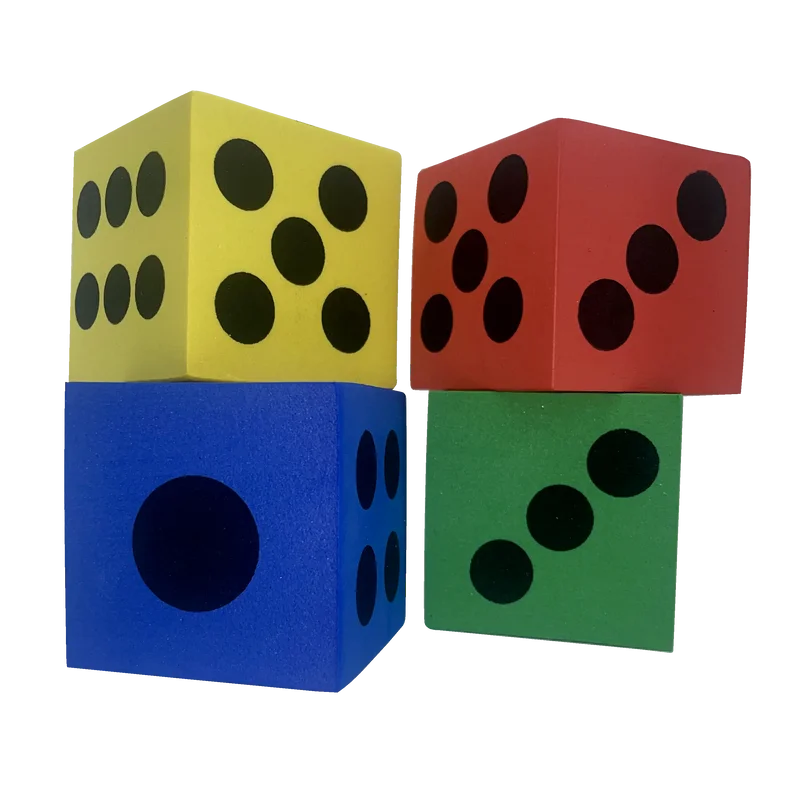
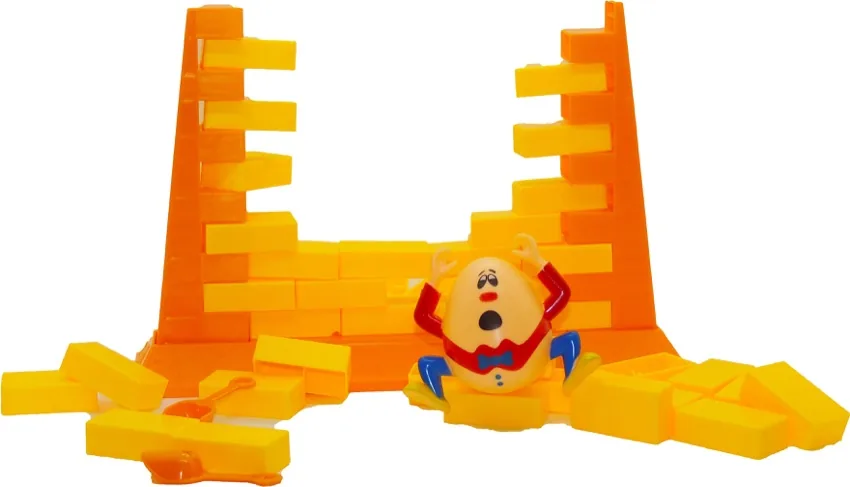
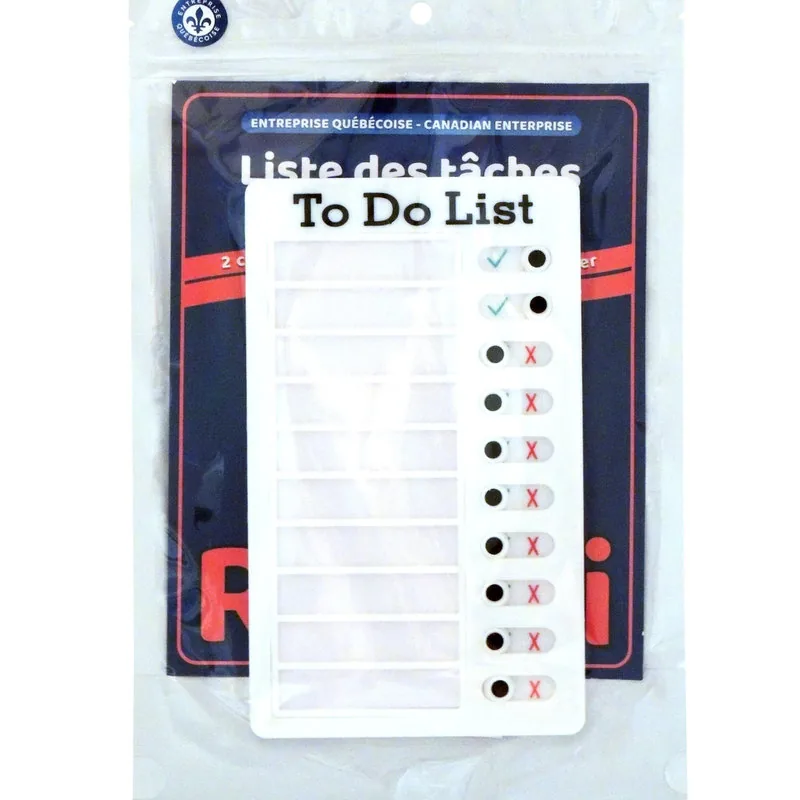
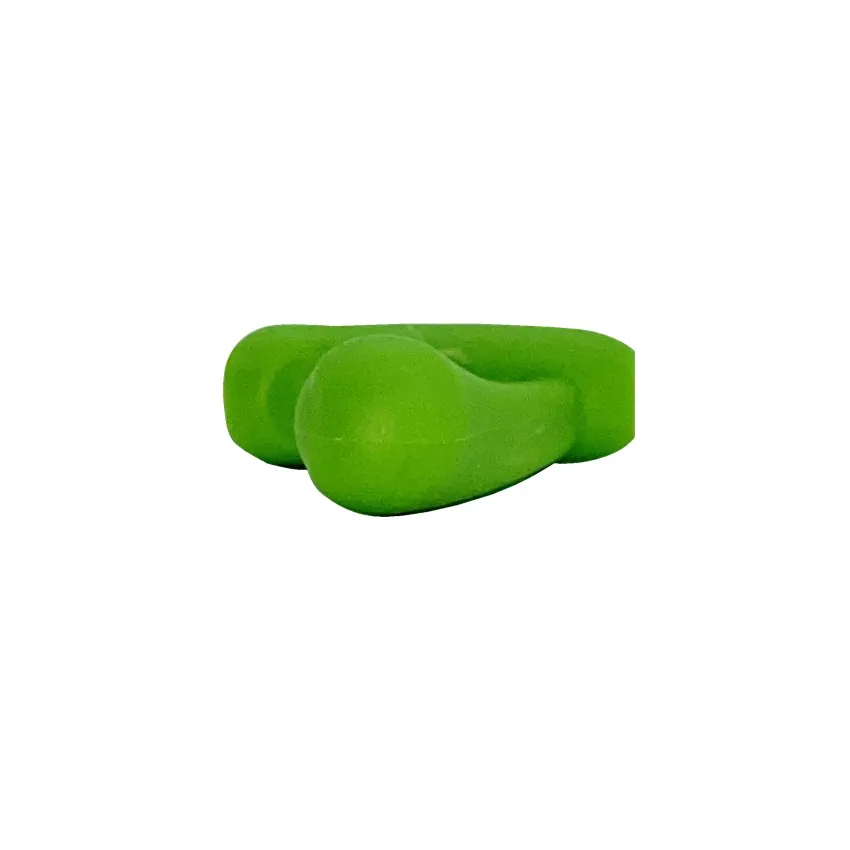
At Robiii, our puzzles and educational games category brings together simple, sturdy objects that each target one skill at a time. No flashy gimmicks: foam dice that make math concrete, a dexterity game like the Wall Game (Don't drop Humpty!) that builds patience and motor control, a To-Do List Board that makes planning visible, and a Pencil Grip with Holder grip that fixes how the pencil sits in the hand. Every product has a clear "why."
The science behind play
Learning through play isn't a pedagogical trend — it's how a child's brain naturally encodes information. Handling an object (a die, a piece you stack) creates embodied learning: the child understands "three" because they rolled three pips and counted three objects, not because they were told. For a dyslexic child who struggles with abstract symbols, that concreteness changes everything.
Turn-taking games, in turn, train executive function: inhibiting the urge to act now, waiting, anticipating the next move. That's precisely where ADHD creates friction. A balance game like Humpty adds a layer of self-regulation: to keep everything from toppling, the child has to slow the hand and breathe — learning self-control through the body, not through instructions.
Which game helps whom? By need
No single game fits everyone, and that's a good thing. Here's how our products map to a child's profile.
- ADHD / ADD: the foam dice (silent, safe to roll even standing up) channel the need to move into a useful action; the To-Do List Board externalizes shaky working memory by turning "go get ready" into three checkable boxes.
- Autism: the To-Do List Board offers the predictability and visual routine that ease transition anxiety; the soft, click-free foam dice suit sound-sensitive children.
- Anxiety: the Wall Game (Don't drop Humpty!) focuses attention on one slow, precise movement — a genuine mindfulness exercise disguised as a dexterity game.
- Dyslexia / dysgraphia: the Pencil Grip with Holder grip sets the fingers in the right position and reduces writing fatigue; the dice make math concrete for kids who resist written numbers.
| Product | Best for | Skill built | Quiet for class? |
|---|---|---|---|
| Foam dice | ADHD, dyslexia (math) | Counting, motor control, math | Yes — no rattle |
| Wall Game (Don't drop Humpty!) | Anxiety, ADHD | Patience, fine motor, regulation | Partly — group play |
| To-Do List Board | ADHD, autism | Planning, independence, routine | Yes |
| Pencil Grip with Holder | Dysgraphia, dyslexia | Pencil grip, writing endurance | Yes |
How to use them: home, classroom and therapy
The same object works differently depending on the setting. At home, the To-Do List Board becomes the morning and bedtime ritual: the child checks off their own tasks, which defuses power struggles with the parent. The foam dice power an improvised board game after dinner or a quick addition lesson at the kitchen table.
In the classroom, teachers love that these objects are quiet: a foam die doesn't disturb the next row, and the pen grip discreetly helps the student who clenches their pencil. The To-Do Board can display the day's sequence for an entire work group.
In therapy (occupational therapy, special-education tutoring, psychology), Humpty serves as a graded exercise in motor control and frustration tolerance, while the pen grip slots into handwriting-remediation protocols.
- Start with one tool at a time: a single new object per week, so the child can integrate it.
- Name the skill out loud: "We're going to practice our patience with Humpty."
- Let the child win and lose — framed losing is valuable learning.
Safety and age
Our games are made for children, which means made for real life: they get dropped, chewed and thrown. Foam dice are light and edge-free, ideal from preschool age (3+ with supervision). Humpty and the To-Do Board suit kids from 4-5 and up. The pen grip can be used as soon as a child holds a pencil. Always check the stated age and supervise younger children around small parts.
Why Robiii
Robiii is a Québec brand specializing in educational, sensory and anti-stress toys. We pick each product for its durability — because a game that breaks on the third use helps no one — and we ship fast across Québec and Canada. Parents, teachers and therapists order from us because we speak the same language: that of children who learn differently.
How to choose
To choose well, start from the child's need rather than the product. Ask two questions: which skill is the biggest sticking point right now, and in what setting will the game be used? The same child might need the To-Do List Board in the morning and Humpty at night to wind down.
- For concrete math or a need to move: pick the Foam Dice — silent, safe and usable anywhere.
- For anxiety or impulsivity: the Wall Game (Don't drop Humpty!) forces slow movement and focus.
- For forgetfulness and hard transitions: the To-Do List Board makes routine visible and restores independence.
- For painful writing or dysgraphia: the Pencil Grip with Holder grip fixes the hold and reduces fatigue.
- Check the stated age and supervise younger children around small parts.
- Start small: one tool at a time, letting the child get used to it before adding another.
Explore more
Frequently asked questions
What ages are these games for?
Foam dice suit kids from 3 with supervision, Humpty and the To-Do Board from 4-5, and the pen grip as soon as a child holds a pencil. Always check the stated age on the product page.
Are they really suited to kids with ADHD or autism?
Yes. The To-Do List Board externalizes working memory and structures routine, which helps ADHD and autistic profiles enormously, while the silent dice and Humpty suit sound-sensitive children.
Do these games make noise in the classroom?
The foam dice, board and pen grip are silent. Humpty is a group game that can get a bit lively, best kept for group moments.
How do I choose between the products?
Start from the skill that's sticking: math and fidgeting for the dice, anxiety for Humpty, forgetfulness for the To-Do Board, writing for the pen grip. Begin with one tool at a time.
Do you offer wholesale pricing for schools and clinics?
Yes, Robiii serves teachers, OTs and special-ed tutors. Contact us for bulk orders and terms suited to institutions.
What are the shipping times?
We ship quickly across Québec and Canada. Exact timing appears at checkout based on your region.
Are these games durable?
Yes. We select each product for its sturdiness, because children drop them, throw them and use them every day.
Can I return them?
Yes, we offer a return policy. Check the terms on our site or write to us if a product isn't right for your child.
Ready to stock Robiii?
Free shipping in Canada. Trusted by 200+ stores, schools and clinics.