ADHD memes do far more than make people smile: they destigmatize the condition, build a sense of belonging, and open conversations about realities that are often misunderstood. When humor names with pinpoint accuracy what clinical language struggles to convey, it becomes a genuine tool for understanding and connection.
Have you ever opened your Instagram feed and stumbled onto a meme that describes exactly how you feel — the tab left open for three days, the to-do list you re-read without ever starting, the brilliant project launched at midnight and abandoned by morning? If you live with attention-deficit/hyperactivity disorder (ADHD), that moment of recognition can feel strangely moving. Someone, somewhere, put words — and an image — to your everyday life.
ADHD memes have become a genuine cultural phenomenon. On Reddit, TikTok, Facebook and Instagram, millions of people — diagnosed or not — share, comment on and create humorous content that describes life with ADHD with sometimes startling accuracy. But beyond entertainment, these images and videos play a psychological and social role that is often underestimated. Here is why.
Why ADHD memes resonate so strongly
A good meme condenses into a few words and one image what would take paragraphs to explain. For the ADHD brain, which is often more responsive to visual and emotional stimuli, this format is particularly effective. But there is more: ADHD memes hit home because they describe hyper-specific experiences that few people outside the condition understand.
Instant recognition
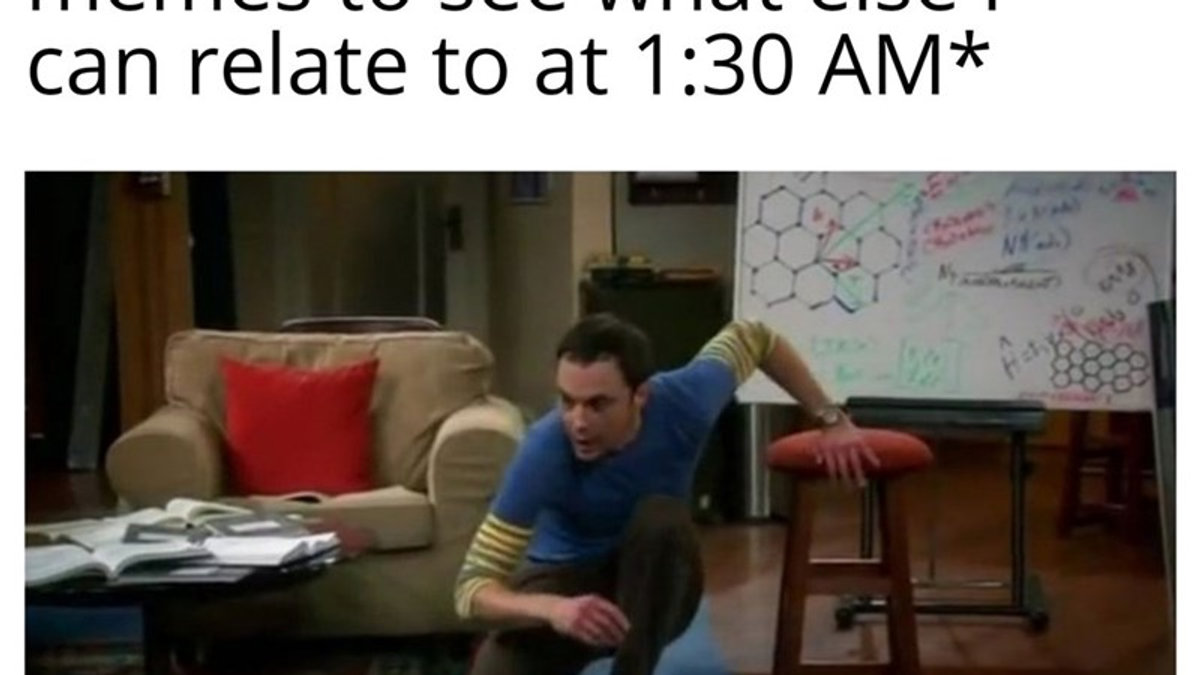
Who hasn't seen a meme about opening the fridge with no idea why, re-reading the same sentence five times without absorbing it, or mentally replying to a message two weeks after receiving it? These situations seem minor to people who rarely experience them. For someone with ADHD, they shape the entire day. Seeing those realities depicted creates a powerful mirror effect: "I am not alone."
A shared language among peers
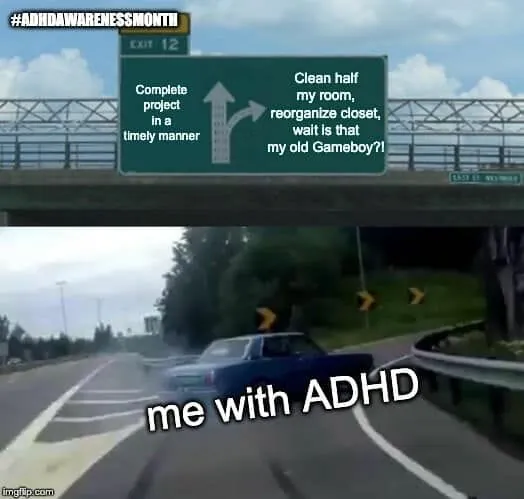
The online ADHD community has developed its own visual vocabulary. The meme of a brain on fire juggling ten pointless tasks while priorities burn; the procrastination spiral illustrated by a character staring at the ceiling "thinking"; the hyperfocus session that runs until 3 a.m. This shared language builds a sense of belonging that crosses every geographic border.

Good to know: that sense of recognition is real, but it is not a diagnosis — and not all content is reliable. A 2022 Canadian study found that about half of the 100 most popular #ADHD videos on TikTok were misleading (Yeung et al., Canadian Journal of Psychiatry).
Destigmatizing ADHD through humor
ADHD remains one of the most widely misunderstood neurodevelopmental conditions among the general public. You still hear far too often that it is "just a hyper kid," that it "goes away with age," or worse, that medication is about making children "compliant." These misconceptions have real consequences: delayed diagnosis, shame, and an underestimation of daily difficulties.
Humor, when it comes from inside the community, can dismantle these misconceptions with surprising effectiveness. Here is how:
- It makes symptoms concrete — a meme that illustrates "task paralysis" explains in two seconds what pages of clinical text often fail to convey.
- It shifts shame — laughing at oneself in a supportive context transforms shame into solidarity. "This is not my fault — it is just how my brain works."
- It invites loved ones to understand — sharing a meme with a parent or partner can open a difficult conversation with far less resistance than a direct explanation.
- It normalizes seeking help — when millions of people recognize themselves in the same content, consulting a specialist feels far less daunting.
Humor is often the gentlest doorway into serious conversations. When a child or adult with ADHD laughs at a meme that describes their reality, it is often the first time they have felt truly understood. — The Robiii team
The most common ADHD meme themes
Certain subjects come up almost universally in ADHD humor. Here they are, summarized in this table:
| Theme | Typical humorous scenario | The reality behind the meme |
|---|---|---|
| Procrastination | Spending 4 hours avoiding a 10-minute task | Task initiation difficulty linked to low dopamine |
| Hyperfocus | Starting a project at 11:30 p.m. "just for 5 minutes" | Total absorption in a stimulating activity |
| Working memory | Forgetting why you walked into the room | Limited capacity to hold short-term information |
| Time management | Believing there is "plenty of time" until the very last minute | Time blindness — difficulty perceiving the passage of time |
| Constant stimulation | Needing background noise or movement to concentrate | Need for extra dopamine to sustain attention |
| Emotional dysregulation | Reacting intensely to a minor criticism | Rejection sensitive dysphoria |
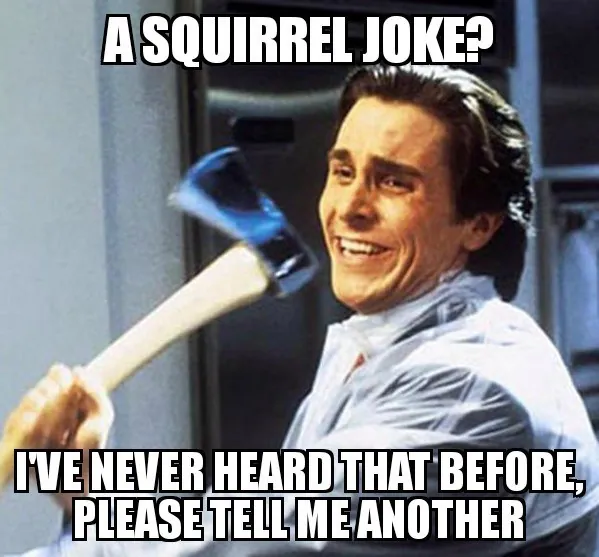
Parent tip: if your child shows you an ADHD meme and laughs, lean in. Ask: "Does that ever happen to you?" It is often an invitation to talk about their challenges in a relaxed, no-pressure setting.
Memes as a tool for understanding — for family, teachers and partners
Parents, teachers and partners of people with ADHD sometimes struggle to grasp what their loved ones actually experience. ADHD is invisible from the outside — nobody sees the inner storm, the constant effort to appear "normal," the exhaustion of fighting your own brain all day long.
One meme can be worth a thousand explanations
Sending a meme that illustrates choice paralysis or forgetting an important conversation can trigger instant empathetic understanding where repeated explanations have repeatedly failed. That is not lazy communication — it is relational intelligence.

For teachers too
Humorous ADHD content can also help teachers get a clearer picture of certain student behaviors. The meme of the student who "listens very attentively" while staring into the middle distance, or who "finishes their homework the moment they get home" (spoiler: they never do), can be a more powerful trigger for insight than any theoretical presentation on the condition.
For more concrete strategies, our article on ADHD strategies for teachers and parents builds directly on this lived understanding of the condition. And if you want to go beyond the humor to understand what ADHD really is, our article What Is ADHD? provides a solid foundation.
Limits and nuance: humor does not replace support
As useful as they are, ADHD memes have limits — and naming them matters.
- The trivialization risk — repeatedly joking "lol I totally have ADHD, I procrastinate all the time" can minimize the real suffering of those with a formal diagnosis.
- Rushed self-diagnosis — recognizing yourself in memes is not a substitute for a clinical assessment. ADHD shares traits with anxiety, depression and other conditions.
- Punching down — a meme created about ADHD from the outside, with condescension, causes harm. The line between kind self-deprecation and mockery is essential.
The healthiest ADHD memes are those created by and for the community. They acknowledge the challenges without dramatizing or denying them, and they invite action rather than resignation. Used wisely, they fit into a broader support ecosystem — alongside parenting tips for ADHD, sensory tools available in our shop, and professional support.
Memes and ADHD identity: building a positive self-image
For many adults diagnosed late, discovering ADHD memes is a revelation. These people have often spent decades blaming themselves for being lazy, scattered or incapable — without understanding why they functioned differently. Landing in a community that puts funny, precise words to their experiences can be deeply liberating.
From shame to neurodivergent pride
The neurodiversity movement — of which ADHD memes are a living part — proposes a radical shift in perspective: ADHD is not a defect, it is a different way of operating, with its challenges and its strengths. Creativity, lateral thinking, the ability to enter deep hyperfocus on a passion project — all of these qualities appear in the memes too, not just the difficulties.
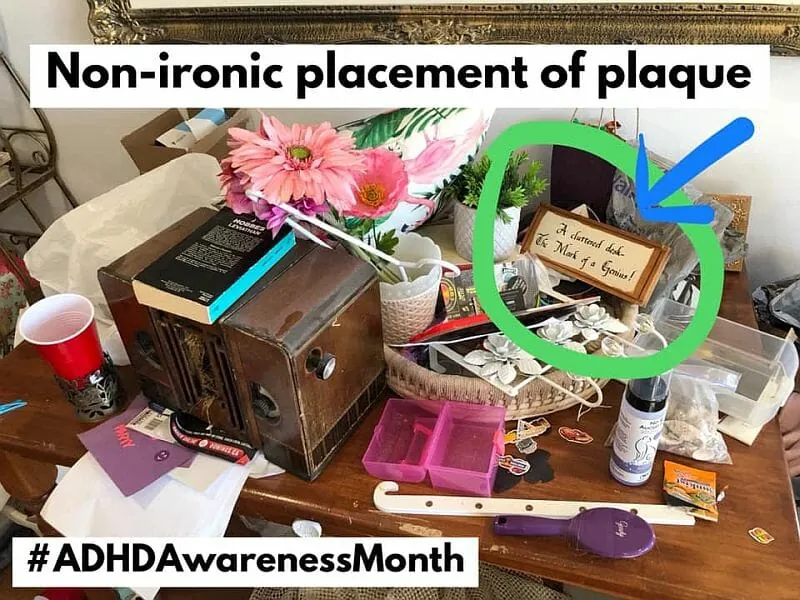
Celebrities who publicly own their ADHD — like some of those discussed in our article on ADHD in celebrities — contribute to this cultural shift. Memes participate in the same movement at a smaller scale, but with potentially viral reach.
- Gathering several memes that resonate with you and discussing them with a therapist can serve as concrete working material.
- Creating your own memes can be a useful creative exercise — it invites you to name your challenges with distance and lightness.
- Participating in an online ADHD community (anonymously if needed) can provide valuable peer support.
- Using memes as a conversation launcher with loved ones who struggle to understand ADHD.
- Returning to memes on hard days as a gentle reminder: "My brain is different, not broken."
Getting equipped beyond the laughter
Laughter is a door — but you still need to step through it. After sharing a laugh over ADHD memes, the next step is finding concrete tools that make a genuine difference day to day. For children, that can include sensory and anti-stress tools that directly target ADHD brain challenges: maintaining focus, managing transitions, reducing restlessness.
For adults, parents and teachers, understanding the myths and facts about ADHD is an essential step toward taking action rather than just coping. Laughter opens the conversation — the right tools keep it going.